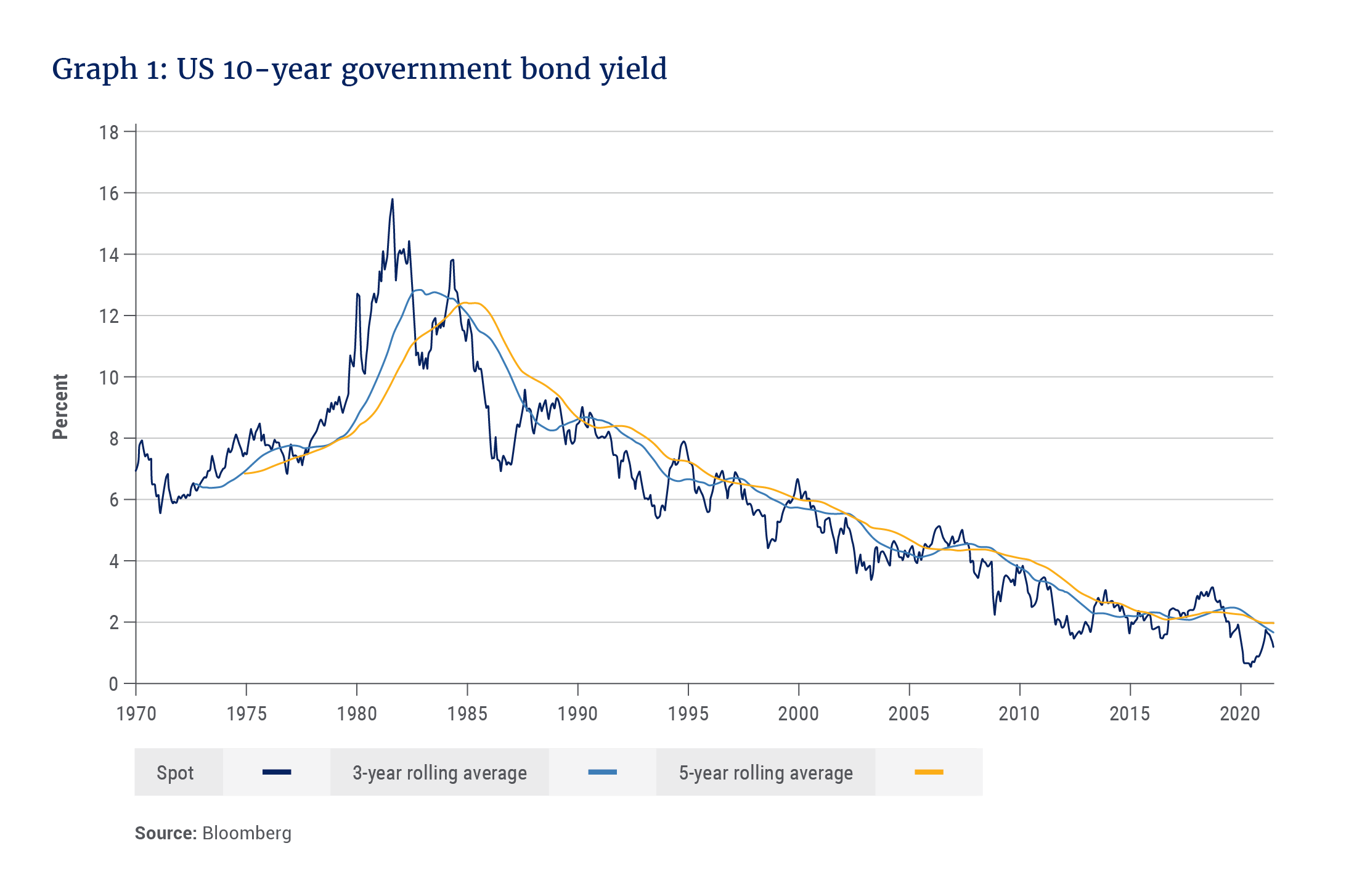
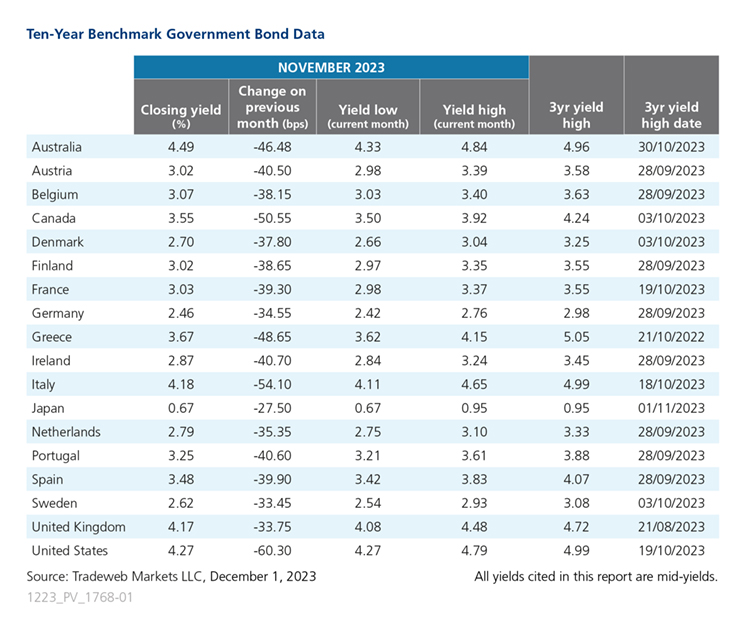
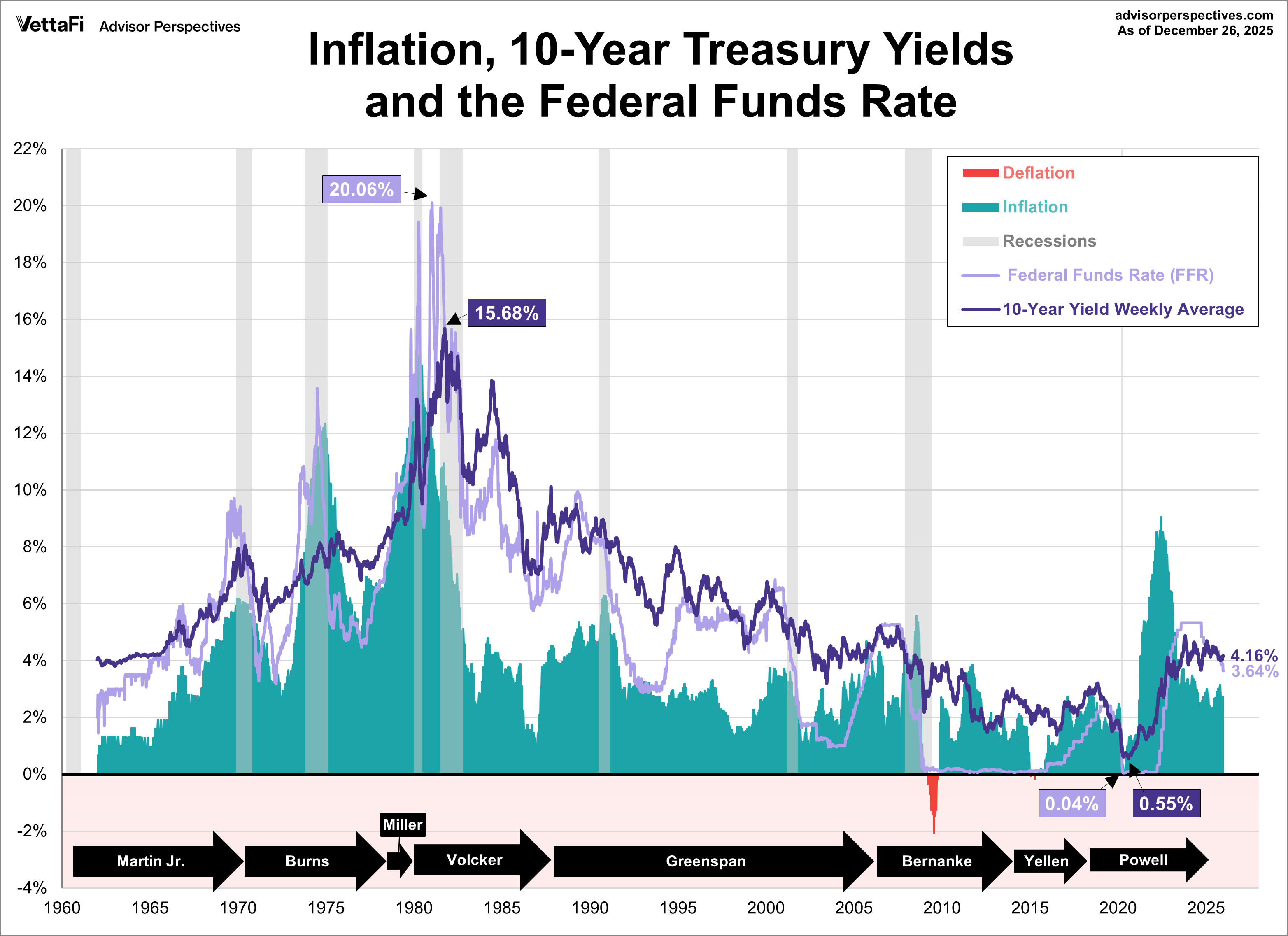
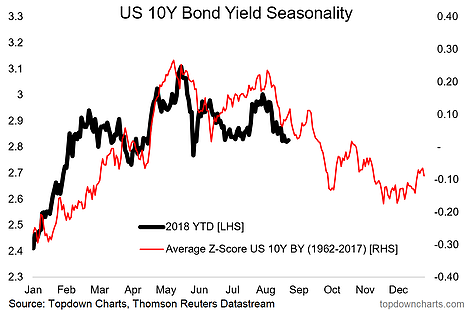
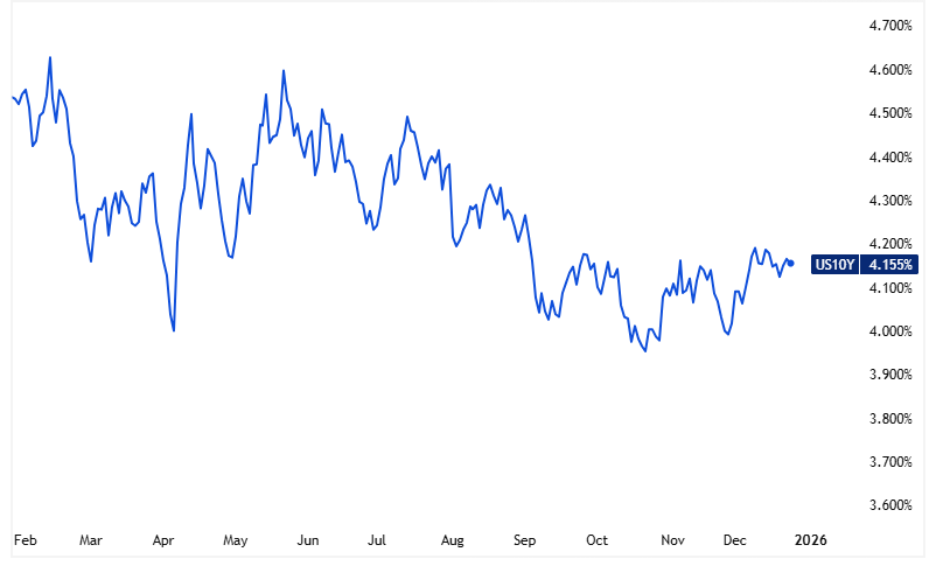
The US 10-year Treasury yield is the most influential interest rate in the world, serving as the primary benchmark for mortgage rates, corporate borrowing, and global investment valuations. It represents the annual return the US government pays investors to borrow their money for a decade, reflecting the market's collective expectations for long-term economic growth, inflation, and Federal Reserve policy.
The Significance of the 10-Year Treasury Yield in 2026
As we navigate the economic landscape of 2026, the US 10-year Treasury yield remains the "North Star" for global capital markets. Unlike short-term rates, which are heavily dictated by the Federal Reserve’s immediate policy decisions, the 10-year yield is determined by the open market. It is a synthesis of millions of individual trades that weigh the risks of the future against the stability of the present.
Understanding the 10-year yield is essential because it dictates the cost of capital. When this yield rises, it becomes more expensive for a family to buy a home, for a business to build a new factory, and for the government to service its debt. Conversely, when it falls, it often signals a cooling economy or a "flight to safety" as investors seek the perceived security of US government debt during times of geopolitical or financial volatility.
1. The Benchmark for Consumer and Corporate Credit
The first and most direct insight into the 10-year yield is its role as the foundation for almost all other long-term interest rates. While the Federal Funds Rate influences credit cards and auto loans, the 10-year Treasury note is the specific engine behind the 30-year fixed-rate mortgage.
Lenders typically price mortgages at a "spread" above the 10-year yield. Historically, this spread has hovered around 150 to 300 basis points. For example, if the 10-year yield is at 4.0%, mortgage rates might settle between 5.5% and 7.0%, depending on market volatility and bank competition. In 2026, we continue to see that fluctuations in the Treasury market lead to immediate adjustments in housing affordability.
Corporate finance also relies on this benchmark. When a Fortune 500 company issues a 10-year bond to fund expansion, the interest rate they pay is calculated as the 10-year Treasury yield plus a risk premium based on the company's credit rating. If the "risk-free rate" (the Treasury yield) moves higher, the cost of doing business increases across the entire private sector, potentially slowing down capital expenditure and hiring.
2. A Barometer for Inflation Expectations and Real Yields
The nominal yield on a 10-year bond consists of two main components: the expected inflation rate and the "real yield." This makes the bond a sensitive instrument for measuring whether the market believes the Federal Reserve is successfully managing price stability.
In 2026, investors focus heavily on the "breakeven inflation rate," which is the difference between the nominal 10-year Treasury yield and the yield on 10-year Treasury Inflation-Protected Securities (TIPS).
- If the nominal yield is rising while the real yield stays flat, it suggests the market is pricing in higher future inflation.
- If the real yield is rising, it suggests that the economy is genuinely growing or that liquidity is tightening, making capital more valuable in real terms.
The relationship between these figures provides a clear view of the "neutral rate"—the interest rate that neither stimulates nor restricts the economy. By analyzing the 10-year yield, economists can determine if current financial conditions are "tight" or "loose" relative to historical norms, providing a predictive look at the next 12 to 24 months of economic activity.
3. The Yield Curve and Recessionary Signals
One of the most discussed insights regarding the 10-year Treasury is its relationship with shorter-dated debt, specifically the 2-year Treasury note. This relationship is known as the yield curve. Under normal circumstances, the 10-year yield should be higher than the 2-year yield because investors demand more compensation for locking their money away for a longer period.
However, when the 10-year yield drops below the 2-year yield, the curve is "inverted." Historically, an inverted yield curve has been one of the most reliable predictors of an upcoming recession. It signals that investors believe interest rates will need to be lower in the future to combat an economic slowdown.
In the 2026 context, market participants monitor the "re-steepening" of the curve. After the prolonged inversions seen in the mid-2020s, a return to a positive slope—where the 10-year yield is significantly higher than the 2-year—often indicates a transition into a more sustainable, long-term growth phase. Understanding this dynamic helps investors shift their portfolios between defensive assets (like cash and short-term bonds) and growth assets (like stocks and real estate).
| Metric | Typical Range | 2026 Contextual Significance |
|---|---|---|
| Nominal 10-Year Yield | 3.5% - 5.0% | Reflects baseline cost of global capital. |
| 2-Year/10-Year Spread | +50 to +150 bps | Positive spread indicates economic expansion. |
| Real Yield (TIPS) | 0.5% - 2.5% | Measures true return after adjusting for inflation. |
| Mortgage Spread | 150 - 300 bps | Determines the premium consumers pay for housing loans. |
| Term Premium | -0.5% to +1.0% | The extra compensation for holding long-term risk. |
4. The "Safe Haven" Effect and Global Liquidity
The US 10-year Treasury is considered the world's most liquid "risk-free" asset. Because it is backed by the full faith and credit of the US government, which has the power to tax the world's largest economy and print the world's reserve currency, it serves as a global sanctuary during crises.
When geopolitical tensions rise or global stock markets crash, there is a "flight to quality." Investors sell risky assets and buy 10-year Treasuries. Because bond prices and yields move in opposite directions, this surge in demand causes the 10-year yield to plummet.
Furthermore, the 10-year yield is a magnet for foreign capital. Central banks in Japan, China, and the Eurozone hold trillions of dollars in US Treasuries as part of their foreign exchange reserves. If the US 10-year yield is significantly higher than the yields on German Bunds or Japanese Government Bonds (JGBs), it attracts global investors, strengthening the US dollar. In 2026, the interaction between US yields and international demand remains a critical factor in determining the strength of the dollar and the cost of imported goods.
5. Valuation Modeling and the "Equity Risk Premium"
For stock market investors, the 10-year yield is the most important variable in valuation models, such as the Discounted Cash Flow (DCF) analysis. The yield represents the "denominator" in these equations. When the 10-year yield increases, the present value of future earnings decreases.
This disproportionately affects high-growth sectors, such as technology and biotechnology. These companies often have little current profit but expect large earnings in the distant future. When the 10-year yield rises:
- The Discount Rate Increases: Future dollars become less valuable today, leading to lower stock prices for growth companies.
- The Equity Risk Premium Shrinks: If an investor can get a guaranteed 4.5% return from a 10-year Treasury, they are less likely to take a risk on a volatile stock that only offers a projected 7% return.
Consequently, a sharp rise in the 10-year yield often leads to a rotation in the stock market. Investors move away from "Growth" stocks and toward "Value" stocks (like utilities or consumer staples) that pay dividends and have more immediate cash flows. By 2026, the maturity of AI-driven industries has made them even more sensitive to these yield fluctuations, as their multi-year infrastructure investments are highly dependent on the cost of long-term debt.
Practical Management of Yield Fluctuations
For the average individual or business owner in 2026, tracking the 10-year yield is not just an academic exercise; it is a financial necessity. When the yield is trending upward, it is often a signal to lock in fixed-rate debt, such as refinancing a mortgage or securing a long-term business loan, before rates climb further. Conversely, a falling yield may suggest a looming economic slowdown, signaling that it may be time to increase cash reserves or move toward more defensive investment allocations.
It is also important to distinguish between "good" yield increases and "bad" yield increases. A yield increase driven by robust economic growth and productivity gains is generally healthy for the stock market. However, a yield increase driven solely by rising inflation or concerns over government deficit spending can be destructive, as it forces the Federal Reserve to maintain high interest rates even as the economy slows down.
For more detailed historical data and live updates on Treasury rates, investors should consult official sources like the US Department of the Treasury or the Federal Reserve Bank of St. Louis (FRED).
Frequently Asked Questions
Why do bond prices fall when the 10-year yield rises?
This is an inverse relationship based on the fixed coupon rate of the bond. If you hold a bond paying 3% and the market yield rises to 4%, your 3% bond is less attractive to new buyers. To sell it, you must lower the price until its effective return matches the new 4% market rate. Therefore, when yields go up, the market value of existing bonds goes down.
How does the 10-year yield affect my savings account?
While the 10-year yield doesn't directly set savings account rates (which are closer to the short-term Federal Funds Rate), it influences the overall interest rate environment. When the 10-year yield is high, banks often eventually raise rates on long-term Certificates of Deposit (CDs) and high-yield savings accounts to remain competitive for consumer deposits.
What is a "Term Premium"?
The term premium is the extra return that investors require to hold a long-term bond instead of rolling over a series of short-term bonds. It compensates investors for the risk that interest rates might change unexpectedly over the ten-year period. Factors such as government deficit levels and Quantitative Tightening (QT) programs by the Federal Reserve typically influence the term premium.
Can the 10-year yield be negative?
While nominal US Treasury yields have never been negative, "real" yields (after adjusting for inflation) can be and have been negative. Furthermore, in some international markets like Europe and Japan during the early 2020s, nominal yields did occasionally dip below zero. However, in the current 2026 environment, US nominal yields have remained positive due to persistent growth and inflation targets.
How often does the 10-year yield change?
The yield changes every second that the bond market is open. Unlike the Federal Funds Rate, which is set by a committee (the FOMC) every six weeks, the 10-year yield is "market-driven" and reacts instantly to news about employment, inflation, manufacturing, and geopolitical events.
Recommendation for 2026 Investors
As we progress through 2026, the most effective strategy for managing 10-year yield risk is duration diversification. Avoid concentrating all fixed-income investments in long-term bonds, which are highly sensitive to yield spikes. Instead, utilize a "laddered" approach—holding bonds that mature at different intervals—to ensure you have liquidity to reinvest if yields continue to rise, while still capturing the higher yields offered by the 10-year benchmark.