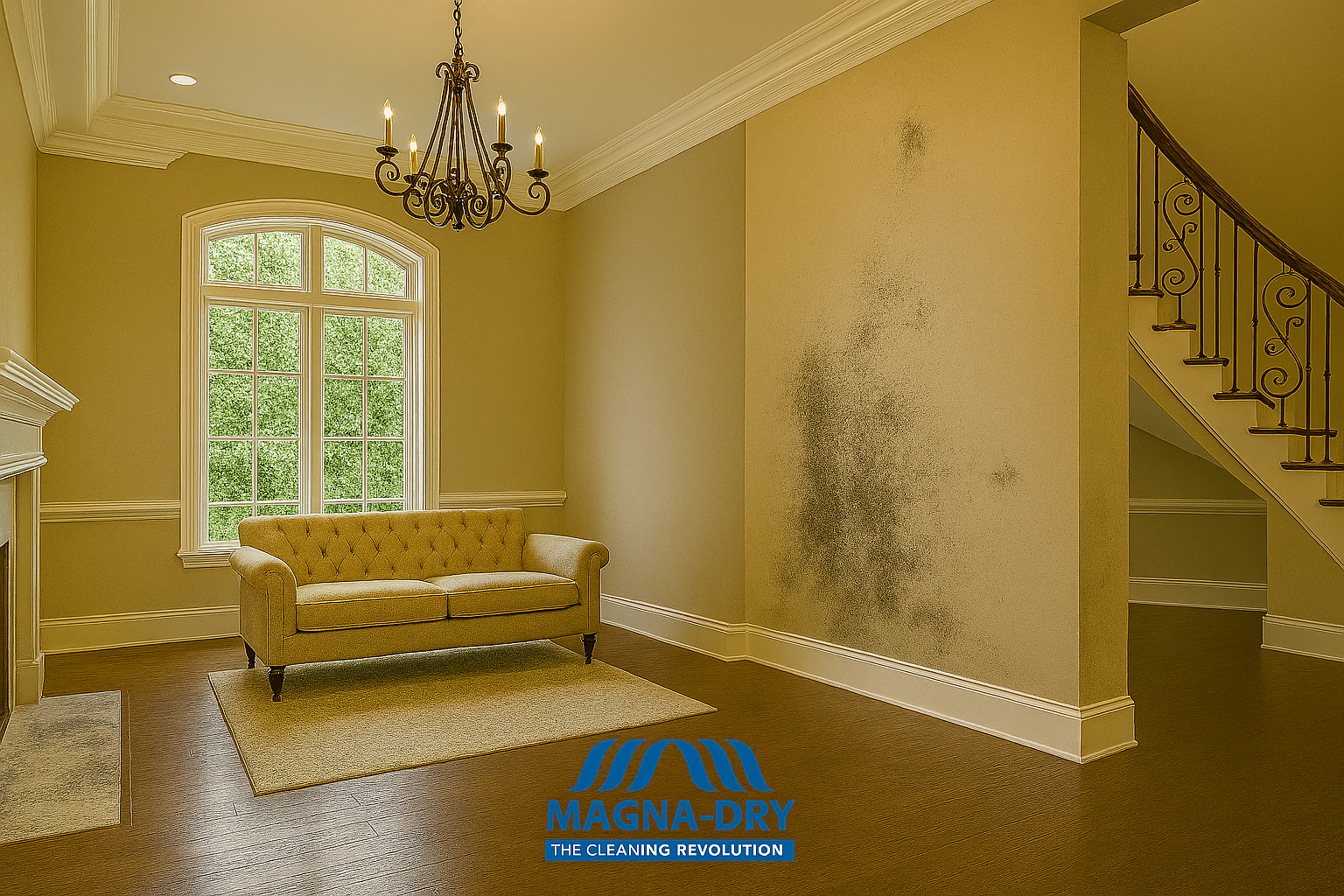
Indoor air quality depends heavily on preventing and eliminating hidden fungal growth that can release spores and mycotoxins into living spaces. Choosing a professional mold remediation service requires evaluating their containment procedures, air filtration protocols, independent verification testing, and technician certifications. This guide examines top remediation providers and frameworks to help homeowners restore a healthy indoor environment.
When moisture breaches a building envelope—whether through plumbing leaks, roof failures, or high relative humidity—indoor fungal colonies can establish themselves within 24 to 48 hours. Beyond visible staining or musty odors, mold proliferation significantly degrades indoor air quality (IAQ), potentially triggering allergic reactions, asthma exacerbations, and other respiratory sensitivities. Addressing this challenge requires more than simple surface cleaning; it demands structural drying, negative air containment, High-Efficiency Particulate Air (HEPA) filtration, and third-party clearance testing to verify that air and surface spore counts have returned to normal baseline levels.
Understanding Indoor Air Quality and Mold Contamination
Indoor air quality refers to the condition of the air within and around buildings and structures, especially as it relates to the health and comfort of building occupants. Fungal contamination is one of the most common threats to IAQ. Molds reproduce by forming microscopic spores that float through the indoor and outdoor air. When these spores land on damp surfaces indoors, they begin to digest organic materials such as drywall, wood framing, insulation, and carpet backing.
The primary danger to IAQ is not merely the aesthetic damage caused by mold, but the aerosolization of spores, fragments, and microbial volatile organic compounds (mVOCs). Inhaling these particles can cause chronic respiratory irritation, nasal congestion, coughing, and throat irritation. For individuals with compromised immune systems or chronic conditions like asthma, exposure to high concentrations of indoor mold can lead to severe health complications. Consequently, effective remediation focuses intensely on source removal and air purification rather than masking symptoms with chemical sprays or ozone generators.
Key Criteria for Evaluating Mold Remediation Services
Selecting a professional mold remediation company involves scrutinizing operational standards, safety protocols, and industry credentials. Homeowners should look beyond generic cleaning contractors and partner with specialists who adhere to established scientific and building science guidelines.
Industry Certifications and Standards
The gold standard for mold remediation is adherence to the Institute of Inspection Cleaning and Restoration Certification (IICRC) S520 Standard for Professional Mold Remediation. Companies employing technicians certified as Applied Microbial Remediation Technicians (AMRT) demonstrate specialized knowledge in containment construction, contamination control, and structural drying. Additionally, technicians holding certifications from the American Council for Accredited Certification (ACAC), such as Microbial Remediation Supervisor (MRS), provide a high level of technical competence.
The Remediation Process: Containment to Clearance
A comprehensive mold remediation service follows a strict, sequential protocol designed to prevent cross-contamination of unaffected areas within a home:
- Assessment and Protocol Generation: Identifying the moisture source and extent of contamination, often guided by an independent indoor environmental professional (IEP).
- Containment: Erecting physical barriers using heavy-duty polyethylene sheeting and establishing negative air pressure with HEPA-filtered air scrubbers to trap airborne spores.
- Removal and Cleaning: Discarding porous materials that cannot be salvaged and thoroughly cleaning semi-porous and non-porous surfaces using HEPA vacuums and EPA-registered antimicrobial solutions.
- HEPA Air Scrubbing: Continuously filtering indoor air throughout the remediation process to capture suspended spores.
- Clearance Testing: Conducting post-remediation verification (PRV) by an independent third party to ensure air and surface spore levels meet acceptable criteria before containment barriers are removed.
Top 5 National Mold Remediation Service Providers
While local independent contractors can offer exceptional service, national franchise networks provide standardized training, consistent warranties, and widespread availability. Below are five prominent national providers recognized for structural mold remediation and indoor air quality restoration.
1. Servpro
Servpro is one of the most widely recognized property damage restoration franchises in North America, with thousands of independently owned and operated franchises. Their technicians undergo rigorous training through corporate programs and IICRC certifications.
- Strengths: 24/7 emergency response availability, massive national footprint, comprehensive water damage mitigation (preventing mold before it starts), and standardized reporting protocols.
- Considerations: Because franchises are independently owned, specific service quality and customer satisfaction can vary by location.
2. Paul Davis Restoration
Paul Davis Restoration handles comprehensive emergency restoration services, including severe mold infestations and structural repairs. They emphasize a scientific approach to drying and microbial remediation, utilizing advanced thermal imaging and moisture meters to track hidden water intrusion.
- Strengths: Strong focus on structural reconstruction alongside remediation, high-level technician training, and detailed documentation for insurance claim management.
- Considerations: Primarily focused on large-scale property damage, which may make them less tailored for minor, isolated surface mold issues.
3. ServiceMaster Restore
ServiceMaster Restore provides extensive disaster restoration services across the United States and Canada. Their mold remediation protocols focus heavily on isolating the affected area, removing contaminated materials safely, and treating remaining structural components to prevent recurrence.
- Strengths: Long-standing industry reputation, robust national infrastructure, and adherence to strict environmental health and safety guidelines.
- Considerations: Service availability depends heavily on local franchise density, and wait times can fluctuate during regional weather emergencies.
4. BELFOR Property Restoration
BELFOR is a global disaster recovery and property restoration leader that handles complex, large-scale commercial and residential remediation projects. They possess advanced engineering and technical capabilities for heavy contamination scenarios involving HVAC systems and structural cavities.
- Strengths: Exceptional technical capability for severe industrial and residential infestations, comprehensive project management, and advanced air scrubbing technology.
- Considerations: Geared toward larger, high-cost mitigation projects rather than minor household mold remediation.
5. PuroClean
PuroClean specializes in property damage restoration, water mitigation, and mold remediation through a network of certified local franchise owners. They emphasize a customer-centric approach, utilizing state-of-the-art drying equipment and rapid response times to mitigate indoor air quality risks quickly.
- Strengths: Rapid emergency dispatch, certified technicians following IICRC S520 guidelines, and transparent communication throughout the restoration cycle.
- Considerations: Franchise network size is smaller than some legacy competitors, which can limit availability in rural areas.
Comparison of Mold Remediation Providers
| Service Provider | Primary Service Scope | IICRC / Industry Alignment | Best Suited For | Geographic Coverage |
|---|---|---|---|---|
| Servpro | Water, fire, and mold restoration | High (Standardized corporate training) | Comprehensive residential & light commercial remediation | National (US & Canada) |
| Paul Davis Restoration | Emergency restoration & reconstruction | High (Certified technicians) | Projects requiring both remediation and structural rebuilding | National (US & Canada) |
| ServiceMaster Restore | Disaster restoration & cleaning | High (Strict health & safety guidelines) | Standard residential mold removal and cleanup | National (US & Canada) |
| BELFOR | Large-loss and complex restoration | Advanced (Specialized industrial capability) | Severe contamination, HVAC remediation, and major losses | International / National |
| PuroClean | Property mitigation & remediation | High (Certified moisture & mold experts) | Rapid response water damage and localized mold containment | National (US & Canada) |
The Critical Role of Independent Testing
A common conflict of interest in the mold remediation industry occurs when a single company performs both the initial testing and the physical cleanup. To ensure unbiased results and protect indoor air quality, homeowners should hire an independent Indoor Environmental Professional (IEP) or industrial hygienist to conduct pre-remediation testing and post-remediation verification (PRV).
Independent testing provides a scientific baseline of indoor spore concentrations compared to outdoor control samples. Once remediation is complete, the IEP performs clearance testing. If spore counts inside the containment zone remain elevated, the remediation contractor must re-clean the area until it passes verification. Relying on visual inspection alone is insufficient, as microscopic spores and fine particulate matter can remain suspended in the air or embedded in HVAC ductwork even after visible mold is removed.
Common Mistakes to Avoid During Mold Remediation
Navigating a mold infestation requires strict adherence to building science principles. Homeowners frequently make costly errors that worsen indoor air quality or cause the mold to spread:
- Using Bleach on Porous Materials: Chlorine bleach is ineffective on porous surfaces like drywall, wood, and concrete. The water content in bleach sinks into the material, feeding the roots of the mold while only bleaching the surface pigment.
- Skipping Containment: Attempting to scrub or demolish moldy drywall without physical barriers and negative air pressure will aerosolize millions of spores, contaminating previously clean rooms in the home.
- Ignoring the Root Cause: Simply removing mold without identifying and correcting the underlying moisture source (such as a leaking pipe, uninsulated ductwork, or faulty flashing) guarantees that the infestation will return.
- Failing to Clean HVAC Systems: If mold grows near return vents or inside ductwork, the central heating and cooling system will continuously circulate spores throughout the living space.
Frequently Asked Questions
How do I know if my indoor air quality is compromised by mold?
Common indicators include a persistent musty or earthy odor, visible discoloration on walls or ceilings, peeling wallpaper, and unexplained physical symptoms such as chronic sneezing, coughing, or sinus congestion that improve when you leave the building. Professional air sampling by an independent hygienist provides definitive data.
Should I hire a mold remediator or a general contractor?
You should hire a specialized mold remediation service certified by organizations like the IICRC or ACAC. General contractors often lack specialized training in containment protocols, HEPA filtration, and cross-contamination prevention, which can worsen indoor air quality during demolition.
What is the difference between mold remediation and mold removal?
Complete mold removal is technically impossible because mold spores exist naturally everywhere in the outdoor and indoor environment. Mold remediation focuses on controlling moisture, physically removing active colonies, cleaning contaminated surfaces, and reducing spore counts to normal baseline levels.
How much does professional mold remediation cost?
Costs vary widely depending on the extent of the contamination, accessibility of the affected areas, and labor rates in your region. Minor localized remediation may cost several hundred dollars, while extensive structural remediation involving containment, selective demolition, and HVAC cleaning can range from several thousand dollars upward.
Can I stay in my home during mold remediation?
For small, isolated containment zones, staying in the home is often safe, provided containment barriers remain sealed. For large-scale infestations, particularly those affecting the main HVAC system or living areas, remediation professionals or independent IEPs may recommend temporary relocation until clearance testing confirms the air is safe.
Next Steps and Action Plan
If you suspect mold is compromising your indoor air quality, take immediate action to protect your home and health. Start by identifying and stopping any active water leaks. Next, hire an independent Indoor Environmental Professional to assess the severity of the contamination and draft a remediation protocol. Finally, select a certified remediation service from the options above that utilizes strict containment and independent post-remediation verification testing to restore a clean, healthy living environment.