Electric vehicle owners face unique underwriting challenges, higher repair costs, and specialized tech requirements that traditional policies often miss. The top five auto insurance options for EVs balance specialized coverage tiers like battery protection and wall charger coverage with competitive rates, robust roadside assistance for depleted packs, and telematics discounts that account for modern driving habits.
Choosing the right auto insurance policy for an electric vehicle (EV) requires a nuanced understanding of how modern alternative-fuel automobiles differ from traditional internal combustion engine (ICE) vehicles. Insuring an EV is not merely a matter of transferring standard policy parameters to a battery-powered car; it involves underwriting models that account for specialized hardware, higher upfront replacement valuations, integrated software ecosystems, and proprietary repair networks. Because modern EVs often feature expansive structural battery packs, aluminum-intensive body frames, and complex sensor suites for advanced driver-assistance systems (ADAS), minor collisions frequently trigger substantial repair bills. Consequently, mainstream carriers have adapted by developing dedicated EV insurance endorsements or partnering with specialized underwriters to protect these assets comprehensively.
For vehicle owners navigating the modern insurance marketplace, identifying the best coverage means looking beyond standard liability limits and examining how carriers handle specialized risks. This comprehensive guide evaluates the top five auto insurance options for electric vehicles, detailing their standout features, policy limitations, and structural benefits to help drivers make an informed decision that safeguards both their vehicle and their financial well-being.
Understanding EV Insurance Dynamics and Unique Risk Factors
Insuring an electric vehicle involves assessing risk metrics that differ significantly from those associated with gasoline-powered automobiles. While EVs generally boast lower frequency claims due to advanced safety features and lower center-of-gravity engineering that reduces rollover risks, their severity claims—the actual cost to repair or replace parts after an accident—are notably higher.
High Repair Costs and Structural Battery Packs
The single most influential factor in EV insurance pricing is the battery pack. A traditional car accident might require body panel replacement and frame alignment, but an EV collision can compromise the high-voltage lithium-ion battery housing. Because battery packs are frequently integrated directly into the vehicle's skateboard platform as a structural component, even moderate impacts can necessitate an entire battery replacement. Furthermore, manufacturers often restrict who can open, diagnose, or repair these packs, requiring certified technicians at specialized service centers. Insurance companies price these potential catastrophic component replacement costs directly into their comprehensive and collision premiums.
Specialized Maintenance and Specialized Labor
Repairing an electric car demands specialized infrastructure. Traditional auto body shops often lack the high-voltage power supplies, insulated hand tools, quarantine bays for damaged batteries, and specialized diagnostic software required to service modern EVs. Transporting an immobilized EV to a certified collision center adds towing and logistics fees to the claim. Additionally, labor rates for EV-certified technicians are higher than average, driving up the labor line items on repair estimates.
Advanced Technology and Calibration Expenses
Most contemporary EVs rely heavily on camera arrays, lidar, radar, and ultrasonic sensors to support semi-autonomous driving features and active safety systems. When a bumper, fender, or windshield is replaced, these sensors must be meticulously recalibrated. This calibration process requires precise optical targets, level shop floors, and hours of diagnostic testing. Insurers factor these mandatory, high-tech calibration costs into their comprehensive and collision coverage calculations.
Key Coverage Features to Look For in an EV Policy
When evaluating insurance options for an electric vehicle, standard policy limits are insufficient. EV owners should look for specific endorsements and policy provisions tailored to the unique vulnerabilities of electric and hybrid technology.
| Coverage Feature | Description | Why It Matters for EV Owners |
|---|---|---|
| Battery Protection & Lease Coverage | Covers physical damage, degradation beyond normal wear, or total loss of the high-voltage battery pack. | Battery packs are the most expensive component of an EV; standard policies may depreciate them unfairly or exclude standalone damage. |
| Home Charging Station Coverage | Protects Level 2 home charging equipment (Wallbox) against theft, vandalism, storm damage, or power surges. | Level 2 home chargers represent a significant secondary investment ($500 to $2,000+ installed) that home insurance may not fully cover. |
| EV-Specific Roadside Assistance | Provides flatbed towing specifically to a certified charging station or specialized repair facility rather than a generic gas station. | Towing an EV with standard wheel-lift trucks can ruin the drivetrain; flatbed transport to a charging hub prevents secondary damage. |
| OEM Parts Replacement | Guarantees that repair shops use Original Equipment Manufacturer parts rather than aftermarket alternatives. | Preserves structural integrity, vehicle warranty terms, and ADAS sensor calibration accuracy. |
| Telematics & Safe Driving Discounts | Monitors driving habits via mobile apps or plug-in devices to offer customized premium discounts. | Rewards low mileage and smooth acceleration, helping offset traditionally higher EV base rates. |
The 5 Best Auto Insurance Options for EV Cars
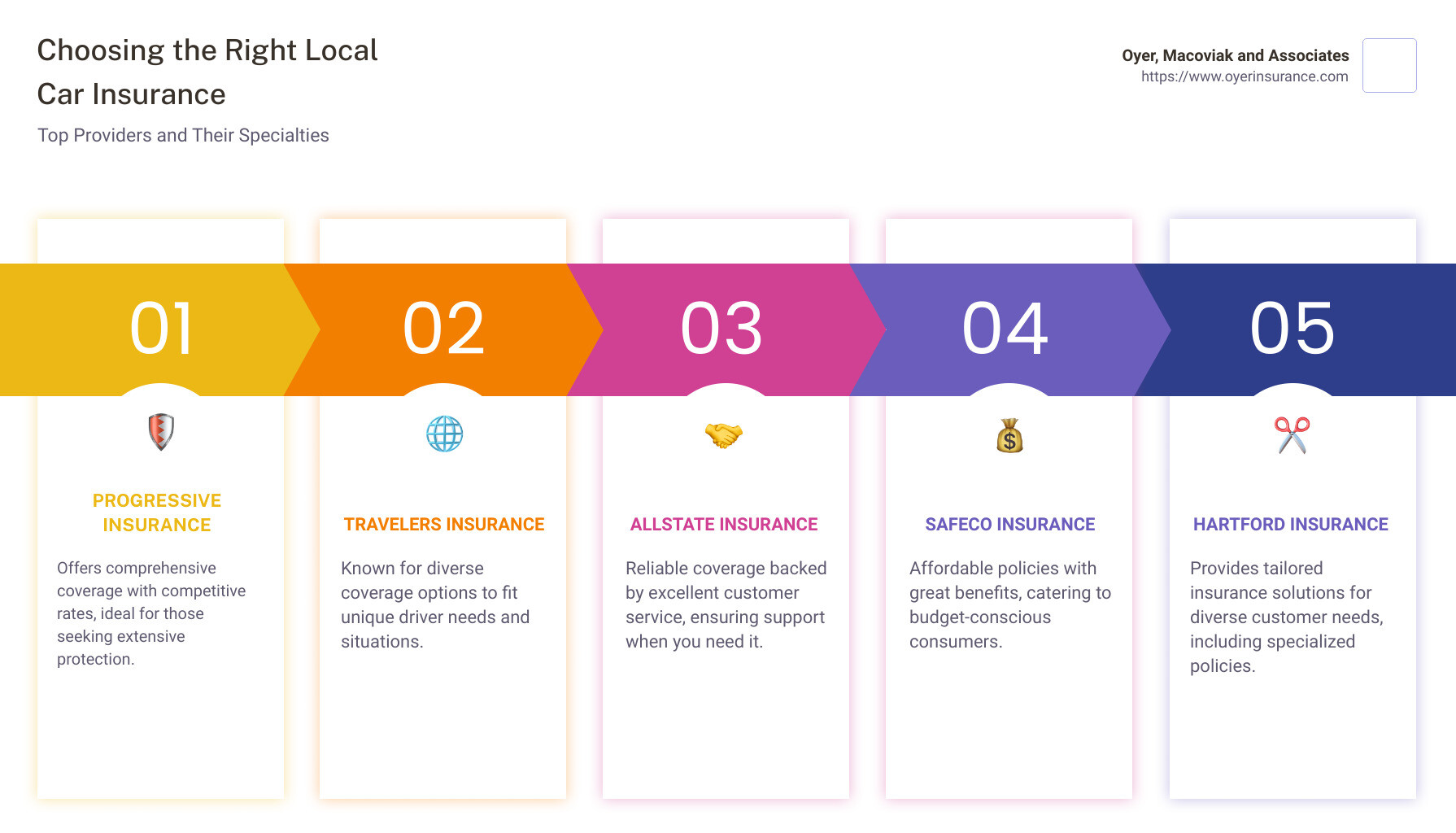
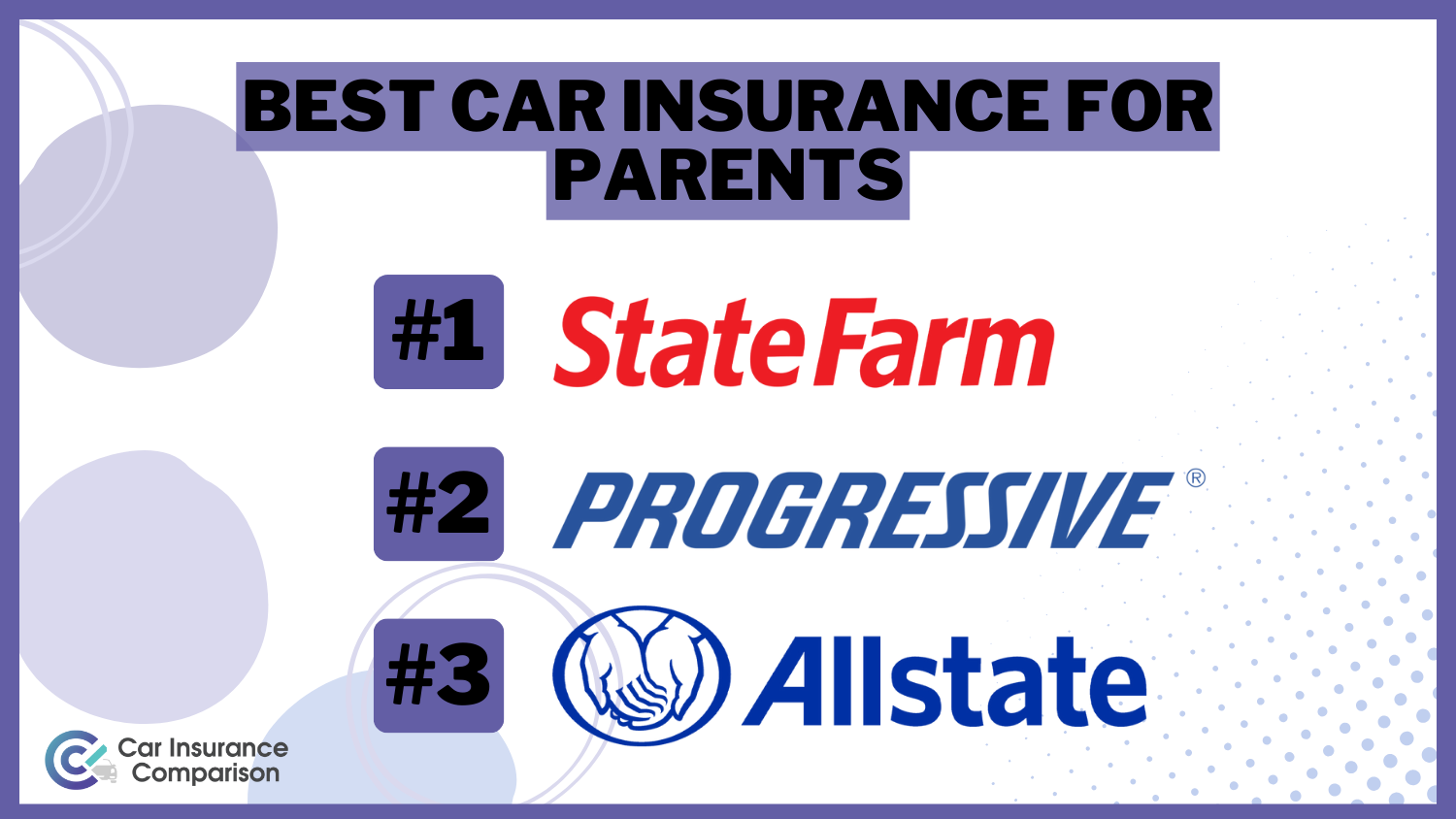
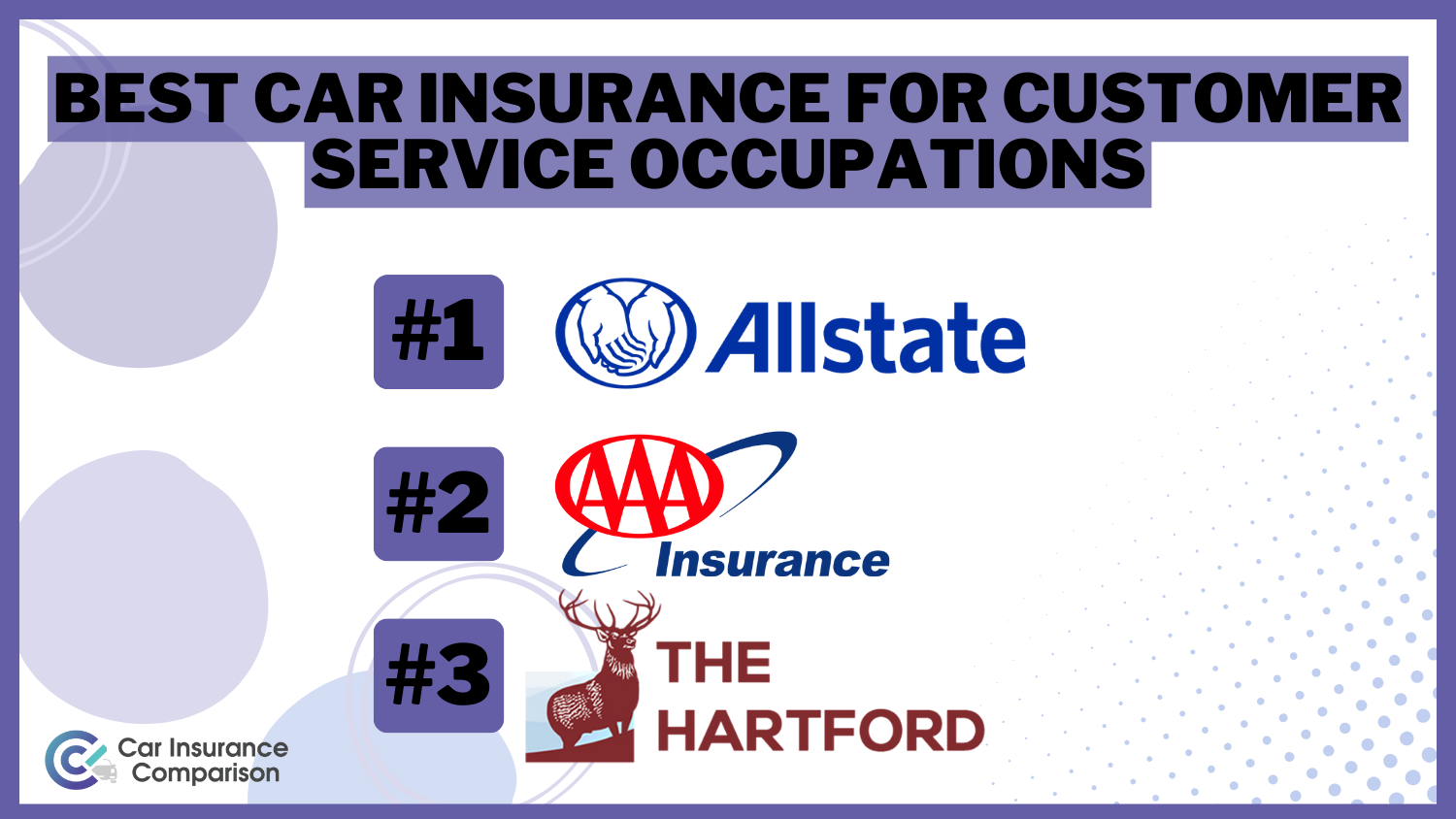
The following insurance providers have established themselves as industry leaders in catering to electric vehicle owners through specialized coverage tiers, competitive underwriting, and robust support networks.
1. Progressive: Best for Comprehensive Customization and Telediagnostics
Progressive stands out as a premier choice for EV owners due to its highly flexible policy customization options and the widespread adoption of its Snapshot program. Progressive recognizes that EV drivers often exhibit different driving patterns compared to traditional commuters, frequently logging fewer miles or utilizing regenerative braking that alters deceleration profiles.
- EV-Specific Highlights: Progressive offers customizable coverage limits that easily adapt to high-value replacement parts like panoramic glass roofs and proprietary battery assemblies. Their roadside assistance package is explicitly calibrated for alternative-fuel vehicles, ensuring flatbed dispatch upon request.
- Pros: Highly competitive telematics discounts through Snapshot; robust digital tools for managing policy changes; extensive network of approved repair facilities experienced in handling electric drivetrains.
- Cons: Rates can fluctuate significantly based on geographic location and urban density; telematics monitoring can penalize drivers who frequently navigate heavy, stop-and-go city traffic.
2. GEICO: Best for Affordability and Extensive Digital Management
GEICO provides a compelling balance of cost-effective premiums and seamless digital accessibility, making it an attractive option for tech-savvy EV adopters who prefer managing claims and policy adjustments entirely through a mobile application.
- EV-Specific Highlights: GEICO partners with a broad network of mechanical and collision repair shops certified to handle high-voltage systems. They also provide competitive bundling options for drivers who want to insure both their EV and their residential home charging infrastructure.
- Pros: Consistently competitive baseline pricing across most major domestic and foreign EV models; highly-rated mobile app for real-time claims tracking and digital ID cards; strong financial stability ratings.
- Cons: Less explicit standalone EV endorsements compared to boutique specialty carriers; customer service experiences can vary significantly when handling complex, multi-party total loss claims.
3. State Farm: Best for Personalized Agent Support and Localized Service
For owners who prefer a traditional, relationship-driven insurance experience, State Farm offers an unmatched network of localized agents who understand regional regulatory environments and specific state-level EV incentives.
- EV-Specific Highlights: State Farm provides comprehensive umbrella policies and specialized endorsements that cover auxiliary equipment such as portable charging cords and professionally installed residential wall units. Their claims adjusters receive targeted training regarding structural battery assessments.
- Pros: Exceptional customer satisfaction scores for claim handling; personalized guidance from dedicated local agents; attractive multi-line discounts for combining home, auto, and life policies.
- Cons: Baseline rates can be higher than direct-to-consumer digital insurers; technology adoption in policy management can feel less streamlined compared to app-first competitors.
4. Allstate: Best for Safe Driving Rewards and New Car Replacement
Allstate appeals to owners of brand-new, high-end electric vehicles through robust rewards programs and comprehensive new car replacement guarantees that protect drivers from immediate depreciation shocks.
- EV-Specific Highlights: Allstate’s Milewise program (pay-per-mile insurance) is exceptionally advantageous for EV owners who work from home or use their vehicles primarily for local errands, significantly lowering fixed monthly costs. Their new car replacement endorsement ensures that if a brand-new EV is totaled within its first model year or specified mileage threshold, the payout reflects the current market cost of a brand-new equivalent vehicle.
- Pros: Innovative pay-per-mile options ideal for low-mileage EV commuters; generous safe-driving bonuses; comprehensive coverage add-ons for personal property left inside the vehicle.
- Cons: Pay-per-mile programs can become expensive for road-trippers or long-distance commuters; base premiums without discount optimization can lean toward the higher side.
5. Travelers: Best for Specialized Endorsements and Gap Coverage
Travelers closes the gap between standard auto policies and the unique financial exposures associated with luxury and mid-tier electric vehicles through specialized add-ons and robust gap insurance options.
- EV-Specific Highlights: Travelers excels in providing specialized coverage for custom electronics, charging accessories, and leased battery packs—a critical feature for certain foreign EV ownership structures. Their Premier Responsible Driver Plan offers accident forgiveness and vanishing deductibles for qualifying policyholders.
- Pros: Comprehensive add-on menu addressing unique EV hardware vulnerabilities; strong gap insurance integration for financed or leased electric cars; reliable claims resolution timelines.
- Cons: Strict underwriting criteria can result in higher quotes for drivers with less-than-perfect driving records; fewer physical branch locations for in-person consultations.
Strategies to Lower Your EV Insurance Premium
Because insuring an electric vehicle can carry a cost premium compared to its internal combustion counterparts, employing strategic cost-reduction tactics is essential for maintaining affordable ownership overhead.
1. Leverage Telematics and Behavior-Based Programs
Many insurers offer immediate signup discounts just for enrolling in a telematics tracking program, followed by ongoing renewal discounts based on your actual driving habits. If you practice smooth acceleration, obey speed limits, and avoid driving during late-night risk windows, these programs can shave up to 30% or more off your comprehensive and collision premiums.
2. Maximize Multi-Policy and Bundling Discounts
Insurance carriers reward customer loyalty and consolidation. Bundling your auto insurance policy with homeowners, renters, or umbrella insurance typically triggers substantial multi-line discounts across all active policies. If you have installed a home Level 2 charger, ensuring your homeowners policy adequately covers the hardware while bundling the auto policy with the same carrier minimizes coverage gaps and lowers overall expenditure.
3. Adjust Deductibles Strategically
Evaluate your financial risk tolerance by adjusting your comprehensive and collision deductibles. Raising your deductible from $500 to $1,000 can significantly reduce your annual premium. However, ensure you maintain an emergency savings fund equal to your deductible amount, given that minor bumps and scrapes on an EV can easily exceed a $500 threshold due to sensor recalibration expenses.
4. Maintain and Highlight Advanced Safety Features
Ensure your insurance agent has cataloged every standard and optional safety feature equipped on your EV. Advanced driver-assistance systems, automatic emergency braking, lane-keeping assist, and factory-installed anti-theft tracking devices actively reduce underwriting risk and frequently qualify the vehicle for specific safety-equipment discounts.
Frequently Asked Questions About EV Auto Insurance
Why is EV insurance generally more expensive than gas car insurance?
EV insurance typically costs more due to higher average repair severity. Complex lithium-ion battery packs, specialized aluminum body structures, proprietary parts, and labor-intensive ADAS sensor recalibrations drive up claim costs for insurance providers, who adjust baseline premiums accordingly.
Does standard auto insurance cover my home EV charging station?
Standard auto insurance policies usually do not cover permanently installed residential wall chargers. These charging units are typically considered permanent home fixtures and must be covered under your homeowners insurance policy, though some auto insurers offer specialized endorsements for portable charging cords and equipment.
What happens to my insurance if my EV battery degrades or fails?
Normal battery degradation is considered mechanical wear and tear and is excluded from standard auto insurance policies, falling instead under the manufacturer’s high-voltage battery warranty (typically 8 years or 100,000 miles). Insurance steps in only if the battery is physically damaged or destroyed due to a covered peril like a collision, fire, or vandalism.
Are there special towing requirements I need to tell my insurer about?
Yes. Electric vehicles cannot be towed with traditional wheel-lift methods if the drive wheels are on the ground, as this can induce electrical currents and ruin the drivetrain. You should verify that your insurance roadside assistance program explicitly provides flatbed towing to avoid secondary mechanical damage during a breakdown.
Can I use pay-per-mile insurance if I drive an EV?
Pay-per-mile insurance programs, such as Allstate’s Milewise or Metromile (where available), are exceptionally well-suited for EV owners who log low annual mileage, as they decouple your baseline cost from fixed assumptions and charge you based on exact miles driven each month.
Conclusion and Next Actions
Insuring an electric vehicle requires looking beyond standard pricing tables and focusing on policy depth, specialized repair networks, and tailored endorsements that protect high-value components like battery packs and home charging hardware. To secure the best option for your situation, collect quotes from multiple carriers featured in this guide, verify that their roadside assistance includes flatbed transport, and inquire about telematics and bundling discounts. Evaluating your policy annually ensures your coverage keeps pace with evolving vehicle valuations and changing driving habits.