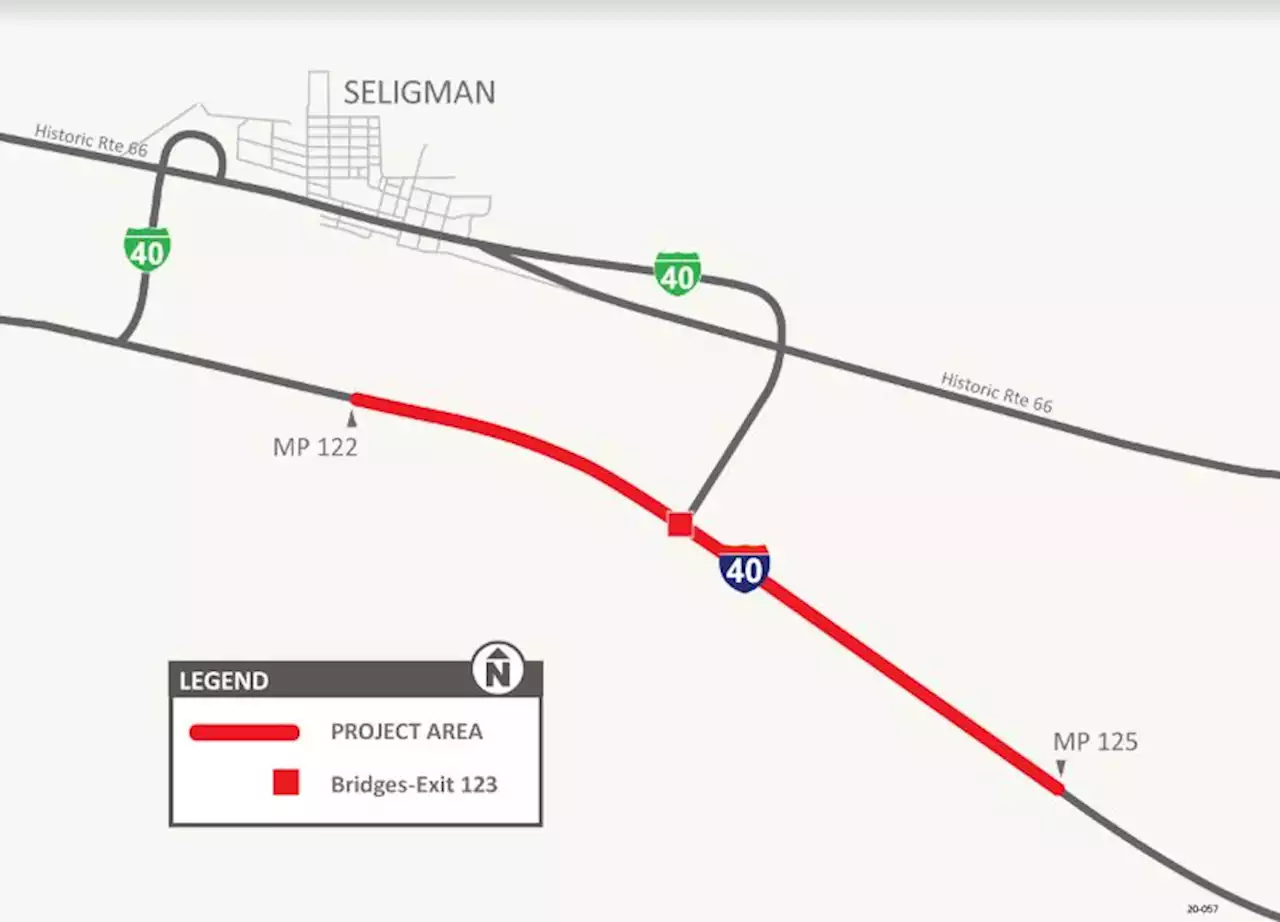
I-40 East in Asheville is currently undergoing essential bridge rehabilitation, specifically targeting structures over the French Broad River and Hominy Creek near the I-26 interchange. These 2026 projects involve deck preservation and joint repairs, necessitating periodic weekend-long lane closures and strategic detours via I-240 or I-26. Motorists should anticipate significant delays and utilize real-time tracking tools for route adjustments.
Overview of the 2026 I-40 Bridge Rehabilitation Program
The bridge work currently impacting I-40 East in Asheville is part of a broader, multi-year infrastructure initiative led by the North Carolina Department of Transportation (NCDOT). As we progress through 2026, the focus has shifted toward extending the service life of aging structures that serve as the backbone of Western North Carolina’s transportation network. These bridges, many of which were constructed several decades ago, are subjected to extreme stress due to the region's mountainous terrain, heavy freight volume, and the corrosive effects of winter de-icing salts.
The primary objective of the 2026 I-40 East closures is the systematic rehabilitation of bridge decks and expansion joints. Rather than complete replacement—which would require months of total closure—NCDOT is utilizing advanced preservation techniques designed to fortify the existing structures. This "bridge preservation" philosophy is a cost-effective method to avoid catastrophic failures and ensure the safety of the more than 100,000 vehicles that traverse this corridor daily.
In Asheville, the I-40 corridor intersects with I-26 and I-240, forming a complex logistical triangle often referred to locally as "Malfunction Junction." The current work is strategically timed to coordinate with the larger I-26 Connector project, ensuring that temporary closures do not conflict with other major arterial shutdowns. However, because I-40 is a critical East-West artery for interstate commerce, the closures on the Eastbound side have a ripple effect that extends far beyond the city limits of Asheville.
Technical Details: What Happens During the Bridge Work?
Understanding the technical nature of the work helps clarify why total closures or significant lane restrictions are necessary. The 2026 projects primarily utilize hydro-demolition and Latex-Modified Concrete (LMC) overlays.
Hydro-Demolition and Surface Preparation
Hydro-demolition involves the use of high-pressure water jets to remove deteriorated concrete from the bridge deck. Unlike traditional jackhammers, which can cause micro-fracturing in the healthy concrete and damage the underlying steel reinforcement (rebar), hydro-demolition is precise. It leaves the rebar intact and creates a highly textured surface that allows for a superior bond with the new concrete. This process is noisy and generates significant slurry, which must be carefully managed to prevent environmental runoff into the French Broad River.
Latex-Modified Concrete (LMC) Overlays
Once the surface is prepared, crews pour an LMC overlay. This specialized material is more flexible and less permeable than standard concrete, making it highly resistant to water and salt penetration. The "cure time" for LMC is a critical factor in the closure schedule. Even if the bridge looks "finished," the concrete must reach a specific compressive strength before it can support the weight of heavy tractor-trailers. This is why weekend closures often extend from Friday night until Monday morning; the concrete requires those 48 to 60 hours to stabilize.
Expansion Joint Replacement
Bridges are designed to move. Expansion joints allow the structure to expand and contract with temperature changes. Over time, these joints become clogged with debris or suffer mechanical failure, leading to a "bumpy" ride and allowing water to seep into the bridge’s substructure (the piers and bents). Replacing these joints is a surgical process that requires removing a section of the roadway, installing the new steel-and-rubber joint system, and pouring high-early-strength concrete to lock it in place.
Specific Closure Zones and 2026 Schedules
The 2026 work plan identifies several high-priority zones on I-40 East. While schedules are subject to change based on weather conditions (specifically rain and extreme cold, which prevent concrete pouring), the following areas are the primary focus:
- The French Broad River Bridge (Mile Marker 50-51): This is the most significant structure currently under repair. Closures here typically impact the stretch between Exit 46 (I-26/I-240) and Exit 50 (US 25/Hendersonville Road).
- The Hominy Creek Bridge (Mile Marker 44-45): Located west of the main Asheville interchange, work here impacts traffic entering the city from Enka-Candler.
- The US 74-A Overpass (Exit 53): Rehabilitation of the bridge over I-40 near the Blue Ridge Parkway entrance is scheduled for late 2026, focusing on substructure repairs and deck sealing.
Standard Closure Windows
To minimize the impact on weekday commuters and regional commerce, NCDOT typically utilizes two types of closure windows:
- Nightly Closures: Usually occurring between 8:00 PM and 6:00 AM. These are used for preliminary work, such as lane marking, barrier placement, and minor joint cleaning.
- Weekend Continuous Closures: Starting Friday at 8:00 PM and concluding Monday at 6:00 AM. These are reserved for hydro-demolition and LMC pouring, where the bridge must remain vibration-free during the curing process.
Navigation and Detour Routes
When I-40 East is restricted or closed in Asheville, the NCDOT and local authorities implement a tiered detour system. Following these prescribed routes is essential to prevent gridlock in residential areas like West Asheville or Biltmore Village.
Through-Traffic Detour (Long Distance)
For motorists traveling from Knoxville toward Statesville or Hickory, the primary detour is to utilize I-240 East. I-240 loops through the northern edge of downtown Asheville and reconnects with I-40 at the eastern interchange (Exit 53). While this route is slightly longer in mileage, it is designed to handle high-capacity highway speeds.
Local Detour (Short Distance)
For those needing to access south Asheville or the Biltmore area, the following routes are recommended:
- I-26 East to NC 191 (Brevard Road): This allows drivers to bypass the French Broad River bridge and re-enter the surface street network near the Asheville Outlets.
- US 25 (Hendersonville Road): Used primarily for those heading toward Biltmore Village or the Mission Hospital complex.
The "Zip Merge" Strategy
Traffic engineers in 2026 are heavily promoting the Zip Merge (or Late Merge) at the point where lanes narrow. Instead of merging early and creating a single, miles-long line of traffic, drivers are encouraged to use both lanes until the merge point and then take turns. This method has been proven to reduce the total length of the traffic queue by up to 40%.
| Bridge Location | Primary Nature of Work | Typical Closure Type | Recommended Detour |
|---|---|---|---|
| I-40 East @ French Broad River | LMC Overlay & Joint Repair | Weekend Continuous | I-240 East (The Loop) |
| I-40 East @ Hominy Creek | Substructure Fortification | Nightly Single-Lane | NC 191 to I-26 |
| I-40 East @ Exit 53 (US 74-A) | Deck Sealing & Railing | Weekend Continuous | US 74-A to Blue Ridge Pkwy |
| I-40 East near Exit 44 | Approach Slab Replacement | Nightly Single-Lane | Smoky Park Hwy (US 19/23) |
Impacts on Local Tourism and Commerce
Asheville is a major tourism hub, and I-40 East is the primary gateway for visitors coming from the west. The 2026 bridge work has specific implications for regional landmarks and business operations.
Biltmore Estate and Biltmore Village
Exit 50 (US 25) is the main artery for the Biltmore Estate. During weekend closures of I-40 East, the congestion at the I-40/US 25 interchange can become severe. Visitors are advised to enter the Biltmore area via the Blue Ridge Parkway or I-26 to avoid the I-40 construction zone entirely.
Asheville Outlets and West Asheville
The construction near Hominy Creek frequently impacts the Brevard Road (NC 191) area. This corridor is home to the Asheville Outlets and numerous hotel chains. Local businesses have coordinated with NCDOT to ensure that "Open for Business" signage remains visible, but patrons should expect an additional 20-30 minutes of travel time during peak weekend shopping hours.
Freight and Logistics
Western North Carolina is a critical link for the transport of goods between the Midwest and the Atlantic coast. The I-40 East closures force heavy trucks onto I-240, which has steeper grades and tighter curves. Trucking companies are advised to monitor the NCDOT DriveNC.gov portal for real-time updates on weight restrictions or temporary width constraints through the work zones.
Safety Protocols and Work Zone Regulations
Safety remains the highest priority for both motorists and NCDOT crews. In 2026, North Carolina has strengthened its enforcement of work zone laws to combat distracted driving in construction areas.
Increased Fines and Penalties
The penalty for speeding in a designated work zone on I-40 is significant. In addition to standard speeding fines, North Carolina imposes a $250 mandatory fine for violations in an active work zone, regardless of whether workers are present at that exact moment. This is due to the narrowed lanes, shifted barriers, and uneven pavement surfaces that make the area inherently more dangerous.
The Move Over Law
North Carolina’s "Move Over" law requires drivers to change lanes, if possible, or significantly slow down when approaching any vehicle with flashing lights on the shoulder. This includes NCDOT trucks, HERO (Highway Emergency Response Operators) vehicles, and private construction equipment. Failure to comply can result in a fine and points on a driver's license.
Managing Driver Fatigue and Distraction
The "stop-and-go" nature of the I-40 East closures often leads to rear-end collisions. NCDOT utilizes smart work zone technology, including portable rumble strips and digital "End of Queue" warning signs that update in real-time based on traffic sensors. Drivers are urged to put away mobile devices and maintain a following distance of at least three car lengths.
Future Outlook: The I-26 Connector Integration
The 2026 bridge work on I-40 East is not an isolated event but a foundational step for the I-26 Connector project. This massive, multi-billion-dollar project aims to decouple the I-40, I-26, and I-240 concurrency, which has been a source of congestion for decades.
By rehabilitating the I-40 bridges now, engineers are ensuring that the existing infrastructure can handle the temporary traffic shifts required when the new I-26 sections begin construction later this decade. Once the I-26 Connector is fully realized, I-40 will function more as a dedicated East-West transit route, while North-South traffic will move onto a modernized bridge system across the French Broad River.
The completion of the current bridge preservation phase is expected by late 2026, though minor "punch list" items and final paving may extend into early 2027. The result will be a significantly smoother ride and a bridge system capable of serving the region for another 20 to 30 years.
Frequently Asked Questions (FAQs)
Why is the I-40 bridge work mostly done on weekends?
Weekend work is preferred because the total traffic volume—while still high due to tourism—is generally lower in terms of critical freight and commuter traffic compared to the Monday through Friday window. Furthermore, the specialized concrete (LMC) used for bridge decks requires a continuous 48-hour period to cure without the vibrations caused by heavy traffic, making a weekend-long total closure the only viable option for a durable repair.
Is I-40 West affected by the Eastbound closures?
While the primary 2026 project focuses on I-40 Eastbound bridges, I-40 West often experiences "rubbernecking" delays. Additionally, some phases of the project require "crossover" traffic patterns where one lane of I-40 West is utilized to carry Eastbound traffic. Always check the current lane configuration on NCDOT’s official traffic map before traveling.
How does weather affect the 2026 bridge work schedule?
Concrete pouring is highly sensitive to both moisture and temperature. If heavy rain or temperatures below 45°F are forecasted, NCDOT will typically postpone a weekend closure. These decisions are often made 24-48 hours in advance. If a closure is canceled, the work is usually rescheduled for the following "clear" weekend.
Are there weight or width restrictions on the I-40 detours?
Yes. During active construction, lanes on I-40 may be narrowed to 10 or 11 feet, and the I-240 detour has specific bridge weight limits that apply to oversized or "super-load" trucks. Commercial drivers should consult the NCDOT Oversize/Overweight Permit Unit for specific route clearances during the 2026 construction season.
How can I get real-time updates on Asheville I-40 closures?
The most reliable source for real-time information is the DriveNC.gov website, which is managed by the NCDOT. It provides live camera feeds, active incident reports, and estimated delay times. Additionally, local news outlets in Asheville provide daily updates during the morning and evening rush hours.
Practical Recommendations for Motorists
If you are traveling through Asheville on I-40 East during the 2026 construction season, the following steps will minimize your frustration:
- Plan for 30-45 Minute Delays: Even if GPS suggests a clear route, the volume of traffic shifting to detours can cause sudden backups.
- Time Your Travel: If possible, pass through Asheville before 10:00 AM or after 7:00 PM on weekends to avoid the peak "tourist surge."
- Use I-240 as a Default: Unless your destination is specifically in West Asheville or Enka, taking the I-240 loop is generally the more consistent route, even when I-40 East is technically open with one lane.
- Verify with Multiple Apps: Use a combination of NCDOT resources and community-based apps like Waze for the most accurate picture of local "hidden" congestion on side streets.