In medical billing and clinical documentation, administrative precision is vital for ensuring accurate reimbursement and continuity of patient care. When clinicians search for queries related to "4 2 aftercare ICD-10," they are typically navigating the complex taxonomy of the International Classification of Diseases, Tenth Revision (ICD-10-CM), specifically focusing on codes that begin with category Z42 or subcategories relating to follow-up and encounter for plastic and reconstructive surgery following underlying conditions. This guide provides a comprehensive breakdown of how aftercare codes function, the structure of Z42 and related Z codes, documentation requirements, and practical application for healthcare professionals and medical coders.
The Fundamentals of ICD-10-CM Aftercare Coding
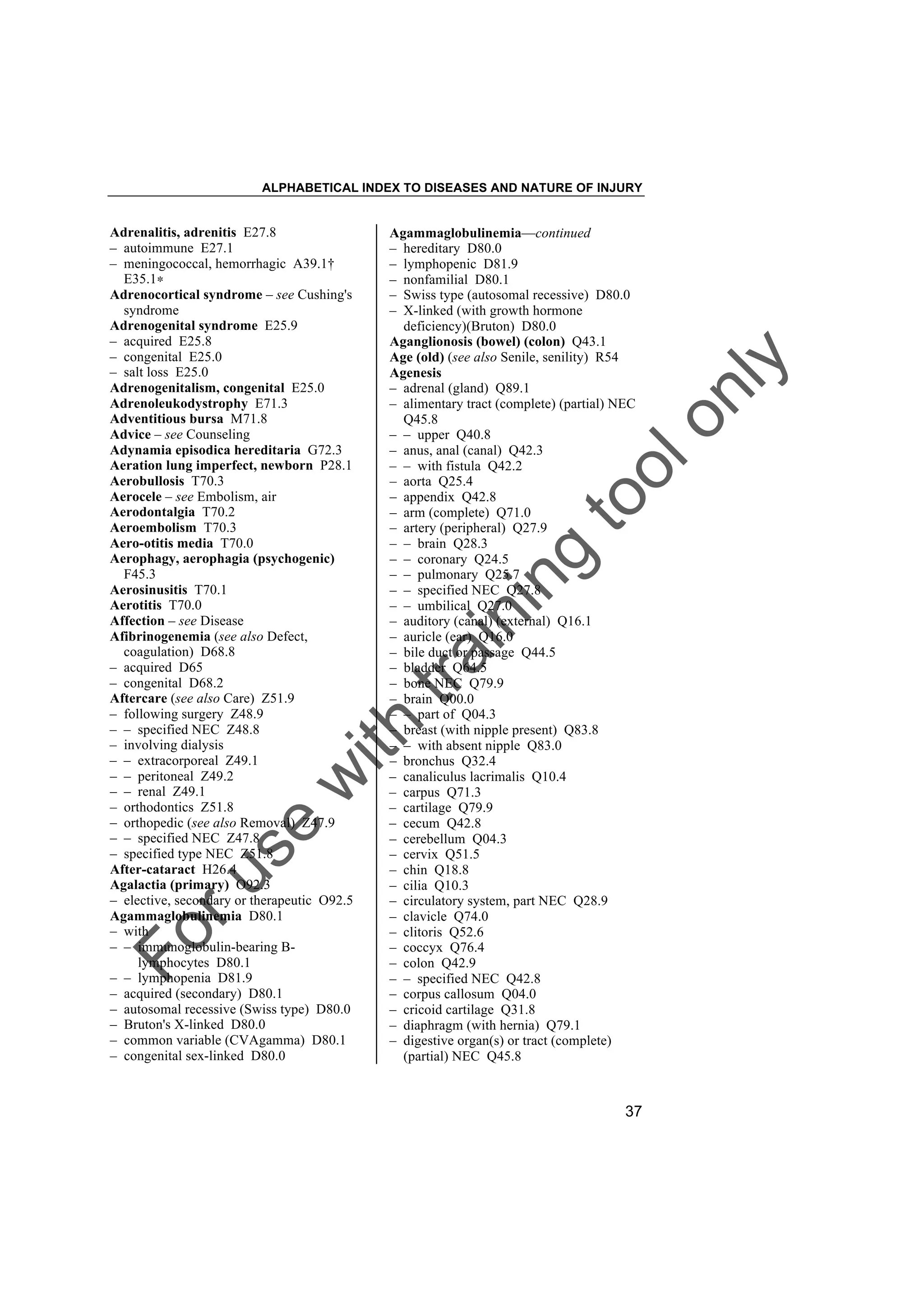
Understanding aftercare coding requires looking at how the ICD-10-CM classification system categorizes routine encounters versus active disease management. Aftercare codes fall under "Z codes" (Z00–Z99), which describe circumstances other than a disease, injury, or external cause classifiable to codes A00–Y89.
When a patient has completed initial treatment for a disease, injury, or surgical procedure and returns for routine follow-up, healing checks, or staged reconstruction, acute diagnosis codes are often no longer appropriate. Instead, aftercare codes are assigned to capture the ongoing medical management of the patient's recovery phase.
The Purpose of Z Codes in Clinical Practice
Z codes serve multiple administrative and clinical purposes within healthcare systems:
- Continuity of Care Documentation: They signal to subsequent providers and payers that the patient is in a post-procedural or rehabilitative phase.
- Resource Utilization Tracking: They help healthcare institutions track the frequency of follow-up visits required for specific surgical interventions or traumas.
- Reimbursement Compliance: Many insurance payers require specific Z codes to justify the medical necessity of routine post-operative checks, suture removals, and staged reconstructive sessions.
Deep Dive into Category Z42: Encounter for Plastic and Reconstructive Surgery Following Medical Procedures
For many medical coders and providers seeking information on "4 2 aftercare," the focus centers squarely on Category Z42, which governs encounters for plastic and reconstructive surgery following a previous procedure, trauma, or disease.
Once the primary acute condition has been addressed, subsequent visits dedicated to the reshaping, reconstruction, or cosmetic revision of the affected body part fall under this category. However, these codes must be chosen with strict adherence to anatomical site specificity.
Anatomical Breakdown of Category Z42
The ICD-10-CM manual breaks down category Z42 into precise anatomical locations. Selecting the correct code requires knowing the exact body part involved in the reconstructive or follow-up procedure:
- Z42.1: Encounter for plastic and reconstructive surgery following reduction of breast
- Z42.3: Encounter for plastic and reconstructive surgery following plastic surgery of head and neck
- Z42.4: Encounter for plastic and reconstructive surgery of other part of face
- Z42.8: Encounter for plastic and reconstructive surgery of other parts of body (e.g., trunk, limbs)
- Z42.9: Encounter for plastic and reconstructive surgery, unspecified
General Aftercare Versus Reconstructive Aftercare
It is important to differentiate category Z42 from general post-procedural aftercare codes (such as category Z48). While Z48 covers general surgical follow-up (like dressing changes and routine check-ups), Z42 is specifically reserved for plastic and reconstructive interventions. For example, if a patient returns for a standard post-operative examination two weeks after a wide local excision, a Z48 code is typically used. If the patient returns for a staged tissue expander adjustment or flap revision, a Z42 code is applied.
Comparison of Common Aftercare and Follow-Up ICD-10 Categories
To prevent coding errors, medical professionals must distinguish between various aftercare categories that may appear similar on the surface. The table below outlines key ICD-10 aftercare categories and their primary clinical applications.
| ICD-10 Category | Description | Primary Clinical Use Case |
|---|---|---|
| Z42 | Encounter for plastic and reconstructive surgery following other procedure | Staged reconstructions, scar revisions, tissue expansion adjustments. |
| Z47 | Encounter for other orthopedic aftercare | Removal of internal fixation devices, cast checks, routine orthopedic follow-ups. |
| Z48 | Encounter for other postprocedural aftercare | Routine post-surgical checks, suture removal, surgical dressing changes. |
| Z51 | Encounter for other aftercare and medical care | Encounter for chemotherapy, immunotherapy, dialysis, or palliative care. |
Coding Guidelines and Best Practices for Aftercare Encounters
Accurate assignment of aftercare codes requires adherence to official coding guidelines provided by the Centers for Medicare & Medicaid Services (CMS) and the National Center for Health Statistics (NCHS).
1. Sequencing and Principal Diagnosis
When an encounter is solely for the purpose of aftercare, the appropriate Z code is sequenced as the primary (principal) diagnosis on the outpatient claim. For inpatient settings, the principal diagnosis reflects the condition established after study to be chiefly responsible for occasioning the admission, though aftercare codes frequently serve as secondary diagnoses or principal diagnoses depending on the nature of the hospital stay.
2. Using History Codes vs. Aftercare Codes
A common point of confusion is whether to use a personal history code (Category Z85–Z87) or an aftercare code (Categories Z42–Z51).
- Aftercare codes are used when the treatment plan is ongoing and the patient is actively receiving care related to the recovery or reconstruction phase.
- History codes are used when the condition has completely resolved, no further treatment is directed at that condition, and the patient is being monitored for potential recurrence.
3. Combining with Secondary Diagnoses
Aftercare codes should be supported by secondary diagnoses when applicable. For example, if a patient presents for reconstructive surgery aftercare and experiences a localized complication such as wound dehiscence or infection, the complication code should be reported alongside the Z code to provide a complete clinical picture.
Frequently Asked Questions
What is the difference between Z42 and Z48 in ICD-10 coding?
Category Z42 is specifically designated for encounters involving plastic and reconstructive surgery following a previous procedure, trauma, or disease. In contrast, category Z48 is a broader classification used for general postprocedural aftercare, such as routine post-surgical follow-up, suture removals, and standard wound check evaluations.
Can aftercare codes be used as the primary diagnosis?
Yes. When a patient presents specifically for a follow-up, routine check, or staged procedure after the acute phase of an illness or injury has passed, the appropriate aftercare Z code is sequenced as the primary diagnosis on outpatient and professional claims.
Are aftercare codes used for acute injuries?
No. Aftercare codes are never used for the acute treatment of an injury or active disease process. If a patient is still undergoing active, initial medical treatment for an acute trauma or newly diagnosed condition, acute injury codes must be utilized instead of Z codes.
How do I code for the removal of internal fixation devices during aftercare?
The removal of internal fixation devices (such as plates, screws, or pins) following fracture healing is generally classified under orthopedic aftercare codes within category Z47 (specifically Z47.1 for removal of internal fixation devices), rather than plastic surgery aftercare codes.
Do insurance payers always require fifth or sixth characters on aftercare codes?
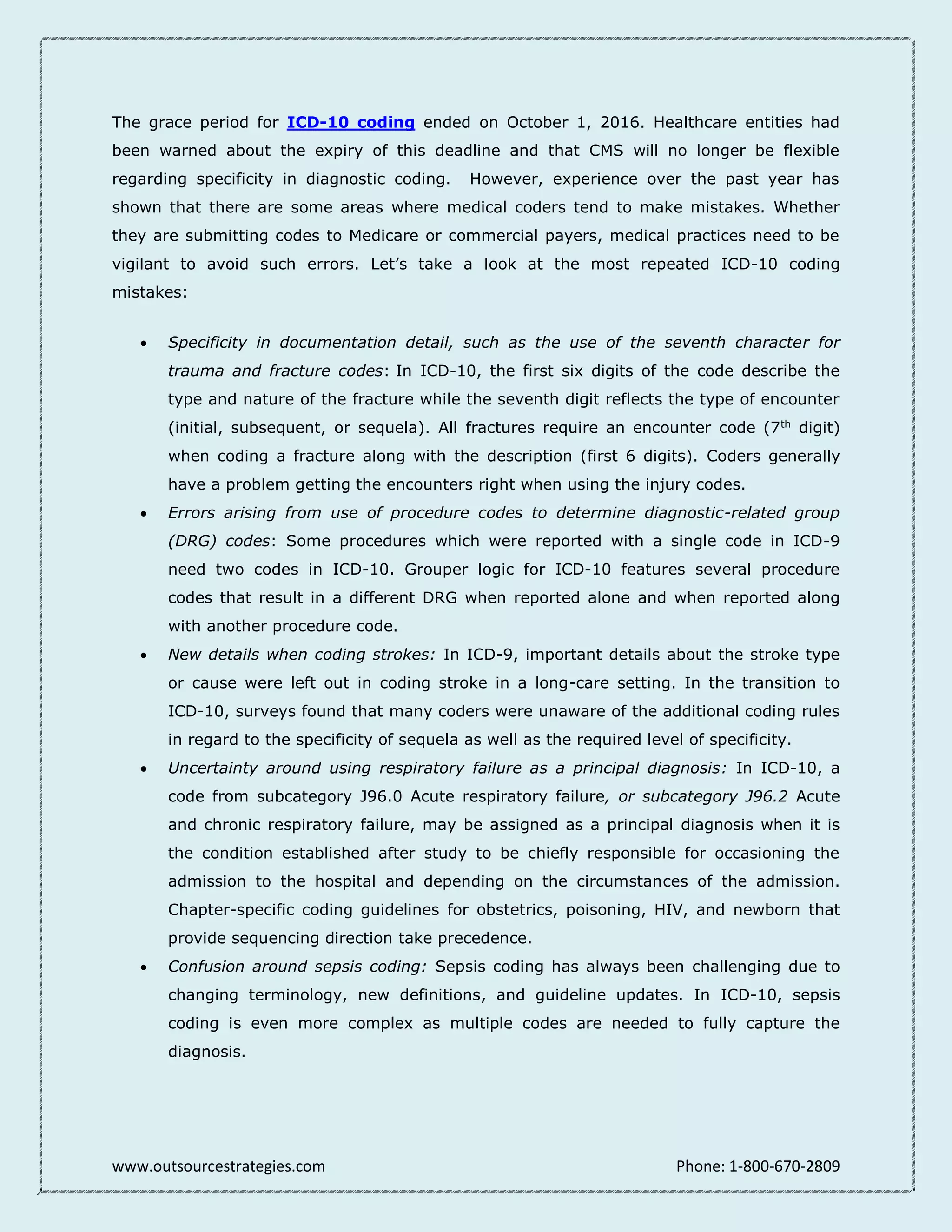
Yes. ICD-10-CM coding guidelines mandate the highest level of specificity. Many aftercare codes require specific fourth, fifth, sixth, or seventh characters to designate anatomical site, laterality, or the specific stage of the encounter (e.g., initial encounter, subsequent encounter, or sequela).
Practical Next Steps for Medical Billers and Practitioners
When reviewing clinical documentation for encounters involving plastic surgery aftercare or general post-procedural follow-up, ensure that the operative reports and physician notes explicitly state the intent of the visit. Vague documentation leads to claim rejections and compliance audits. Verify that anatomical sites match the chosen Z42 subcategory, check for any required seventh characters indicating encounter timing, and consult current official ICD-10-CM coding guidelines to maintain accuracy across all submitted claims.