30 year treasury bond rates represent the annualized yield paid by the United States government on its thirty-year debt obligations, serving as a primary benchmark for long-term borrowing costs, mortgage pricing, and global economic sentiment.
Introduction to 30 Year Treasury Bonds
The 30-year United States Treasury bond, often referred to simply as the "long bond," is a marketable, fixed-income security issued by the U.S. Department of the Treasury through the Bureau of the Fiscal Service. It matures thirty years from its issue date and pays semiannual interest until maturity. Understanding 30 year treasury bond rates requires looking beyond a simple daily quote on a financial terminal. These rates reflect a complex interplay of macroeconomic expectations, monetary policy, inflation forecasts, and global capital flows.
When investors discuss these rates, they are usually referring to the current market yield rather than the coupon rate printed on the physical or electronic certificate. Because these bonds trade actively on the secondary market after initial auction, their yields fluctuate continuously based on supply, demand, and broader economic conditions. For individual investors, corporate treasurers, and policymakers alike, the yield on the 30-year Treasury functions as a fundamental gauge of long-term economic health and investor confidence over a multi-decade horizon.
Mechanics of Bond Pricing and Yields
To understand how 30 year treasury bond rates move, one must first grasp the inverse relationship between bond prices and yields. When investor demand for safe-haven assets rises, buyers bid up the price of existing 30-year bonds on the secondary market. As the purchase price of the bond increases, the fixed interest payment (the coupon) represents a smaller percentage of the invested capital, causing the overall yield to fall. Conversely, when investors sell bonds—perhaps in favor of riskier assets like equities or due to rising interest rate expectations—bond prices drop, driving yields higher.
The Treasury Department issues these bonds through periodic auctions using a competitive bidding process managed by the Federal Reserve Bank of New York. Primary dealers and institutional investors submit bids specifying the yield they are willing to accept. Once the auction clears, the high yield becomes the coupon rate for that specific issue. After issuance, these instruments trade freely. The current market yield is the annualized return an investor would expect to earn if they bought the bond at its current market price and held it to maturity, factoring in both the coupon payments and the discount or premium paid relative to its par value.
Primary Economic Drivers of Long-Term Yields
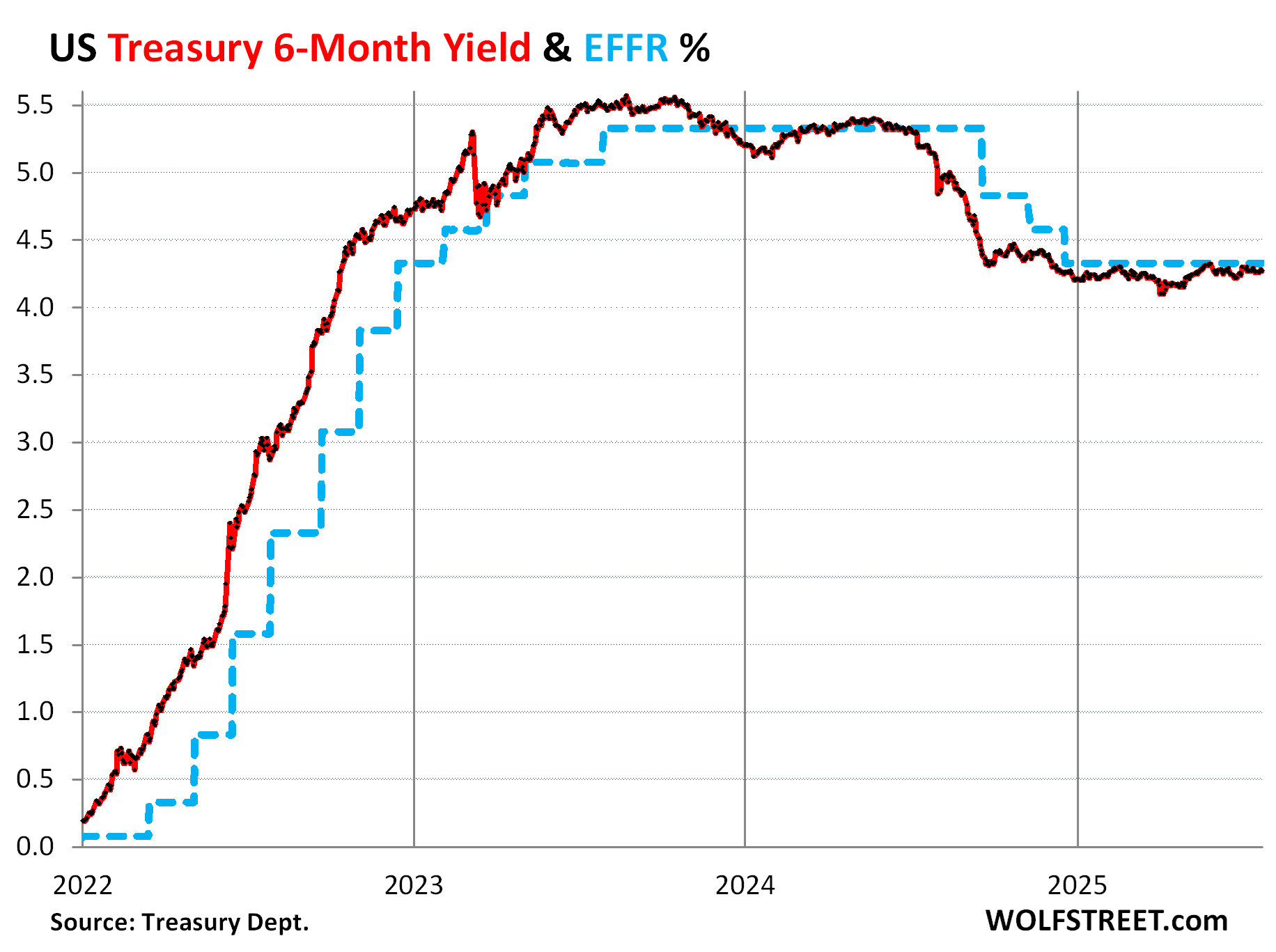
Unlike short-term interest rates, which are heavily influenced by the immediate target federal funds rate set by the Federal Open Market Committee (FOMC), 30 year treasury bond rates are driven primarily by long-term expectations. Several core economic forces shape these long-term yields:
Inflation Expectations
Inflation is the primary enemy of fixed-income investments. Because a 30-year bond locks in a fixed nominal payment for three decades, investors demand a higher yield to compensate for the risk that inflation will erode the purchasing power of those future cash flows. If market participants anticipate persistent inflation, 30 year treasury bond rates typically rise. Conversely, expectations of a low-inflation or deflationary environment push yields downward.
Economic Growth and Productivity
Strong economic growth usually correlates with higher demand for capital, corporate expansion, and employment. In a robust economy, investors often shift capital away from safe government debt and toward equities or corporate ventures, causing bond prices to fall and yields to rise. On the other hand, economic slowdowns or recessions prompt a "flight to quality," where capital floods into long-term Treasuries, driving prices up and yields down.
Monetary Policy and Quantitative Tightening
While the Federal Reserve directly controls the federal funds rate, its actions and communications heavily influence the entire yield curve, including the 30-year sector. Programs involving quantitative easing (QE)—where the central bank purchases long-term securities—tend to suppress 30 year treasury bond rates by increasing demand. Conversely, quantitative tightening (QT), where the Fed allows bonds to roll off its balance sheet without reinvestment, increases the supply of debt absorbed by the private market, putting upward pressure on yields.
Global Capital Flows and Geopolitical Risk
U.S. Treasury securities are widely considered the benchmark risk-free asset in global finance. During periods of international geopolitical instability, trade disputes, or foreign financial crises, global investors frequently convert foreign currencies into U.S. dollars to purchase long-term Treasuries. This massive international demand can drive 30 year treasury bond rates lower, decoupling domestic yields from localized economic data.
| Economic Factor | Impact on Bond Prices | Impact on 30-Year Yields | Primary Mechanism |
|---|---|---|---|
| Rising Inflation | Decrease | Increase | Investors demand higher compensation for purchasing power erosion. |
| Economic Recession | Increase | Decrease | "Flight to quality" prompts heavy buying of safe-haven debt. |
| Federal Reserve QE | Increase | Decrease | Central bank purchases artificially inflate demand and lower yields. |
| Increased Supply | Decrease | Increase | Higher auction volumes require market-clearing higher yields. |
The Yield Curve and Term Premia
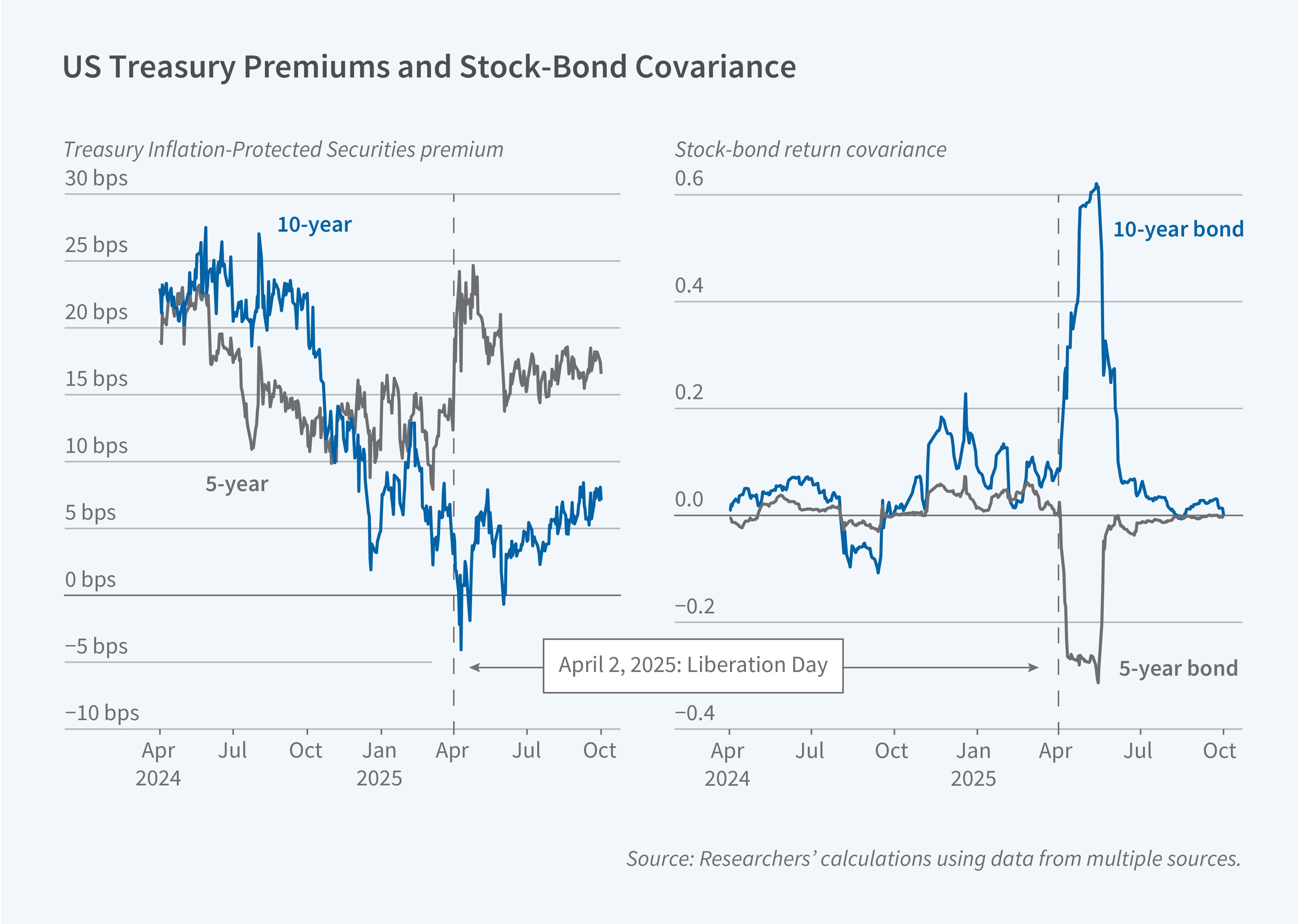
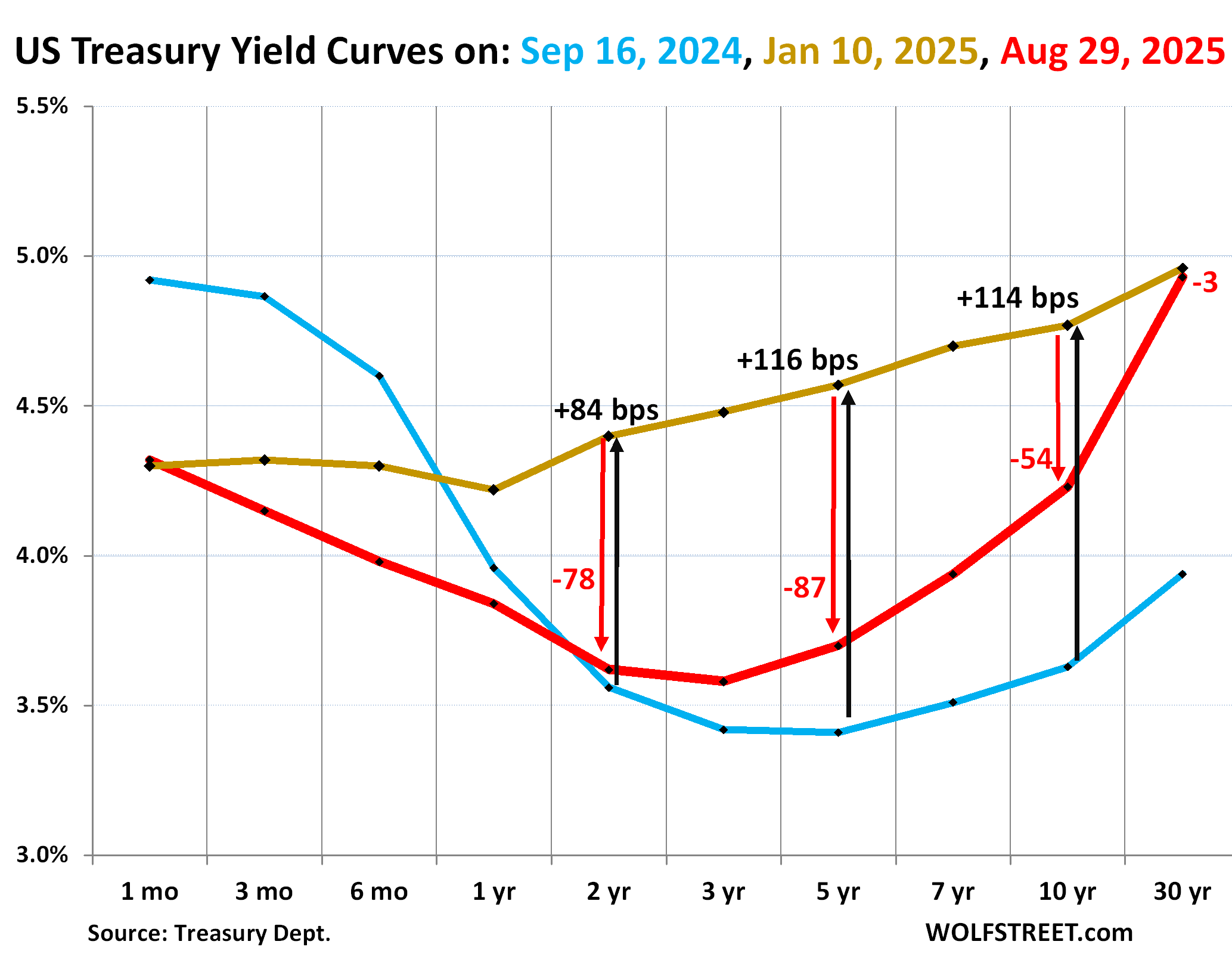
The yield curve is a graphical representation of yields on debt securities across different maturities, ranging from one month to thirty years. Normally, the yield curve slopes upward, meaning longer-term bonds offer higher yields than short-term bills. This positive slope compensates investors for the added risk of tying up capital for decades—a concept known as the term premium.
However, market conditions occasionally cause the yield curve to flatten or invert, where short-term yields exceed long-term yields. While an inversion between the 2-year and 10-year Treasury yields is a widely watched recession indicator, the behavior of 30 year treasury bond rates relative to short-term rates provides additional context regarding structural growth and long-term inflation anchoring. The term premium itself fluctuates based on market uncertainty regarding future fiscal deficits, supply issuance volumes, and macroeconomic volatility. When the U.S. government runs large structural budget deficits requiring substantial debt issuance, the expanding supply of long-term bonds can increase the term premium, pushing 30 year treasury bond rates higher independently of short-term monetary policy.
Practical Impacts on Borrowers and Financial Markets
Fluctuations in 30 year treasury bond rates carry profound implications across various sectors of the broader financial system:
- Mortgage Rates: Although 30-year fixed-rate residential mortgages are not directly pegged to the 30-year Treasury yield, they track it closely. Lenders price mortgages using secondary market mortgage-backed securities (MBS), which compete directly with long-term Treasuries for investor capital. As 30 year treasury bond rates rise, mortgage rates generally follow suit, impacting housing affordability and real estate market activity.
- Corporate Borrowing: Corporations issue long-term bonds to fund capital expenditures, mergers, and debt refinancing. The yield on these corporate bonds is calculated as a spread over comparable U.S. Treasury yields. Higher baseline Treasury rates increase corporate debt servicing costs, which can constrain capital investment and slow corporate earnings growth.
- Institutional Portfolio Management: Pension funds and insurance companies face strict long-term liability matching requirements. These institutional investors rely heavily on 30-year Treasuries to secure predictable, long-duration cash flows to meet future obligations to retirees and policyholders. Changes in the discount rate derived from Treasury yields directly affect the calculated funding status of defined-benefit pension plans.
Risks Associated with Long-Term Bonds
Investing in or tracking 30 year treasury bond rates involves understanding specific financial risks. Chief among these is interest rate risk, which manifests as duration risk. Duration measures a bond's price sensitivity to changes in interest rates. Because 30-year bonds have a very long duration, a relatively small increase in market yields can result in significant capital losses for existing holders who must sell before maturity.
Reinvestment risk represents another consideration, particularly for coupon payments received over the 30-year lifespan, though the zero-default risk of the U.S. government protects investors from credit default. Finally, purchasing power risk remains a constant factor; over a 30-year holding period, cumulative inflation can severely diminish the real, inflation-adjusted return of fixed interest payments, even if the nominal principal is returned in full at maturity.
Frequently Asked Questions
How often do 30 year treasury bond rates change?
30 year treasury bond rates change continuously during market hours as secondary market trading takes place. While the U.S. Treasury establishes the coupon rate at periodic scheduled auctions, the market yield fluctuates second by second based on live supply and demand dynamics across global financial exchanges.
Why are 30 year treasury bond rates sometimes lower than short-term rates?
When short-term rates exceed long-term rates, the yield curve is inverted. This typically occurs when the Federal Reserve has raised short-term rates aggressively to cool an overheating economy, while bond investors anticipate that monetary tightening will eventually cause an economic slowdown, prompting future rate cuts and lowering long-term yields.
Do 30 year treasury bond rates affect 15-year or 30-year mortgages?
Yes. While mortgages are distinct financial products, lenders price fixed-rate mortgages based on the yield of mortgage-backed securities, which compete with long-term government debt. When 30 year treasury bond rates increase, lenders raise mortgage rates to maintain their desired yield spreads.
Are investments in 30-year Treasury bonds entirely risk-free?
While 30-year Treasuries carry virtually zero credit risk because they are backed by the full faith and credit of the U.S. government, they are exposed to substantial market risk. If market interest rates rise after purchase, the market value of existing bonds drops significantly, creating severe unrealized capital losses for investors who sell prior to maturity.
How can individual investors access 30-year Treasury bonds?
Individual investors can purchase 30-year Treasury bonds directly from the U.S. government through the official TreasuryDirect website without paying broker fees, or indirectly through commercial banks, brokerage accounts, mutual funds, and exchange-traded funds (ETFs) that specialize in long-duration fixed-income securities.
Conclusion and Next Actions
Monitoring 30 year treasury bond rates provides essential insight into the direction of long-term borrowing costs, inflation expectations, and macroeconomic stability. Whether evaluating mortgage financing conditions, assessing institutional portfolio duration, or analyzing fixed-income market trends, market participants should observe daily yield movements alongside broader fiscal and monetary policy announcements. For direct access, review official auction schedules and purchasing guidelines through the U.S. Department of the Treasury or consult a qualified financial professional to align long-duration bond strategies with personal investment objectives.