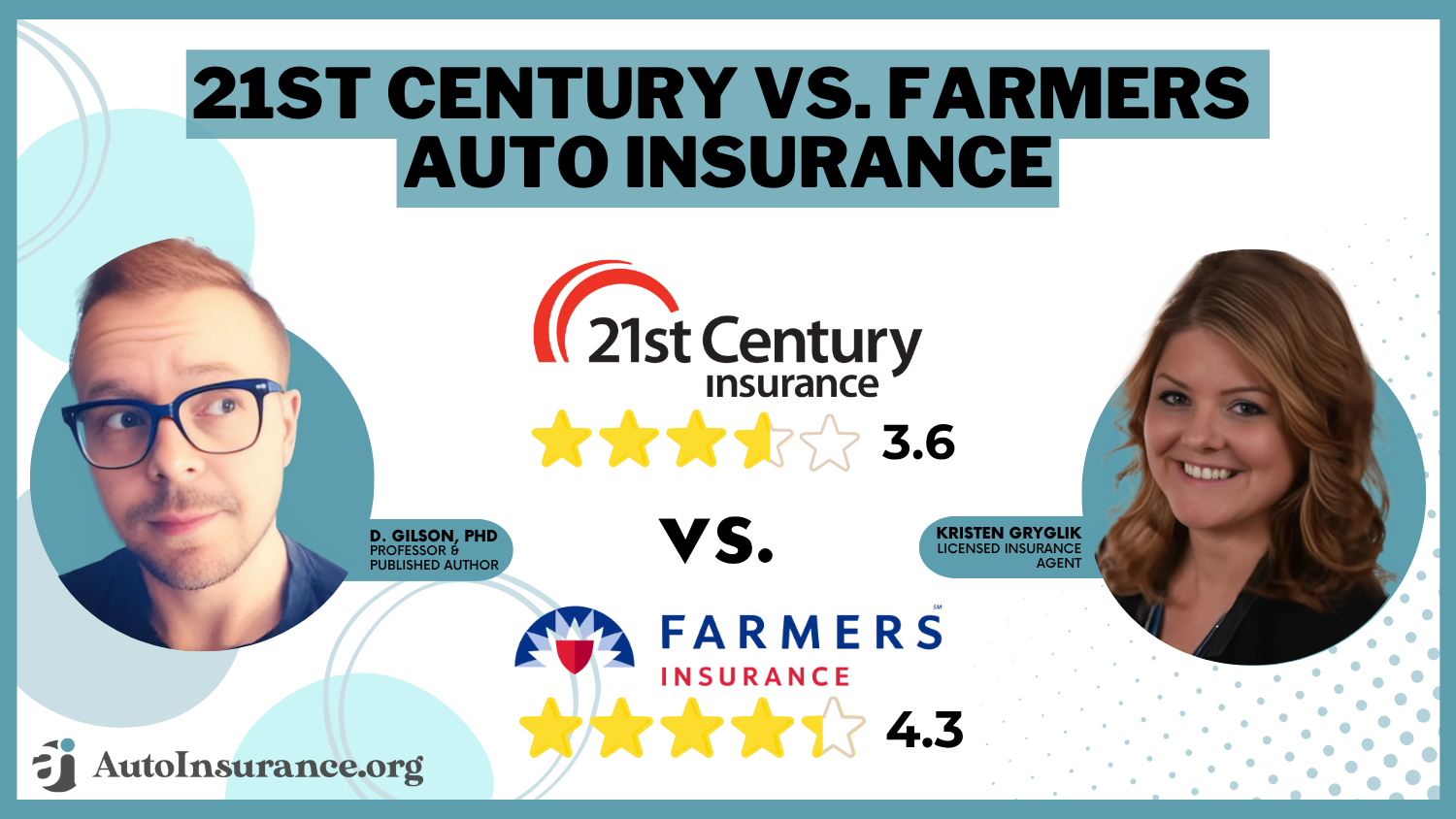
Understanding 21st Century Auto Insurance requires examining its position as a direct-to-consumer digital subsidiary of Farmers Insurance, offering customizable coverage options, policy management tools, and specialized discounts tailored for modern drivers.
The landscape of personal auto insurance has shifted dramatically over the past two decades, moving from traditional paper-based agency models to digital-first, streamlined platforms. Among the notable players in this space is 21st Century Insurance, a brand that pioneered direct-to-consumer policy writing before integrating deeply into the broader Farmers Insurance Group ecosystem. For policyholders, prospective buyers, and insurance researchers, evaluating an auto insurance provider involves dissecting more than just basic liability protection. It requires a thorough analysis of underlying financial stability, policy features, digital user experiences, claims handling efficiency, and cost structures relative to the broader market.
Navigating the complexities of modern automotive coverage demands a clear-eyed look at what specific carriers offer, where their strengths lie, and how their policy structures align with individual driving profiles. This overview provides a deep examination of 21st Century Auto Insurance, tracing its operational scope, coverage tiers, digital capabilities, and consumer standing as of 2026.
Corporate Background and Evolution of 21st Century Insurance
Founded originally in 1958 as 21st Century Insurance Company, the firm initially operated as a direct writer of personal automobile insurance primarily catering to California drivers. By eliminating traditional independent agents and selling policies directly to consumers via telephone and later the internet, the company positioned itself as a cost-effective alternative to legacy agency-driven insurers.
Over subsequent decades, the company expanded geographically across multiple U.S. states, earning a reputation for streamlined policy acquisition and competitive pricing. A major turning point occurred when the enterprise was acquired by AIG (American International Group) in 2005. Later, in 2009, Farmers Insurance Group acquired 21st Century Insurance from AIG.
Today, policies underwritten or serviced through the 21st Century brand are generally backed by the financial strength of the Farmers Insurance exchange and its subsidiary companies. This corporate alignment means that while customers may interact with a specialized digital interface or dedicated phone service bearing the 21st Century name, the underlying insurance contracts, risk pooling, and regulatory compliances are supported by one of the largest property and casualty insurance groups in the United States. Financial strength ratings from major agencies like A.M. Best for the Farmers group generally reflect strong capitalization and operational stability, providing consumers with assurance regarding long-term claims-paying ability.
Core Coverage Offerings and Policy Structures
An auto insurance policy must balance mandatory legal requirements with optional protections designed to safeguard personal assets against catastrophic financial loss. 21st Century provides a standard suite of coverage types designed to meet state regulatory mandates while allowing for customization based on vehicle value and risk tolerance.
Mandatory and Standard Protections
- Liability Coverage: Split into bodily injury liability and property damage liability, this core protection covers costs associated with injuries or property damage you cause to others in an at-fault accident. Minimum limits are dictated by individual state laws, though financial advisors generally recommend purchasing limits well above the state minimums to protect personal net worth.
- Uninsured and Underinsured Motorist Coverage (UM/UIM): Designed to protect you if you are involved in a collision with a driver who carries no insurance or insufficient coverage to pay for your medical bills and vehicle repairs.
- Medical Payments (MedPay) or Personal Injury Protection (PIP): Covers medical expenses, lost wages, and other related rehabilitation costs for you and your passengers regardless of fault, depending on state no-fault regulations.
Physical Damage and Specialty Coverages
- Collision Coverage: Pays for damage to your vehicle resulting from a collision with another vehicle or object, such as a guardrail, tree, or building, minus your deductible.
- Comprehensive Coverage: Protects against non-collision incidents, including theft, vandalism, fire, weather events (hail, floods), animal strikes (such as deer), and falling objects.
- Roadside Assistance: Offers emergency towing, flat tire changes, battery jump-starts, and lockout services when integrated into the policy.
- Rental Car Reimbursement: Covers the daily cost of a rental vehicle while your primary automobile is being repaired following a covered claim.
Digital Integration, Policy Management, and Customer Experience
As a pioneer of direct-to-consumer insurance, the brand places heavy emphasis on self-service digital infrastructure. Modern policyholders increasingly expect seamless web and mobile access to manage their accounts without requiring human intervention for routine administrative tasks.
The digital ecosystem associated with 21st Century allows users to generate instant quotes, customize coverage limits, adjust deductibles, and bind policies online. Once active, policyholders utilize secure web portals or mobile applications to perform several vital functions:
- Document Access: Instant retrieval of digital insurance cards (proof of insurance), policy declarations pages, and billing history.
- Payment Processing: Setting up recurring automated payments, making one-time balance settlements, and viewing upcoming billing schedules.
- Claims Initiation: Filing new claims digitally, uploading photographs of accident scenes or vehicle damage, and tracking the real-time status of ongoing repair authorizations.
While digital-first platforms reduce friction for tech-savvy consumers, customer service accessibility remains a critical evaluation metric. Dedicated customer support call centers handle complex policy adjustments, coverage consultations, and claims escalations, bridging the gap between automated self-service and human expertise.
| Coverage / Feature | Primary Purpose | Suitability / Recommendation |
|---|---|---|
| Liability Limits | Covers third-party injury and property damage | Essential; recommend purchasing higher limits than state minimums |
| Comprehensive & Collision | Repairs your vehicle from accidents, weather, and theft | Mandatory if your vehicle is financed or leased; recommended for newer cars |
| Uninsured Motorist | Protects against drivers with inadequate insurance | Highly recommended across all states due to high rates of uninsured drivers |
| Rental Reimbursement | Provides substitute transportation during repairs | Useful for daily commuters who cannot rely on public transit |
Pricing, Discounts, and Cost Management Strategies
Insurance premiums are calculated using a complex matrix of rating factors, including geographic location, vehicle make and model, driving history, annual mileage, credit-based insurance scores (where permitted by state law), and selected coverage limits. To manage overall costs, 21st Century structures its pricing around a series of targeted discounts.
- Safe Driver Discounts: Rewarding policyholders who maintain a clean driving record free of at-fault accidents and moving violations over a specified lookback period.
- Multi-Policy Bundling: Offering significant rate reductions for customers who combine their auto insurance with homeowners, renters, or umbrella policies issued through the Farmers family of companies.
- Multi-Car Households: Discounting premiums when more than one vehicle belonging to members of the same household is insured under a single policy.
- Anti-Theft and Safety Features: Lowering comprehensive insurance costs for vehicles equipped with factory-installed safety devices, airbags, anti-lock brakes, and verified electronic tracking or alarm systems.
- Good Student Discounts: Providing financial relief for families with young drivers enrolled in high school or college who maintain a designated grade point average (typically a B average or higher).
Comparative Evaluation: Direct-Writing vs. Traditional Agency Models
When selecting an auto insurance provider, consumers often weigh the benefits of a direct-writing, digital-centric carrier like 21st Century against traditional agency-based networks.
Direct models appeal primarily to self-directed consumers who prefer comparing rates, adjusting coverage parameters, and executing transactions independently via web browsers or mobile apps. This model often results in streamlined administrative overhead, which can translate into competitive pricing structures. However, it requires the policyholder to take an active role in understanding their coverage needs rather than relying on an assigned insurance agent to recommend specific policy limits.
Conversely, traditional agency models offer personalized, face-to-face consultations, which some consumers prefer when navigating complex risk profiles, high-value assets, or intricate business-use vehicle requirements. Because 21st Century operates under the broader Farmers umbrella, customers desiring a hybrid approach often find that they can access local agent support through the parent organization while managing routine transactions digitally.
Common Policyholder Mistakes and Operational Limitations
Navigating auto insurance successfully requires avoiding common pitfalls that can lead to coverage gaps, unexpected out-of-pocket expenses, or claims denials.
- Underinsuring Liability Limits: Opting for the absolute minimum liability limits required by state law to achieve the lowest possible monthly premium can expose personal assets to severe financial risk in a catastrophic accident.
- Overlooking Deductible Alignment: Selecting a very low deductible (e.g., $100) significantly increases premium costs, whereas choosing a higher deductible ($1,000) reduces monthly outlays but requires having emergency savings available in the event of a claim.
- Failing to Update Driver or Vehicle Information: Not reporting changes—such as adding a newly licensed teen driver, changing your primary residential address, or altering your daily commute mileage—can complicate claims processing or lead to policy adjustments.
- Misunderstanding Comprehensive vs. Collision: Assuming that comprehensive insurance covers collision-related accidents (or vice versa) frequently leads to confusion during the claims process. Both coverages must be explicitly selected to ensure full physical damage protection.
Frequently Asked Questions
Is 21st Century Auto Insurance an independent company?
No. While it originally operated independently, 21st Century Insurance is a wholly owned subsidiary brand within the Farmers Insurance Group. Policies are backed by the financial stability and regulatory compliance frameworks of the Farmers organization.
How do I file a claim with 21st Century?
Claims can be initiated 24/7 through the digital customer portal on their official website, via the mobile application, or by calling their dedicated claims telephone hotline. Policyholders should have their policy number, accident details, police report numbers, and contact information for involved parties ready when filing.
Can I bundle my auto insurance with home insurance?
Yes. Because of its integration with Farmers Insurance, customers can easily bundle their 21st Century auto policies with homeowners, renters, condo, or life insurance products to qualify for multi-policy discounts.
What factors influence my 21st Century auto insurance quote?
Your premium is determined by a combination of personal and vehicular rating factors, including your driving record, age, gender, ZIP code, annual mileage, credit history (where allowed by state law), vehicle make and model, and the specific liability and deductible limits you choose.
Are rental cars covered if my car is in the shop?
Rental car coverage is not automatically included in standard liability packages. It must be explicitly added as an optional coverage endorsement (Rental Reimbursement) to cover substitute transportation costs while your vehicle undergoes repairs for a covered claim.
Practical Next Steps for Prospective Policyholders
Evaluating whether 21st Century Auto Insurance fits your personal requirements begins with a thorough audit of your current coverage, risk exposure, and budgetary constraints. Before committing to a policy change, gather your current policy declarations page, review your driving history, and assess whether your liability limits adequately protect your personal assets.
Next, utilize online quoting tools to compare rate structures, factoring in available discounts for safe driving, bundling, and vehicle safety features. Ensure that any policy you select balances affordable monthly premiums with robust protection, verifying that customer service and digital tools align with your personal preferences for policy management.