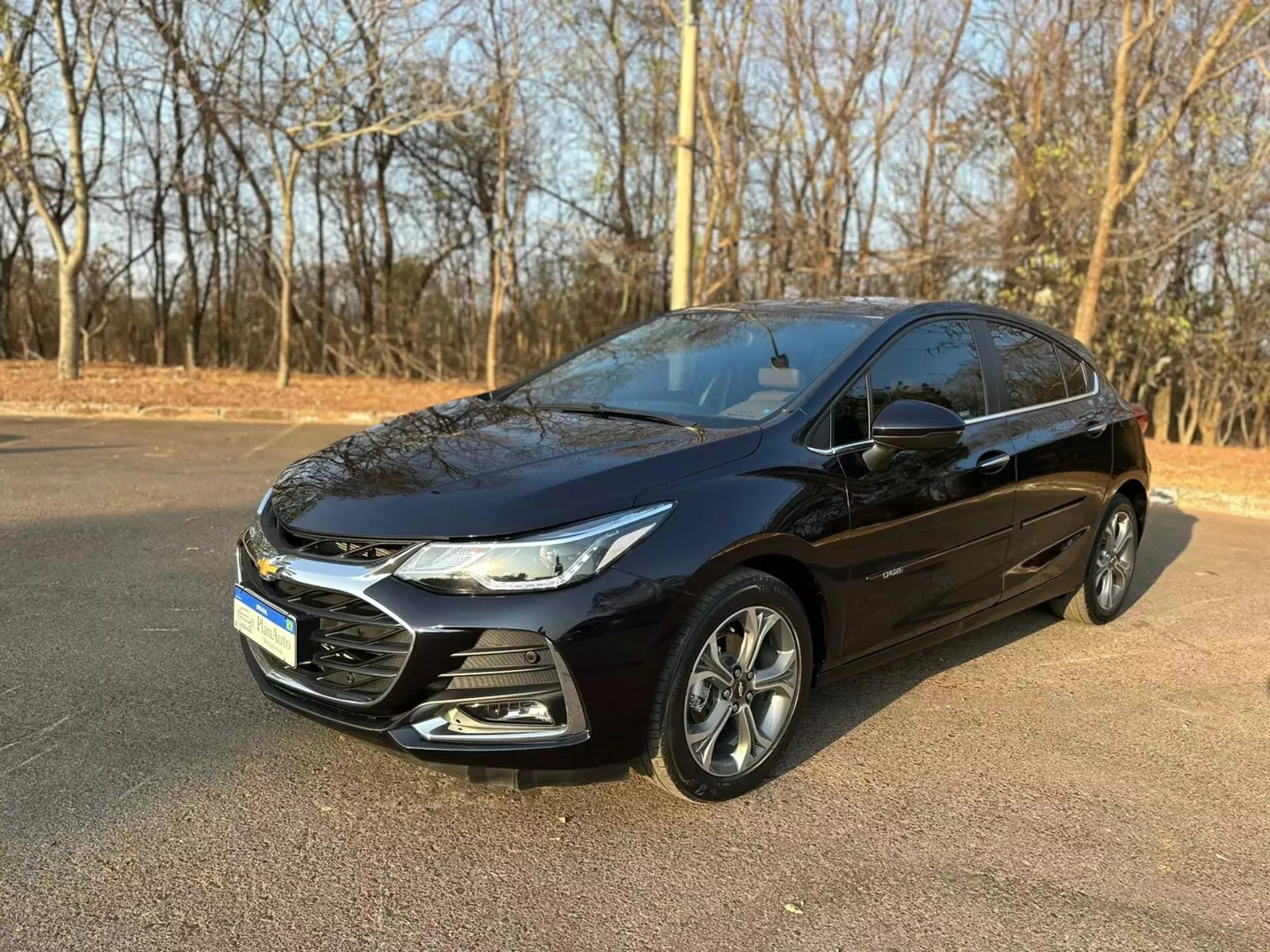
The 2020 Chevrolet Cruze was famously absent from North American showrooms, as General Motors officially discontinued the model in March 2019 following the closure of its Lordstown, Ohio assembly plant. However, the nameplate remained active in international markets such as South America, China, and select global regions, featuring updated styling, efficient powertrain options, and modern infotainment technology tailored to overseas buyers.
Introduction to the 2020 Chevrolet Cruze Discontinuation and Global Presence
For automotive enthusiasts and everyday consumers tracking compact car trends, the Chevrolet Cruze represents a significant chapter in modern automotive history. In North America, the second-generation Cruze—which received a comprehensive refresh for the 2019 model year featuring revised front and rear styling, new wheel designs, and an updated Chevrolet Infotainment 3 system—marked the end of an era. General Motors shifted its strategic manufacturing focus toward crossovers, SUVs, and electric vehicles, resulting in the termination of Cruze production for the United States and Canadian markets in early 2019. Consequently, there was no officially marketed 2020 Chevrolet Cruze available through North American dealership networks.
Despite its withdrawal from North America, the Cruze nameplate continued its production lifecycle overseas. General Motors maintained manufacturing lines for international markets where consumer demand for fuel-efficient compact sedans and hatchbacks remained robust. These global variants shared underlying platform architecture with their North American predecessors but incorporated regional styling cues, specific safety equipment compliant with local regulations, and tailored engine options designed to meet foreign emissions standards. Understanding this dual reality—absent domestically but active internationally—is crucial for anyone researching the vehicle today.
Historical Context and Evolution of the Second Generation
The second-generation Chevrolet Cruze debuted for the 2016 model year, built upon GM's global D2XX platform. This iteration brought substantial improvements over the first generation, including a longer wheelbase, increased rear legroom, a stiffer body structure, and a significantly reduced curb weight that benefited both fuel economy and handling dynamics.
Key Milestones of the Second Generation
- 2016 Model Year: Complete redesign featuring a sleeker aerodynamic profile, advanced smartphone integration (Apple CarPlay and Android Auto compatibility), and the introduction of a standard 1.4-liter turbocharged gasoline engine.
- 2017 Model Year: Expansion of the lineup with the highly anticipated introduction of a 1.6-liter turbodiesel engine option paired with a nine-speed automatic transmission, alongside the launch of the practical hatchback body style.
- 2019 Model Year: Mid-cycle product refresh featuring revised exterior fascias, upgraded interior trim materials, standard 7-inch or available 8-inch infotainment touchscreens, and an expanded suite of active safety technologies.
- 2020 Model Year: Discontinuation finalized for North America; production continues exclusively for select international export markets with targeted updates.
Design and Exterior Styling
The exterior design of the late-model Cruze reflected Chevrolet’s contemporary global design language. Characterized by a low-slung stance, sweeping roofline, and sculpted body panels, the vehicle balanced aerodynamic efficiency with visual appeal. The front fascia utilized a dual-port grille layout flanked by projector-beam headlamps with signature LED daytime running lights on higher trim levels.
Body styles varied by market. While the sedan remained the dominant configuration globally, the hatchback variant offered a sportier aesthetic paired with enhanced cargo versatility. Aerodynamic efficiency was a primary focus for engineers, resulting in an athletic profile that minimized wind resistance, thereby contributing to highway fuel economy. Alloy wheel designs ranged from 15 inches on base trims to 17 or 18 inches on sportier global configurations, complementing the vehicle's planted posture.
Interior Cabin, Comfort, and Technology
Inside, the cabin of the late-generation Cruze prioritized ergonomic comfort and intuitive connectivity. The dual-cockpit instrument panel wrapped smoothly into the door panels, creating a cohesive visual environment. High-grade soft-touch materials were utilized on key touchpoints, while piano-black accents and chrome trim added a refined touch to upper-tier variants.
Infotainment and Connectivity Features
- Chevrolet Infotainment 3 System: Ranging from standard 7-inch to available 8-inch high-definition color touchscreens depending on the trim level.
- Smartphone Integration: Standard Apple CarPlay and Android Auto capability, allowing seamless access to navigation, messaging, and media apps.
- Wi-Fi Hotspot: Built-in 4G LTE Wi-Fi capability (subject to regional data subscription availability) enabling multiple device connections on the move.
- Driver Information Center: A central digital display nestled between analog gauge clusters providing real-time vehicle diagnostics, fuel economy metrics, and safety alerts.
Cargo capacity was another strong suit. The sedan offered a competitive trunk volume, while the hatchback variant expanded utility significantly, allowing owners to fold flat the 60/40 split-rear seats to accommodate bulky items, luggage, or sporting equipment.
Powertrain Options and Performance Specifications
Performance characteristics for the Cruze varied depending on the regional market and manufacturing plant. However, the global architecture typically featured robust, efficiency-focused mechanical configurations.
| Powertrain Type | Displacement & Induction | Transmission Options | Primary Performance Focus |
|---|---|---|---|
| Gasoline Turbo | 1.4L Turbocharged I4 | 6-speed manual / 6-speed automatic | Balanced daily commuting, responsive low-end torque |
| Turbodiesel | 1.6L Turbodiesel I4 | 6-speed manual / 9-speed automatic | Exceptional highway cruising range, high torque output |
| Global Base Engine | 1.5L Naturally Aspirated I4 | 6-speed automatic / CVT (by region) | Cost-effective fleet and entry-level ownership |
The ubiquitous 1.4-liter turbocharged direct-injection gasoline engine generated competitive horsepower and strong low-end torque, making city driving nimble and responsive. Meanwhile, the 1.6-liter turbodiesel praised in late North American and active international markets delivered remarkable highway fuel economy figures, frequently exceeding 45 miles per gallon under ideal conditions, paired with a refined nine-speed automatic transmission that ensured quiet, low-RPM cruising.
| Feature Category | Specification Highlights |
|---|---|
| Platform Architecture | GM D2XX global compact platform |
| Steering System | Rack-mounted electric power steering (EPS) |
| Suspension Layout | MacPherson strut front, compound crank or Z-link rear (by trim) |
| Braking System | Four-wheel anti-lock disc brakes with electronic brake force distribution |
Safety Ratings and Driver Assistance Technologies
Safety engineering was a prominent selling point for the second-generation Cruze during its active production years. The vehicle utilized a high-strength steel safety cage designed to absorb and redirect crash energy away from the passenger compartment. Front-seat side-impact airbags, roof-rail head curtain airbags, and knee airbags were standard equipment across major markets.
Furthermore, advanced driver assistance systems (ADAS) were widely integrated into upper trim levels and international models. Available active safety features included:
- Forward Collision Alert: Monitors traffic ahead and warns the driver of potential front-end collisions.
- Lane Keep Assist with Lane Departure Warning: Gently corrects steering if the vehicle drifts unintentionally out of its marked lane.
- Rear Cross Traffic Alert: Warns drivers of approaching cross-traffic when reversing out of parking spaces or driveways.
- Side Blind Zone Alert: Illuminates indicators in side mirrors when vehicles occupy adjacent blind spots.
- Rear Park Assist: Utilizes ultrasonic sensors in the rear bumper to detect nearby obstacles at low speeds.
Ownership Considerations: Maintenance, Reliability, and Parts Availability
For current owners or buyers considering a pre-owned second-generation Cruze (spanning model years 2016 through 2019 in North America, or extending into 2020 internationally), practical ownership factors require careful evaluation.
Maintenance and Common Mechanical Notes
- Cooling System: Regular inspection of coolant hoses and fittings is recommended, as plastic connectors can become brittle over time.
- Turbocharger Maintenance: Using high-grade synthetic oil and adhering to strict oil change intervals is vital to ensure the longevity of the turbocharger unit.
- Carbon Buildup: Direct-injection gasoline engines can benefit from intake valve inspections at higher mileage intervals to mitigate potential carbon deposit accumulation.
Parts Availability
Because General Motors produced hundreds of thousands of second-generation Cruzes for the North American market before 2019, aftermarket and OEM replacement parts remain widely available through local auto parts retailers, online distributors, and dealership service networks. Mechanics are highly familiar with the D2XX platform and its powertrain combinations, ensuring straightforward and cost-effective servicing.
Frequently Asked Questions
Was there a 2020 Chevrolet Cruze made for North America?
No. General Motors officially discontinued Chevrolet Cruze production for the United States and Canada in March 2019. Consequently, there is no official 2020 model year Cruze sold through authorized North American dealerships, though production continued in select international markets.
What replaced the Chevrolet Cruze in the United States?
General Motors did not introduce a direct compact sedan or hatchback successor to the Cruze. Instead, the company shifted its manufacturing and product strategy toward compact SUVs and crossovers, such as the Chevrolet Trax, Trailblazer, and Equinox, which captured shifting consumer preferences.
What engines were available in the late-model Cruze?
Depending on the market and model year, available engines included a 1.4-liter turbocharged gasoline four-cylinder, a 1.6-liter turbodiesel four-cylinder, and a naturally aspirated 1.5-liter gasoline engine used primarily in international entry-level trims.
Is the Chevrolet Cruze reliable?
The second-generation Cruze generally earned favorable reliability ratings, particularly for its ride comfort, highway fuel efficiency, and modern technology suite. Routine maintenance, timely oil changes using recommended synthetic lubricants, and monitoring cooling system components are essential for long-term durability.
Can I still buy parts for a Chevrolet Cruze?
Yes. Due to high production volumes during its manufacturing run, replacement parts, filters, brake components, and body panels remain readily accessible through automotive parts suppliers and certified service centers.
Conclusion and Final Recommendation
The 2020 Chevrolet Cruze stands as a testament to shifting automotive market dynamics—marking the conclusion of a popular compact car line in North America while continuing to serve international drivers. For used car buyers seeking a comfortable, technology-equipped, and exceptionally fuel-efficient commuter car, late-model second-generation Cruzes (2017–2019) represent strong value on the pre-owned market. Prospective buyers should prioritize vehicles with documented maintenance histories, inspect fluid lines and turbo components, and choose trim levels equipped with desired active safety features to ensure a satisfying ownership experience.