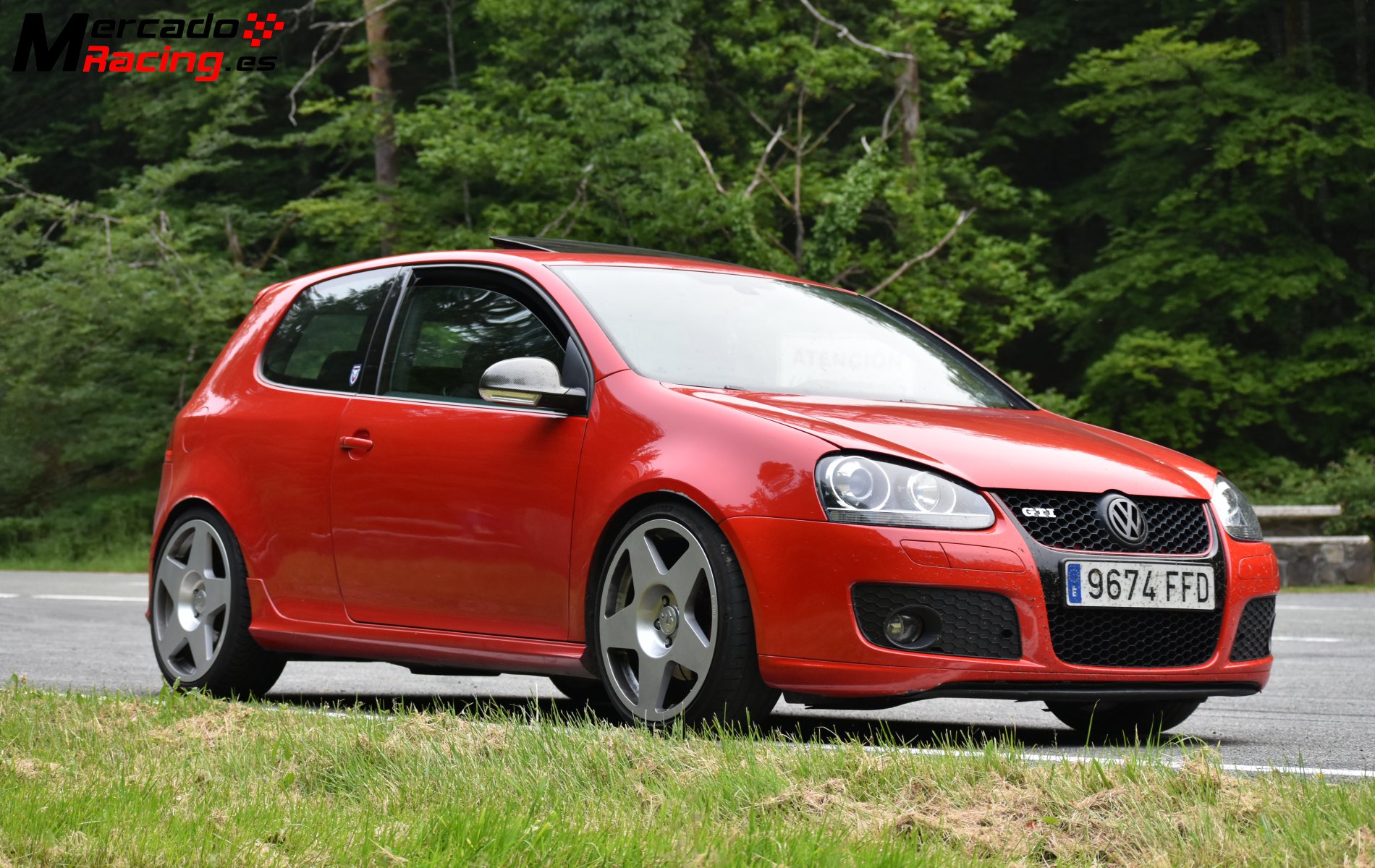
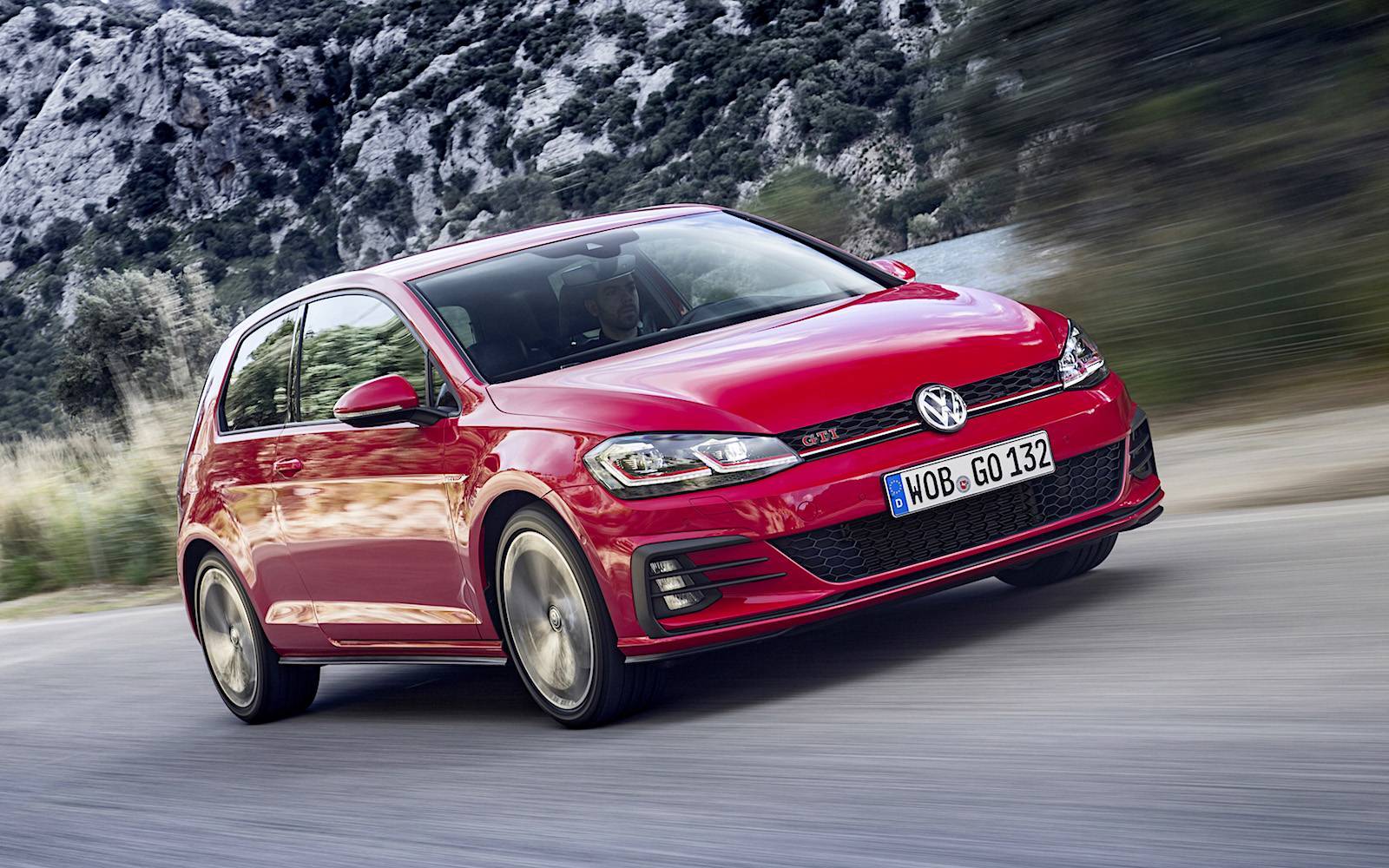
The 2017 Volkswagen GTI sprints from 0 to 60 mph in approximately 5.8 to 6.2 seconds, depending on whether it is equipped with the standard manual transmission or the optional Direct Shift Gearbox (DSG) automatic, alongside trim-specific performance packages.
Understanding the 2017 Volkswagen GTI Performance Framework
The 2017 Volkswagen GTI occupies a legendary space in the automotive landscape. As a cornerstone of the hot hatchback segment, it balances everyday practicality with engaging driving dynamics. When enthusiasts analyze the 2017 Volkswagen GTI 0-60 performance metrics, they are looking at a vehicle designed to punch above its weight class. Powered by a 2.0-liter turbocharged inline-four engine, this iteration of the MK7 generation refined the formula that made hot hatches immensely popular worldwide.
Evaluating the acceleration capabilities of this car requires looking beyond a single static number. Factors such as transmission type, tire compound, climate conditions, fuel quality, and whether the car features the Performance Package heavily influence how quickly it reaches highway speeds. Understanding these variables provides a complete picture of what drivers can expect from the hatchback in real-world scenarios.
Powertrain Specifications and Output Variants
At the heart of the 2017 Volkswagen GTI lies the EA888 Gen 3 2.0-liter turbocharged four-cylinder engine. This powerplant represents a masterclass in modern engineering, offering a broad torque band that delivers strong pulling power right off the line.
For the 2017 model year, Volkswagen offered two distinct power tiers depending on trim level selection:
- Standard GTI Models (S, SE, Autobahn): These configurations produce 210 horsepower at 4,500 to 6,200 rpm and 258 lb-ft of torque starting at an exceptionally low 1,500 rpm.
- Performance Package Models: Adding the factory Performance Package bumps the horsepower to 220 hp while retaining the same 258 lb-ft torque figure. Crucially, the package also introduces larger vented disc brakes borrowed from the Golf R and a electronically controlled torque-sensing limited-slip differential (VAQ).
This low-end torque delivery is the primary reason why the 2017 Volkswagen GTI 0-60 performance figures remain impressive. Peak torque arrives just above idle, minimizing turbo lag and allowing the car to launch with minimal hesitation.
Transmission Options: Manual vs. DSG Automatic
The transmission paired with the 2.0-liter turbo plays a definitive role in straight-line acceleration times. Buyers had a choice between a traditional 6-speed manual transmission and a lightning-fast 6-speed dual-clutch automatic transmission, known as the DSG.
The 6-Speed Manual Transmission
Purists often gravitate toward the 6-speed manual for its engaging clutch pedal feel and mechanical feedback. However, in pure drag-strip metrics, human shifting introduces fractional delays compared to computer-controlled gear changes. A proficient driver executing a clean launch can achieve a 0-60 mph time of around 6.1 to 6.2 seconds in a manual-equipped 2017 GTI.
The 6-Speed DSG Automatic Transmission
The DSG transmission utilizes dual clutches to pre-select the next gear, resulting in virtually instantaneous upshifts. Furthermore, models equipped with the DSG feature launch control functionality. By holding the brake, building boost, and releasing the brake pedal, the car manages wheelspin and optimizes power delivery. Consequently, a DSG-equipped 2017 GTI with the Performance Package routinely achieves 0-60 mph sprints in 5.8 to 5.9 seconds.
Real-World Testing and Performance Factors
Factory specifications provide a baseline, but real-world testing conditions reveal how the car behaves outside a controlled laboratory environment. Several environmental and mechanical factors heavily influence acceleration times:
- Tire Compound and Condition: Front-wheel-drive vehicles like the GTI rely heavily on front tire grip during launch. Worn tires or all-season compounds in cold weather will induce wheelspin, delaying the 0-60 mph run. High-performance summer tires significantly improve traction.
- Ambient Temperature and Density Altitude: Turbocharged engines are sensitive to intake air temperatures. Cooler ambient air increases air density, boosting oxygen levels and yielding better horsepower output during autumn and spring testing sessions compared to hot summer afternoons.
- Fuel Octane: While the engine can run on regular unleaded fuel, it pulls ignition timing to prevent knocking when lower octane is used. Running premium 91 or 93 octane fuel ensures the engine operates at peak ignition timing, delivering maximum power.
- Driver Weight and Cargo: Additional weight in the cabin reduces power-to-weight ratios. Track testers typically evaluate vehicles with minimal fuel and a single driver to record optimal times.
Comprehensive Performance Comparison Table
To clearly distinguish how different configurations affect the vehicle's capabilities, the following table outlines the mechanical differences and corresponding acceleration metrics for the 2017 model year.
| Trim Level & Package | Transmission | Horsepower | Torque (lb-ft) | Est. 0-60 mph Time | Notable Upgrades |
|---|---|---|---|---|---|
| Base S / SE / Autobahn | 6-Speed Manual | 210 hp | 258 lb-ft | 6.2 seconds | Standard open differential, standard brakes |
| Base S / SE / Autobahn | 6-Speed DSG | 210 hp | 258 lb-ft | 5.9 seconds | Launch control, dual-clutch automatic |
| Performance Package | 6-Speed Manual | 220 hp | 258 lb-ft | 6.0 seconds | VAQ limited-slip diff, larger Golf R brakes |
| Performance Package | 6-Speed DSG | 220 hp | 258 lb-ft | 5.8 seconds | VAQ differential, launch control, larger brakes |
Handling, Chassis Dynamics, and Power Delivery
Acceleration is only one facet of a hot hatchback's persona. The chassis architecture of the 2017 Volkswagen GTI—built on the Volkswagen Group MQB platform—provides a rigid, lightweight foundation that complements its straight-line speed.
When launching hard, the front-wheel-drive layout naturally induces weight transfer to the rear, unloading the front wheels. In non-Performance Package cars, this can lead to inner wheel spin as the open differential struggles to distribute power effectively. The mechanical/electronic VAQ differential included in the Performance Package actively mitigates this by vectoring torque to the outside wheel with the most grip. This keeps the car tracking straight under heavy acceleration and pulls the vehicle tightly through apexes, translating engine power directly into forward momentum without excessive electronic intervention from traction control systems.
Aftermarket Tuning and Performance Modifications
Many owners look beyond factory specifications to enhance the 2017 Volkswagen GTI 0-60 performance via aftermarket modifications. Because the EA888 engine is heavily over-engineered, it responds exceptionally well to software tuning.
- ECU Remapping (Stage 1 Tune): A simple Engine Control Unit software flash alters boost pressure, fuel mapping, and ignition timing. Without replacing any physical hardware, a Stage 1 tune can elevate output to over 270 horsepower and 300 lb-ft of torque on 93 octane fuel. This single modification frequently drops the 0-60 mph time into the low-to-mid 5.0-second range.
- Cat-Back Exhaust and Downpipe: Upgrading the exhaust system reduces backpressure, allowing the turbocharger to spool faster and marginally improving exhaust gas flow.
- Upgraded Intercoolers: Sustained high-performance driving causes intake air temperatures to rise, triggering heat soak. An upgraded front-mount intercooler maintains dense, cool air charges during repeated acceleration runs.
Drivers considering modifications should note that increased power puts additional wear on clutches in manual transmissions, often requiring an upgraded heavy-duty clutch kit to prevent slipping under high torque loads.
Frequently Asked Questions
Does the 2017 Volkswagen GTI have launch control?
Yes, but exclusively on models equipped with the 6-speed DSG automatic transmission. Manual transmission variants rely entirely on driver clutch modulation and throttle control to manage launches.
Is the Performance Package worth looking for on a used 2017 GTI?
Yes. The Performance Package is highly sought after because it adds the torque-sensing limited-slip differential, larger brakes, and a 10-horsepower bump. It significantly improves both straight-line traction and cornering agility.
What kind of fuel should I use to get the best 0-60 performance?
Using premium fuel (91 octane or higher) is recommended. While the engine computer adjusts timing to run on regular 87 octane safely, peak horsepower and torque figures require premium fuel to avoid timing retard.
Can the stock manual transmission handle engine tunes?
The stock manual clutch can handle minor power increases, but aggressive ECU tunes that significantly boost torque will often cause the factory clutch disc to slip, requiring an aftermarket clutch upgrade.
How does altitude affect the 2017 Volkswagen GTI's acceleration?
Because the GTI utilizes a turbocharger, it compensates for thin air at high altitudes better than naturally aspirated engines. However, extreme high-altitude locations will still see slightly slower acceleration times due to reduced ambient oxygen density.
Final Recommendations for Enthusiasts
For buyers or enthusiasts evaluating the 2017 Volkswagen GTI 0-60 performance capabilities, prioritizing a model equipped with the Performance Package and the DSG transmission yields the quickest factory acceleration times out of the box. Those who prefer the tactile engagement of a manual gearbox will sacrifice a few tenths of a second to 60 mph, but gain a more traditional driving experience. When inspecting a used vehicle, ensure that routine maintenance—particularly DSG fluid changes every 40,000 miles—has been strictly observed to maintain optimal transmission performance and launch reliability.