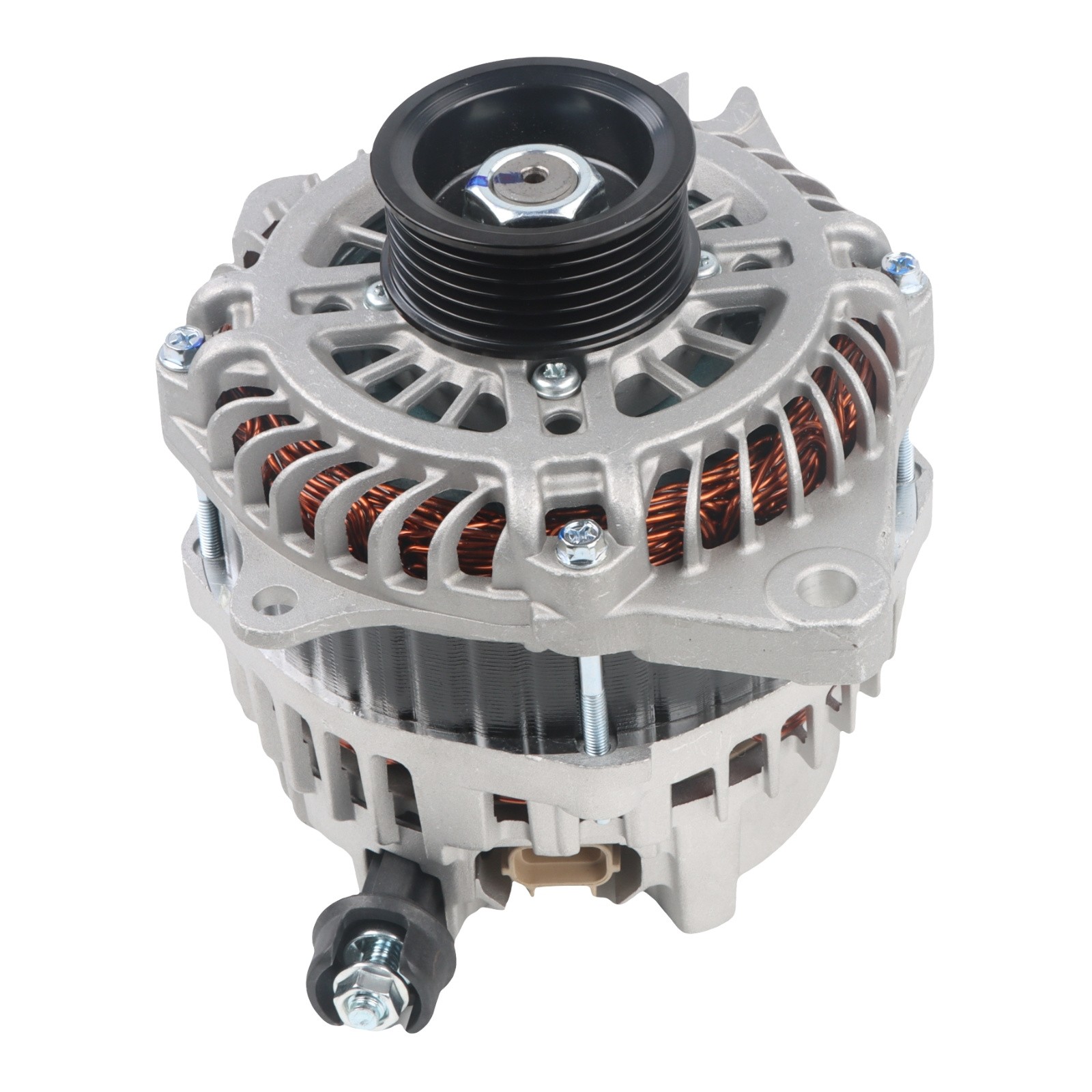
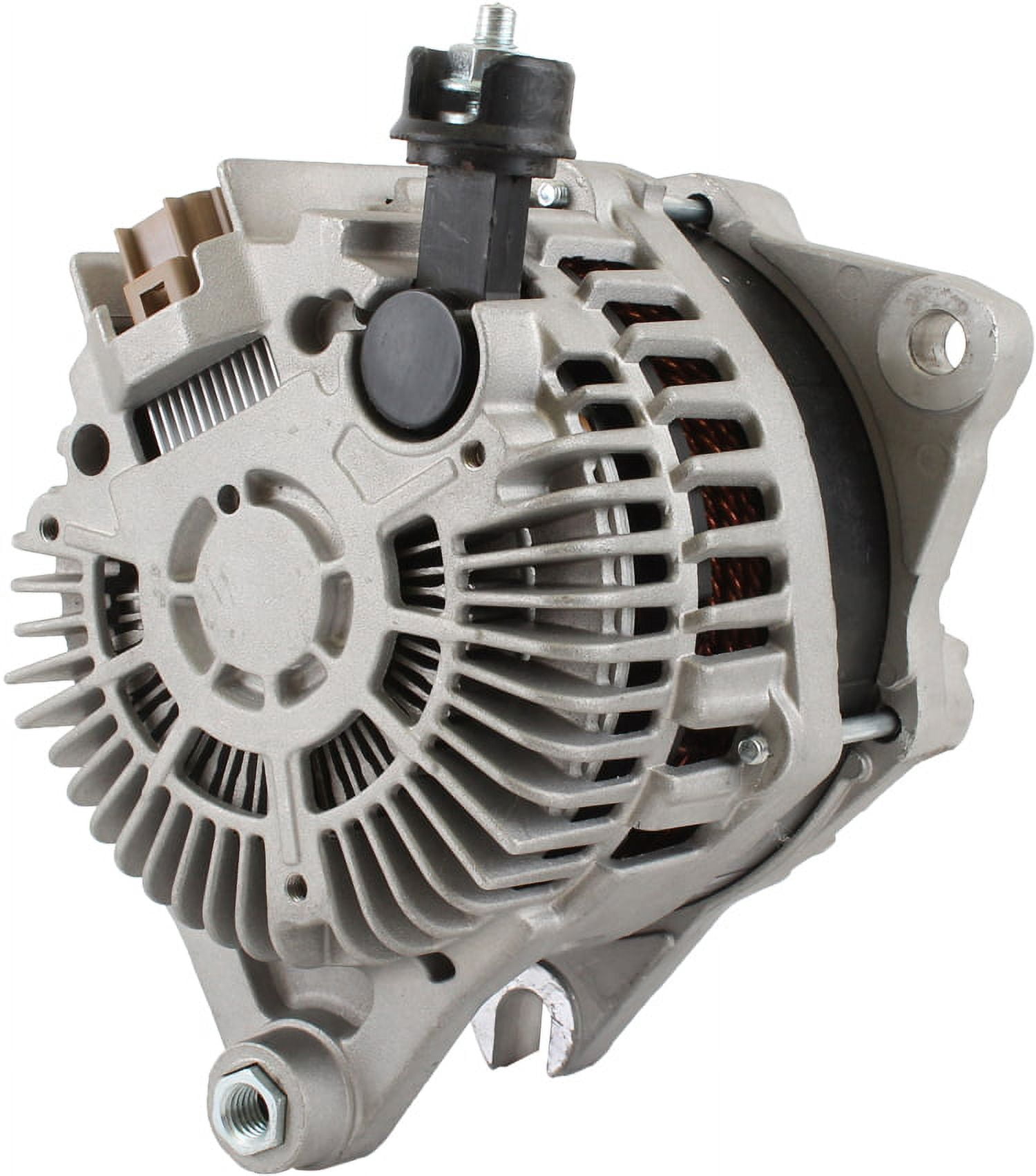
Replacing the alternator on a 2011 Ford Edge typically costs between $550 and $950 when performed by a professional shop, with parts generally ranging from $250 to $500 and labor accounting for two to four hours of billable time. While the total timing depends on the engine configuration—specifically the 3.5L V6 or the 2.0L EcoBoost—proper diagnosis and preparation are essential to ensuring a successful repair.
Understanding the Role of the Alternator in the 2011 Ford Edge
The alternator serves as the primary electrical generator for your vehicle. Once the engine is running, the alternator produces alternating current (AC), which is converted into direct current (DC) by an internal rectifier. This power is essential for two main functions: charging the 12-volt battery and powering the vehicle's electrical systems, such as the headlights, infotainment console, ignition system, and engine control unit.
In the 2011 Ford Edge, the alternator is subjected to significant thermal and mechanical stress. Over time, the internal components—such as the brushes, voltage regulator, or diodes—experience natural wear. When the alternator begins to fail, the vehicle’s electrical system must rely solely on the battery, which can only sustain the car for a limited time before the engine stalls. Identifying the signs of an impending failure is critical to avoiding a roadside breakdown.
Common Symptoms of Alternator Failure
Before committing to a replacement, it is important to confirm that the alternator is indeed the culprit. Many symptoms associated with a bad alternator can also point to a depleted battery or loose electrical connections.
- Battery Warning Light: The most common indicator is a battery-shaped light illuminating on your dashboard. This signals that the vehicle is no longer receiving the expected voltage output from the charging system.
- Dimming or Flickering Lights: If your headlights appear dim while idling but brighten when you rev the engine, the alternator is likely failing to maintain a consistent output.
- Strange Noises: A grinding or whining noise coming from the front of the engine often indicates worn-out bearings within the alternator.
- Electrical Glitches: Because the 2011 Ford Edge relies heavily on sensors and electronic control modules, a failing alternator may cause erratic behavior in the power windows, radio, or instrument cluster.
- Dead Battery/Starting Issues: If your battery is brand new but the car refuses to start, the alternator may have failed to charge the battery during your last trip.
Estimated Cost Breakdown
Repair costs for a 2011 Ford Edge are influenced by your geographic location, the type of facility performing the work, and the quality of the replacement part.
Professional Shop vs. Dealership
- Dealerships: Expect to pay higher labor rates ($150–$220 per hour) and pay a premium for Original Equipment Manufacturer (OEM) parts. While the cost is higher, the labor is usually performed by technicians certified in Ford’s specific diagnostic procedures.
- Independent Mechanics: These shops often offer lower hourly rates and may provide options for aftermarket parts, which can significantly reduce the final invoice.
Parts Quality
- New OEM Units: These are the most expensive options but offer the highest reliability and perfect compatibility.
- Remanufactured/Refurbished: These units have been professionally rebuilt with new wear components (brushes, bearings, regulators). They are a common, budget-friendly alternative that often comes with a solid warranty.
- Aftermarket/Budget: These are the cheapest options, but proceed with caution. Some lower-end aftermarket alternators have been reported to have shorter lifespans or compatibility issues with the Ford charging system.
Comparison of Replacement Approaches
| Approach | Estimated Total Cost | Labor Time | Reliability |
|---|---|---|---|
| DIY (Aftermarket Part) | $200 – $400 | 3–5 hours | Variable |
| Independent Shop | $500 – $800 | 2–3 hours | Moderate/High |
| Ford Dealership | $750 – $1,100 | 2–3 hours | Highest |
Note: The labor time provided assumes a technician with access to standard shop tools. DIY timing may vary based on mechanical experience.
Timing and Complexity of the Procedure
The difficulty of replacing an alternator on a 2011 Ford Edge depends largely on which engine your vehicle is equipped with. The 3.5L V6 engine, while robust, has a tighter engine bay layout compared to some smaller displacement engines.
1. Diagnosis (30–60 minutes)
A professional technician will use a multimeter to check the battery voltage while the engine is off (usually around 12.6V) and while the engine is running (ideally 13.5V to 14.5V). If the voltage does not rise when the engine is running, the alternator is failing.
2. Preparation (30 minutes)
This involves disconnecting the negative battery terminal to prevent electrical shorts. This is a vital safety step; failing to disconnect the battery can result in arcing when the alternator's main charging cable is removed.
3. Removal and Installation (2–3 hours)
This phase includes:
- Removing the drive belt (serpentine belt).
- Removing any obstructions that block access to the alternator mounting bolts.
- Disconnecting the electrical harness and the main positive cable.
- Unbolting the unit and extracting it from the engine bay.
- Installing the new unit in reverse order, ensuring the belt tension is correct.
Troubleshooting and Potential Pitfalls
Even after replacing the alternator, you may encounter issues if the surrounding electrical ecosystem is not addressed. One of the most common mistakes is failing to check the battery and the battery cables during the alternator swap. A failing alternator places excessive strain on the battery, often shortening its lifespan. If you install a new alternator but leave a degraded, weak battery in place, the new unit may work harder than intended, potentially leading to premature failure.
Additionally, always inspect the serpentine belt. If the belt is cracked, frayed, or glazed, it will slip on the alternator pulley, causing inadequate charging. It is standard practice to replace the belt simultaneously if it shows any signs of wear.
Finally, verify that all electrical connections are clean and tight. Corrosion on the battery terminals or the main charging post can create high resistance, leading to the same "no charge" symptoms that a faulty alternator produces. Use a wire brush to clean terminals and apply a thin layer of dielectric grease to prevent future oxidation.
Frequently Asked Questions
Is it safe to drive with a bad alternator?
No. You should not drive a vehicle with a known alternator failure. Once the battery loses its charge, the car will stall unexpectedly, likely in traffic. You will lose power steering, braking assistance, and engine control, which creates a significant safety hazard.
Should I replace the battery at the same time?
It is highly recommended. A failing alternator often leaves a battery in a deeply discharged state, which causes internal chemical damage. If your battery is more than three years old, installing a new alternator without replacing the battery is a risk that may result in an immediate charging system fault.
Can I rebuild the alternator myself?
While technically possible, it is rarely cost-effective or practical for the average driver. Rebuilding requires specialized equipment for testing the diode bridge and the internal regulator. Most consumers are better served by purchasing a high-quality remanufactured unit from a reputable parts supplier.
Why does the alternator on the 2011 Ford Edge fail?
The most common point of failure is the voltage regulator or the internal brushes. Because the 2011 Ford Edge uses a "smart charge" system, the alternator is under constant demand from the vehicle's Computerized Power Management system, which creates thermal stress that leads to component fatigue over 100,000+ miles.
Will an aftermarket alternator cause check engine lights?
In some cases, yes. Ford’s electrical systems are calibrated to expect specific resistance values from the alternator. If an aftermarket part uses components that deviate significantly from OEM specifications, the PCM (Powertrain Control Module) may trigger a warning light or a specific diagnostic trouble code (DTC).
Recommended Next Steps
If you suspect your alternator is failing, start by visiting an auto parts store that offers free electrical system testing. They can confirm the failure quickly without cost. Once confirmed, prioritize your repair based on your comfort level with mechanical work. If you choose to perform the replacement yourself, ensure you have a factory service manual or a verified digital repair guide for the 2011 Ford Edge to handle the specific belt tensioning procedures. If you are not comfortable handling electrical components or working with serpentine belts, contact a local certified mechanic to receive a firm quote, ensuring they include a warranty for both parts and labor.