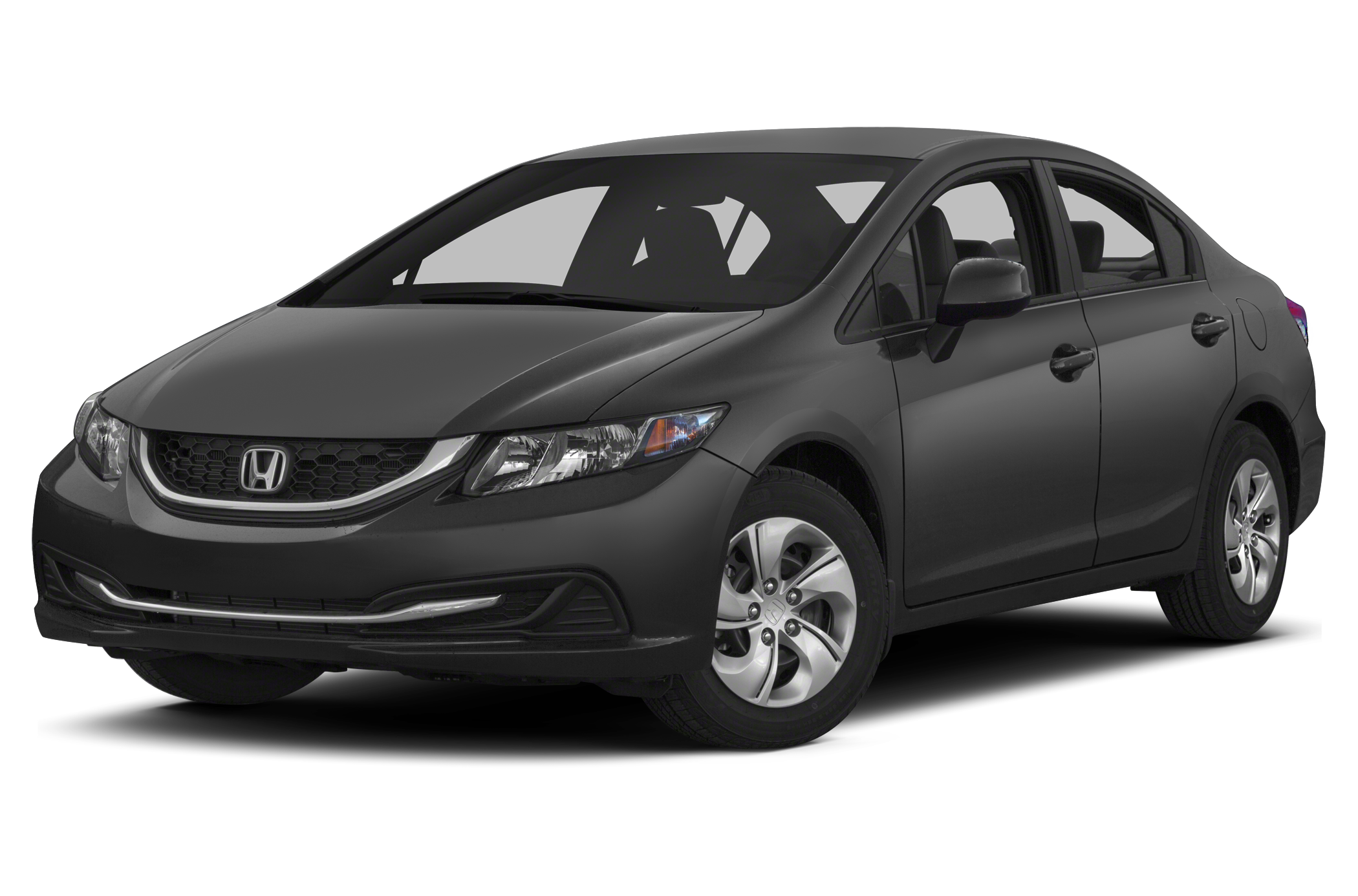
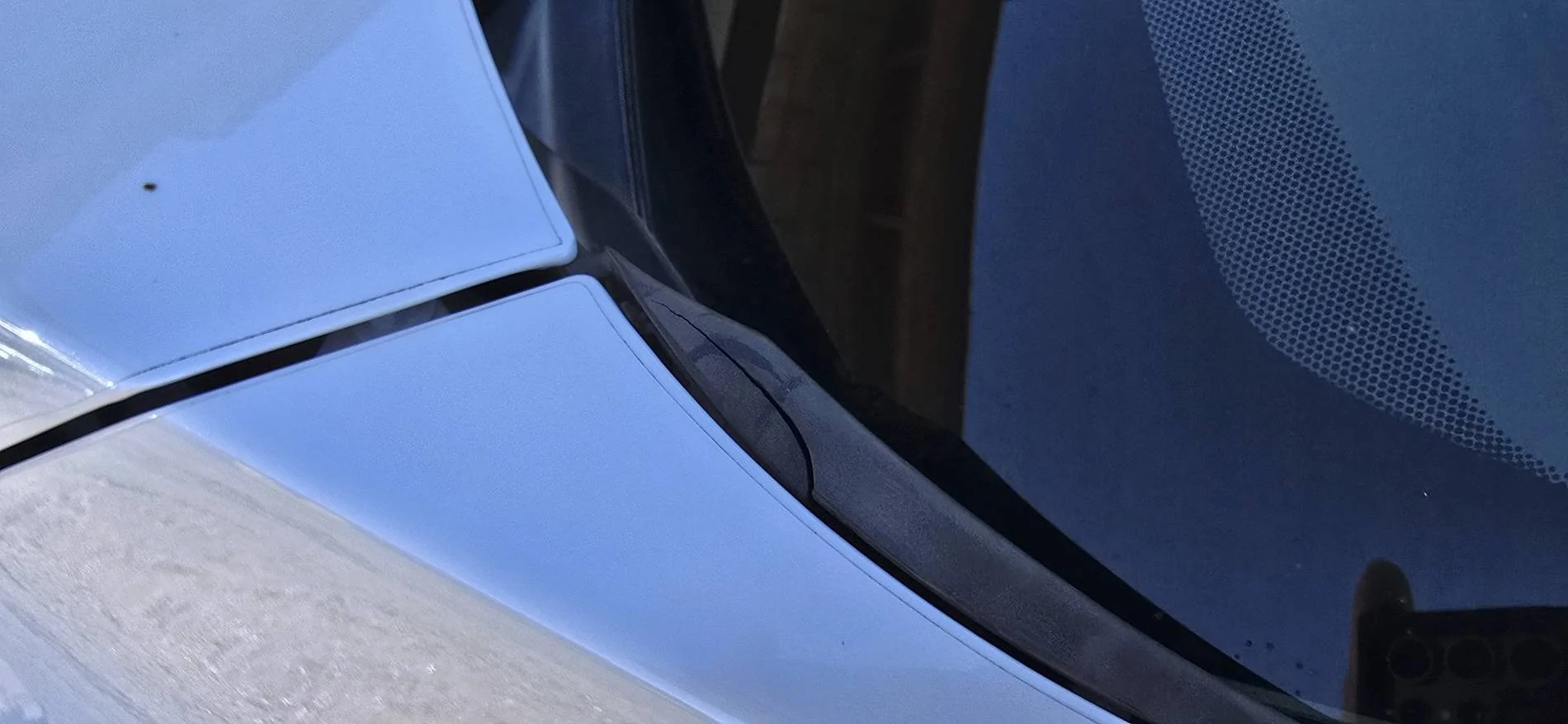
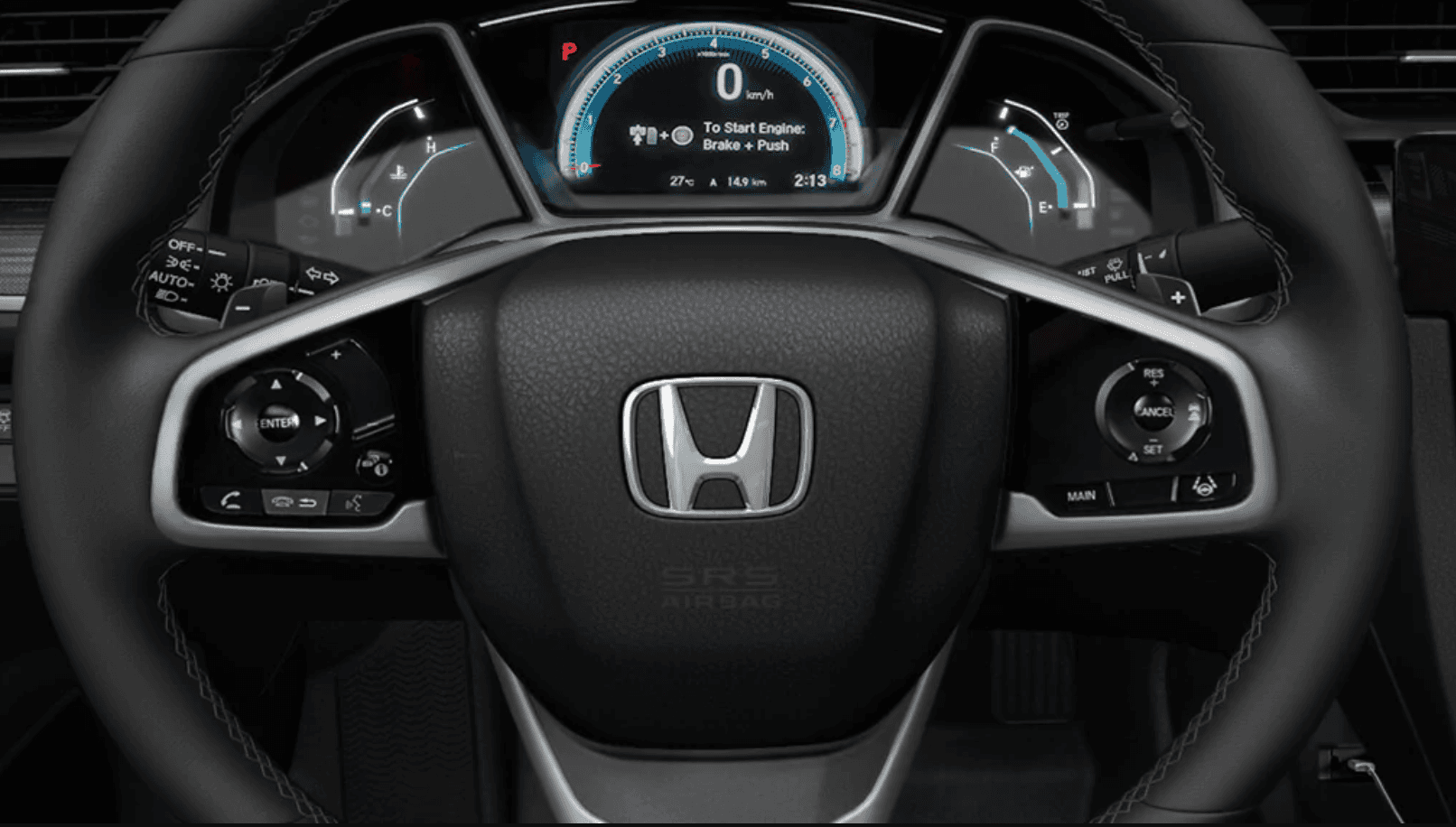
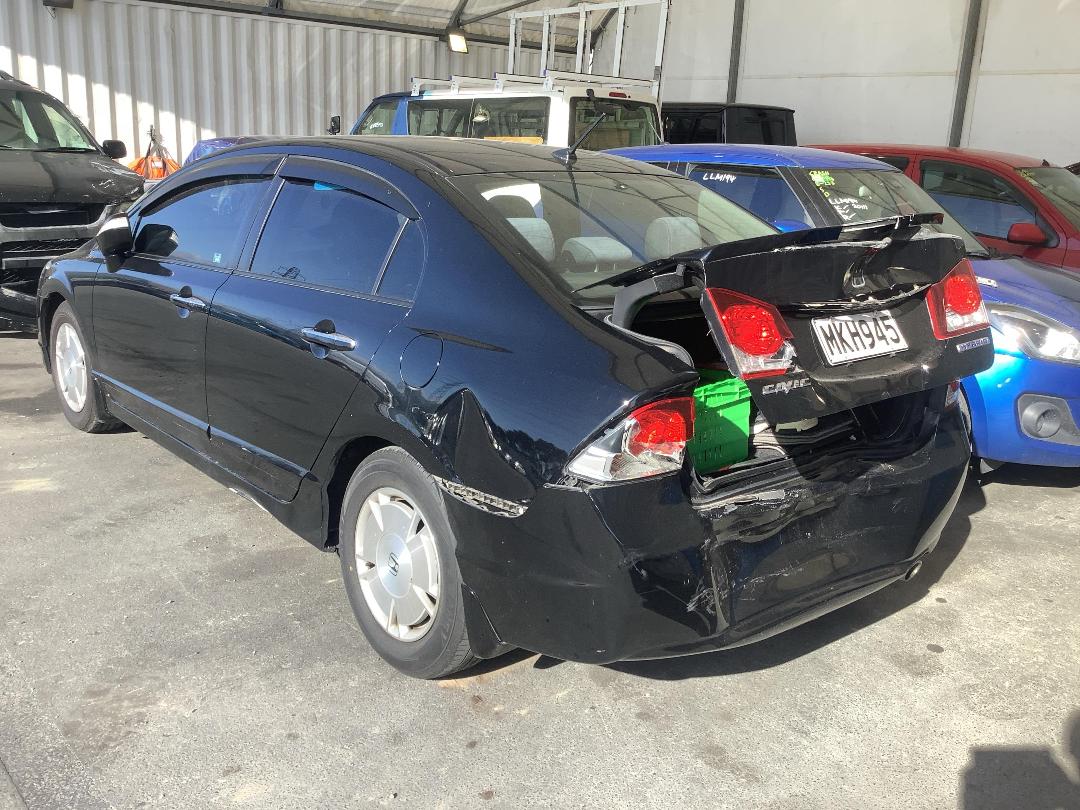
The 2007 Honda Civic typically reaches a lifespan of 200,000 to 300,000 miles when subjected to diligent maintenance and consistent care. While many units remain operational well beyond these figures, reaching such milestones depends heavily on the engine’s health, transmission integrity, and the owner’s commitment to addressing age-related mechanical fatigue.
Understanding the 2007 Honda Civic Powertrain
The 2007 Honda Civic represents a pivotal model year within the eighth generation (2006–2011). It was equipped primarily with a 1.8-liter i-VTEC four-cylinder engine paired with either a five-speed manual or a five-speed automatic transmission. From an engineering standpoint, this powertrain is regarded for its simplicity and reliability, utilizing a timing chain rather than a timing belt. This is a significant factor in the car's longevity, as chains generally do not require the periodic replacement that belts do, provided the oil is changed at proper intervals to maintain tensioner health.
However, longevity is not merely about engine design; it is about the intersection of material science and mechanical wear over nearly two decades. By 2026, even a low-mileage 2007 Civic has been exposed to nineteen years of environmental degradation. Factors such as oxidation, rubber seal hardening, and the degradation of plastic components under the hood become just as critical as the internal combustion metrics.
Key Factors Influencing Vehicle Longevity
When evaluating the life expectancy of an aging vehicle, it is essential to distinguish between a "dead" car and one that is simply "uneconomical to repair." Several variables dictate whether a 2007 Honda Civic will reach the 300,000-mile mark or fail prematurely:
- Oil Lubrication Intervals: The R18 engine is sensitive to oil cleanliness. Neglecting oil changes leads to sludge buildup, which can restrict oil passages and accelerate wear on the camshaft and cylinder walls.
- Transmission Maintenance: The automatic transmission in the 2007 model is a known weak point if fluid changes are ignored. Frequent transmission fluid flushes (or drain-and-fill services) using genuine Honda ATF-Z1 or compatible modern equivalents are vital for longevity.
- Corrosion Management: For vehicles in regions that utilize road salt, frame and subframe rust are the primary "killers" of these vehicles. Unlike engine components, which can be swapped, structural rust compromises the safety of the chassis and often leads to the car being totaled by insurers or repair shops.
- Cooling System Integrity: Honda engines of this era are prone to engine block cracking if they experience severe overheating. Ensuring the radiator, water pump, and thermostat are functioning correctly is the most effective way to prevent catastrophic engine failure.
Routine Maintenance and Replacement Cycles
To maximize the life of a 2007 Civic, owners must shift from a "reactive" maintenance mindset to a "proactive" one. As of 2026, most original components have exceeded their engineered service life.
| Component | Recommended Inspection/Replacement Interval |
|---|---|
| Engine Oil & Filter | Every 5,000 miles or 6 months |
| Transmission Fluid | Every 30,000 miles |
| Coolant System | Every 5 years or 60,000 miles |
| Spark Plugs | Every 100,000 miles |
| Drive Belt | Inspection every 30,000 miles; replace if cracked |
| Suspension Bushings | Inspection every 20,000 miles |
The transition from a daily driver to a high-mileage vehicle requires constant vigilance regarding peripheral systems. Electrical components—such as power window motors, door lock actuators, and the AC compressor clutch—often fail after 15 years. While these issues do not end the life of the car, they often lead owners to scrap the vehicle when the combined cost of repairs exceeds the vehicle’s depreciated value.
Common Mechanical Vulnerabilities
While the 2007 Civic is generally reliable, prospective buyers and long-term owners should be aware of specific technical issues that emerged during this model year.
The Engine Block Crack Issue
A known technical service bulletin (TSB) for the 2006–2009 Civics involved a manufacturing defect in the engine block that could lead to cracks and subsequent coolant leaks. Honda extended the warranty for this specific issue, but that coverage has long since expired. Owners should inspect the engine block for signs of "weeping" coolant or persistent overheating, as this remains the most significant threat to the engine’s overall life expectancy.
Suspension and Steering Wear
By 2026, the factory control arm bushings, ball joints, and struts have likely been replaced at least once. If these components have not been serviced, the vehicle will exhibit significant "slop" in the steering and excessive tire wear. Neglecting the suspension not only ruins ride quality but also increases the vibration and stress applied to the chassis, potentially leading to faster degradation of other parts.
Evaluating Repair vs. Replacement Value
In 2026, the market value of a 2007 Honda Civic is relatively low. For most owners, the decision to keep the car running is a financial calculation. If the engine and transmission are healthy, the vehicle serves as an excellent "budget" option because the insurance and registration costs are minimal compared to new vehicles.
However, if a major repair is required—such as a transmission replacement or significant engine work—the cost often approaches or exceeds the car's current market value. Experts recommend that if a 2007 Civic is free of major body rust and has no structural damage, investing in mechanical repairs is usually justified, as these vehicles are significantly simpler and more affordable to fix than modern, tech-heavy cars.
Frequently Asked Questions
Is it worth putting money into a 2007 Honda Civic in 2026? Yes, if the vehicle is rust-free and the transmission and engine are in good condition. The cost of parts for this generation remains low, and the vehicle is straightforward to repair, making it a cost-effective long-term transportation solution.
What is the most common reason a 2007 Civic stops running? Aside from accidents or collisions, the most common reasons are deferred maintenance leading to transmission failure, or critical cooling system failure leading to an overheated and cracked engine block.
Does the 2007 Honda Civic have a timing belt? No, the 2007 Honda Civic uses a timing chain, which is designed to last the life of the engine. It does not require the periodic replacement associated with timing belts, provided the oil is kept clean.
How can I tell if my 2007 Civic engine block is cracked? Look for unexplained coolant loss, white smoke from the exhaust, or a persistent smell of coolant under the hood. If the engine constantly runs hot or requires frequent top-ups of the coolant reservoir, it should be professionally inspected for hairline cracks.
What is the "high mileage" threshold for this model? While 200,000 miles is often considered a "high mileage" milestone, many 2007 Civics are still on the road with 250,000 or even 300,000 miles. The mileage itself is less important than the history of oil changes and transmission fluid services.
Next Steps for Owners
If you own a 2007 Honda Civic and intend to keep it running for years to come, prioritize an immediate full-system inspection. Have a trusted mechanic perform a compression test to check the engine's internal health, inspect the coolant system for leaks, and verify the condition of the transmission fluid. If these core areas are sound, continue with a strict regimen of fluid changes and address minor wear items—like tires, brakes, and suspension bushings—as they arise. By staying ahead of minor repairs, you prevent the compounding effects of deferred maintenance that ultimately lead to vehicle retirement.