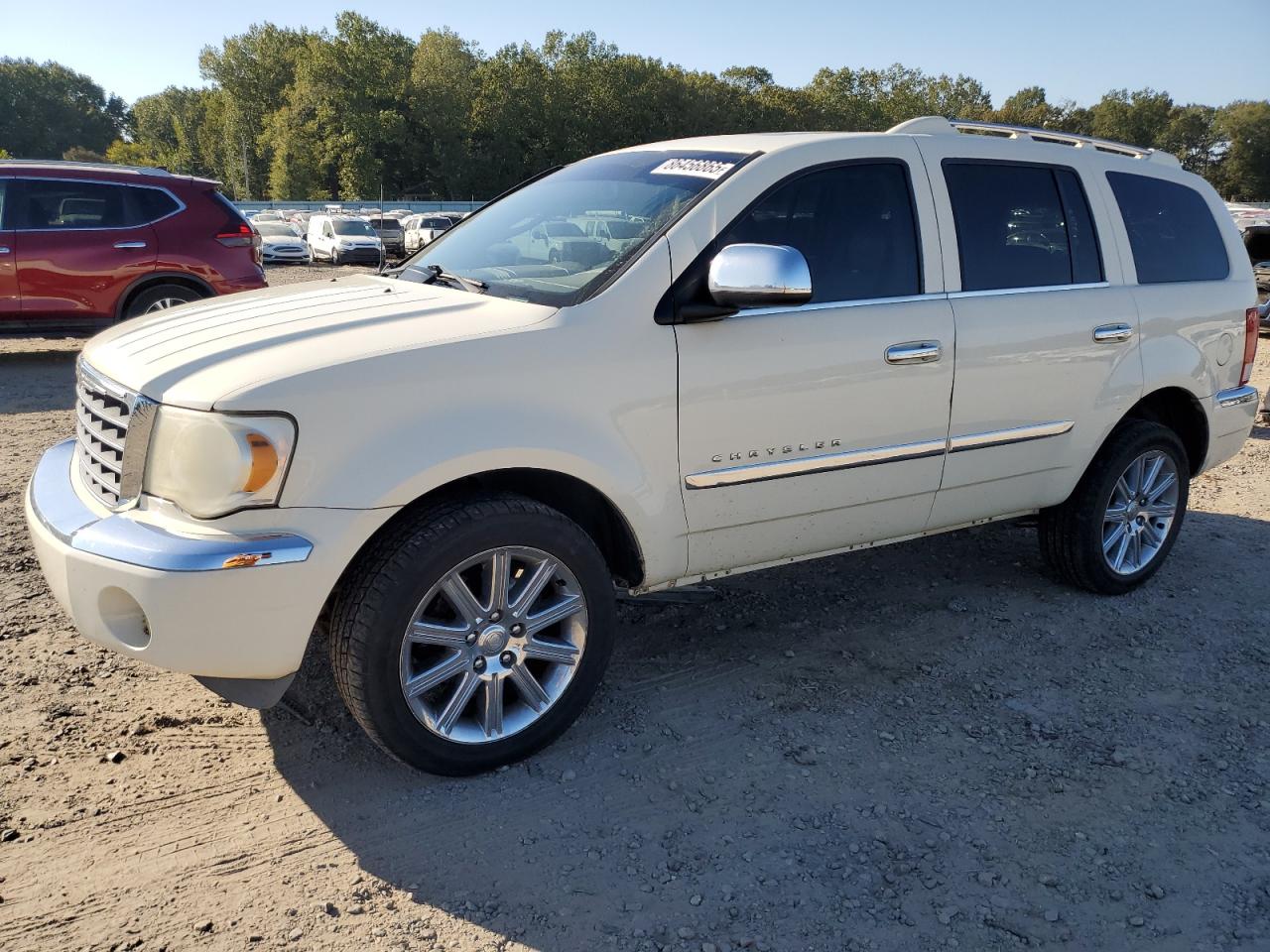
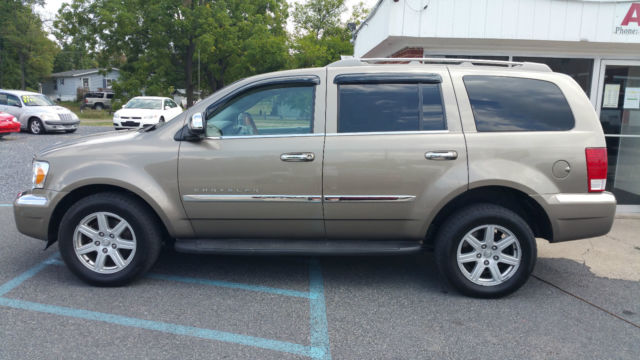
The 2007 Chrysler Aspen Limited Sport Utility 4-Door represents Chrysler’s entry into the luxury SUV market during the mid-2000s, built on the robust Dodge Durango platform. It balances traditional body-on-frame towing capability with premium interior appointments, offering potential owners a distinct alternative to contemporary offerings from Chevrolet or Ford, provided they account for its significant fuel consumption and specific maintenance requirements.
Historical Context and Market Positioning
Launched for the 2007 model year, the Chrysler Aspen was marketed as the brand’s first-ever SUV. It was designed to bridge the gap between mass-market utility vehicles and the luxury segment. By utilizing the chassis of the second-generation Dodge Durango, Chrysler ensured the Aspen possessed authentic "truck-like" capabilities, including substantial towing capacity and a rear-wheel-drive or four-wheel-drive configuration.
The "Limited" trim acted as the top-tier offering for the 2007 model year. Unlike the base models, the Limited trim was intended to showcase Chrysler's design language, featuring chrome-accented exterior trim, unique wheels, and an interior focused on leather upholstery and upgraded audio technology. For the secondary market in 2026, understanding this lineage is critical; because the vehicle shares its mechanical DNA with the Dodge Durango, parts availability remains relatively high, which is a significant advantage for long-term ownership.
Technical Specifications and Performance
The performance of the 2007 Chrysler Aspen Limited is defined by its engine options and drivetrain configuration. Most Limited models were equipped with the 5.7-liter HEMI V8 engine, a powerhouse known for its significant torque.
Powertrain Overview
The 5.7L HEMI V8 engine features the Multi-Displacement System (MDS), which was designed to deactivate four of the eight cylinders during highway cruising to improve fuel efficiency. While revolutionary for its time, prospective owners should verify the state of the valve lifters and the MDS solenoid pack, as these components are critical to the engine's long-term health.
- Engine: 5.7L HEMI V8
- Horsepower: Approximately 335 hp
- Torque: 370 lb-ft
- Transmission: 5-speed automatic
- Towing Capacity: Up to 8,950 lbs (when properly equipped)
The vehicle’s suspension is independent in the front with a solid rear axle, a setup that provides stable towing performance but results in a firmer ride compared to unibody crossovers of the same era.
Interior Features and Comfort
The interior of the 2007 Aspen Limited was designed to distinguish the vehicle from its Dodge sibling. Premium materials were prioritized, including leather-trimmed seating, power-adjustable pedals, and a dual-zone automatic climate control system.
When inspecting a 2007 model in 2026, the electronics suite is the primary area of concern. The Uconnect infotainment systems of this era are considered dated by modern standards. Many owners today opt to replace the original head unit with modern aftermarket displays that support smartphone integration, as the factory navigation systems rely on obsolete optical disc-based mapping.
Seating and Cargo
The Aspen Limited features a three-row seating configuration. The second row is typically a bench seat or captain’s chairs, while the third row is intended for smaller passengers or occasional use. With all seats folded, the cargo floor is relatively flat, providing significant utility for hauling large items.
Ownership Considerations: Maintenance and Longevity
Maintaining a 2007 Chrysler Aspen in 2026 requires a proactive approach. As these vehicles age, rubber components, cooling system hoses, and suspension bushings become the most common failure points.
Common Maintenance Items
- Suspension Bushings: The heavy frame and weight of the vehicle exert significant stress on the suspension. Check for cracking or play in the control arm bushings.
- Cooling System: Replace the thermostat and check the coolant reservoir for signs of sludge. The 5.7L HEMI is sensitive to overheating.
- Electrical Grounds: Like many vehicles from this period, the electrical system can suffer from grounding issues. If dashboard lights flicker or the radio resets, check the main ground straps between the engine block and the chassis.
- Brake Systems: Given the curb weight of the Aspen, the brake rotors and pads require frequent inspection. High-quality ceramic pads are recommended to manage heat dissipation during heavy-duty use.
Comparison with Similar Vehicles
Prospective buyers often weigh the Aspen against other domestic SUVs from the mid-2000s. The table below outlines how the 2007 Aspen Limited compares to its primary market rivals.
| Feature | 2007 Chrysler Aspen Limited | 2007 Chevrolet Tahoe LT | 2007 Ford Expedition Eddie Bauer |
|---|---|---|---|
| Engine | 5.7L V8 | 5.3L V8 | 5.4L V8 |
| Towing | 8,950 lbs | 7,700 lbs | 9,200 lbs |
| Drivetrain | RWD/4WD | RWD/4WD | RWD/4WD |
| Key Advantage | Power-to-weight ratio | Resale value | Cargo versatility |
Fuel Economy and Environmental Impact
The 2007 Chrysler Aspen Limited is classified as a heavy-duty light truck in many jurisdictions due to its gross vehicle weight rating (GVWR). Consequently, fuel economy is low by modern standards. Expect to average 13–15 miles per gallon in mixed driving conditions. In 2026, this vehicle is not suitable as a primary commuter for long distances but remains a highly capable platform for occasional towing or short-distance heavy lifting.
Troubleshooting Common Issues
When the "Check Engine" light illuminates on a 2007 Aspen, the most common diagnostic codes relate to the Exhaust Gas Recirculation (EGR) valve and oxygen sensors. Because the vehicle uses a fairly standard OBD-II protocol, an inexpensive scan tool can provide most of the necessary troubleshooting data.
Another frequent complaint involves the rear HVAC controls. The blend door actuators often fail, resulting in a clicking noise from the dashboard or a lack of temperature control in the rear seating area. This is a labor-intensive repair as it often requires partial disassembly of the interior trim, but the parts themselves are widely available through online automotive retailers.
Frequently Asked Questions
1. Can the 2007 Chrysler Aspen Limited run on modern ethanol-blended fuels?
Yes, the 5.7L HEMI V8 is designed to operate on E10 (10% ethanol) fuel. However, avoid using E85 (85% ethanol) unless the specific vehicle documentation explicitly states the engine is a Flex-Fuel variant, as the fuel lines and seals in this year model are generally not rated for high-ethanol content.
2. Is the 2007 Chrysler Aspen considered a reliable vehicle in 2026?
Reliability is contingent on past maintenance. The 5.7L HEMI engine is robust, but the transmission and electronic modules are susceptible to age-related failure. With meticulous service records, the drivetrain can comfortably exceed 200,000 miles.
3. Are replacement parts still widely available?
Yes. Because the Aspen shares the vast majority of its mechanical parts with the 2007 Dodge Durango, parts can be found at most automotive supply stores or ordered online. Body-specific parts, such as the grille or unique Limited badges, are harder to find and often require salvage yard sourcing.
4. What is the most important service interval to maintain?
Oil changes using the correct viscosity synthetic oil are critical for the MDS system in the HEMI engine. Failing to follow the oil change interval can cause sludge buildup that restricts the oil passages needed for the cylinder deactivation lifters to function correctly.
5. Does the Aspen Limited have known safety recalls?
Yes. Owners should visit the official government recall portal using the vehicle’s VIN to verify if any past recalls, such as those related to the ignition switch or airbag modules, were completed. Never purchase a used vehicle without verifying the status of all safety-related recalls.
Recommendation for Prospective Owners
If you are considering purchasing a 2007 Chrysler Aspen Limited, prioritize finding an example with a documented history of transmission service and suspension upkeep. Given the vehicle's age, the most valuable assets are the body panels and frame, as mechanical components are easily replaceable. Before finalizing any purchase, have a local mechanic perform a pre-purchase inspection specifically targeting the condition of the frame rails for rust and the functionality of the 4WD transfer case. This vehicle remains a powerful, comfortable, and capable tool for owners who understand its technical needs and are prepared to handle the fuel and maintenance costs associated with a V8-powered SUV.