A face transplant is a complex, multi-disciplinary surgical procedure that replaces all or part of a person's face using tissue from a deceased human donor. In the year 2020, this medical field achieved historic milestones, including the world's first simultaneous face and double-hand transplant on a single patient, pushing the boundaries of reconstructive microsurgery, immunology, and post-operative rehabilitation.
Introduction to Facial Vascularized Composite Allotransplantation
Facial vascularized composite allotransplantation (VCA) stands as one of the most intricate procedures in modern medicine. Unlike solid organ transplants, such as a kidney or a liver, which involve single organ systems, a face transplant combines skin, bone, muscle, nerves, blood vessels, and sometimes cartilage or teeth. The primary objective is both functional and aesthetic, aiming to restore critical physiological capabilities such as breathing, eating, speaking, blinking, and facial expression, alongside psychological rehabilitation for individuals suffering from severe facial disfigurement.
The historical timeline of facial transplantation began in 2005 with the first partial face transplant in France. Over the subsequent fifteen years, medical centers across the world—including institutions in the United States, France, Spain, Turkey, and China—refined surgical techniques, immunosuppressive regimens, and patient selection criteria. By 2020, the procedure transitioned from an experimental frontier to a viable, highly specialized intervention for select patients with catastrophic injuries caused by severe burns, trauma, cancer resection, or rare congenital conditions.
Historic Milestones Achieved in 2020
The year 2020 marked a watershed moment in reconstructive surgery due to unprecedented dual-organ and face transplant procedures performed at major academic medical centers. These breakthroughs demonstrated remarkable advancements in surgical coordination, tissue preservation, and immunological management.
The First Simultaneous Face and Double-Hand Transplant
In August 2020, a multidisciplinary team at NYU Langone Health performed the world's first successful simultaneous face and double-hand transplant on a patient named Joe DiMeo, who had sustained severe third-degree burns over 80 percent of his body from a vehicular accident.
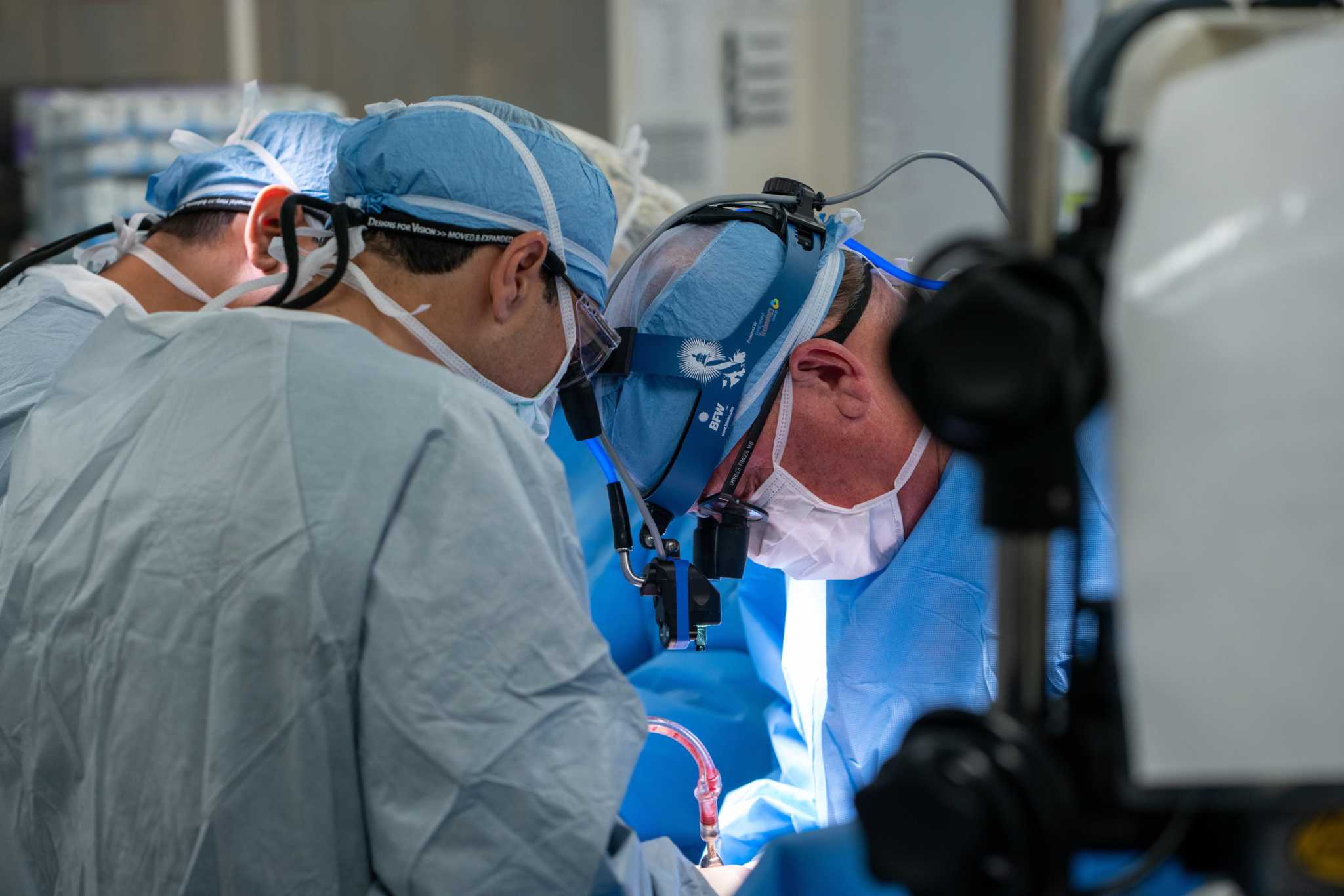
- Scale of the Operation: The surgery involved a team of over 140 medical professionals, including surgeons, nurses, anesthesiologists, and specialists, operating across multiple simultaneous surgical suites for 23 hours.
- Technical Complexity: Transplanting a face and both hands simultaneously requires meticulous revascularization and nerve coaptation at multiple levels—wrists, forearms, and complex facial structures—to ensure viable blood flow and long-term functional recovery.
- Donor Matching: Finding a compatible donor matching the recipient’s skin tone, skeletal structure, tissue type, and antibodies involved a nationwide search through the United Network for Organ Sharing (UNOS), with a statistical matching probability of less than 4 percent.
Continued Refinement of Protocol and Safety
Beyond individual high-profile cases, 2020 saw the consolidation of long-term data from earlier transplant cohorts. Centers tracking patients past the ten-year mark published critical findings regarding chronic rejection rates, opportunistic infections, and metabolic side effects associated with lifelong immunosuppressive therapy. These insights allowed surgical teams to fine-tune induction therapies and minimize the toxicity of maintenance anti-rejection drugs like tacrolimus, mycophenolate mofetil, and corticosteroids.
Clinical Evaluation, Candidate Selection, and Requirements
Not every individual with severe facial disfigurement is a candidate for a face transplant. The rigorous evaluation process ensures that patients can handle both the physical toll of major surgery and the lifelong commitment required post-operation.
Multidisciplinary Assessment Process
Candidates undergo an extensive screening phase lasting several months or even years. The evaluation committee typically includes plastic and reconstructive surgeons, transplant immunologists, psychiatrists, infectious disease specialists, bioethicists, and physical therapists.
- Physical Suitability: Surgeons assess the extent of the original injury, the health of remaining blood vessels, and the structural integrity of the underlying facial skeleton.
- Psychological Evaluation: Because altering a person's facial identity introduces profound psychological adjustments, candidates must demonstrate mental stability, realistic expectations, and a robust support system.
- Immunological Profiling: Panel-reactive antibody (PRA) testing is conducted to determine the patient's sensitivity levels, minimizing the risk of acute or hyperacute rejection.
Comparison of Reconstructive Options
| Reconstructive Method | Advantages | Limitations | Long-term Outlook |
|---|---|---|---|
| Traditional Autologous Reconstruction (Flaps/Grafts) | Uses patient's own tissue; no lifelong immunosuppression required. | Limited ability to restore complex facial expression and fine motor function; multiple donor-site morbidities. | Moderate functional recovery; often requires secondary revision surgeries. |
| Vascularized Composite Allotransplantation (Face Transplant) | Restores complex three-dimensional anatomy, facial expression, and vital functions (speech, mastication). | Requires lifelong immunosuppression; carries risks of rejection, infection, and malignancy. | High functional restoration; ongoing management of systemic side effects. |
| Prosthetic Rehabilitation (Silicone/Osseointegrated) | Non-invasive option; zero immunological risk. | Lacks dynamic movement, sensation, and natural skin texture; requires daily maintenance and replacement. | Static aesthetic result; susceptible to mechanical wear and environmental changes. |
Surgical Procedure and Immediate Post-Operative Care
The execution of a facial transplant is an ultra-specialized marathon requiring microscopic precision.
Surgical Steps
- Donor Tissue Harvesting: Concurrently, a separate surgical team harvests the donor allograft, which can include skin, subcutaneous fat, muscles of facial expression, facial nerve branches, bone structures (such as the mandible, maxilla, nose, or palate), and blood vessels.
- Recipient Preparation: The surgical team on the recipient debrides scar tissue, exposes healthy blood vessels (such as the facial artery and vein or temporal vessels), and prepares the remaining bone structure for osteosynthesis (plating and screwing).
- Microvascular Anastomosis: Surgeons use high-powered operating microscopes and microscopic suture lines finer than a human hair to connect arteries and veins, immediately restoring blood flow and perfusion to the allograft.
- Nerve Repair: Motor and sensory nerves—principally branches of the facial nerve (cranial nerve VII) and trigeminal nerve (cranial nerve V)—are meticulously aligned and sutured to encourage neural regeneration.
Immediate Post-Operative Management
Following surgery, the patient is transferred to an intensive care unit (ICU) specialized in transplant care. Continuous monitoring focuses on tissue perfusion, blood pressure stabilization, and aggressive immunosuppression induction. Physical therapy, occupational therapy, and speech-language pathology begin almost immediately to stimulate early muscle activation and prevent contractures.
Long-Term Recovery, Immunosuppression, and Rehabilitation
The journey of a face transplant recipient extends far beyond the operating room. Long-term success relies on a strict medical regimen and continuous rehabilitation.
Immunosuppressive Therapy and Risks
To prevent the recipient's immune system from recognizing the donor tissue as foreign and initiating rejection, patients must take immunosuppressive medications for the rest of their lives. While these drugs prevent organ loss, they suppress the body's natural defense mechanisms, increasing susceptibility to:
- Opportunistic infections (viral, bacterial, and fungal)
- Nephrotoxicity (kidney damage)
- Metabolic disorders (such as post-transplant diabetes)
- Increased risk of certain malignancies, including skin cancers and lymphoproliferative disorders
Functional and Psychological Rehabilitation
Regaining control over a transplanted face is a neurological process. Because the donor nerves must grow into the recipient's neural pathways at a rate of roughly one millimeter per day, meaningful motor function typically takes months to emerge. Patients engage in daily facial retraining exercises, mirror biofeedback, and speech therapy to regain the ability to smile, speak clearly, chew, and convey emotions. Psychological support remains essential to help patients integrate their new facial identity into their self-image.
Frequently Asked Questions
Does a face transplant patient look like the donor?
No. While the underlying bone structure of the donor influences the overall facial contour, the soft tissue adapts to the recipient's underlying skeletal frame, muscle attachments, and fat distribution. Consequently, the recipient generally maintains a unique appearance that is distinct from both their pre-injury face and the donor's face.
How long does a face transplant last?
Unlike traditional medical devices, a vascularized composite allograft is living tissue. With proper maintenance, successful immunosuppression, and management of chronic rejection episodes, a face transplant can last for decades, functioning as a permanent reconstructive solution for the patient.
What are the primary causes that lead patients to need a face transplant?
Candidates typically suffer from severe facial disfigurements that cannot be adequately reconstructed using traditional autologous tissue transfer techniques. Common etiologies include high-voltage electrical burns, severe chemical burns, severe ballistic or vehicular trauma, aggressive tumor resections involving facial structures, and rare genetic or congenital malformations.
Is facial transplantation available at all major hospitals?
No. Facial transplantation is an extremely complex, highly regulated procedure performed only at specialized academic medical centers with dedicated multidisciplinary VCA teams, extensive research infrastructure, and institutional review board (IRB) approval.
How is tissue rejection managed in face transplants?
Acute rejection episodes, which can manifest as sudden skin rashes, swelling, or changes in tissue texture, are detected through routine clinical evaluations and confirmed via small skin biopsies of the allograft. These episodes are typically managed and reversed successfully with temporary adjustments or increases in systemic immunosuppressive medications or targeted steroid therapies.
Conclusion and Future Outlook
The advancements achieved around 2020 cemented facial transplantation as a remarkable triumph of modern reconstructive surgery. By successfully executing complex multi-organ combinations—such as the simultaneous face and double-hand transplant—medical science demonstrated that the limits of human tissue reconstruction continue to expand. While significant challenges remain, particularly regarding lifelong immunosuppression and donor scarcity, ongoing research into tolerance induction and tissue engineering holds promise for improving the safety, accessibility, and long-term outcomes of facial allotransplantation for future patients.