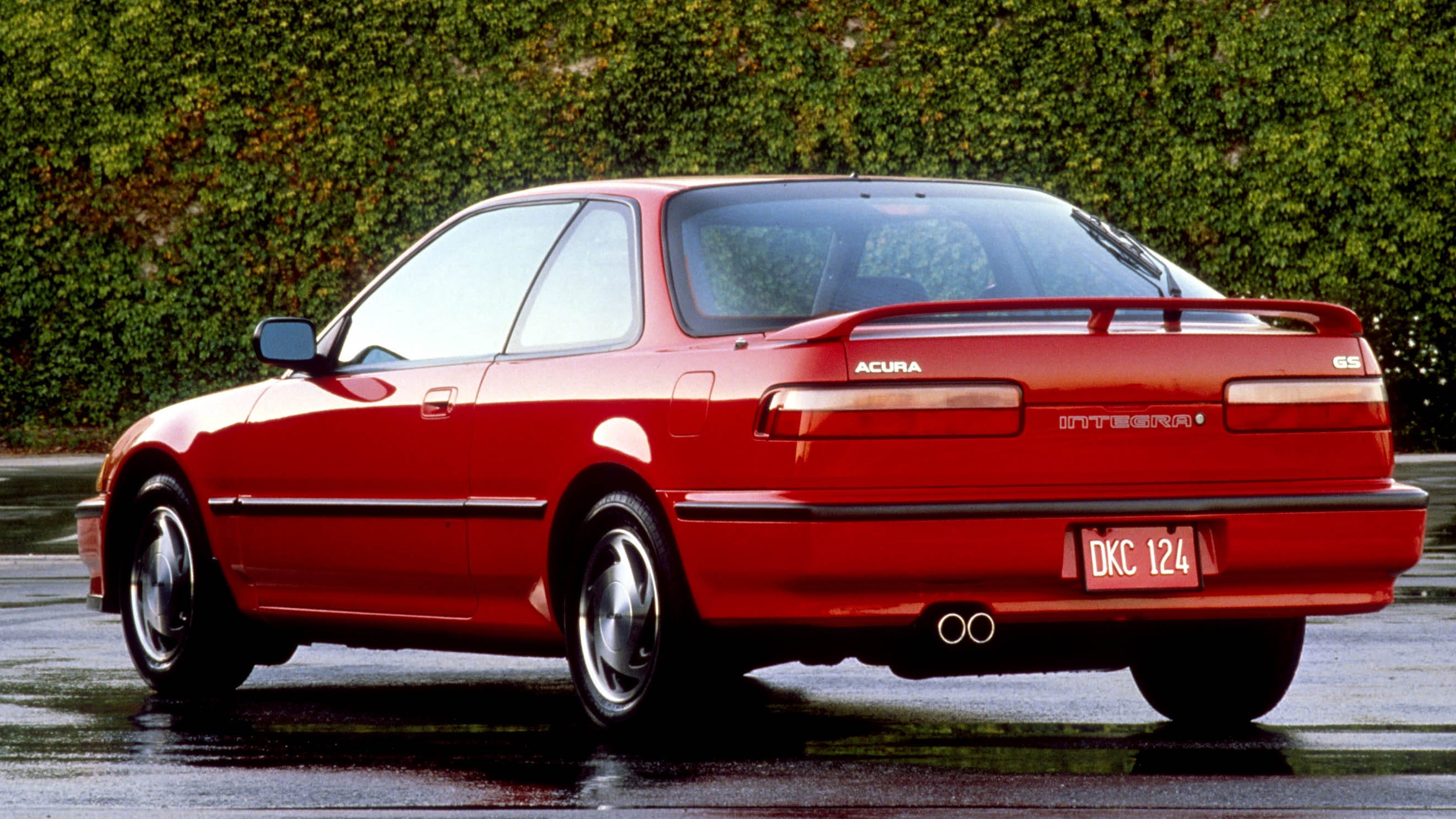
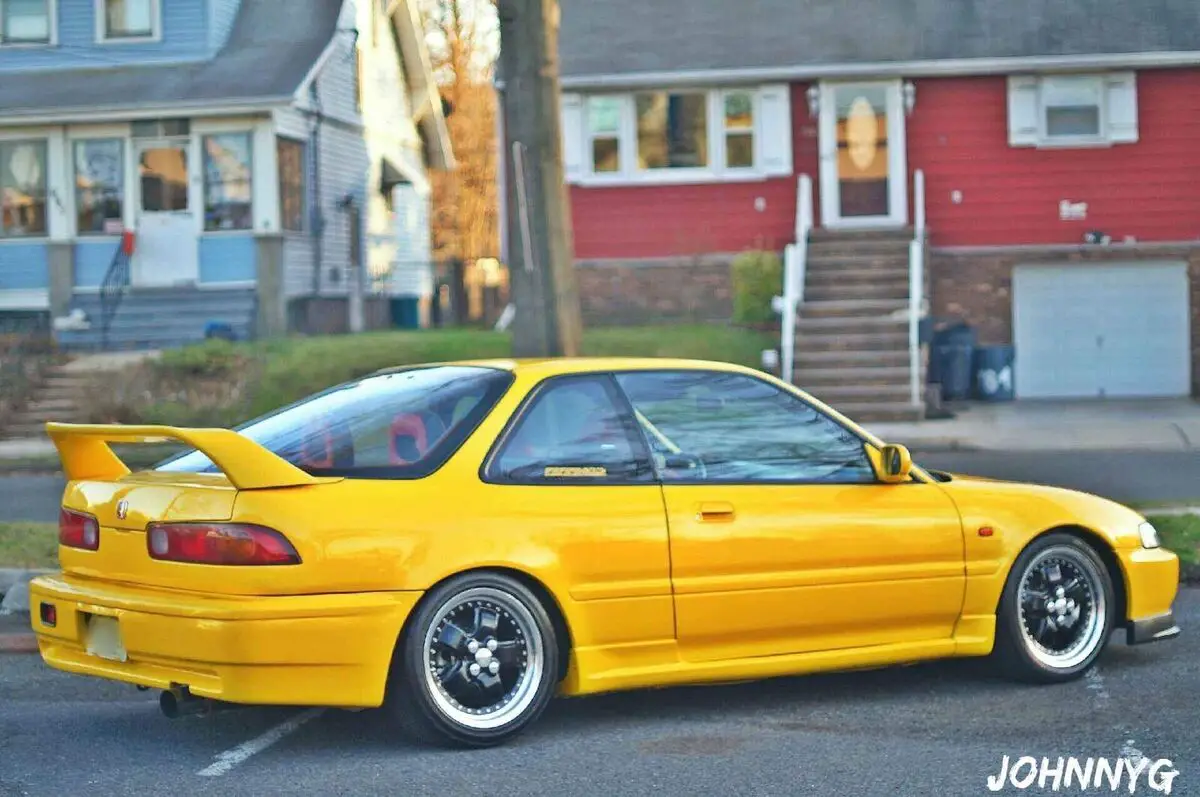
The 1990 Acura Integra RS represents the entry point of the second-generation (DA9) Integra, a vehicle that fundamentally reshaped the sport-compact landscape in North America. As the "Rally Sport" trim, the RS was the lightest and most focused version of the 1990 lineup, featuring a 1.8-liter DOHC B18A1 engine, a sophisticated double-wishbone suspension, and a driver-centric cockpit that prioritized mechanical purity over luxury amenities.
The Genesis of the Second-Generation Integra
When the 1990 Acura Integra debuted, it marked a significant departure from the original "Pop-up" headlight generation that helped launch the Acura brand in 1986. The second generation arrived with a more aerodynamic, "low-cowl" design philosophy that emphasized visibility and a low center of gravity. For the 1990 model year, the Integra was offered in three primary trims: the RS (Rally Sport), the LS (Luxury Sport), and the GS (Grand Sport).
The 1990 Acura Integra RS was positioned as the enthusiast’s blank canvas. By stripping away the weight of a sunroof, power locks, and heavy sound deadening, Acura created a car that was remarkably agile. In the context of 2026, the RS has transitioned from an affordable commuter to a highly sought-after vintage platform, specifically because its lack of "luxury" features makes it the stiffest and lightest chassis in the DA9 family.
Technical Specifications: The B18A1 Heart
At the core of the 1990 Integra RS is the B18A1 engine. While it did not yet feature the VTEC (Variable Valve Timing and Lift Electronic Control) technology that would later define the Integra line, it was an advanced powerplant for its era.
Engine and Performance
The B18A1 is a 1.8-liter, naturally aspirated, 16-valve Dual Overhead Cam (DOHC) inline-four. In 1990, this engine produced 130 horsepower and 121 lb-ft of torque. While these numbers may seem modest by 2026 standards, the car's curb weight of approximately 2,350 pounds resulted in a power-to-weight ratio that allowed for a 0-60 mph sprint in the mid-8-second range—a competitive figure for a base-model sport coupe at the time.
The RS was primarily paired with a 5-speed manual transmission featuring a cable-actuated clutch. This setup provided a direct, mechanical connection between the driver and the machine. A 4-speed automatic was available, but the vast majority of RS buyers opted for the manual to maximize the engine's high-revving nature.
Suspension and Handling
What truly set the 1990 Integra RS apart from its rivals, such as the Toyota Celica or the Nissan 240SX (in its base form), was the four-wheel double-wishbone suspension. This design, heavily inspired by Honda’s Formula 1 research, allowed the wheels to maintain a consistent contact patch with the road during heavy cornering.
The RS trim benefitted from this geometry without the added weight of the GS’s anti-lock braking system (ABS) or heavier wheels. The result was a car with telepathic steering feedback and a neutral handling balance that rewarded smooth driver inputs.
The RS Trim: "Rally Sport" vs. LS and GS
Understanding the 1990 Acura Integra RS requires looking at what it didn't have. Acura utilized a "less is more" approach for the RS, making it the lightest variant in the catalog.
Exterior Differences
The RS featured a clean exterior profile. Unlike the GS, it did not come standard with a rear spoiler or body-colored side moldings in some markets. It rode on 14-inch steel wheels with hubcaps, whereas higher trims received alloy wheels. For many modern collectors in 2026, the "slick top" (lack of a sunroof) is the most desirable feature of the RS, as it provides more helmet clearance for track days and reduces the risk of leaks and rust in the roof pillars.
Interior Minimalism
Inside, the RS was functional and sparse. It lacked the power windows and power door locks found in the LS and GS. The mirrors were manually adjustable, and the upholstery was a durable, high-quality fabric. This minimalism contributed to a "pure" driving environment, where the focus remained on the large, easy-to-read analog tachometer and speedometer.
| Feature | RS (Rally Sport) | LS (Luxury Sport) | GS (Grand Sport) |
|---|---|---|---|
| Engine | 1.8L DOHC B18A1 | 1.8L DOHC B18A1 | 1.8L DOHC B18A1 |
| Sunroof | Not Available | Standard | Standard |
| Brakes | 4-Wheel Disc | 4-Wheel Disc | 4-Wheel Disc + ABS |
| Power Windows | No | Yes | Yes |
| Curb Weight | ~2,350 lbs | ~2,420 lbs | ~2,480 lbs |
| Wheels | 14-inch Steel | 14-inch Alloy | 14-inch Alloy |
Driving Dynamics: The Analog Experience
Driving a 1990 Acura Integra RS in 2026 is an exercise in sensory feedback. Modern cars often insulate the driver from the road using electronic power steering and heavy sound insulation. The RS does the opposite.
The steering is hydraulically assisted but remains communicative, letting the driver know exactly how much grip is left in the front tires. The B18A1 engine, while lacking the "kick" of VTEC, provides a very linear power delivery. It is an engine that loves to be revved, with a redline of 6,500 RPM. Because the RS has less sound deadening than the GS, the mechanical symphony of the valvetrain and the intake snarl are much more audible in the cabin.
The lightweight nature of the RS makes it incredibly "tossable." In tight technical corners, the car rotates predictably. While it can suffer from minor understeer at the limit—a common trait for front-wheel-drive cars of the era—it is easily corrected with a slight lift of the throttle.
Maintenance and Common Issues
Despite Acura’s reputation for reliability, a 1990 vehicle requires diligent maintenance to stay on the road in 2026. The Integra RS shares many parts with the Honda Civic of the same era, which helps with parts availability, but some RS-specific components are becoming rarer.
Timing Belt and Water Pump
The B18A1 is an interference engine. If the timing belt snaps, the valves will contact the pistons, leading to catastrophic engine failure. It is critical to replace the timing belt and water pump every 60,000 to 90,000 miles.
Distributor and Ignition Issues
One of the most common failure points on the 1990 Integra is the distributor. The internal bearings can wear out, or the ignition coil can fail, leading to a "crank but no start" condition. Many owners in 2026 carry a spare main relay, another common failure point that prevents the fuel pump from engaging on hot days.
Rust and Body Integrity
The second-gen Integra is notorious for rust in the rear quarter panels, specifically around the wheel arches. This is often caused by the "rubber strip" on the fender lip that traps moisture and salt. The RS trim is also susceptible to leaks in the taillight gaskets, which can lead to water pooling in the spare tire well.
Suspension Bushings
By 2026, the original rubber bushings in a 1990 RS are likely cracked or petrified. Replacing these with polyurethane or new OEM rubber transforms the handling, restoring the "sharp" feeling the car had when it left the showroom.
The 1990 Integra RS as a Tuning Platform
The RS has long been the preferred choice for the "Honda-Tech" crowd. Because it is the lightest shell, it is the ideal candidate for engine swaps. The engine bay of the 1990 Integra is spacious enough to accommodate several legendary Honda powerplants:
- The B18C1/C5 Swap: Dropping in a VTEC engine from a later Integra GSR or Type R is a popular modification. This keeps the car "period correct" while nearly doubling the power.
- The B20 Swap: Using the 2.0-liter block from a Honda CR-V paired with a B18 head (the "LS-VTEC" build) provides more torque, which is helpful for daily driving.
- Suspension Upgrades: Because the car uses a double-wishbone setup, it responds exceptionally well to high-quality coilovers. Lowering the car not only improves the aesthetics but significantly reduces body roll.
Market Value and Collectibility in 2026
As of 2026, the 1990 Acura Integra RS has moved firmly into the "modern classic" category. The rise of "Radwood" culture—a movement celebrating cars of the 80s and 90s—has sent prices for clean, unmodified Integras upward.
An RS in original condition with under 100,000 miles can now command a premium, often fetching between $8,000 and $15,000 depending on the location and service history. Collectors prize the RS for its simplicity; there are fewer electronic modules to fail and no sunroof to leak. For many, it represents the "purest" form of the Integra's second generation.
Final Practical Recommendations
If you are looking to purchase or restore a 1990 Acura Integra RS in 2026, focus on chassis integrity over mechanical health. Engines can be rebuilt or replaced relatively easily, but a rusted-out DA9 frame is difficult and expensive to fix.
- Pre-Purchase Inspection: Always check the "rear trailing arm bushings" and the trunk floor for rust.
- Keep it Simple: If you find a stock RS, consider keeping it that way. Unmodified examples are becoming significantly more valuable than heavily modified ones.
- Modern Tires: Even on the stock 14-inch wheels, modern tire compounds will make a world of difference. Upgrading to a high-performance summer tire can unlock the true potential of the double-wishbone suspension.
The 1990 Acura Integra RS remains a masterclass in ergonomic design and mechanical transparency. It is a reminder of a time when "base model" didn't mean "boring," but rather "focused." Whether as a daily driver, a weekend canyon carver, or a dedicated track project, the RS continues to offer one of the most rewarding driving experiences in the vintage Japanese market.
Frequently Asked Questions
Does the 1990 Acura Integra RS have VTEC?No, the 1990 RS uses the B18A1 engine, which is a non-VTEC DOHC engine. VTEC was not introduced to the North American Integra line until the 1992 GS-R model. However, many owners perform "LS-VTEC" conversions by mating a VTEC cylinder head to the original B18A1 block.
Is the 1990 Integra RS fuel efficient?For its era, yes. When properly maintained, a manual-transmission RS can achieve 24-30 MPG depending on driving conditions. In 2026, while it cannot compete with modern hybrids, it remains a relatively economical choice for a vintage enthusiast car.
What is the difference between the 1990 and 1992 Integra?While they look similar, the 1990-1991 models are "pre-facelift." The 1992-1993 models received updated front and rear bumpers, different taillight designs, and a slight bump in horsepower (from 130 hp to 140 hp) due to a revised intake manifold and ECU tuning on the B18A1.
Are parts still available for a 1990 Integra?Mechanical parts (brakes, gaskets, engine components) are widely available because they are shared with other Honda models. However, exterior trim, interior plastic panels, and RS-specific seats are becoming increasingly difficult to find on the secondary market.
Why is the RS often called the "Slick Top"?The term "Slick Top" refers to the fact that the RS trim did not come with a sunroof. This is desirable for racers and tall drivers because it increases structural rigidity and provides more interior headroom.