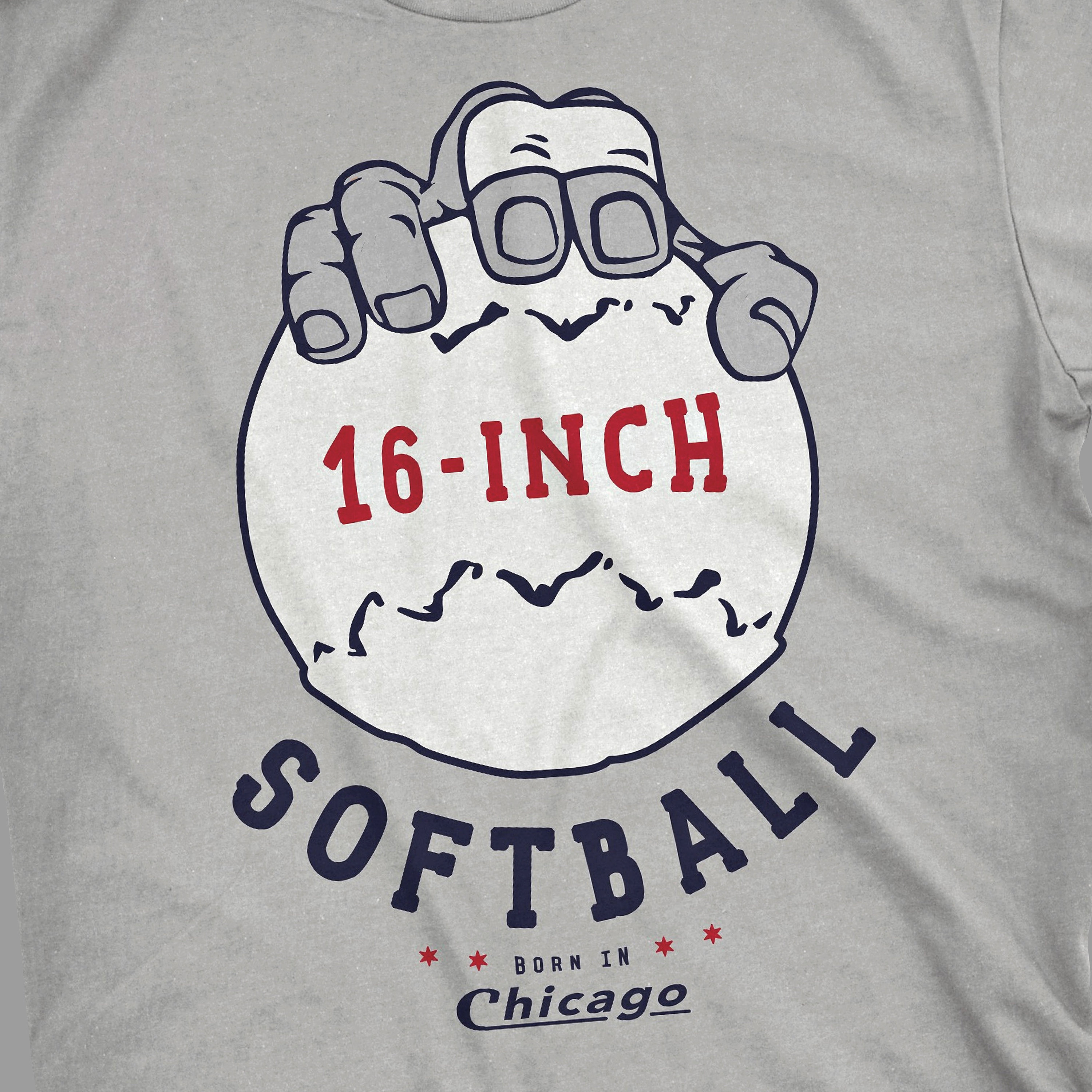
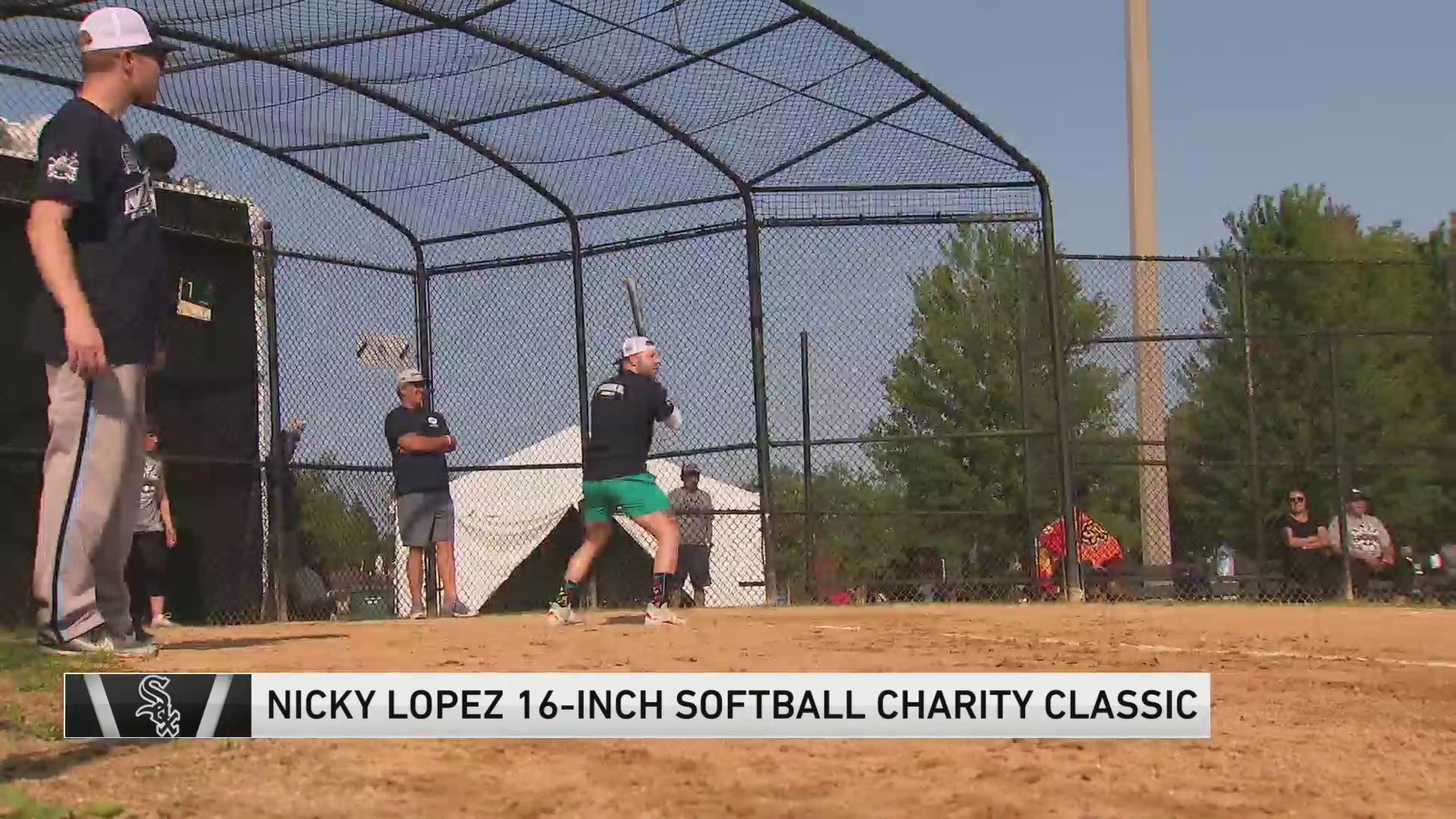
16-inch softball is a unique variant of slow-pitch softball defined by the use of a larger, softer ball—typically the DeBeer Clincher—and the traditional requirement that fielders play without gloves. Originating in Chicago in 1887, this "barehanded" sport emphasizes strategic hitting and manual dexterity over the high-velocity fielding seen in standard 12-inch softball.
The Historical Genesis of 16-Inch Softball
The definition of 16-inch softball is inseparable from its history. The sport was born on Thanksgiving Day in 1887 at the Farragut Boat Club in Chicago. According to historical records preserved by the Chicago 16-Inch Softball Hall of Fame, the game emerged when a group of men gathered to hear the results of the Yale-Harvard football game. In a moment of playfulness, a man threw a boxing glove at another, who swung at it with a broomstick. George Hancock, credited as the inventor, tied the glove into a sphere with its own laces and marked a diamond on the gymnasium floor.
By 1888, the game had moved outdoors. Because the ball was large and relatively soft compared to a baseball, it did not require the expensive leather gloves that were becoming standard in professional sports. This made the game highly accessible to the working-class neighborhoods of Chicago, particularly during the Great Depression, where it earned the nickname "mushball" or "cabbage ball." Over the decades, it evolved from a casual pastime into a highly organized competitive sport with specific governing bodies and a distinct cultural identity centered in the American Midwest.
Physical Specifications of the 16-Inch Ball
To define 16-inch softball, one must look closely at the ball itself. Unlike the standard 12-inch yellow ball used in fast-pitch or the 11-inch ball used in some slow-pitch leagues, the 16-inch ball is white, significantly heavier, and undergoes a unique physical transformation during play.
The "Clincher" Standard
The industry standard for 16-inch softball is the DeBeer Clincher. The ball is constructed with a kapok core—a fibrous, cotton-like material—and covered in high-quality white leather with a unique "stitching-in" design that prevents the seams from tearing during the high-impact barehanded catches.
The Softening Process
A critical technical aspect of 16-inch softball is the ball’s degradation. When a new 16-inch ball is introduced into a game, it is quite hard and can be hit great distances. However, as the game progresses and the ball is struck repeatedly, the kapok core collapses and the leather stretches. The ball becomes "mushy," making it significantly harder to hit for power. This transition forces teams to shift their strategy from power hitting in early innings to "small ball" tactics—such as placing hits and bunting (where allowed)—in later innings.
The Barehanded Tradition: Why No Gloves?
The most defining rule of 16-inch softball is the prohibition of fielding gloves. In traditional Chicago-style leagues, only the first baseman and the catcher were occasionally allowed to wear mitts in specific historical iterations, but in modern competitive "A" and "Major" divisions, all players must field barehanded.
This requirement changes the technical mechanics of the sport:
- Catching Technique: Players cannot "reach" for the ball as they would with a glove. Instead, they must use "soft hands," absorbing the momentum of the ball by pulling their hands toward their body upon impact.
- Injury Management: Playing barehanded carries a high risk of "jammed" or broken fingers. Long-time players often sport thickened knuckles, colloquially known as "Chicago fingers."
- Fielding Depth: Because players cannot reach as far or squeeze a glove to secure a ball, they often play shallower than 12-inch softball players to account for the ball's slower flight and the difficulty of making long-range barehanded catches.
Field Dimensions and Layout
While the game resembles standard softball, the dimensions are slightly condensed to accommodate the barehanded fielding and the flight characteristics of the larger ball.
| Feature | 16-Inch Softball Specification | 12-Inch Slow-Pitch Comparison |
|---|---|---|
| Ball Circumference | 16 inches | 12 inches |
| Base Paths | 50 to 55 feet | 65 to 70 feet |
| Pitching Mound | 35 to 38 feet | 50 feet |
| Fielding Gloves | Prohibited (Barehanded) | Required/Standard |
| Number of Players | 10 players | 10 players |
| Pitching Style | Slow-pitch (6'–12' arc) | Slow-pitch or Fast-pitch |
The shorter base paths are necessary because the 16-inch ball does not travel as fast off the bat, and the lack of gloves makes the "transfer" from hand to hand faster, creating a high-speed environment for infield plays.
Key Rules of Gameplay
As we look at the sport in 2026, the rules established by USA Softball and local Chicago associations remain the gold standard for defining the game.
Pitching Requirements
Pitching in 16-inch softball is strictly slow-pitch. The ball must be delivered underhand at a moderate speed and must reach a perceptible arc. The minimum arc is typically 6 feet from the ground, and the maximum is 12 feet. If the pitch does not meet these requirements, the umpire calls an "illegal pitch," which results in a ball for the batter unless they choose to swing.
The Strike Zone
The strike zone is often more expansive than in 12-inch ball. In many leagues, any part of the ball crossing any part of the plate between the batter's back shoulder and front knee is considered a strike. Some recreational leagues utilize a "mat" behind the plate; if the ball hits the mat, it is a strike.
Base Running and Leading Off
In most 16-inch definitions, there is no leading off and no stealing. Base runners must remain in contact with the base until the ball is either hit or crosses the plate. This rule exists because the shorter base paths would make stealing nearly impossible to defend against without gloves.
The "Short-Center" Fielder
16-inch softball typically employs four outfielders, but their positioning is unique. Often, one player acts as a "short-center," playing just behind the second base bag. This player is crucial for snagging the "bloop" hits that are common as the 16-inch ball loses its hardness and becomes difficult to drive into the deep outfield.
Strategic Nuances: The "Chicago Style"
Defining 16-inch softball also requires an understanding of its unique strategic depth. Because the ball becomes softer, the game favors hitters who can "place" the ball.
- Punch Hitting: Instead of a full baseball swing, many elite 16-inch players use a "punch" motion. This involves a shorter stride and a compact swing designed to drive the ball through gaps in the infield rather than over the fence.
- The Wind Factor: Since the ball is larger and lighter (relative to its volume) than a 12-inch ball, it is highly susceptible to wind. Chicago's "Windy City" environment is a literal factor in the game, as pitchers use the wind to create "junk" pitches—knuckleballs that dance and dive, making solid contact difficult barehanded.
- Defensive Positioning: Because there are no gloves, the "double play" is much harder to execute. Fielders must have exceptional hand-to-eye coordination to catch and release the ball in one fluid motion.
Regional Significance and the Hall of Fame
While 16-inch softball has seen periods of national popularity, it remains a cultural cornerstone of the Chicago metropolitan area. The Chicago 16-Inch Softball Hall of Fame, located in Forest Park, Illinois, serves as the primary governing and historical body. It documents the "Eras" of the game—from the early 1900s to the "Golden Age" of the 1960s and 70s, and into the modern competitive landscape of 2026.
Outside of Chicago, the game has established roots in Iowa, Arizona, and parts of New York, often carried there by Chicago natives. In these regions, the game is a point of pride, representing a "tougher," more raw version of the sport that eschews the "crutch" of modern leather equipment.
Health and Safety: Managing the Barehanded Impact
A technical definition of the sport must acknowledge the physical toll. Catching a 16-inch ball—which weighs approximately 9 ounces—traveling at high speeds without a glove requires specific conditioning.
- Finger Taping: Many players tape their fingers to provide support and prevent dislocations.
- Bone Density: Long-term players often develop higher bone density in their hands, an adaptation to the repeated impact.
- The "Mush" Factor: Safety increases as the game goes on. A "fresh" ball in the first inning is the most dangerous, while a "soft" ball in the seventh inning is far less likely to cause injury.
16-Inch vs. 12-Inch: Why Choose the "Big Ball"?
The choice to play 16-inch softball over the standard 12-inch variety usually comes down to three factors: cost, community, and challenge.
- Cost: Without the need for a $200+ fielding glove, the barrier to entry is significantly lower.
- Community: The game is inherently social, often played in public parks with deep-rooted neighborhood rivalries.
- Challenge: Many athletes find that 12-inch softball becomes too easy with modern composite bats and high-tech gloves. 16-inch softball levels the playing field, making the game about the athlete's natural hands rather than their equipment.
FAQs About 16-Inch Softball
Can you use a glove in 16-inch softball?
In official "Chicago-style" 16-inch softball, the use of gloves is strictly prohibited for all fielders. However, some "No-Glove" variants allow gloves for specific youth or senior divisions. If a league is advertised as "16-inch," it almost universally implies barehanded play unless otherwise specified.
Is the 16-inch ball harder or softer than a 12-inch ball?
Initially, a new 16-inch Clincher is quite firm, though it has more "give" than a 12-inch ball. As the game progresses, the 16-inch ball becomes significantly softer (the "mushball" effect), whereas a 12-inch ball maintains its compression and hardness throughout the game.
Where is 16-inch softball most popular?
The sport is most popular in Chicago and its surrounding suburbs (such as Joliet, Elgin, and Evanston). There are also significant pockets of players in Clinton, Iowa, and Scottsdale, Arizona. It is often referred to as "Chicago Ball" because of this regional concentration.
What are the most common injuries in 16-inch softball?
The most common injuries are jammed, dislocated, or fractured fingers. Because players catch the ball barehanded, an improperly positioned hand can lead to the ball striking the tip of a finger. Bruised palms are also common for infielders who handle high-velocity ground balls.
Is 16-inch softball still played in 2026?
Yes, 16-inch softball remains a vibrant part of the American sports landscape in 2026. While 12-inch softball has a larger global footprint, the 16-inch game maintains a dedicated following with professional-level tournaments, a thriving Hall of Fame, and deep community roots in the Midwest.
Summary of Next Actions
If you are looking to get started with 16-inch softball, your first step should be to acquire a DeBeer Clincher ball to practice your barehanded catching technique. It is highly recommended to start with a "broken-in" (softer) ball to allow your hands to acclimate to the impact. For those interested in competitive play, visiting the Chicago 16-Inch Softball Hall of Fame or checking the USA Softball regional listings for "No-Glove" leagues is the best way to find organized play in your area.