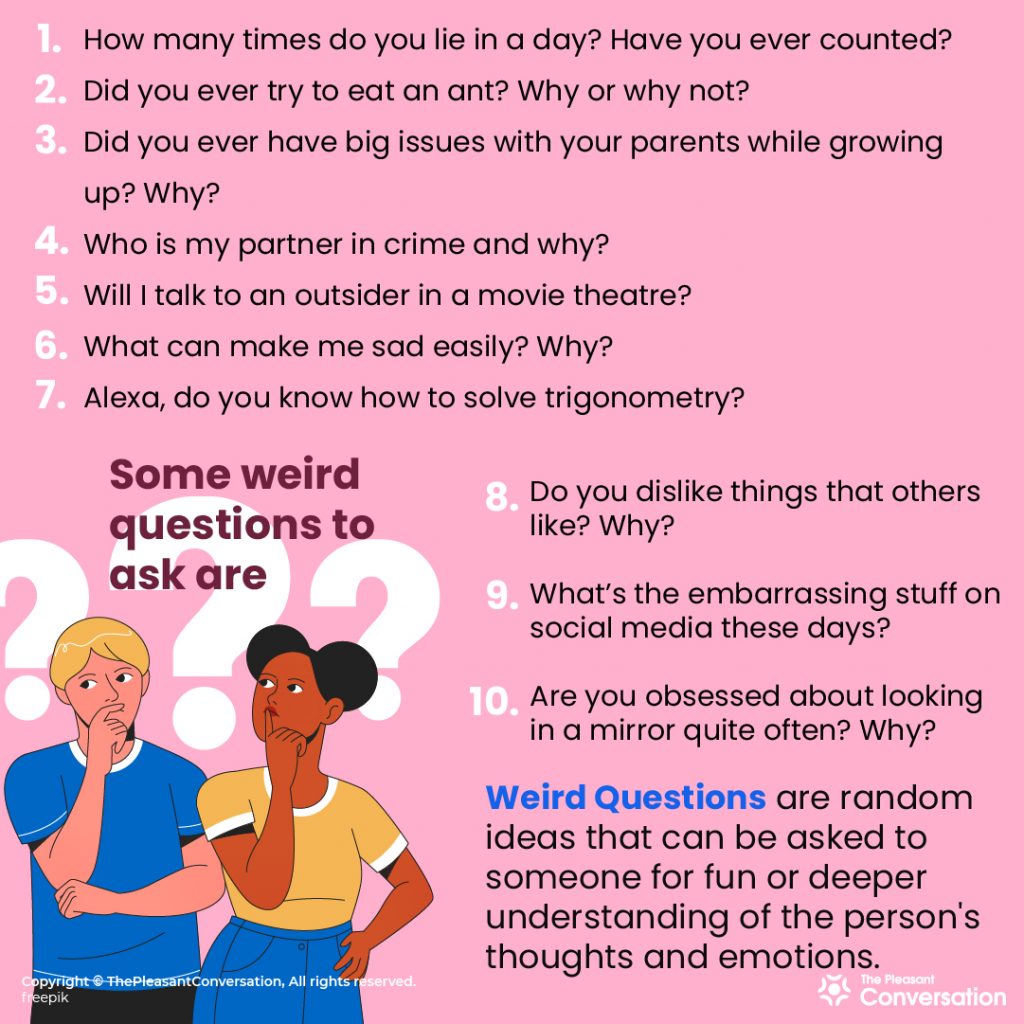
Engaging in meaningful conversations with friends requires more than just catching up on daily events; it involves asking thoughtful, open-ended questions that uncover deeper values, dreams, and vulnerabilities. By moving beyond polite small talk, you can strengthen emotional intimacy, spark memorable discussions, and discover new dimensions of the people you thought you already knew well.
The Evolution of Friendship and Conversational Depth
Friendships naturally evolve through stages, transitioning from shared activities and situational bonding—such as being coworkers, neighbors, or classmates—to deep emotional connections based on mutual understanding. However, many adult friendships plateau. People become busy with work, family responsibilities, and personal obligations, leading conversations to drift into a routine cycle of logistics: How is work? How is the family? Did you see that movie? While these updates are comforting, they rarely satisfy the human desire for authentic connection.
To break out of conversational autopilot, you need intentional prompts that invite reflection rather than automatic pleasantries. Asking better questions does not mean interrogating your friends or turning a casual hangout into a therapy session. Instead, it involves reading the room, choosing appropriate settings, and showing genuine curiosity about their inner worlds. When approached with warmth and empathy, deep questions transform ordinary hangouts into memorable milestones of shared vulnerability and trust.
Prerequisites for Vulnerable Conversations
Before diving into deep or philosophical inquiries, it is essential to establish an environment of psychological safety and mutual respect. Not every moment is right for an intense conversation, and pushing too hard for vulnerability can backfire if boundaries are ignored.
1. Read the Room and Context
Timing is everything. Attempting to discuss existential life goals or past regrets during a rushed lunch break, a chaotic party, or when a friend is visibly stressed about an impending deadline is counterproductive. Choose low-stress, comfortable environments where neither party feels rushed or distracted. Good settings include quiet coffee shops, long walks, late-night car rides, or relaxed dinner parties at home.
2. Practice Active Listening and Empathy
Asking a great question is only the first step; how you respond dictates the success of the interaction. Active listening involves putting away distractions, maintaining open body language, and resisting the urge to immediately steer the conversation back to your own experiences. Validate your friends' feelings without judgment, and allow for comfortable moments of silence as they gather their thoughts.
3. Match the Vulnerability Level
Vulnerability should be a two-way street. If you ask a deeply personal question, be prepared to share your own perspective or experience when prompted. Reciprocity prevents the interaction from feeling like an interview and demonstrates that you are equally invested in the exchange of trust.
10 Thoughtfully Designed Questions for Deeper Conversations
The following ten questions are categorized by their psychological focus, moving from personal reflections and growth to shared humor and future aspirations. Each question is designed to elicit rich, narrative-driven responses rather than simple "yes" or "no" answers.
1. "What is something you used to believe strongly that you have completely changed your mind about?"
- Why it works: This question explores intellectual growth and cognitive flexibility without threatening core identity. It invites reflection on past phases of life and acknowledges that wisdom often comes from changing one's perspective.
- How to guide the discussion: Share a personal example first, such as a shift in your professional philosophy, lifestyle habits, or worldview. This lowers the guard of your friend and makes self-correction feel safe and normal.
2. "What does a genuinely fulfilling day look like for you from the moment you wake up to when you go to sleep?"
- Why it works: Instead of asking the standard "What do you do for a living?", this focuses on personal values and daily satisfaction. It reveals whether a friend craves creative output, quiet solitude, social adventure, or structured productivity.
- How to guide the discussion: Notice the specific details they emphasize. Do they talk about morning coffee routines, deep-focus work blocks, or evening walks? Use their answers to understand what energizes them versus what drains them.
3. "Which of your current habits or routines do you think you will look back on with amusement or surprise in ten years?"
- Why it works: This introduces self-awareness and gentle humor. It allows friends to critique their current quirks, modern obsessions, or lifestyle phases with a healthy dose of distance and self-deprecation.
- How to guide the discussion: Keep the tone lighthearted. If they mention a stressful habit, acknowledge the stress before pivoting to the humorous side of navigating modern life's pressures.
4. "Who is someone outside of your immediate family who has fundamentally shaped the way you see the world?"
- Why it works: People are often shaped by unexpected mentors, former teachers, chance encounters, or historical figures. This question honors the impact of secondary relationships and uncovers formative life experiences.
- How to guide the discussion: Ask about the specific circumstances of how they met this person and the exact lesson or moment that left a lasting impression.
5. "What is a skill, hobby, or creative outlet you have always wanted to pursue but keep putting off?"
- Why it works: Unfulfilled dreams and secret aspirations often reveal hidden passions. Discussing these unpursued interests can reignite enthusiasm or even inspire you to tackle them together as a shared project.
- How to guide the discussion: Explore the barriers preventing them from starting. Is it time, fear of failure, or financial cost? Offer encouragement or brainstorm practical ways they could take a tiny first step.
6. "What is the best piece of advice you have ever received, and conversely, what is the worst advice you actually followed?"
- Why it works: This combines wisdom with humor. While good advice offers insight into their values, discussing bad advice usually leads to entertaining storytelling and valuable lessons learned through trial and error.
- How to guide the discussion: Allow space for the funny mistakes. Sharing youthful errors builds deep camaraderie and reminds both of you that figuring life out is an ongoing, imperfect process.
7. "When do you feel most like your authentic, unmasked self?"
- Why it works: Many people spend their professional and social lives wearing various masks to meet expectations. Identifying the exact moments, environments, or relationships where those masks drop reveals their true sanctuaries.
- How to guide the discussion: This can be a tender question. Listen carefully for themes of nature, creative flow, deep solitude, or specific trusted circles, and respect the privacy of those sacred spaces if necessary.
8. "What is a boundary you have had to set recently that you are proud of?"
- Why it works: Healthy relationships rely on strong boundaries. Discussing boundaries normalizes self-care, protects against burnout, and shows your friend that you respect their personal autonomy and mental health.
- How to guide the discussion: Validate their courage in setting limits. Avoid prying if the boundary involves sensitive interpersonal conflicts, and instead focus on the positive outcome of protecting their peace.
9. "If you could instantly master any form of art, science, or craft without needing to practice, what would you choose?"
- Why it works: This is a playful yet revealing hypothetical question. Whether they choose classical piano, astrophysics, carpentry, or fluent Mandarin, their answer often points toward hidden aesthetics and intellectual curiosities.
- How to guide the discussion: Follow up by asking what they would create or do first once they possessed that mastery. This expands the daydream into a vivid narrative.
10. "Looking back on this past year, what is one memory that consistently makes you smile?"
- Why it works: Life moves quickly, and positive moments are often overshadowed by daily stressors. This prompts both of you to intentionally curate gratitude and celebrate shared or individual triumphs.
- How to guide the discussion: If you share history from that year, reminisce about the context. If it is an independent memory, ask them to paint a picture of why that specific moment mattered so much.
Comparative Matrix: Choosing the Right Question for the Setting
Different conversational settings call for different approaches. The table below outlines how to match question types to specific social contexts to ensure maximum engagement and comfort.
| Setting / Context | Ideal Question Focus | Approach & Tone | What to Avoid |
|---|---|---|---|
| Casual Hangout / Coffee | Habits, hobbies, and light humor | Relaxed, playful, and brief | Heavy emotional processing or trauma exploration |
| Long Road Trip / Walk | Life philosophies, worldviews, and mentors | Conversational, expansive, and deep | Rushed conclusions or checking the clock |
| Dinner Party / Group | Shared aspirations, humorous stories, and growth | Inclusive, engaging, and balanced | Putting one person on the spot or sensitive debates |
| One-on-One Catch-Up | Authentic self, boundaries, and past advice | Empathetic, supportive, and reflective | Monopolizing the conversation with your own stories |
Common Pitfalls to Avoid in Deep Conversations
Even with the best intentions, attempts to deepen friendships can sometimes stumble. Being aware of common pitfalls helps maintain a healthy conversational dynamic.
- Interrogating Instead of Conversing: Avoid firing off questions like a police detective. A conversation should flow organically, with comments, shared anecdotes, and mutual curiosity bridging each question.
- Ignoring Non-Verbal Cues: If a friend gives short answers, changes the subject, or crosses their arms defensively, respect their comfort zone. Not every day is suited for deep emotional exploration.
- Offering Unsolicited Advice: When a friend shares a vulnerability or a struggle, your first instinct might be to fix it. Often, people simply want to be heard and understood rather than receive a step-by-step action plan.
- Forcing Artificial Intensity: You do not need to discuss existential dread every time you meet. Balancing lighthearted banter with occasional deep dives creates a sustainable, healthy friendship rhythm.
Frequently Asked Questions
How do I transition from small talk to deep questions without making it awkward?
The smoothest transition is bridged by situational context. For instance, if you are discussing a movie or a book, you can naturally pivot to broader themes like, "That character's decision made me wonder: what is something you used to believe strongly that you've changed your mind about?" This links the current topic to a deeper inquiry naturally.
What should I do if a friend gives a very short or evasive answer?
Do not push or demand elaboration. Gently acknowledge their response, share a light perspective of your own to relieve pressure, and smoothly move the conversation to a lighter topic. Respecting boundaries is vital for maintaining long-term trust.
Are these questions suitable for brand new acquaintances?
Most of these questions are tailored for established friends where a foundation of trust already exists. For newer acquaintances, start with lighter, preference-based inquiries—such as favorite travel destinations, creative projects, or weekend routines—before moving toward personal values and boundaries.
How often should we have these kinds of deep conversations?
There is no set quota. Deep conversations happen organically when both friends feel safe, curious, and relaxed. Forcing deep talks on a strict schedule can make them feel clinical rather than authentic. Let the natural rhythm of your friendship dictate the depth.
Practical Next Steps for Your Next Hangout
To put these insights into practice, do not try to memorize all ten questions or bring a printed list to your next gathering. Instead, select two or three questions from this list that genuinely spark your own curiosity.
The next time you share a meal, take a walk, or spend a quiet evening catching up, introduce one of these prompts naturally when the conversational lull calls for it. Listen closely, share your own thoughts in return, and watch how a single intentional question can reveal new layers of appreciation for the people who matter most in your life.