Determining whether to wear a mask in 2024 depends on individual health vulnerability, local respiratory virus prevalence, and specific high-risk settings. While widespread mandates have largely ended, masking remains an effective, evidence-based tool for reducing the transmission of airborne pathogens, including influenza, SARS-CoV-2, and respiratory syncytial virus (RSV), particularly for immunocompromised individuals or during peak seasonal outbreaks.
The Evolution of Masking Guidelines
The landscape of public health guidance regarding masking has shifted dramatically from the emergency mandates of the early 2020s to the current era of individual risk assessment. In 2026, there is no blanket federal requirement for the general public to wear masks in most settings. However, the absence of a requirement is not equivalent to a declaration of safety.
Public health authorities now emphasize "personal responsibility" and "layered protection." This approach recognizes that the utility of a mask is highly dependent on context. While the necessity of universal masking has diminished in low-transmission environments, the clinical efficacy of high-quality filtration remains unchanged. Understanding when, where, and why to wear a mask is now a foundational element of maintaining personal health rather than a matter of legal compliance.
Identifying High-Risk Settings and Situations
To decide whether you should mask, it is helpful to categorize environments based on the risk of exposure and the potential consequences of infection. Masking serves two distinct functions: source control (preventing the spread of germs you may carry) and personal protection (reducing the inhalation of airborne particles).
Healthcare Facilities and Congregate Settings
Healthcare environments—including hospitals, urgent care centers, and nursing homes—remain the most critical settings for masking. Even in 2026, these facilities often maintain internal policies requiring masks for staff and visitors. This is because these settings house individuals who are medically vulnerable and for whom a respiratory infection could result in severe complications. Following signage and facility-specific protocols in these locations is essential.
Crowded Public Transit and Indoor Events
Large gatherings, whether in concert halls, theaters, or during peak hours on public transportation, involve dense concentrations of people. When ventilation is poor or social distancing is impossible, the probability of exposure increases. For individuals who are elderly or have underlying health conditions, masking in these environments remains a prudent choice, regardless of whether a local mandate is in place.
The Seasonal Threshold
Respiratory virus season typically peaks between late autumn and early spring. During these months, the circulation of influenza, RSV, and SARS-CoV-2 creates a cumulative burden on community health. Monitoring local data—often available via state or municipal health department dashboards—is the most effective way to determine when to escalate your personal protection strategies.
Evaluating Mask Types: Filtration and Fit
Not all masks provide the same level of protection. The effectiveness of a mask is determined by its material filtration efficiency and the seal it creates against your face.
Respirators (N95, KN95, KF94)
Respirators are designed to form a tight seal around the nose and mouth. They are engineered to filter out at least 95% of airborne particles. In 2026, these remain the gold standard for personal protection. When choosing a respirator, ensure it is authentic and fits securely; gaps around the edges significantly decrease performance.
Surgical and Procedure Masks
These masks are effective at source control, meaning they prevent the wearer from spreading droplets to others. While they offer some protection to the wearer, their loose fit allows air to escape and enter around the sides. They are a suitable option for everyday use in low-to-moderate risk settings but are less effective than respirators when the goal is preventing the inhalation of viral particles.
Cloth Masks
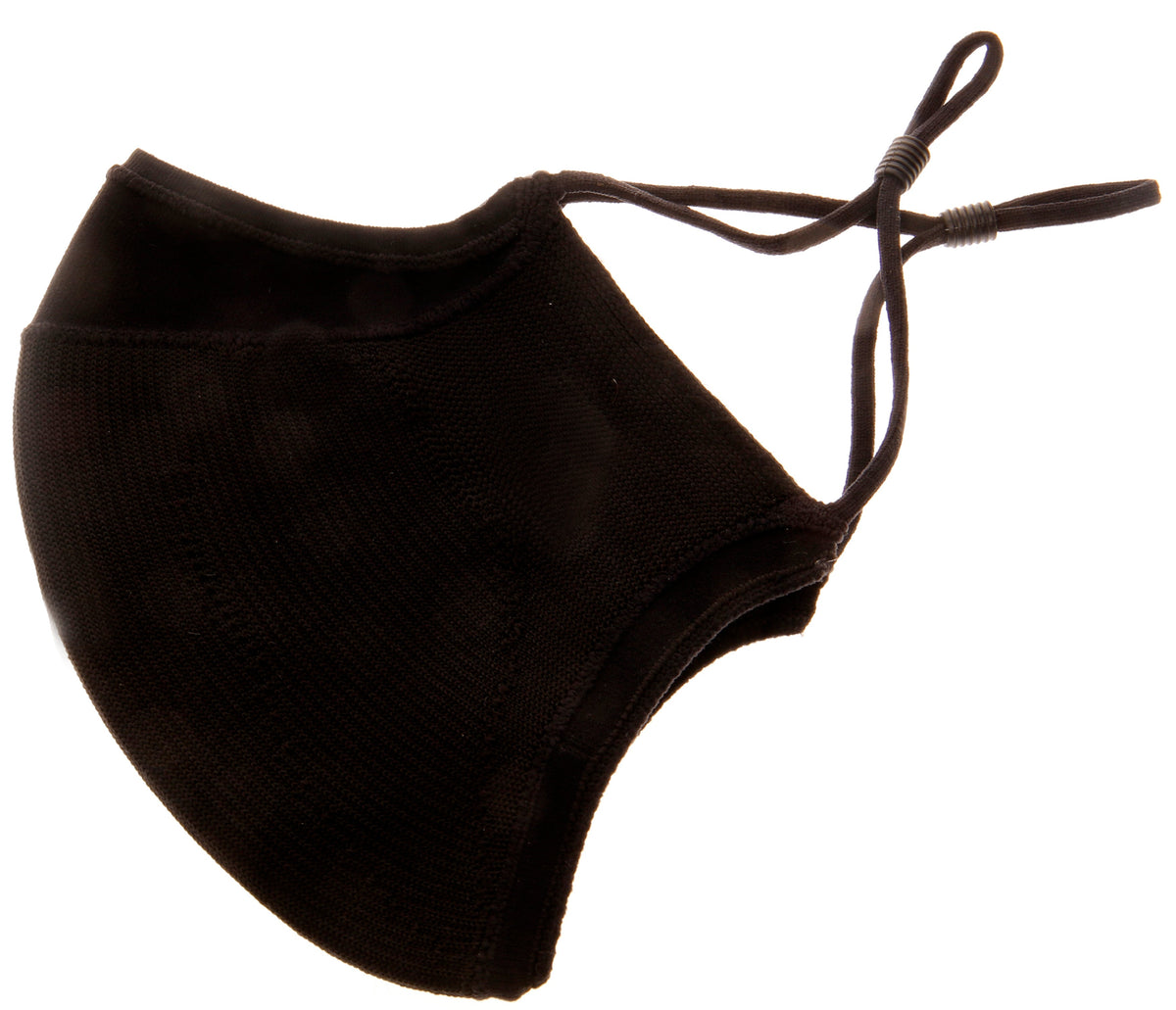
Multi-layer cloth masks provide basic coverage but are generally considered the least effective against highly transmissible airborne viruses. If choosing a cloth mask, it is recommended to use one with at least three layers of tightly woven fabric and to ensure it fits snugly.
Comparative Effectiveness of Face Coverings
| Mask Type | Primary Purpose | Filtration Efficiency | Best Use Case |
|---|---|---|---|
| N95/KN95/KF94 | Personal Protection | High (≥95%) | High-risk areas, public transit, crowds |
| Surgical Mask | Source Control | Moderate | General errands, short-duration tasks |
| Cloth Mask | Basic Barrier | Low to Moderate | Low-risk settings, social comfort |
Assessing Personal Vulnerability and Risk Tolerance
The decision to mask is personal and should be based on your unique health profile. Medical professionals advise that individuals consider the following factors when determining their strategy:
- Immune Status: Those who are immunocompromised, whether due to medical conditions or medications, may need to wear a high-quality respirator in most public indoor settings to mitigate risk.
- Age: Older adults and young children are at higher risk for severe illness from respiratory viruses and may benefit from added protection during peak transmission periods.
- Living Situation: If you live with or care for vulnerable family members, masking in public can prevent you from inadvertently bringing a virus home, thereby protecting those who cannot protect themselves.
- Local Community Levels: Utilize data from public health agencies that track hospital admissions and wastewater viral monitoring. When community levels are high, even healthy individuals may choose to mask to avoid the inconvenience or potential long-term impacts of infection.
Managing Social and Psychological Aspects
In 2026, masks are no longer a standard part of daily attire for the majority of the population. Choosing to wear one when others are not can sometimes lead to feelings of social awkwardness. However, public health experts emphasize that masking is a health decision, not a political or social statement.
If you choose to wear a mask, keep in mind that it is a tool for autonomy. If you feel uncomfortable, you have the right to seek more ventilated spaces or opt for outdoor activities. Respecting the choices of others—whether they choose to mask or go without—remains the standard approach in most public spaces.
Frequently Asked Questions
Do I still need to wear a mask if I am vaccinated?
Vaccination significantly reduces the risk of severe illness and hospitalization, but it does not eliminate the risk of transmission or mild breakthrough infections. Masking remains an additional layer of protection, especially for those at higher risk or during periods of high viral circulation.
How do I know if my respirator is authentic?
Look for certification stamps, such as the NIOSH approval on N95s or manufacturer documentation for reputable KN95 brands. Avoid purchasing from unverified third-party marketplaces, which are frequently used to distribute counterfeit products.
Should I wear a mask outdoors?
Generally, no. Transmission risk outdoors is significantly lower than in indoor environments, provided there is adequate airflow and space between individuals. Masking outdoors is only necessary in extreme crowd conditions where you are in prolonged, close contact with others.
Can masks cause health problems like CO2 buildup?
There is no evidence that wearing a properly fitted mask causes dangerous CO2 buildup or oxygen deprivation for the general public. Masks are designed to be breathable while still acting as a barrier to particles. If you have severe pre-existing respiratory conditions, consult your doctor regarding the most appropriate face covering for your situation.
What should I do if I have symptoms?
If you develop respiratory symptoms, the most effective action is to stay home. If you must go out, wearing a high-quality, well-fitted mask is a critical responsibility to prevent the spread of illness to others.
Next Steps for Personal Health Management
To make informed decisions, create a "masking trigger" system based on your own risk tolerance. For instance, decide that you will always keep an N95 or KN95 in your bag to be used specifically when you enter crowded indoor spaces or high-risk clinical settings. Periodically review your local health department’s respiratory virus summary to adjust your personal threshold as the seasons change. By treating masking as a dynamic tool rather than an all-or-nothing requirement, you can balance your health protection with your daily life.