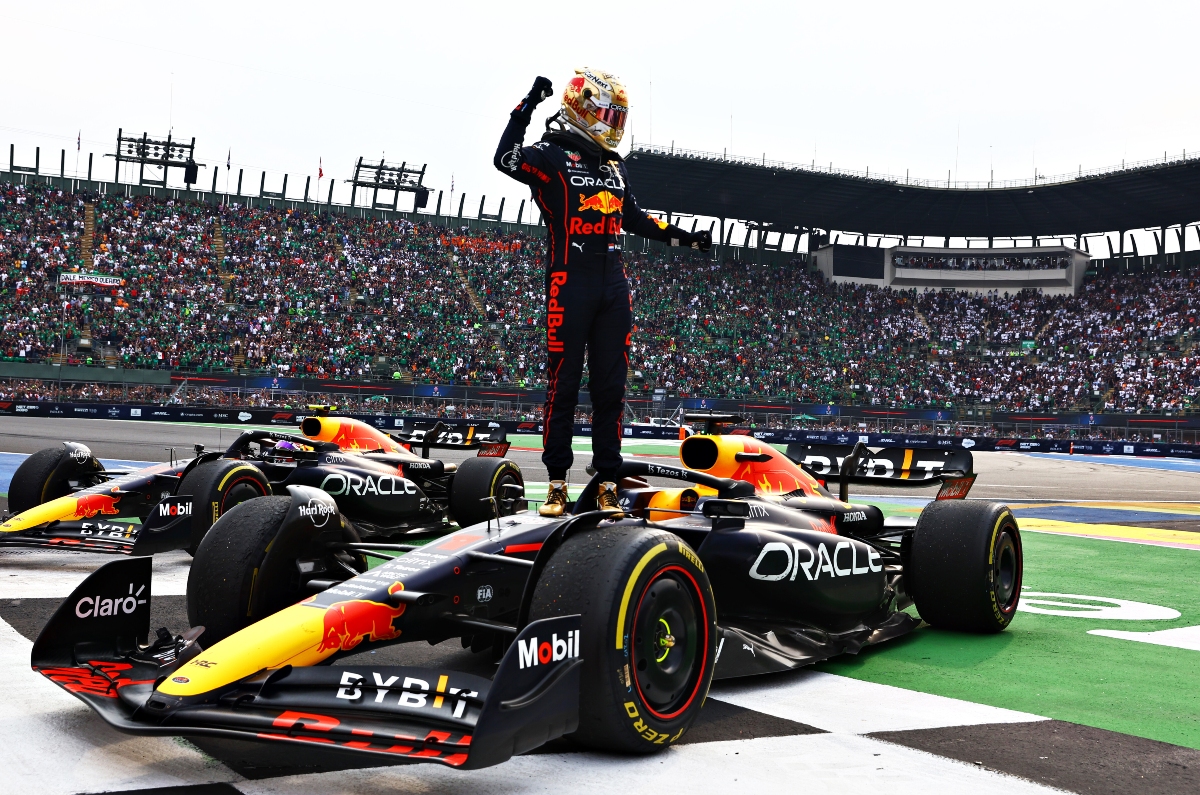
The defining moment for Max Verstappen in 2016 was his debut victory at the Spanish Grand Prix in Barcelona. By winning his first race after being promoted from Toro Rosso to Red Bull Racing, the 18-year-old became the youngest Grand Prix winner in Formula 1 history, instantly validating his status as a generational talent and shifting the trajectory of his professional career.
The Context of a Mid-Season Promotion
To understand the magnitude of the 2016 Spanish Grand Prix, one must first look at the volatile political and performance environment of Red Bull Racing at the time. Max Verstappen had impressed during his debut season with Scuderia Toro Rosso in 2015, but by the fourth race of the 2016 season, team management—led by Christian Horner and Helmut Marko—made the bold decision to demote Daniil Kvyat and promote Verstappen to the senior Red Bull Racing team.
This move was unprecedented in the modern era of Formula 1. Moving a driver mid-season from a junior team to a top-tier outfit is a high-stakes gamble that risks both the driver’s psychological stability and the team's standing in the Constructors' Championship. Critics and pundits were skeptical, questioning if the teenager was prepared for the pressure of driving for a team expected to challenge the Mercedes dominance.
Verstappen entered the paddock in Barcelona with significantly less time in the car than his peers. He had completed only a handful of seat-fitting sessions and simulator runs in the RB12 chassis before the practice sessions commenced. The lack of familiarity with the team's operational procedures, steering wheel ergonomics, and communication protocols made his entry into the Spanish Grand Prix a baptism of fire.
The Race Day Dynamics at Circuit de Barcelona-Catalunya
The 2016 Spanish Grand Prix is often remembered for the first-lap collision between the two Mercedes drivers, Lewis Hamilton and Nico Rosberg. While the championship leaders took each other out at Turn 4, the race was left wide open for the chasing pack, which included the two Red Bulls of Daniel Ricciardo and Max Verstappen, and the two Ferraris of Sebastian Vettel and Kimi Räikkönen.
For most of the race, the strategic battle centered on tire management. In 2016, the Pirelli tire compounds were notoriously sensitive, and the Circuit de Barcelona-Catalunya was an abrasive track that required extreme caution to prevent overheating. Red Bull Racing split their strategies: Ricciardo and Vettel were placed on a three-stop strategy, while Verstappen and Räikkönen were moved to a two-stop strategy.
As the race entered the final 20 laps, the tension became palpable. Verstappen, leading the race, was tasked with defending against the vastly more experienced Räikkönen. The Finn was closing the gap, relying on the grip of his fresher tires, but he struggled to get close enough to initiate a legitimate overtaking maneuver.
Technical Defiance and Mental Maturity
The key technical aspect of Verstappen’s drive was his ability to manage the degradation of the medium compound tires while simultaneously maintaining a defensive line that prevented Räikkönen from entering the slipstream. At only 18 years old, Verstappen exhibited a level of race craft usually reserved for seasoned veterans. He utilized the width of the track, adjusted his braking points to compensate for tire wear, and remained calm over the team radio despite the mounting pressure of a potential first-ever win.
The closing stages of the race required perfect execution. Every corner was a potential site for a mistake that would result in a ruined tire or a loss of position. Verstappen managed the traffic of backmarkers effectively, ensuring he never lost momentum, and stayed disciplined under the immense physical demand of the high-downforce, high-speed Barcelona circuit. When he crossed the finish line to take the checkered flag, he became the youngest race winner in F1 history at 18 years and 228 days, a record that remains a testament to his immediate impact on the sport.
Comparative Impact on the 2016 Season
The following table highlights the critical factors that differentiated the performance of the top teams during this specific race weekend.
| Driver | Team | Strategy | Finish Position | Key Factor |
|---|---|---|---|---|
| Max Verstappen | Red Bull Racing | 2-Stop | 1st | Superior tire management |
| Kimi Räikkönen | Ferrari | 2-Stop | 2nd | Pressure applied late |
| Sebastian Vettel | Ferrari | 3-Stop | 3rd | Track position deficit |
| Daniel Ricciardo | Red Bull Racing | 3-Stop | 4th | Late tire puncture |
| Lewis Hamilton | Mercedes | DNF | N/A | Lap 1 collision |
| Nico Rosberg | Mercedes | DNF | N/A | Lap 1 collision |
The success of the two-stop strategy was not a foregone conclusion. It required precise control of the car’s temperature and traction. Verstappen’s victory demonstrated that Red Bull Racing had identified a driver capable of executing complex strategic plans under pressure, which would eventually become the hallmark of the team's later championship-winning efforts.
Why This Moment Defined His Career
Beyond the record books, the 2016 Spanish Grand Prix fundamentally changed the power structure within Red Bull Racing. Daniel Ricciardo, who had been the undisputed team leader up to that point, suddenly found himself with a teammate who could win on debut. This internal competition forced both drivers to elevate their performance levels, which had the secondary effect of putting more pressure on the engineers to develop the car faster.
Furthermore, this race silenced the skeptics who argued that the promotion had come too soon. By performing under the highest level of scrutiny, Verstappen proved that his transition from karting to the pinnacle of motorsport had not bypassed the development of critical decision-making skills. It established the "Verstappen style"—aggressive, calculated, and immune to the psychological weight of expectation.
Frequently Asked Questions
Was the win in Spain solely due to the Mercedes crash? While the Mercedes crash removed the two dominant cars from the race, the win was not a gift. Verstappen still had to manage his tires for a long final stint while holding off a Ferrari driven by Kimi Räikkönen, a former World Champion. The technical difficulty of maintaining pace on older tires against faster, fresher ones remains one of the most difficult tasks for an F1 driver.
How did this win affect his relationship with Daniel Ricciardo? The win immediately established a rivalry. While they maintained a professional working relationship for several years, the 2016 Spanish Grand Prix signaled to the team and to the rest of the grid that Verstappen was not a "number two" driver. It created a competitive tension that pushed both drivers to be more aggressive in future races.
Did Red Bull change their development strategy after this win? The victory validated the team’s decision-making process. Having a driver who could capitalize on opportunities in such a decisive manner allowed the team to take more aggressive risks in strategy and car development. It gave the engineering team confidence that if they provided a competitive car, Verstappen could extract the maximum result regardless of his relative inexperience.
What records did Max Verstappen break with this win? Beyond being the youngest race winner, he became the first Dutch driver to win a Formula 1 Grand Prix. He also became the first driver born in the 1990s to win a race, setting the stage for the generational shift that would follow in the subsequent decade of the sport.
Practical Next Steps for F1 Fans
If you are interested in revisiting this era of the sport, the following actions can provide a deeper understanding of the technical and strategic landscape:
- Watch the race replay: Utilize the official Formula 1 archive to watch the full 2016 Spanish Grand Prix, paying close attention to the team radio communications from the final 10 laps.
- Review the telemetry data: Search for detailed technical breakdowns of the tire degradation rates in 2016 to understand why the two-stop strategy was considered the high-risk, high-reward option.
- Compare with subsequent performances: Research how Verstappen’s driving style evolved from 2016 to his championship years to identify which defensive techniques from his Barcelona win remained in his repertoire and which were refined as he gained experience.
The 2016 Spanish Grand Prix stands as the quintessential moment of Max Verstappen’s early career. It was the moment the "wonderkid" became a winner, effectively closing the chapter on his transition phase and opening the book on a career that would eventually lead to world championship honors.