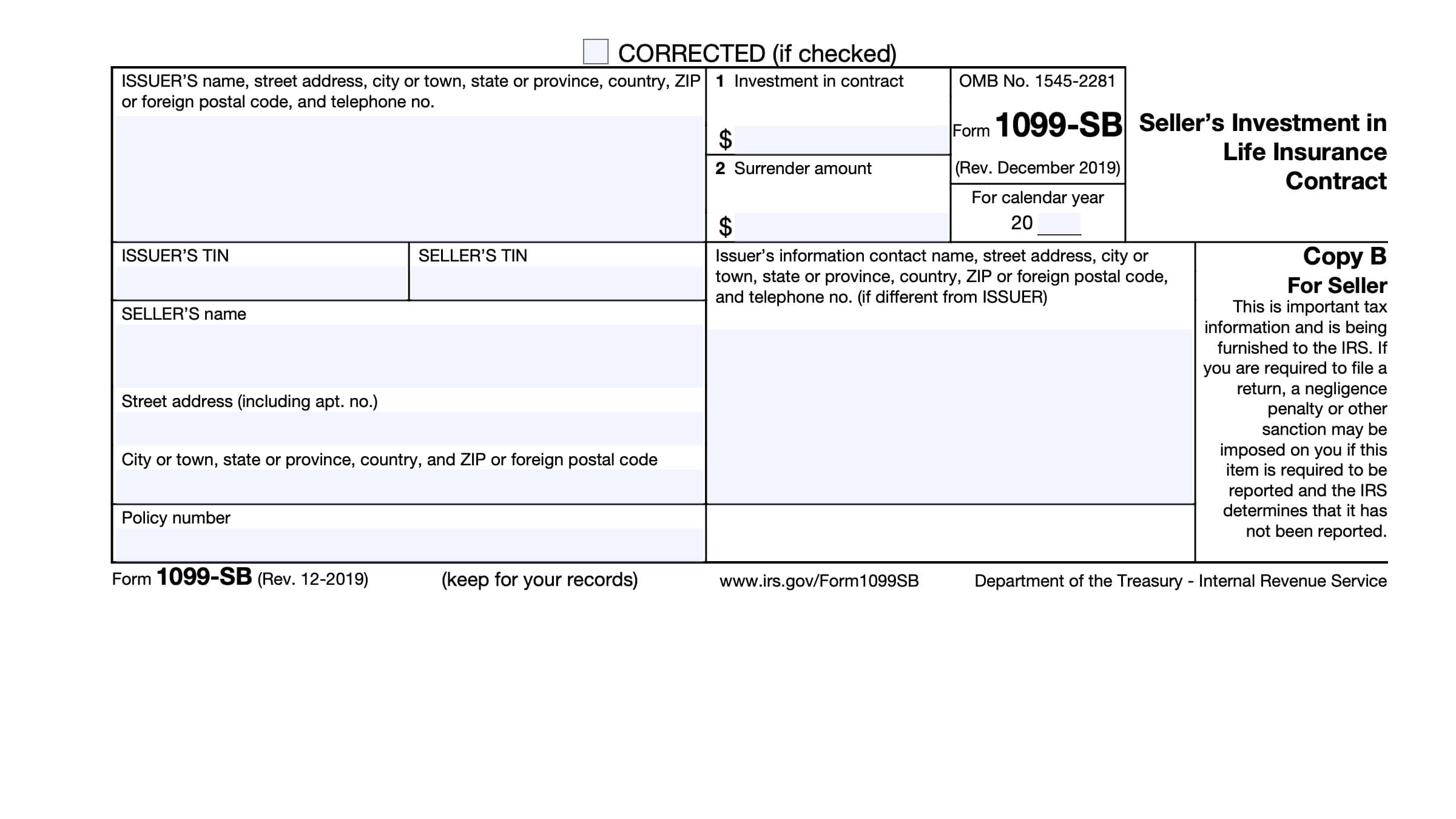
Tax season brings a specific set of administrative requirements for independent contractors, particularly insurance agents who receive non-employee compensation. For professionals affiliated with American Income Life Insurance (AIL) and its parent organization Globe Life, understanding how compensation reporting works on Form 1099-NEC is essential for accurate filing. Navigating reporting thresholds, understanding how commissions and bonuses are categorized, and knowing where to locate tax documentation prevent costly discrepancies with the Internal Revenue Service (IRS). Because tax laws and reporting formats evolve to match federal compliance standards, agents must stay informed regarding the structural elements of their annual earnings statements.
The Landscape of Independent Contractor Reporting for Insurance Agents
Independent agents operating under independent marketing organizations or direct contract arrangements with American Income Life Insurance typically receive compensation classified as non-employee compensation rather than traditional W-2 wages. This distinction places the responsibility of tracking gross receipts, deducting ordinary and necessary business expenses, and paying self-employment taxes entirely upon the contractor.
Form 1099-NEC (Nonemployee Compensation) serves as the primary document for reporting payments made to independent agents for services rendered in the course of a trade or business. While the fundamental purpose of this form remains consistent—providing both the IRS and the taxpayer with a verified record of independent business income—administrative workflows, delivery portals, and digital accessibility standards undergo periodic refinement. Understanding these foundational mechanics ensures that agents can properly reconcile their internal bookkeeping ledters against the figures reported by the insurance carrier.
Decoding Form 1099-NEC vs. Form 1099-MISC
To properly analyze tax reporting for insurance professionals, it is helpful to clarify the exact document types utilized by financial institutions and insurance carriers. Following legislative changes enacted via the Protecting Americans from Tax Hikes (PATH) Act, the IRS reinstated Form 1099-NEC for reporting non-employee compensation, permanently separating it from Form 1099-MISC.
Key Functional Differences
- Form 1099-NEC: Utilized exclusively to report non-employee compensation of $600 or more paid during the calendar year. This includes first-year commissions, renewal commissions, overriding commissions, and production bonuses earned by insurance agents.
- Form 1099-MISC: Reserved for miscellaneous income types such as rents, prizes, awards, or other legal settlements that do not constitute direct payment for services rendered as an independent contractor.
For an American Income Life agent, the vast majority of taxable income related to sales production and agency building falls under the 1099-NEC classification. Recognizing this distinction prevents confusion when cross-referencing tax documents with internal earnings statements provided through agent portals.
Core Adjustments and Reporting Thresholds to Monitor
When evaluating annual statements, independent contractors must focus on specific compliance updates and structural shifts that affect how earnings are calculated and transmitted. While the statutory reporting threshold of $600 remains the federal baseline mandated by the IRS, administrative procedures surrounding electronic delivery, state-level filing thresholds, and taxpayer identification verification continue to see procedural refinements.
1. Digital Consent and Electronic Portal Delivery Standards
The single most significant operational shift affecting independent insurance agents involves the transition toward paperless tax document delivery. Financial institutions and insurance enterprises increasingly rely on centralized agent portals to distribute Form 1099-NEC documents.
- Consent Management: Agents must opt into electronic delivery through their agent administration portals by established deadlines (typically late autumn or early winter of the preceding tax year). Failure to provide electronic consent often triggers the generation of a physical paper document sent via standard mail.
- Access Timelines: Digital 1099 forms are generally made available via secure online vaults significantly earlier than physical mail deliveries arrive, allowing agents and certified public accountants to commence tax preparation sooner.
2. Strict Taxpayer Identification Number (TIN) Verification
Compliance enforcement regarding accurate Taxpayer Identification Numbers—whether an individual Social Security Number (SSN) or an Employer Identification Number (EIN) for a registered corporate entity or LLC—has intensified across the insurance sector.
- Matching Protocols: Carriers utilize automated validation against IRS databases to ensure that the name and TIN reported on the 1099-NEC precisely match government records.
- Backup Withholding Cautions: If a discrepancy exists or if a Form W-9 is outdated or incomplete, carriers may be legally mandated to implement backup withholding on subsequent commission payouts, redirecting a statutory percentage directly to the federal government until the discrepancy is resolved.
Comparison of Tax Reporting Methods for Independent Agents
The following matrix outlines the primary documentation pathways and compliance considerations for independent insurance contractors receiving compensation from carriers like American Income Life.
| Feature / Element | Form 1099-NEC (Standard) | Direct Deposit / Portal Access | Paper Mail Delivery |
|---|---|---|---|
| Primary Purpose | Reports non-employee compensation ($600+) | Secure digital retrieval of tax data | Physical delivery of official tax copy |
| Filing Deadline (Carrier) | January 31 (to IRS and Recipient) | Typically available by mid-to-late January | Dispatched by January 31 deadline |
| Key Prerequisite | Active contract with recorded earnings | Verified agent portal login and e-consent | Current, verified mailing address on file |
| Common Pitfall | Unreported renewal commissions | Forgetting portal passwords during tax season | Delayed delivery due to outdated postal address |
Accessing and Verifying Your American Income Life Tax Documents
Securing your annual tax forms without administrative delay requires familiarity with the designated corporate portals and communication channels used by Globe Life and its subsidiaries.
Step-by-Step Retrieval Process
- Log In to the Authorized Agent Portal: Navigate to the official administrative portal designated for American Income Life independent contractors using secure multi-factor authentication credentials.
- Navigate to the Financial or Tax Section: Locate the menu headers corresponding to commission statements, accounting, or year-end tax documents.
- Select the Relevant Tax Year: Choose the appropriate filing year to view available 1099-NEC documents.
- Download and Verify: Export the document as a secure PDF file. Cross-reference the gross compensation figure listed in Box 1 against your cumulative year-end commission statements and bank deposits.
Common Discrepancies and Troubleshooting Strategies
Discrepancies between internal financial tracking and official 1099-NEC figures are a frequent source of frustration for independent insurance agents during tax season. Resolving these issues swiftly prevents filing delays.
Timing Differences: Accrual vs. Cash Basis
Insurance commissions are generally reported on a cash basis by insurance carriers—meaning the income is reported in the tax year the funds were actually disbursed or credited to the agent's account, regardless of when the underlying insurance policy was sold or serviced. An application submitted and approved in mid-December with commissions paid out in early January will fall under the subsequent tax year's 1099 form.
Expense Deductions and Chargebacks
Agents must account for policy cancellations that result in commission chargebacks. While chargebacks reduce net earnings, understanding how the carrier calculates gross non-employee compensation versus net adjusted earnings on year-end summaries requires careful review of monthly earnings ledgers. Consulting a licensed Certified Public Accountant (CPA) or tax professional ensures that deductions are claimed in compliance with IRS guidelines.
Frequently Asked Questions
What is the minimum earnings threshold for receiving a Form 1099-NEC from American Income Life?
The statutory threshold established by the IRS is $600 in non-employee compensation during the calendar year. If your total aggregate earnings from the carrier meet or exceed this amount, you are legally entitled to a Form 1099-NEC.
What should I do if my Form 1099-NEC shows incorrect income figures?
First, compare the 1099 amount against your historical bank deposits and year-end commission statements provided by the carrier. If an unresolvable discrepancy exists, contact American Income Life agent support or payroll administration immediately to request a formal correction or explanation of the variance.
Can I access my American Income Life tax forms online?
Yes. Agents who have opted into electronic delivery can access and download their tax forms directly through the authorized agent portal prior to the standard postal mailing deadlines.
How do I handle commission chargebacks on my tax return?
Commission chargebacks that occur within the same tax year typically net out against gross earnings. For complex scenarios involving multi-year adjustments, professional tax counsel should be consulted to ensure proper reporting on Schedule C (Form 1040).
What constitutes non-employee compensation for an insurance agent?
Non-employee compensation includes all baseline sales commissions, renewal commissions, overrides generated from building an agency downline, and production bonuses paid to independent contractors rather than statutory employees.
Conclusion and Next Actions
Navigating tax documentation as an independent contractor with American Income Life Insurance requires vigilance regarding digital portal access, strict TIN verification, and careful reconciliation of gross compensation figures. Ensure your contact and tax identification details remain updated within your agent portal well in advance of the statutory filing deadlines. Review your year-end earnings statements promptly upon release, and consult a qualified tax professional to ensure accurate reporting of business income and deductible expenses on your annual tax return.