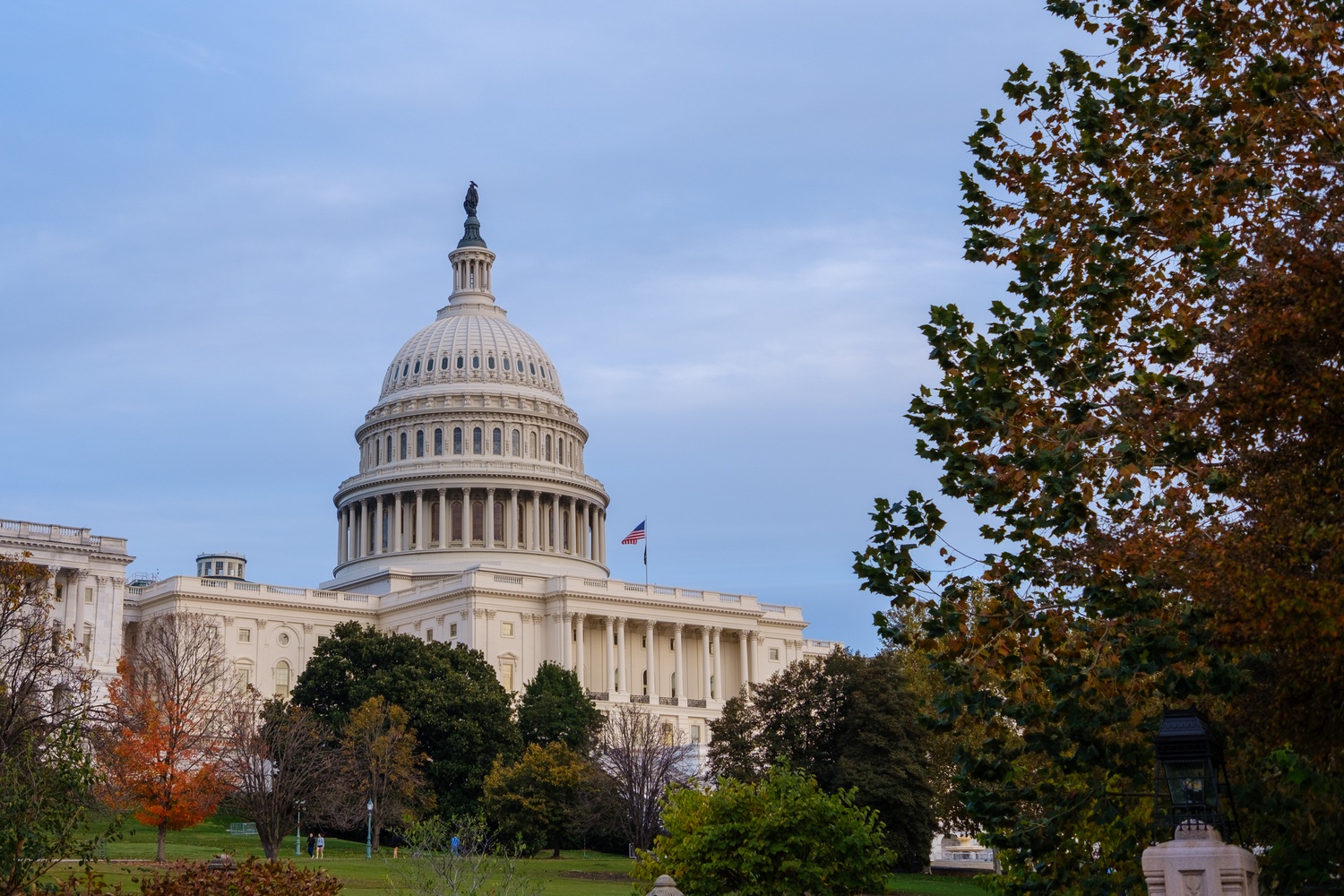
Securing the single best auto insurance choice in Capitol Hill, Washington, D.C., involves navigating mandatory District minimum coverages, understanding urban parking risks like dense street parking and vandalism, and balancing high rates influenced by high-density traffic. Drivers must weigh major national carriers against local options to find the ideal policy matching their specific urban driving habits and vehicle requirements.
Navigating the auto insurance landscape in the District of Columbia requires an understanding of local regulatory requirements, urban driving hazards, and specific neighborhood dynamics. For motorists residing in Capitol Hill, Washington, D.C., finding the single best auto insurance choice is not a matter of picking a universally acknowledged top carrier, but rather identifying the insurer that best balances comprehensive protection, competitive pricing, and reliable claims handling within a dense, historic urban environment.
Capitol Hill presents a unique set of challenges for vehicle owners. Narrow historic streets, limited garage availability, heavy pedestrian and cyclist traffic, and a high volume of street parking introduce specific risk factors that standard suburban policies often fail to address adequately. Furthermore, the District of Columbia operates under distinct statutory minimums and liability frameworks that differ significantly from neighboring Maryland and Virginia. Evaluating the insurance market requires a structured examination of legal mandates, neighborhood risk profiles, policy types, and carrier performance metrics.
Understanding District of Columbia Auto Insurance Requirements
Before evaluating specific carriers or policy features, every vehicle owner in Capitol Hill must comply with the mandatory insurance statutes enforced by the District of Columbia Department of Motor Vehicles (DC DMV) and the District of Columbia Department of Insurance, Securities and Banking (DISB). Operating a vehicle within the District without meeting these baseline requirements results in severe penalties, including steep fines, registration suspension, and potential points on your driving record.
The District of Columbia operates under a traditional tort liability system, meaning the driver at fault for an accident is financially responsible for the resulting injuries and property damage. Consequently, the minimum liability limits required by DC law are designed to provide a baseline of protection for third parties:
- Bodily Injury Liability: $25,000 per person and $50,000 per accident.
- Property Damage Liability: $10,000 per accident.
- Uninsured Motorist (UM) Coverage: $25,000 per person and $50,000 per accident for bodily injury, plus $5,000 for property damage (with a $200 deductible).
While these figures represent the absolute legal minimums required to register a vehicle and obtain license plates in Washington, D.C., relying solely on statutory limits is rarely sufficient for urban drivers. In a densely populated neighborhood like Capitol Hill, minor fender-benders or multi-vehicle incidents can easily exceed $10,000 in property damage, particularly given the prevalence of luxury and electric vehicles parked along residential corridors such as Independence Avenue and Constitution Avenue. Experts generally recommend carrying liability limits of at least 100/300/100 to protect personal assets from lawsuits resulting from severe collisions.
Capitol Hill Urban Risk Factors and Coverage Needs
The urban geography of Capitol Hill significantly influences auto insurance underwriting. Insurers utilize zip code-specific rating zones to calculate premiums, factoring in historical claims data, accident frequencies, vehicle theft rates, and vandalism statistics.
| Risk Factor | Capitol Hill Environment | Recommended Coverage Strategy |
|---|---|---|
| Street Parking | High exposure to sideswipes, hit-and-runs, and door dings. | Comprehensive coverage with low deductibles. |
| Pedestrian Density | High foot traffic near commercial corridors (e.g., Eastern Market, Barracks Row). | High Bodily Injury liability limits (e.g., 250k/500k). |
| Commuter Congestion | Heavy rush-hour traffic on I-295, SE/SW Freeway, and local arteries. | Collision coverage and Rental Reimbursement. |
| Historic Property | Tight alleyways and historic garages with limited clearance. | Property damage liability and tight turning radius damage protection. |
Street Parking and Comprehensive Coverage
A defining characteristic of Capitol Hill residential life is the reliance on street parking. Many row houses lack off-street driveways or private garages, forcing residents to park their vehicles along public thoroughfares. This exposes cars to constant risks:
- Hit-and-Run Incidents: Unattended vehicles parked on narrow streets frequently sustain bumper and body damage from passing delivery trucks or careless drivers.
- Vandalism and Property Theft: Urban areas experience higher rates of catalytic converter thefts, window smashing, and vehicle break-ins.
- Weather and Environmental Hazards: Falling tree limbs from mature canopies lining historic streets can cause severe roof and windshield damage during severe storms.
To mitigate these risks, comprehensive coverage is essential. Unlike collision coverage, which pays for damage resulting from a crash with another vehicle or stationary object, comprehensive coverage protects against non-collision events such as theft, vandalism, fire, and falling objects. Capitol Hill drivers should carefully evaluate their comprehensive deductible, weighing the lower upfront cost of a $1,000 deductible against the practical reality of paying out-of-pocket for frequent urban repairs.
Collision and Underinsured Motorist Protection
Traffic congestion around Capitol Hill, particularly during congressional sessions and major demonstrations, increases the frequency of low-speed rear-end collisions and intersection mishaps. Collision coverage is required by most auto lenders if your vehicle is financed or leased, but it remains a prudent choice for owners of paid-off vehicles operating in high-traffic urban corridors.
Additionally, because the District of Columbia borders Maryland and Virginia—jurisdictions with varying insurance requirements and uninsured driver rates—carrying robust Uninsured/Underinsured Motorist (UM/UIM) coverage is critical. If you are struck by a motorist who lacks adequate insurance to pay for your medical bills or vehicle repairs, your own UM/UIM policy steps in to cover the deficit.
Evaluating Top Auto Insurance Carriers for Capitol Hill
Identifying the single best auto insurance choice requires comparing the market's leading providers across key performance indicators: customer satisfaction, financial stability, digital tool usability, and urban policy customization.
National Carriers with Strong D.C. Presence
Major national insurers dominate the Washington, D.C. market due to their robust financial reserves and advanced digital claim platforms.
- GEICO: Headquartered in nearby Chevy Chase, Maryland, GEICO maintains a massive market share in the Washington metropolitan area. The carrier offers competitive rates for drivers with clean records, extensive mobile app integration for digital claims filing, and numerous discounts for federal employees and military personnel—a significant demographic in Capitol Hill.
- State Farm: Known for its extensive network of captive agents, State Farm provides localized service backed by strong financial ratings. While physical offices are scattered throughout the D.C. metro area, their digital claim tracking and roadside assistance programs perform consistently well in urban environments.
- Progressive: Progressive appeals to drivers looking for granular control over their policy pricing through tools like Name Your Price and Snapshot, a telematics program that tracks driving habits. For urban drivers who commute infrequently or rely primarily on public transit (Metro) and walk within Capitol Hill, low-mileage or usage-based insurance can yield substantial savings.
Premium Regional and Specialty Options
Beyond the largest national brands, certain regional insurers and specialized underwriters cater effectively to urban homeowners and multi-policy holders in the District.
- Erie Insurance: Frequently praised in independent consumer satisfaction surveys, Erie offers competitive rates in the mid-Atlantic region. Their policies often include built-in features that national carriers charge extra for, such as accident forgiveness and roadside assistance.
- USAA: Exclusively serving military members, veterans, and their families, USAA consistently ranks at the top of J.D. Power customer satisfaction studies for property and casualty insurance in the District of Columbia. Their comprehensive coverage options and specialized military storage discounts make them an exceptional choice for eligible Capitol Hill residents.
Determining Your Personal "Best" Insurance Choice
Because insurance underwriting is highly individualized, the objective "best" policy depends on a combination of driver demographics, vehicle specifications, and risk tolerance. To determine which carrier represents the optimal choice for your specific situation, examine the following decision criteria:
1. Driving Frequency and Telematics Eligibility
If you live near Eastern Market or the Capitol South Metro station and use your car primarily for weekend trips outside the city, traditional mileage-based pricing may overcharge you. Telematics programs (such as Progressive Snapshot or GEICO DriveEasy) monitor actual miles driven, rapid acceleration, hard braking, and phone usage. If you are a cautious, low-mileage urban driver, these programs can significantly lower your premiums. Conversely, if you navigate heavy rush-hour traffic daily, telematics might penalize normal urban driving defensive maneuvers.
2. Multi-Policy and Bundling Discounts
Many Capitol Hill residents own historic row houses or condominiums. Insurers heavily reward customers who bundle their auto insurance with renters or homeowners insurance. Consolidating policies with a single carrier often yields discounts ranging from 15% to 25% on both premiums, frequently making a higher-tier carrier more affordable than a budget insurer.
3. Claims Processing and Repair Network Efficiency
In the event of an accident on crowded D.C. streets, the speed and efficiency of the claims process dictate how quickly your vehicle is repaired. Top-tier insurers maintain direct-repair programs with certified body shops in the Washington metropolitan area. When selecting a carrier, verify whether they guarantee repairs performed by their network shops for as long as you own the vehicle.
Step-by-Step Guide to Securing Your Policy
Executing an effective insurance purchase or switch in Capitol Hill requires a methodical approach to ensure seamless coverage continuity and maximum savings.
- Gather Current Documentation: Pull your current declarations page, driving history (motor vehicle record), and vehicle identification number (VIN). Knowing your exact coverage levels and claims history allows for accurate quote generation.
- Determine Coverage Targets: Establish coverage limits that exceed District minimums. Aim for at least 100/300/100 liability limits, comprehensive and collision coverage with manageable deductibles ($500 is standard), and adequate UM/UIM protection.
- Obtain Multiple Quotes: Request online or agent-assisted quotes from at least three distinct carriers. Ensure that each quote uses identical coverage limits to allow for an accurate, apples-to-apples price comparison.
- Verify D.C. DMV Compliance: Ensure the insurer electronically reports your new policy details to the DC DMV to avoid registration flags or lapse penalties. Keep your digital or physical insurance card accessible at all times while operating the vehicle.
- Cancel Previous Coverage: Once the new policy's effective date is confirmed and active, formally cancel your previous insurance policy to prevent overlapping charges or coverage gaps.
Frequently Asked Questions
What are the mandatory auto insurance minimums in Washington, D.C.?
The District of Columbia requires liability coverage of at least $25,000 for bodily injury per person, $50,000 for bodily injury per accident, and $10,000 for property damage. Additionally, uninsured motorist coverage is mandatory at $25,000/$50,000 for bodily injury and $5,000 for property damage.
Does parking on the street in Capitol Hill increase insurance rates?
Yes. Insurers use zip code rating zones that factor in local claims data. Street parking exposes vehicles to higher frequencies of hit-and-runs, vandalism, and sideswipes compared to secured off-street parking, which can result in higher comprehensive coverage premiums.
Are federal employees eligible for special auto insurance discounts?
Many national carriers, notably GEICO, offer specialized affinity discounts for federal government employees, military personnel, and members of specific professional associations operating in the Washington, D.C. area. Always inquire about employment-based discounts during the quoting process.
How does living in Capitol Hill affect comprehensive insurance deductibles?
Given the high risk of minor cosmetic damage and parking lot incidents in dense urban neighborhoods, selecting a very low comprehensive deductible ($100 or $250) will raise your monthly premium. Many drivers opt for a $500 deductible to balance out-of-pocket repair costs with manageable monthly rates.
What should I do if my insurance company drops coverage due to urban risk factors?
If a carrier non-renews your policy due to perceived high-risk urban parking or claims frequency, you can shop the open market through independent insurance brokers. If standard carriers decline coverage entirely, the District of Columbia Automobile Insurance Plan (DCAIP) functions as an assigned risk pool ensuring all licensed drivers can secure baseline coverage.
Conclusion and Next Actions
Selecting the best auto insurance choice for Capitol Hill, Washington, D.C., requires balancing legal compliance, urban risk mitigation, and cost efficiency. Prioritize robust liability limits and comprehensive coverage to protect against the unique hazards of dense street parking and heavy city traffic. To begin, gather your current policy details, request comparative quotes from leading carriers like GEICO, State Farm, and Erie, and ensure your coverage exceeds statutory minimums before navigating District roadways.