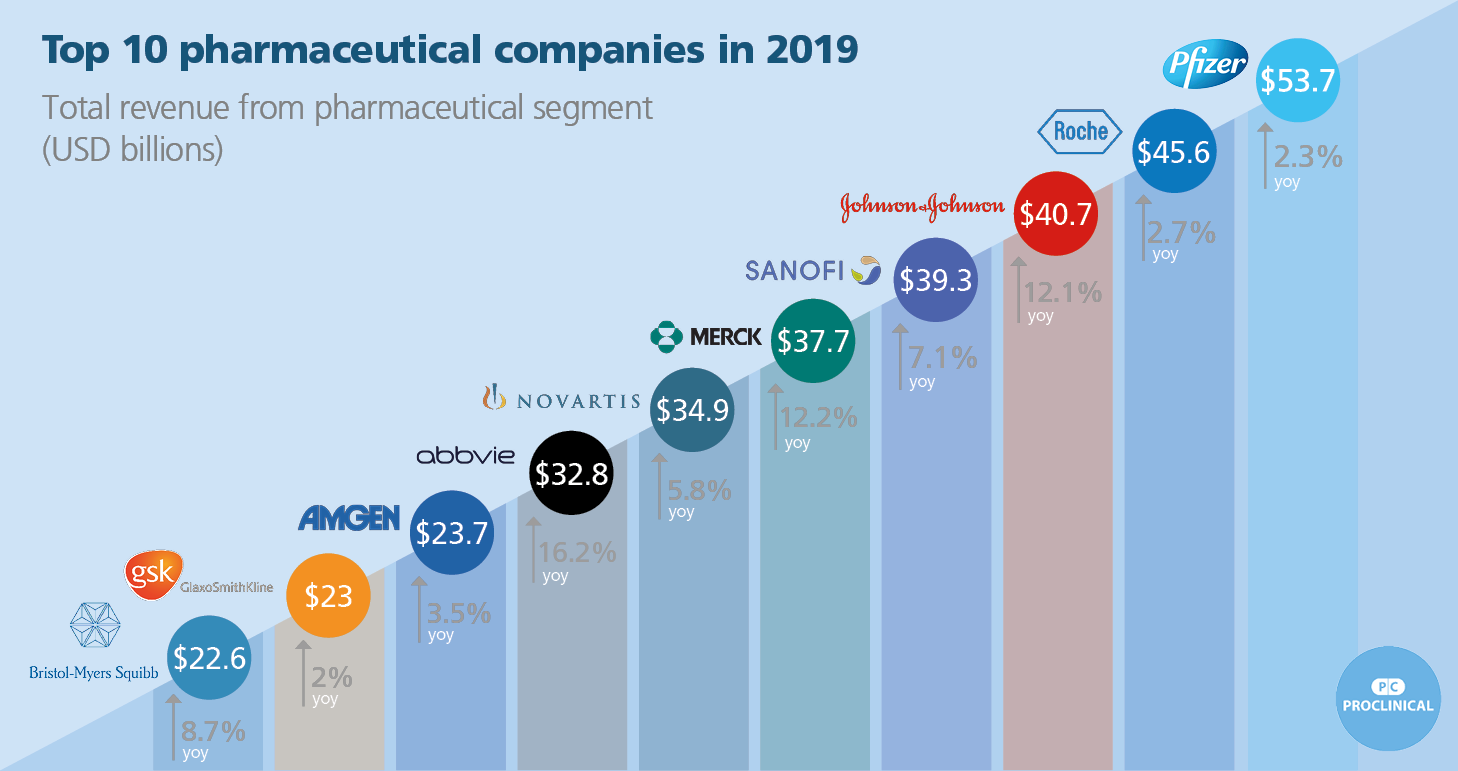
The evolution of pharmaceutical parent companies is defined by a century of strategic consolidation, shifting from small chemical labs to massive global conglomerates. Today, the landscape is dominated by entities like Pfizer, Novartis, and Roche, which expanded through "mega-mergers" to offset high R&D costs, patent expirations, and the need for diversified therapeutic pipelines.
Understanding the lineage of pharmaceutical parent companies requires tracing a path from 19th-century apothecaries to the multi-billion-dollar corporate restructuring events of the 2020s. This timeline reflects the industry’s transition from generalist chemical manufacturing to high-stakes biotechnology and specialized medicine. As of 2026, the sector has entered a "post-conglomerate" era, where parent companies are increasingly spinning off consumer health divisions to focus exclusively on high-margin innovative therapies.
The Early Foundations (1850–1945)
The roots of the modern pharmaceutical parent company lie primarily in the German chemical industry and the American retail pharmacy boom. During this period, companies were often family-owned or functioned as small-scale laboratories focused on isolating alkaloids or producing basic synthetic dyes.
The Rise of the German "Big Three" In the mid-to-late 1800s, companies like Bayer (founded 1863), Hoechst (1863), and BASF formed the backbone of the global chemical and pharmaceutical trade. These entities eventually merged in 1925 to form IG Farben, which became the largest chemical and pharmaceutical conglomerate in the world. Following World War II, IG Farben was dissolved by the Allies due to its role in the war effort, leading to the re-emergence of Bayer, BASF, and Hoechst as independent parent companies.
The Transatlantic Split: Merck & Co. vs. Merck KGaA One of the most significant events in pharmaceutical parentage occurred during World War I. The German company Merck KGaA (founded 1668) had a U.S. subsidiary, Merck & Co. Following the entry of the United States into the war, the U.S. government seized the subsidiary under the Trading with the Enemy Act. This created two completely distinct parent companies that exist today: Merck & Co. (known as MSD outside the U.S. and Canada) and the original Merck KGaA (headquartered in Darmstadt, Germany).
The American Industrialists In the United States, Charles Pfizer and Charles Erhart founded Pfizer in 1849 as a fine chemicals business. Eli Lilly and Company was founded in 1876, focusing on standardized dosing. These companies remained relatively stable in their corporate structure for decades, slowly acquiring smaller regional labs to build their manufacturing capabilities for the mass production of penicillin during the 1940s.
The Era of Diversification and Growth (1945–1988)
Following World War II, pharmaceutical companies transformed into multinational corporations. The "Golden Age" of drug discovery in the 1950s and 60s provided the capital necessary for parent companies to begin the first wave of true corporate diversification.
During this period, parent companies were not just pharmaceutical entities; they were often conglomerates involved in agriculture, animal health, and consumer goods. For instance, American Cyanamid and its subsidiary Lederle Laboratories became a dominant force in both chemicals and medicine. Bristol-Myers and Squibb operated as separate, powerful entities, each building massive portfolios in antibiotics and cardiovascular health.
The 1970s and 80s saw the emergence of the "marketing-driven" parent company. As regulatory requirements from the U.S. Food and Drug Administration (FDA) became more rigorous, the cost of bringing a drug to market escalated. This necessitated larger corporate structures capable of absorbing the financial risk of failed clinical trials.
The Mega-Merger Revolution (1989–2010)
The modern map of pharmaceutical parent companies was largely drawn between 1989 and 2010. This era was characterized by "mega-mergers" intended to achieve "synergies"—a corporate euphemism for reducing overhead and combining R&D budgets to combat the "patent cliff" (the simultaneous expiration of patents on blockbuster drugs).
The Formation of the Giants
- Bristol-Myers Squibb (1989): This $12 billion merger was, at the time, the largest in the industry’s history, creating a parent company with an unprecedented reach in oncology and hypertension.
- Novartis (1996): Created through the merger of Ciba-Geigy and Sandoz, both Swiss companies with centuries of history. This merger was pivotal because it signaled the shift toward life sciences, as the new parent company eventually divested its traditional chemical businesses.
- AstraZeneca (1999): The merger of the Swedish Astra AB and the British Zeneca Group (which had itself spun off from Imperial Chemical Industries) formed a powerhouse in respiratory and gastrointestinal medicine.
- GlaxoSmithKline (2000): Now known as GSK, this entity was formed by the merger of Glaxo Wellcome and SmithKline Beecham. Each of those entities was the result of prior mergers (e.g., SmithKline & French and Beecham Group).
- Sanofi-Aventis (2004): Sanofi-Synthélabo acquired Aventis (which was a merger of Hoechst and Rhône-Poulenc). This created a French-led global giant that would later drop "Aventis" from its name in 2011.
Pfizer’s Acquisition Strategy
No company defined this era more than Pfizer. To maintain its status as the world’s largest pharmaceutical company, Pfizer engaged in a series of massive acquisitions:
- Warner-Lambert (2000): A $90 billion hostile takeover primarily to secure full rights to the cholesterol drug Lipitor.
- Pharmacia (2003): An acquisition that brought the Celebrex franchise under Pfizer’s control.
- Wyeth (2009): A $68 billion deal that diversified Pfizer’s portfolio into vaccines (Prevnar) and biologics.
The Pivot to Specialization and Spin-Offs (2011–2026)
By 2011, the "bigger is better" philosophy began to face scrutiny. Large parent companies found themselves bogged down by slow-moving bureaucracies and low-margin consumer health divisions. The strategy shifted toward "pure-play" pharmaceutical entities—companies that focus exclusively on high-science, innovative medicines like gene therapies, biologics, and oncology.
Major Spin-Off Events
The last decade has seen a dramatic uncoupling of corporate structures. Parent companies have realized that their innovative drug pipelines are valued differently by investors than their stable, but slow-growing, consumer brands (like toothpaste, aspirin, and bandages).
- AbbVie (2013): Abbott Laboratories spun off its research-based pharmaceuticals into a new parent company, AbbVie, while Abbott retained its medical device, diagnostic, and nutritional businesses.
- Organon (2021): Merck & Co. (MSD) spun off its women’s health and legacy brands into a standalone company called Organon.
- Haleon (2022): GSK spun off its consumer healthcare business (a joint venture with Pfizer) to create Haleon, allowing GSK to focus entirely on vaccines and specialty medicines.
- Kenvue (2023): Johnson & Johnson, perhaps the most famous conglomerate in the sector, completed the spin-off of its consumer health division (brands like Tylenol and Band-Aid) into Kenvue. As of 2026, Johnson & Johnson operates as a focused pharmaceutical and medtech parent company.
| Year | Resulting Parent Company | Key Entities/Predecessors | Primary Strategic Driver |
|---|---|---|---|
| 1989 | Bristol-Myers Squibb | Bristol-Myers + Squibb | Global scale and R&D consolidation. |
| 1996 | Novartis | Ciba-Geigy + Sandoz | Pivot to life sciences and biologics. |
| 1999 | AstraZeneca | Astra AB + Zeneca Group | Consolidation of European market share. |
| 2000 | GlaxoSmithKline | Glaxo Wellcome + SmithKline Beecham | Integration of global marketing and R&D. |
| 2004 | Sanofi-Aventis | Sanofi-Synthélabo + Aventis | Creating a European champion in oncology. |
| 2009 | Pfizer | Pfizer + Wyeth | Portfolio diversification into biologics/vaccines. |
| 2013 | AbbVie | Spun off from Abbott Labs | Separating high-growth pharma from devices. |
| 2019 | Takeda | Takeda + Shire | Japanese expansion into global rare diseases. |
| 2023 | Johnson & Johnson | Spun off Kenvue | Pure-play focus on MedTech and Pharma. |
| 2025 | Sanofi (Opella) | Sanofi (Consumer Health split) | Separation of consumer brands for R&D focus. |
Drivers of Parent Company Restructuring
The constant flux in pharmaceutical parentage is not accidental; it is driven by several economic and regulatory pressures that remain relevant in 2026.
1. The R&D Productivity Gap Developing a new drug now costs an average of $2.3 billion when accounting for failures. Large parent companies often find it more efficient to acquire a biotech startup that has a proven Phase II candidate than to develop the drug in-house from scratch. This makes the parent company act as a venture capitalist and a late-stage developer rather than a traditional lab.
2. Patent Cliffs and Generic Competition When a patent expires, a parent company can lose up to 90% of a drug's revenue within weeks as generics enter the market. To prevent a collapse in valuation, parent companies must either merge to find new revenue streams or acquire specialized firms with "orphan drug" status—medications for rare diseases that often have longer market exclusivity and higher price points.
3. Regulatory Scrutiny In 2026, antitrust regulators in the US and the EU have become increasingly wary of mega-mergers. This has forced parent companies to pivot from "buying competitors" to "buying pipelines." Instead of $60 billion mergers, the trend has shifted toward "bolt-on" acquisitions—buying smaller companies for $5 billion to $15 billion to fill specific gaps in therapeutic areas like immunology or neurology.
The Role of Biotechnology Acquisitions
In the 2020s, the line between "pharmaceutical" and "biotechnology" companies has blurred. Historically, "Pharma" companies produced small-molecule chemical drugs, while "Biotech" companies produced large-molecule biologics derived from living cells.
Today, every major pharmaceutical parent company is essentially a biotech company. Pfizer’s partnership with BioNTech for mRNA technology and Gilead Sciences’ acquisition of Kite Pharma for CAR-T cell therapy are prime examples of parent companies acquiring technical platforms rather than just single products. According to the World Intellectual Property Organization (WIPO), biotechnology patents have outpaced traditional chemical pharmaceutical patents for several consecutive years leading into 2026.
Frequently Asked Questions
What is the difference between a pharmaceutical parent company and a subsidiary?
A parent company is the overarching legal entity that owns a controlling interest in other companies, known as subsidiaries. In the pharmaceutical sector, the parent company (e.g., Roche) provides the capital, global regulatory strategy, and legal framework, while the subsidiary (e.g., Genentech) may focus on specific research, manufacturing, or regional distribution.
Why do pharmaceutical companies change their names so often?
Name changes usually follow a merger or a rebranding after a major spin-off. For example, Zeneca and Astra became AstraZeneca to reflect their equal partnership. In other cases, a company may rebrand to distance itself from a legacy chemical business or a high-profile legal settlement, focusing instead on its modern therapeutic mission.
Who are currently the largest pharmaceutical parent companies in 2026?
By revenue and market capitalization, the leaders remain Pfizer, Roche, Eli Lilly, Johnson & Johnson, and AbbVie. Eli Lilly and Novo Nordisk have seen massive growth in their parent company valuations since 2023 due to the dominance of the GLP-1 (metabolic health) market.
How does a "spin-off" benefit a parent company?
A spin-off allows the parent company to shed a business unit that has different growth profiles or risk levels. For instance, a consumer health unit (selling sunblock) is a steady, low-risk business, while an oncology unit is high-risk/high-reward. By separating them, investors can choose which type of business they want to fund, often resulting in a higher combined stock price for both independent entities.
What happened to the historic companies like Burroughs Wellcome or Ciba-Geigy?
These companies have not disappeared but have been absorbed into modern parent companies. Burroughs Wellcome became part of Glaxo Wellcome, which is now GSK. Ciba-Geigy merged with Sandoz to become Novartis. Their legacy lives on in the patents and brands held by the current parent entities.
Is the era of mega-mergers over?
In 2026, the trend has shifted toward smaller, strategic "bolt-on" acquisitions rather than $50 billion+ mega-mergers. This is largely due to increased antitrust enforcement by the Federal Trade Commission (FTC) and the realization that massive integrations often disrupt the very R&D productivity the merger was intended to save.
Strategic Guidance for Industry Observation
For researchers, investors, or healthcare professionals tracking the pharmaceutical sector, it is essential to monitor the "Portfolio Concentration" of parent companies. As of 2026, the most resilient parent companies are those that have successfully transitioned from a diverse "conglomerate" model to a "platform-based" model—where they own a specific technology (like mRNA, CRISPR, or antibody-drug conjugates) that can produce multiple different drugs.
To stay updated on corporate changes, the most reliable method is to monitor the SEC’s EDGAR database for Form 8-K filings, which report material corporate events including mergers, acquisitions, and divestitures. Understanding the parent company structure is not just an academic exercise; it is critical for understanding where drug pricing decisions are made, where R&D priorities are set, and how the global supply chain for life-saving medication is managed.