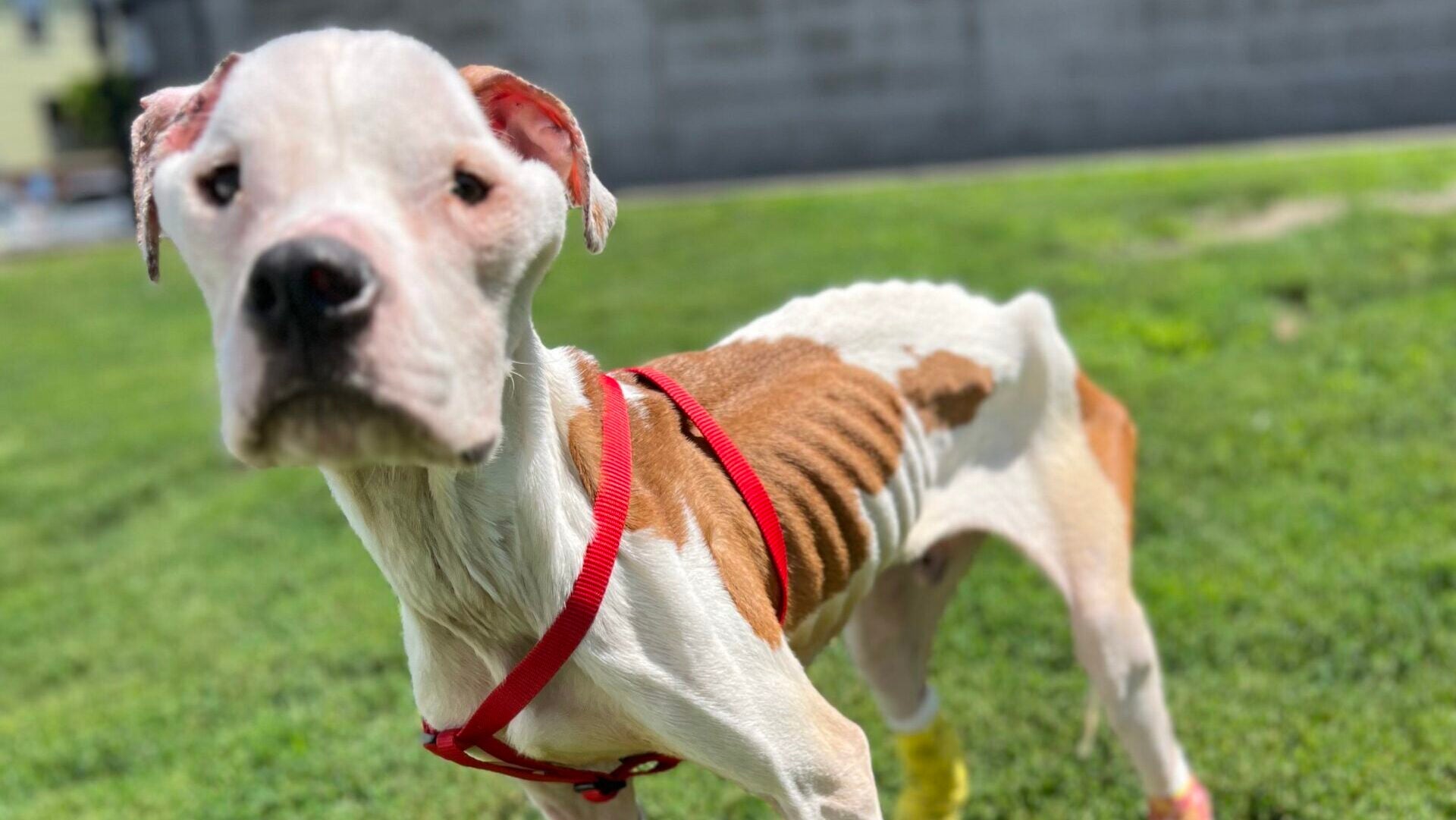
Rehabilitating a starved puppy requires a highly controlled medical approach centered on the prevention of Refeeding Syndrome. The process involves immediate veterinary stabilization, a strictly measured caloric intake distributed across multiple small daily meals, and a gradual transition to a standard nutrient-dense diet over several weeks to ensure organ safety.
The sight of a starved puppy is one of the most distressing experiences in the dog world. Whether found as a stray, rescued from a neglectful environment, or recovered from a natural disaster, these animals are in a fragile physiological state. In 2026, our understanding of canine metabolic recovery has advanced significantly, emphasizing that the "kindness" of a large meal can actually be fatal. True rehabilitation is a marathon, not a sprint, requiring a delicate balance of clinical nutrition, veterinary monitoring, and psychological support.
Understanding the Clinical Definition of Starvation
In the professional dog world, starvation is categorized by the Body Condition Score (BCS), a diagnostic tool used by veterinarians to assess a dog’s fat and muscle mass. While a healthy puppy usually sits at a 4 or 5 on a 9-point scale, a starved puppy often presents at a BCS of 1 or 2.
At BCS 1, the puppy exhibits a complete loss of palpable fat. The ribs, lumbar vertebrae, and pelvic bones are easily visible from a distance, with no discernible body fat. There is an evident loss of muscle mass, particularly over the hindquarters and the skull. This state of emaciation indicates that the body has consumed its own fat stores and has begun catabolizing muscle tissue to maintain basic organ function.
It is vital to distinguish between a puppy that is simply thin and one that is clinically starved. A thin puppy may have been underfed but still possesses some energy reserves. A starved puppy has reached "metabolic bankruptcy," where its internal systems are slowing down to preserve life, making any sudden change in intake a high-risk event.
The Critical Danger: Understanding Refeeding Syndrome
The primary hurdle in the first five to ten days of rescuing a starved puppy is Refeeding Syndrome. This is a potentially fatal condition caused by the sudden shift from a catabolic state (breaking down body tissue for energy) to an anabolic state (building tissue) when food is reintroduced too quickly.
When a puppy has been without food, its body produces very little insulin. When they are suddenly fed a large or carbohydrate-heavy meal, the body releases a surge of insulin to process the glucose. This insulin spike causes a massive shift of electrolytes—specifically phosphorus, potassium, and magnesium—from the bloodstream into the cells.
This rapid depletion of electrolytes in the blood can lead to:
- Heart failure: Electrolyte imbalances disrupt the electrical signals that keep the heart beating.
- Respiratory failure: The muscles responsible for breathing lose the minerals needed to function.
- Red blood cell destruction: Low phosphorus levels can cause hemolytic anemia.
- Neurological collapse: Seizures and coma can occur as the brain's chemical balance is upended.
Because of this risk, the first rule of the dog world when encountering a starved puppy is to never allow them "free access" to food.
The First 24 to 48 Hours: Stabilization and Assessment
The initial phase of rescue focuses on stabilization rather than weight gain. If you find a starved puppy in 2026, your first action must be a veterinary evaluation. The puppy’s internal organs—liver, kidneys, and heart—may be failing, and a standard physical exam cannot detect these underlying issues.
Veterinary Diagnostics
A veterinarian will typically run a "rescue panel," which includes a Complete Blood Count (CBC) and a chemistry profile. They are looking for:
- Anemia: Many starved puppies suffer from severe anemia due to malnutrition or heavy parasite loads.
- Hypoproteinemia: Low protein levels in the blood, which can cause fluid to leak into the abdomen or chest (ascites).
- Organ Function: Elevates in kidney or liver enzymes that indicate the body is struggling to process waste.
- Parasite Load: Starved puppies almost always have internal parasites (hookworms, roundworms) and external parasites (fleas, ticks) that further drain their limited resources.
Hydration First
Often, a starved puppy is also severely dehydrated. However, rehydrating too quickly can also cause issues. Veterinarians may use subcutaneous or intravenous fluids, but these must be balanced with the puppy’s electrolyte levels. If the puppy can drink, water should be offered in small, frequent amounts rather than one large bowl.
The Refeeding Protocol: A Step-by-Step Guide
Once the puppy is stabilized, the refeeding process begins. In 2026, the gold standard follows a restrictive caloric ramp-up. The goal is not to see the ribs disappear in a week; the goal is to keep the puppy alive while their metabolism restarts.
Phase 1: Days 1–3 (The Cautious Start)
The puppy should be fed only 25% to 50% of their Resting Energy Requirement (RER) based on their current emaciated weight, not their target weight.
- Frequency: 6 to 9 small meals per day (every 2–3 hours).
- Dietary Composition: High-fat, low-carbohydrate food is preferred. Fat provides dense calories without the massive insulin spike associated with carbohydrates. Many rescuers use a prescription "recovery" diet designed for critical care.
Phase 2: Days 4–7 (Gradual Increase)
If the puppy shows no signs of peripheral edema (swelling) or neurological twitching, the caloric intake can be increased to 75% of their RER.
- Monitoring: Continue the frequent small meals. Observe the puppy for vomiting or diarrhea, which are signs the gastrointestinal tract is struggling to wake up.
Phase 3: Week 2 and Beyond (The Growth Phase)
By the second week, if the puppy is stable, you can gradually move toward 100% of their RER and eventually increase to the caloric needs of a growing puppy. You can also begin to reduce the frequency of meals to 4 times per day.
| Refeeding Stage | Caloric Target (% of RER) | Daily Meal Frequency | Primary Goal |
|---|---|---|---|
| Stage 1 (Days 1-3) | 25% - 50% | 6 - 9 meals | Metabolic stabilization and electrolyte balance |
| Stage 2 (Days 4-7) | 75% | 6 meals | Gradual GI tract reactivation |
| Stage 3 (Days 8-14) | 100% | 4 - 5 meals | Baseline maintenance |
| Stage 4 (Week 3+) | 125% - 150% | 3 - 4 meals | Healthy weight gain and growth |
Addressing Secondary Health Concerns
A starved puppy is rarely just hungry. Their immune system is profoundly suppressed, making them vulnerable to every pathogen in the dog world.
Parasite Management
While it is tempting to immediately deworm a starved puppy, a massive "die-off" of worms can release toxins that a weak puppy cannot handle. Veterinarians in 2026 often recommend "slow-kill" or staged deworming protocols, using milder doses to reduce the parasite load gradually over several weeks.
Temperature Regulation
Starved puppies have no body fat to insulate them. They cannot maintain their own body temperature (thermogenesis). It is essential to provide a warm, draft-free environment. Use blankets and, if necessary, safe heating pads (monitored closely to prevent burns) to keep their ambient temperature around 75-80°F (24-27°C).
Skin and Coat Care
The "starvation coat" is often brittle, thinning, and discolored. As the puppy recovers, they may actually shed their entire old coat before a new, healthy one grows in. Gentle baths with medicated or oatmeal-based shampoos can help soothe skin that has been irritated by urine scald or flea dermatitis.
Psychological Rehabilitation: The "Dog World" Perspective
The trauma of starvation leaves deep psychological scars. In the dog world, a puppy that has had to fight for every scrap of food may develop behavioral issues that require as much attention as their physical recovery.
Resource Guarding
This is the most common behavioral side effect. The puppy may growl, snap, or lung at anyone approaching their food bowl. In 2026, behaviorists recommend "counter-conditioning" once the puppy is physically stable. This involves tossing high-value treats near the puppy while they eat to teach them that a human approaching their bowl means more food, not less.
Food Obsession
A formerly starved puppy may become "food-driven" to an extreme degree, eating non-food items (pica) or constantly scavenging. This often subsides as the puppy realizes food is now a consistent resource, but for some, it remains a lifelong trait.
Building Trust
Starved puppies are often fearful. They may not have had positive human interaction during their critical socialization period. Recovery involves "low and slow" interaction—sitting on the floor, avoiding direct eye contact initially, and letting the puppy approach you on their own terms.
Common Mistakes to Avoid
Even with the best intentions, rescuers often make errors that can set back a puppy’s recovery or prove fatal.
- Feeding "People Food" Scraps: High-sodium or high-sugar human foods can wreak havoc on a compromised renal system. Stick to veterinary-approved recovery diets.
- Over-supplementing Vitamin D and Calcium: While it seems logical to give extra vitamins, the puppy's organs are already stressed. Excessive fat-soluble vitamins can lead to toxicity. Stick to a balanced, high-quality puppy food once they are past the critical refeeding phase.
- Rapid Exercise: A starved puppy has no muscle to support their joints. Exercise should be limited to short, slow walks for elimination purposes only until the vet clears them for play. Overexertion can lead to heart strain.
- Early Vaccination: Vaccinating a puppy that is currently emaciated is often ineffective because their immune system cannot produce an adequate response. Most protocols in 2026 suggest waiting until the puppy has reached a BCS of at least 3 and has stable bloodwork.
Frequently Asked Questions
How long does it take for a starved puppy to reach a healthy weight?
Depending on the severity of the starvation, it typically takes 4 to 12 weeks to reach a healthy Body Condition Score. Muscle mass takes significantly longer to rebuild than body fat. You should expect a slow, steady increase rather than a "ballooning" effect.
Should I give the puppy a multivitamin?
Do not introduce supplements without veterinary guidance. Most high-quality recovery foods are already fortified. Adding extra minerals like phosphorus or calcium during the early stages of refeeding can actually trigger the metabolic imbalances associated with Refeeding Syndrome.
Why is the puppy's stomach so bloated if they are starved?
This is a common paradox. A "pot-bellied" appearance in an otherwise emaciated puppy is usually caused by a heavy internal parasite load (like roundworms) or a condition called hypoproteinemia, where low protein levels cause fluid to leak into the abdominal cavity. It is not a sign that the puppy is "full."
Can a starved puppy ever lead a normal life?
Yes. With proper medical intervention and a gradual refeeding process, most puppies can make a full physical recovery. However, depending on the age at which starvation occurred, there may be some permanent stunting of their maximum potential size or long-term sensitivities in their digestive tract.
What is the best food for a starved puppy?
In 2026, the preference is for calorie-dense, wet (canned) recovery formulas. Wet food provides essential hydration and is easier for a weak puppy to chew and swallow. Look for foods labeled "Critical Care" or "Recovery" that prioritize high-quality animal proteins and fats over grain fillers.
Moving Forward: The Path to Recovery
Rescuing a starved puppy is a profound responsibility that requires patience and a commitment to clinical precision. Your next action should be to establish a relationship with a veterinarian who has experience in canine nutrition and emergency medicine. Keep a detailed log of every meal—recording the time, the exact amount fed, and the puppy's reaction (including stool consistency and energy levels).
The "dog world" relies on the advocacy of rescuers who understand that healing an emaciated animal is a complex biological process. By following a strict refeeding protocol and providing a stable, warm environment, you give these vulnerable puppies the best chance to transition from a state of survival to a life of thriving.