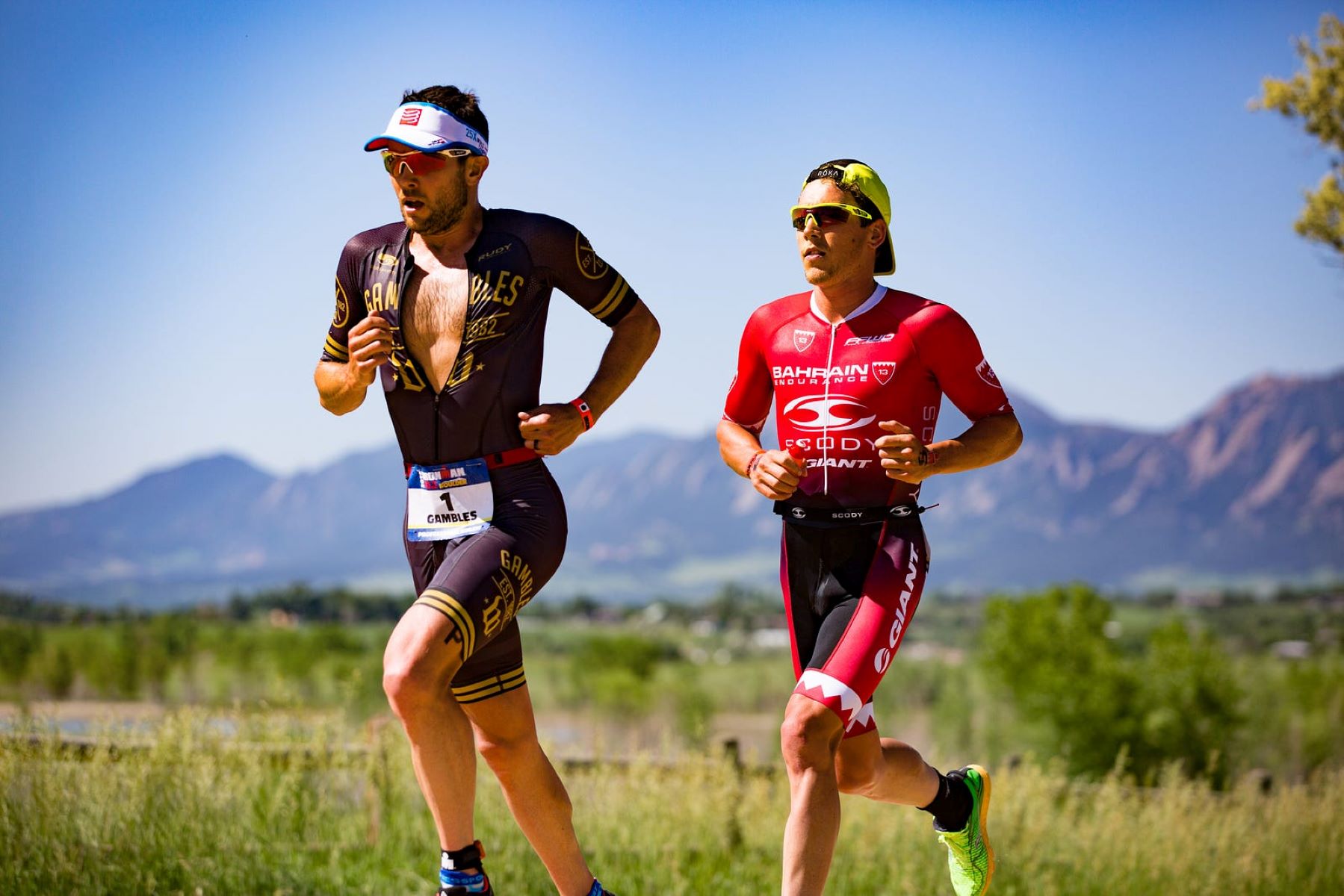
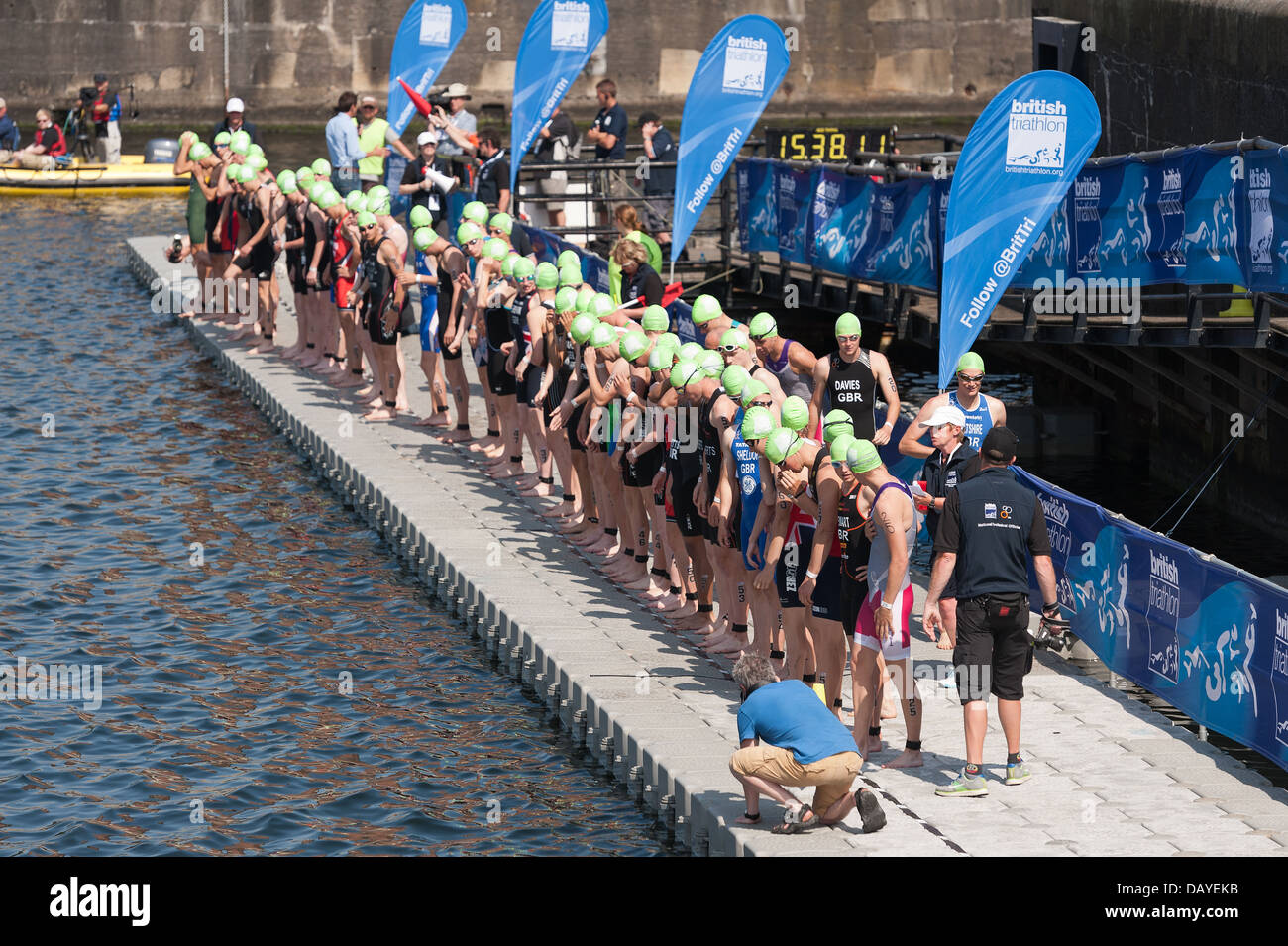
A sprint triathlon typically covers a short, fast race consisting of a 750-meter (0.47-mile) swim, a 20-kilometer (12.4-mile) bike ride, and a 5-kilometer (3.1-mile) run. As the most accessible distance in multisport, it serves as both an entry point for beginners and a high-intensity challenge for seasoned athletes seeking speed.
The Anatomy of a Sprint Triathlon
While the term "triathlon" often conjures images of the grueling day-long Ironman, the sprint distance is the heartbeat of the local racing scene in 2026. It is designed to be completed in a fraction of the time—usually between 60 and 100 minutes for most participants—yet it requires a unique blend of cardiovascular endurance and anaerobic power.
Standard Distances vs. Variations
The International Triathlon Union (ITU), now known as World Triathlon, sets the standard sprint distance. However, local race directors often modify these lengths based on the venue's geography or the specific goals of the event.
- The Swim (750 meters): In a standard sprint, this takes place in open water (lakes, rivers, or oceans). However, many "pool sprints" exist for beginners, where the swim might be 400 or 500 meters in a controlled environment.
- The Bike (20 kilometers): This segment is traditionally held on paved roads. In 2026, many sprint races have embraced "closed-course" formats to enhance safety and allow for higher speeds.
- The Run (5 kilometers): The final leg is a standard 5K. While it seems short, the physiological challenge of "running off the bike" makes this 5K feel significantly harder than a standalone road race.
The "Short and Fast" Philosophy
The defining characteristic of the sprint is its intensity. Because the total duration is relatively short, athletes can push their heart rates closer to their maximum threshold. In longer formats like the Olympic or Half-Ironman, "pacing" is about conservation. In a sprint, pacing is about controlled aggression. You are essentially operating at 90-95% of your functional threshold for the entire duration of the event.
Equipment Essentials for the 2026 Athlete
Technological advancements have made triathlon more accessible and data-driven than ever before. While a beginner can finish a sprint with a mountain bike and a pair of gym shorts, those looking to optimize their performance should consider specific gear categories.
The Swim: Wetsuits and Goggles
In 2026, wetsuit technology has moved toward "hydrodynamic buoyancy," providing better lift for the legs without sacrificing shoulder mobility.
- Wetsuits: If the water temperature is below 78°F (25.5°C), a wetsuit is usually legal. It provides thermal protection and significant buoyancy, which can shave minutes off a beginner's swim time.
- Goggles: Look for wide-periphery lenses for open-water "sighting." Anti-fog coatings and photochromic lenses (which darken in sunlight) are now standard for high-level sprint racing.
The Bike: Road vs. Triathlon Bikes
For a 20km sprint, the bike choice depends on the athlete's goals.
- Road Bikes: These are versatile and easier to handle in tight corners. Many sprint courses are technical, making a lightweight road bike a preferred choice for many.
- Triathlon (TT) Bikes: These are designed for straight-line aerodynamics. While faster on flat courses, they require a specific fit and more practice to handle safely.
- The Helmet: Safety is non-negotiable. In 2026, MIPS (Multi-directional Impact Protection System) is the industry standard, and many sprint athletes opt for "aero-road" helmets that balance ventilation with drag reduction.
The Run: Carbon Plating and Elastic Laces
The transition from bike to run (T2) is where gear can save valuable seconds.
- Carbon-Plated Shoes: These shoes, featuring energy-returning foam and carbon fiber plates, are now common across all distances. In a 5K sprint, they provide the "pop" needed for tired legs.
- Elastic Laces: Replacing standard laces with elastic "lock" laces allows you to slide your feet into your shoes instantly, saving 10 to 30 seconds in the transition area.
Training Fundamentals: The 8-12 Week Progression
Preparing for a sprint triathlon does not require 20 hours of training per week. For most healthy adults, a structured 8-to-12-week program—averaging 4 to 6 hours of work per week—is sufficient to finish comfortably.
Developing the Swim Base
Swimming is the most technical discipline. Beginners should focus on stroke efficiency rather than raw power.
- Technique Drills: Incorporate "catch-up" drills and "finger-tip drag" drills to improve your water feel.
- Open Water Practice: At least twice before race day, practice in the environment where you will race. Learning to "sight" (looking up to find a buoy) is a skill that cannot be learned in a pool.
Building Cycling Power
The bike is the longest portion of the race. Training should involve a mix of steady-state endurance and high-intensity intervals.
- Interval Training: 2026 training platforms like Zwift or TrainerRoad have popularized "VO2 Max" intervals. These short, intense bursts of cycling help you handle the surges required in a sprint race.
- Handling Skills: Practice cornering, braking, and shifting gears smoothly.
The Importance of "Brick" Workouts
A "brick" workout is a bike ride immediately followed by a run. This is arguably the most important training session for a triathlete.
- Physiological Adaptation: When you stop cycling and start running, your blood flow must quickly redistribute from the cycling muscles (quadriceps) to the running muscles (calves and hamstrings).
- Mental Preparation: Brick workouts train your brain to handle the "heavy leg" sensation that occurs during the first mile of the run.
Mastering the "Fourth Discipline": Transitions
In a sprint triathlon, transitions are where the race can be won or lost. Because the distances are short, spending five minutes in transition is a massive percentage of your total time.
T1: Swim to Bike
- The Exit: As you leave the water, unzip your wetsuit and pull it down to your waist while running toward your bike.
- The Setup: Your helmet should be open on your handlebars, and your sunglasses should be inside the helmet.
- The Sequence: Sunglasses on, helmet on and buckled (mandatory before touching the bike), shoes on, and go.
T2: Bike to Run
- The Approach: Spin your legs at a higher cadence (RPM) during the last kilometer of the bike to prepare them for running.
- The Rack: Dismount before the timing line, rack your bike, remove your helmet, and slide into your running shoes.
- The Departure: Grab your race belt (with your bib number) and head out. You can put the belt on while you are running.
Nutrition and Hydration Strategies for Sprint Racing
Because a sprint race typically lasts less than two hours, nutrition is simpler than in an Ironman, but it is still vital for peak performance.
Pre-Race Fueling
The goal is to top off glycogen stores without causing gastrointestinal distress.
- The Meal: Eat a high-carbohydrate, low-fiber meal 2-3 hours before the start. Examples include oatmeal with a banana or a plain bagel with honey.
- Hydration: Sip on an electrolyte-rich drink in the hours leading up to the race. Avoid excessive caffeine if you are prone to pre-race jitters.
During the Race
Most athletes do not need solid food during a sprint triathlon.
- The Swim: No nutrition is possible.
- The Bike: This is the best time to take in fluids and carbohydrates. One bottle of an electrolyte/carb mix (about 30-60g of carbs) is usually sufficient.
- The Run: Focus on water or small sips of sports drink at the aid stations if the weather is hot.
Comparative Overview of Triathlon Distances
To understand where the sprint triathlon fits in the broader landscape of multisport, it is helpful to compare it to other standard distances recognized by organizations like USA Triathlon.
| Race Type | Swim Distance | Bike Distance | Run Distance | Average Finish Time |
|---|---|---|---|---|
| Super Sprint | 400 m (0.25 mi) | 10 km (6.2 mi) | 2.5 km (1.5 mi) | 30–50 mins |
| Sprint | 750 m (0.47 mi) | 20 km (12.4 mi) | 5 km (3.1 mi) | 1–1.5 hours |
| Olympic | 1.5 km (0.93 mi) | 40 km (24.8 mi) | 10 km (6.2 mi) | 2–3.5 hours |
| 70.3 (Half) | 1.9 km (1.2 mi) | 90 km (56 mi) | 21.1 km (13.1 mi) | 4–7 hours |
| 140.6 (Full) | 3.8 km (2.4 mi) | 180 km (112 mi) | 42.2 km (26.2 mi) | 9–17 hours |
Frequently Asked Questions
Do I need a triathlon-specific bike for a sprint?
No, you do not need a dedicated triathlon bike. For your first sprint, a standard road bike or even a hybrid/mountain bike is perfectly acceptable. Most local races have a diverse range of equipment. The most important factor is that the bike is in good mechanical condition and that you wear a certified helmet. As you become more competitive, you might consider "clip-on" aerobars or a dedicated triathlon frame to improve your aerodynamics.
Is a sprint triathlon suitable for someone who can't swim well?
While "sprint" implies speed, many participants use the event as a fitness goal and are not concerned with their ranking. If you are a weak swimmer, look for "Pool Sprints" where you can touch the bottom or take breaks at the lane ends. For open-water sprints, many races allow athletes to use "tow floats" for safety, though this may disqualify you from winning awards. Consistency in training is the best way to overcome swim anxiety.
What is a "good" time for a sprint triathlon?
A "good" time is subjective and depends on the course difficulty and weather. However, for a standard 750m/20k/5k course, a finish time under 1 hour and 15 minutes is generally considered very competitive. Mid-pack finishers typically fall between 1 hour 30 minutes and 1 hour 45 minutes. Beginners should focus on completing each segment safely rather than hitting a specific clock time.
Can I wear a separate top and bottom, or do I need a tri-suit?
You can certainly wear separate pieces. However, a "tri-suit" (either a one-piece or a matching two-piece set) is designed to be worn for all three legs. It has a thin pad (chamois) for the bike that won't feel like a heavy diaper during the run, and it is made of quick-drying fabric. If you choose separates, ensure they are form-fitting to prevent chafing and reduce drag in the water and on the bike.
How many days a week should I train for a sprint?
For a beginner, 4 to 5 days of training per week is the "sweet spot." This allows for two sessions of each discipline (with some overlap in brick workouts) and at least one or two full days of recovery. A typical week might include: Monday (Rest), Tuesday (Swim), Wednesday (Run), Thursday (Bike), Friday (Swim), Saturday (Bike/Run Brick), Sunday (Recovery Walk or Rest).
Final Recommendation for Aspiring Athletes
If you are considering your first sprint triathlon in 2026, the best approach is to prioritize consistency over intensity. The "short and fast" nature of the race is exhilarating, but it requires a foundation of cardiovascular health. Start by joining a local triathlon club or finding a training partner; the community aspect of the sport is one of its greatest rewards. Focus your first few weeks on mastering the swim technique and getting comfortable on your bike. Once the logistics of the gear and transitions feel second nature, the "fast" part of the sprint triathlon will come naturally.