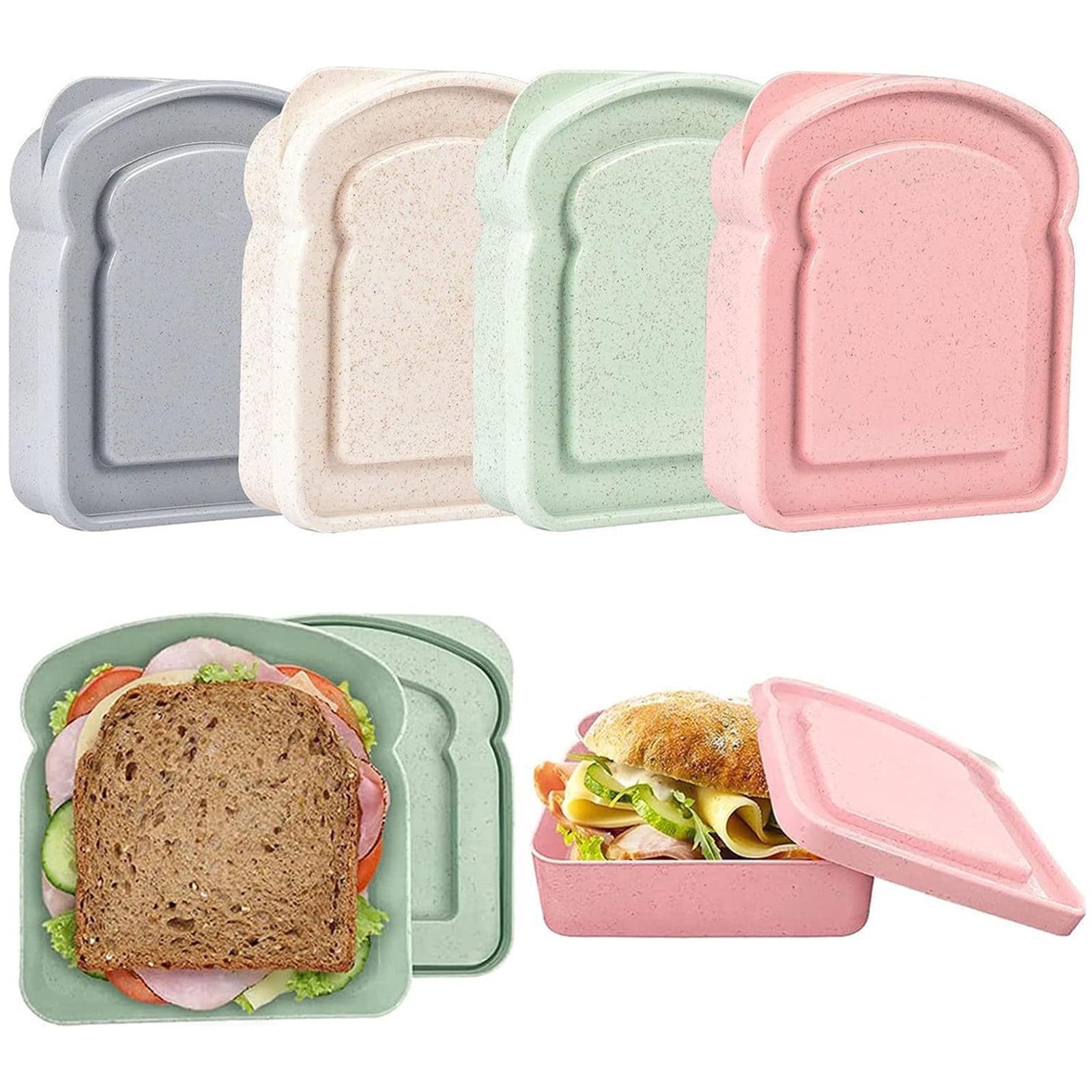
Whether a sandwich bag is safe for microwave use depends entirely on the material composition of the specific product and its manufacturing specifications. While many food-grade storage bags are designed to be heat-resistant, "sandwich bags" intended for room-temperature storage often lack the structural integrity required to withstand the high temperatures generated by microwaving, which can lead to melting, leaching, or physical failure of the bag.
Understanding Microwave Safety in Plastics
Microwave safety is not a universal quality of all plastic materials. When plastics are subjected to the intense heat of a microwave—particularly when heating fatty or sugary foods—they can reach temperatures that exceed their structural limits.
The primary concern regarding "microwave safe" labeling is the potential for chemical migration. Certain chemicals, such as phthalates and bisphenol A (BPA), are often used in the production of plastics to increase flexibility or durability. If a bag is not specifically engineered for high-heat applications, the plastic may soften or melt, potentially allowing these chemical compounds to transfer into the food. The U.S. Food and Drug Administration (FDA) regulates food-contact substances, and manufacturers must provide evidence that their products meet safety standards for their intended use. If a package does not explicitly state that it is "microwave safe," it should be assumed that it is not intended for that purpose.
The Distinction Between Storage and Microwave-Specific Bags
It is common for consumers to confuse "food-grade" with "microwave-safe." A bag can be perfectly safe for storing a sandwich at room temperature or in a refrigerator while being entirely unsuitable for a microwave.
Manufacturers typically produce two distinct categories of plastic bags:
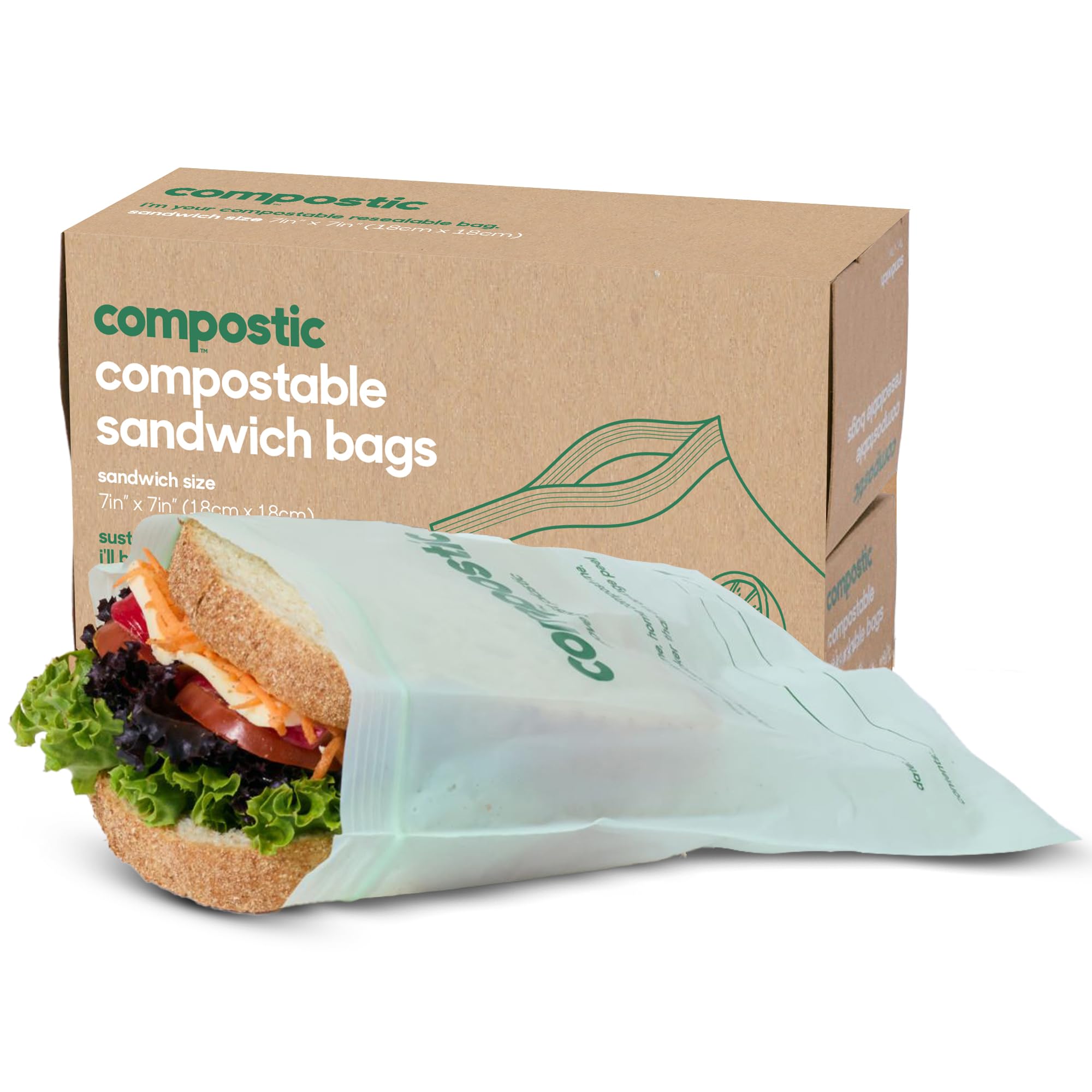
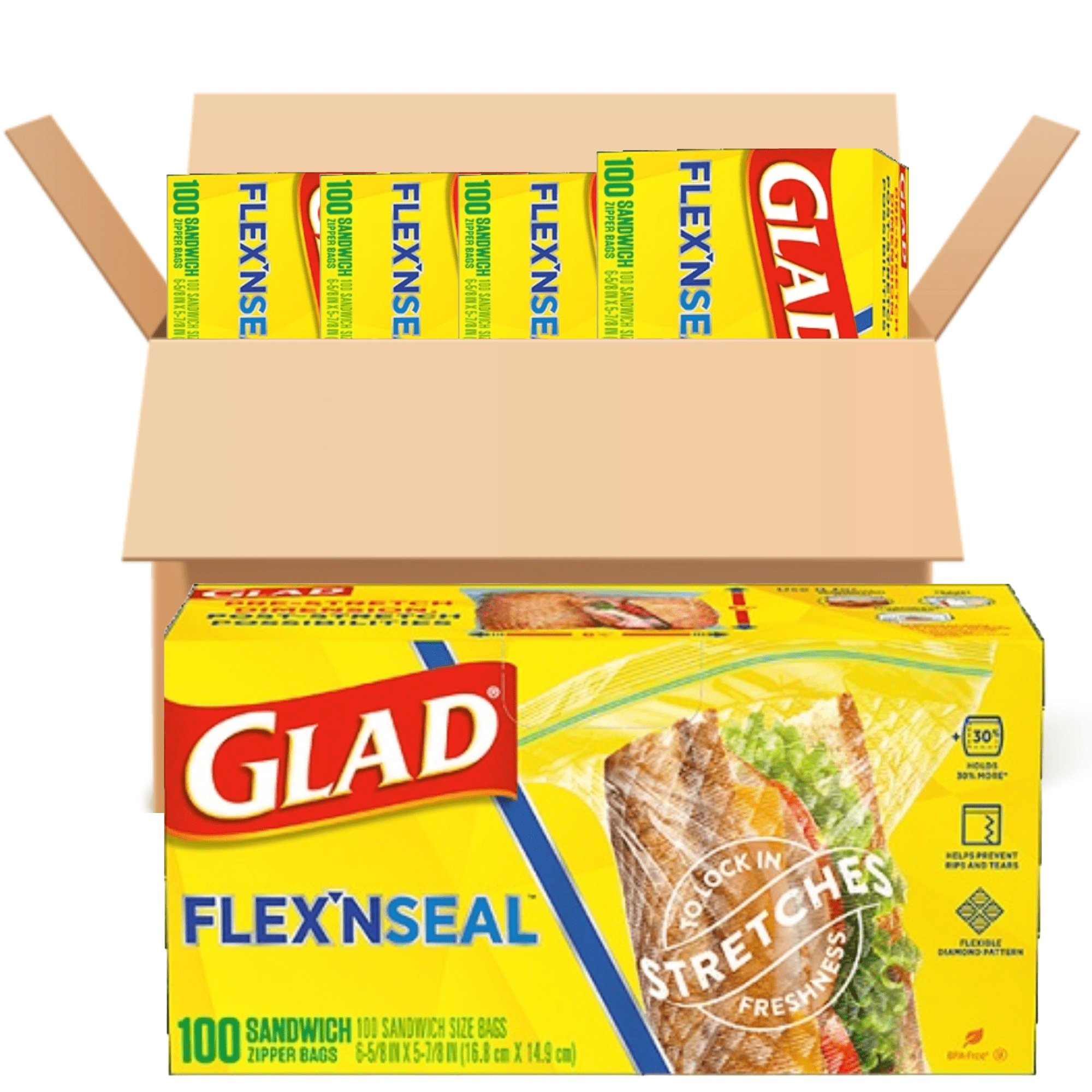
- Sandwich and Storage Bags: These are manufactured from lighter-gauge polyethylene. They are designed for short-term shelf stability or refrigeration. The plastic density is lower, and the seal mechanisms are not designed to vent steam or resist the pressure changes associated with rapid heating.
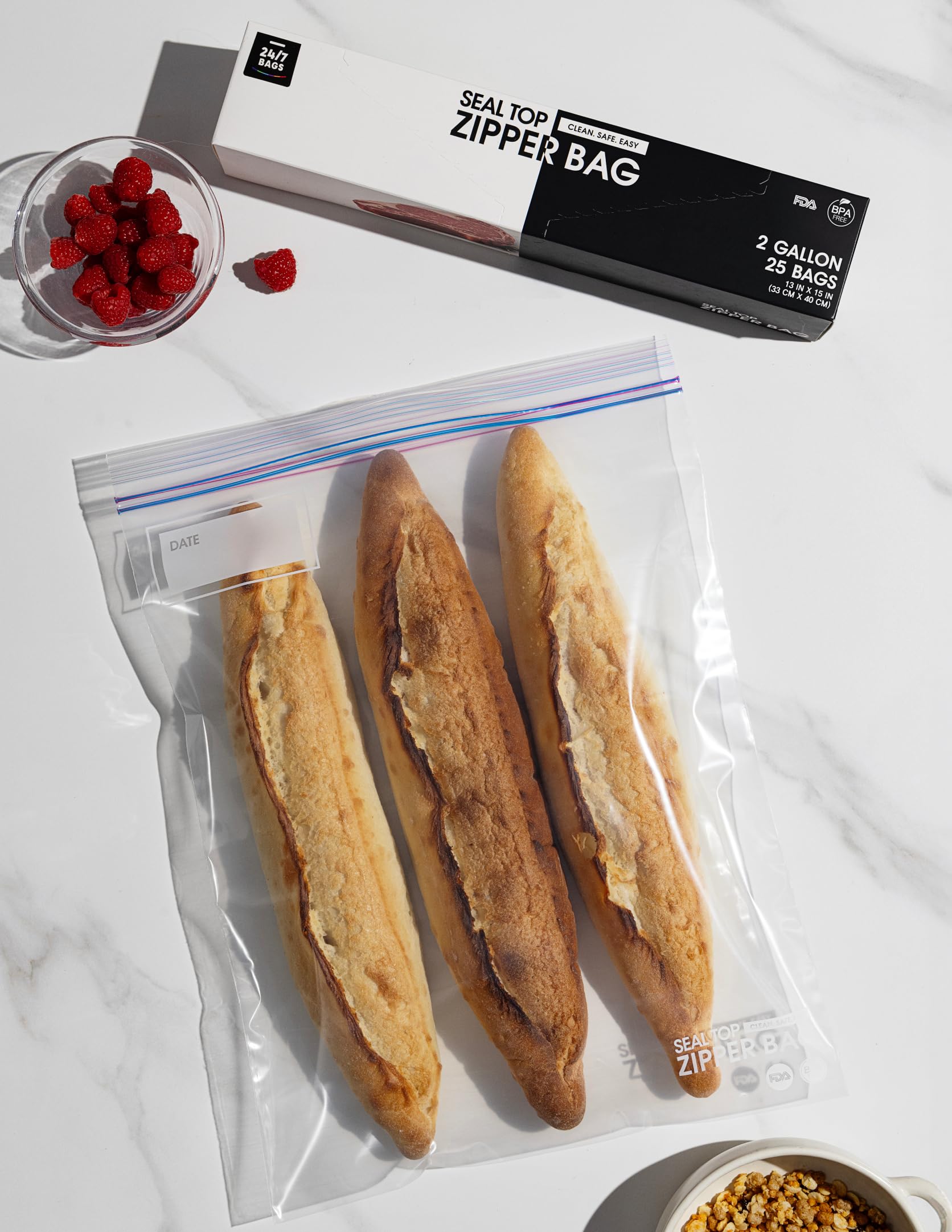
- Microwave/Freezer Bags: These bags are often constructed from thicker, heat-stabilized materials. They are engineered to remain stable at the higher temperatures required for defrosting or reheating food. They also frequently include features like gusseted bottoms to allow for expansion and specialized seals that may hold up better under thermal stress.
Evaluating Manufacturer Labeling and Symbols
To determine if a bag is safe for your microwave, look for formal markings on the original box rather than the bag itself. Because bags are thin, they often lack sufficient surface area for clear safety icons.
The standard indicator of safety is the "microwave safe" icon, which usually features a microwave or a set of wavy lines. If this symbol is absent, the manufacturer has not performed the necessary testing to certify the product for microwave use. Furthermore, the resin identification code (the number inside the recycling triangle) should not be used as a proxy for safety. For example, a "1" (PETE) or "4" (LDPE) tells you the type of plastic but does not confirm that the specific item was tested for the thermal rigors of a microwave oven.
Risks Associated with Improper Microwaving
Using a non-microwave-safe bag in the microwave introduces several mechanical and chemical risks:
- Thermal Deformation: Even at temperatures below the melting point, many plastics begin to deform. This can cause the bag to fuse to the food, making the food inedible and risking the consumption of melted plastic.
- Steam Pressure: As food heats, it releases moisture. In a sealed bag, this creates steam pressure. Sandwich bags are not designed to vent this pressure, which can lead to the bag bursting, resulting in hot spills and potential burns.
- Chemical Leaching: Heat acts as a catalyst for the migration of plasticizers. Even if the bag does not visibly melt, prolonged contact with high-temperature food can facilitate the transfer of chemical additives into the contents of the bag.
- Fatty and Sugary Foods: Fats (like oils or cheese) and sugars can reach temperatures significantly higher than the boiling point of water. These foods can cause localized "hot spots" that melt plastic even when the surrounding food is not extremely hot.
Comparison of Plastic Bag Utility
| Bag Type | Recommended Use | Microwave Safe? | Thermal Limits |
|---|---|---|---|
| Standard Sandwich Bag | Room temp storage | No | Low |
| Heavy-Duty Storage Bag | Fridge/Freezer storage | Varies (check label) | Moderate |
| Microwave-Specific Bag | Defrosting/Reheating | Yes | High |
| Sous Vide/Boiling Bag | High-temp cooking | Yes | Very High |
Best Practices for Heating Food
If you need to heat food that is currently inside a sandwich bag, the safest course of action is to transfer the food to an appropriate container before starting the microwave.
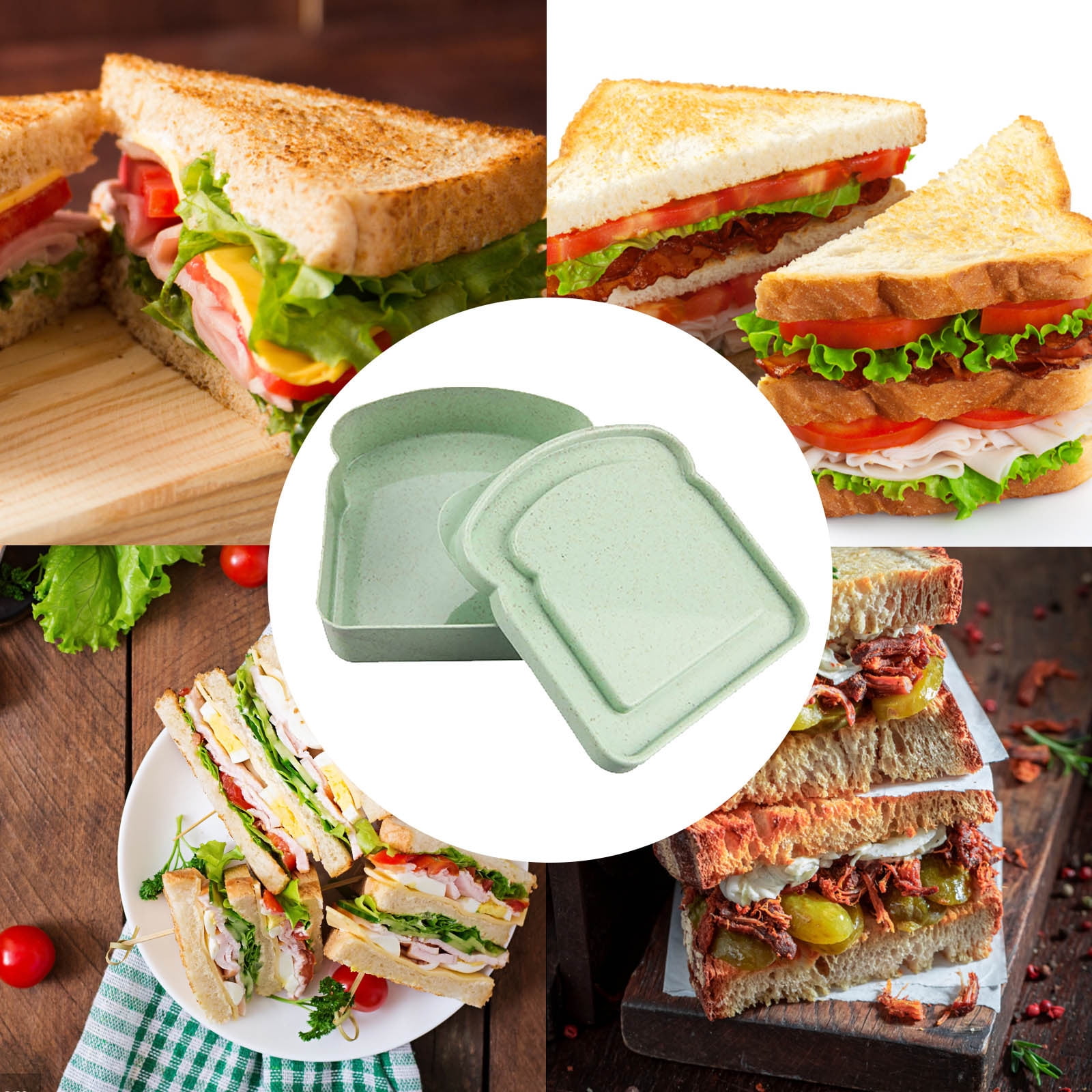
- Use Glass or Ceramic: Containers made of glass or ceramic, especially those marked "microwave safe," are inert and do not release chemicals when heated.
- Avoid Direct Contact: If you must use a plastic container, ensure it is designated for microwave use and maintain a gap between the food and the plastic if possible.
- Venting: If you use a container with a lid, ensure it is vented. Never seal a plastic bag or container tightly in the microwave, as the expanding steam needs a path of egress to prevent pressure buildup.
- Prioritize Paper: For tasks like reheating bread or dry items, a plain, un-inked paper towel or microwave-safe parchment paper is often a safer and more effective choice than any plastic bag.
Troubleshooting and Common Mistakes
One of the most frequent errors is assuming that because a bag held up during a 30-second defrost cycle, it is safe for a 3-minute reheat cycle. Plastic failure is often time-dependent and temperature-dependent. A bag might show no signs of damage after a short duration, but the same bag may degrade rapidly once the food inside reaches a higher thermal state.
If you have inadvertently microwaved food in a standard sandwich bag, assess the food for visual signs of melting or physical contact with the plastic. If there is any evidence of the plastic touching the food or if the bag has lost its shape, the safest decision is to discard the food. The cost of replacing a meal is significantly lower than the potential health risks associated with the ingestion of degraded plastic materials.
Frequently Asked Questions
Can I put a Ziploc-style bag in the microwave if the box says it is BPA-free? Being "BPA-free" only indicates that the chemical Bisphenol A was not used in manufacturing. It does not mean the plastic is heat-stable. You must still look for the specific "microwave safe" claim on the packaging.
What happens if a sandwich bag touches the food while microwaving? When plastic touches hot food, especially food containing fat, it can reach its melting point locally. This leads to the plastic fusing with the food surface, which makes it impossible to separate and increases the likelihood that plasticizers or melted plastic fragments will be ingested.
Is it safe to use sandwich bags for sous vide cooking? No. Sandwich bags are generally too thin and their seals are not robust enough for the sustained high temperatures and pressures of sous vide cooking. Use bags specifically labeled for sous vide or vacuum-sealing.
Why do some storage bags feel like they can withstand heat? Higher-quality storage bags are often made of a slightly thicker, more durable polyethylene than standard sandwich bags. While this provides better protection for freezer burn, it does not automatically confer microwave stability. Always defer to the manufacturer’s instructions.
What is the best alternative for heating sandwiches? The most effective and safe way to heat a sandwich is to remove it from the bag and wrap it in a paper towel. The paper towel helps absorb excess moisture, preventing the bread from becoming soggy, and provides a microwave-safe barrier that is free from plastic additives.
Final Recommendation
To ensure maximum safety, treat all standard sandwich bags as single-use items intended for storage at ambient temperatures only. Do not subject them to the microwave. When the need arises to heat food, remove it from the plastic packaging entirely and utilize a glass, ceramic, or paper-based alternative. When purchasing storage products, prioritize those that explicitly state their microwave performance capabilities on the external packaging, and discard any bags that show signs of wear or degradation.