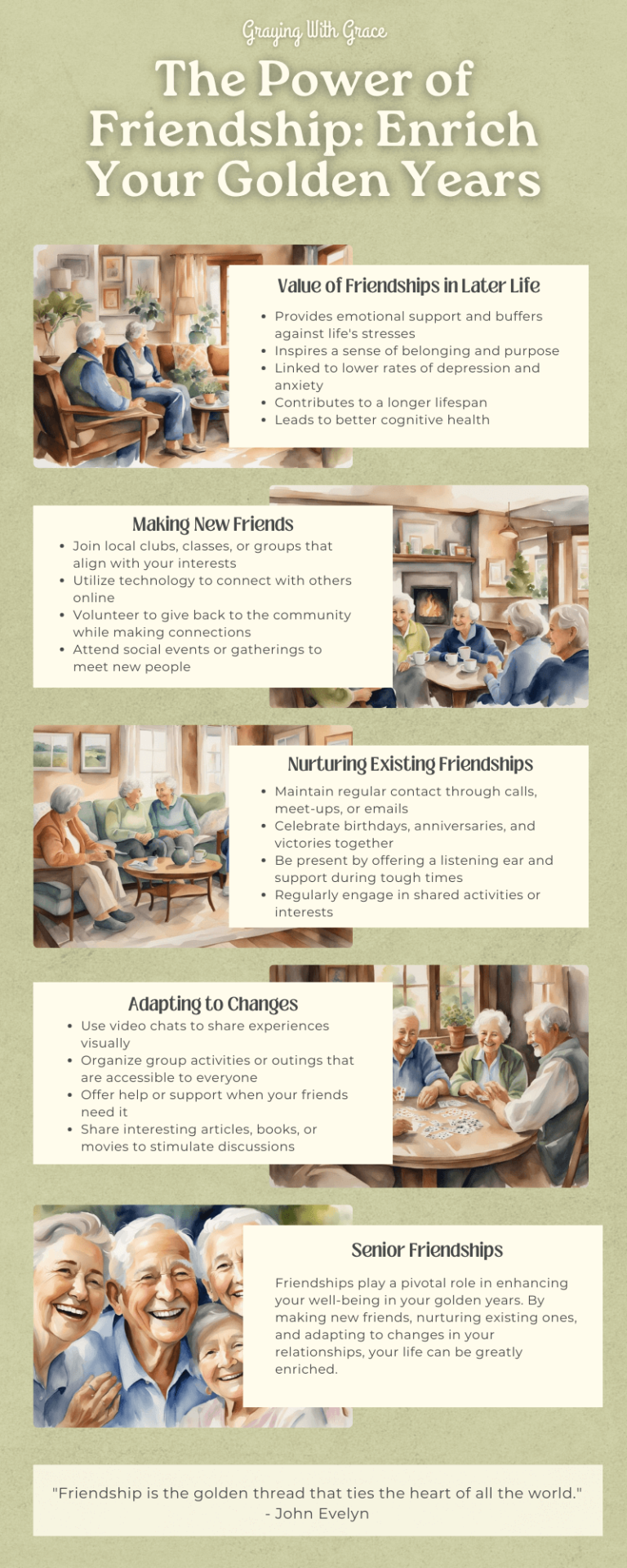
Engaging in a structured friendship Q&A is a deliberate practice of asking and answering curated questions to foster deeper emotional intimacy, mutual understanding, and long-term relational growth. By moving beyond superficial small talk, friends can explore personal values, history, and future aspirations, effectively strengthening the foundation of their bond through vulnerability and active listening.
Understanding the Purpose of Friendship Q&A
Friendship often plateaus when conversations remain limited to daily updates, work stressors, or shared entertainment preferences. While these interactions are necessary for coordination and casual bonding, they rarely provide the depth required for genuine emotional connection. A friendship Q&A serves as a structured intervention to break these patterns.
The primary goal of this exercise is to transition from breadth-based communication to depth-based communication. By introducing a "question-and-answer" framework, participants create a safe container where the social pressure to be entertaining or brief is replaced by an invitation to be authentic. This is not a formal interview; it is a collaborative tool used to explore the internal world of the person sitting across from you.
Prerequisite Mindset and Environmental Factors
Before beginning a session, both parties must agree on the intent. If one participant feels coerced or evaluated, the effectiveness of the exercise evaporates. The environment plays a crucial role in the outcome; choose a quiet space where interruptions are unlikely.
Establishing Psychological Safety
Psychological safety is the belief that one will not be punished or humiliated for speaking up with ideas, questions, concerns, or mistakes. In a friendship Q&A, this means establishing a "non-judgment" pact. Both individuals must commit to:
- Active Listening: Focusing entirely on the speaker rather than formulating a rebuttal or a follow-up story.
- Voluntary Disclosure: Recognizing that any question can be "passed" or "skipped" if it feels too uncomfortable or hits a boundary that the participant is not ready to breach.
- Emotional Regulation: Maintaining composure even when hearing perspectives that differ from one’s own.
Timing and Pacing
Do not rush this process. An effective Q&A session can last anywhere from thirty minutes to several hours. For those new to the practice, it is often better to commit to a specific set of questions—perhaps five to ten—rather than aiming for an exhaustive deep dive. Scheduling this during a dedicated time, such as a long walk or a quiet evening at home, ensures that neither party is glancing at their watch or distracted by upcoming obligations.
Structuring Your Friendship Q&A
Effective questions are those that prompt narratives rather than yes-or-no responses. Open-ended questions allow for nuance and exploration. Depending on the current stage of the friendship, you may want to categorize your inquiries to match the level of vulnerability you are prepared to share.
Categories of Engagement
The table below illustrates how different tiers of questions can be used to navigate the conversation.
| Category | Goal | Example Question |
|---|---|---|
| Foundational | Uncovering core memories | "What was your favorite childhood tradition?" |
| Values-Based | Understanding motivations | "What is a principle you refuse to compromise on?" |
| Relational | Strengthening the bond | "When do you feel most supported by me?" |
| Growth-Oriented | Exploring future outlooks | "What is a fear you are currently working to overcome?" |
| Hypothetical | Sparking creativity | "If you could master any skill in 24 hours, what would it be?" |
How to Conduct the Session: Step-by-Step
Implementing a Q&A session requires more than just reading off a list. The flow of conversation is what transforms a simple inquiry into a meaningful exchange.
Step 1: The Warm-Up
Start with "soft" questions. These are inquiries that are easy to answer and build momentum. The objective is to get comfortable with the act of speaking about oneself without fear of critique. Examples include discussing favorite media, small life adjustments, or preferences in daily routines.
Step 2: Transitioning to Depth
Once the rhythm is established, move toward questions that require reflection. This is where you might ask about past influences or personal challenges. It is vital to observe your friend’s body language here. If they seem to withdraw, pivot back to a lighter topic before attempting another deep question.
Step 3: Practicing Active Reflection
The "answer" is only half the process. The "follow-up" is where the connection is truly forged. If your friend shares a struggle, ask clarifying, empathetic questions such as, "How did that make you feel at the time?" or "What did you learn from that experience?" This demonstrates that you are not just waiting for your turn to speak, but are genuinely interested in their internal narrative.
Step 4: Closing and Reciprocity
Ensure that the Q&A is balanced. If one person spends 90% of the time talking, the exercise becomes a therapy session rather than a friendship-building activity. Periodically check in to ensure both participants are satisfied with the balance of the conversation.
Common Mistakes to Avoid
Even with the best intentions, certain behaviors can derail the process of deepening a friendship through Q&A.
- Interrogating instead of Connecting: Do not treat the questions like a police lineup. If you ask a question and follow it with five rapid-fire inquiries, you turn the session into an audit. Ask one question, listen deeply, and offer your own thoughts when appropriate.
- The "One-Upping" Trap: When your friend shares a story of hardship or joy, resist the urge to immediately respond with "That's nothing, let me tell you what happened to me." This invalidates their experience. Acknowledge their story first, and only share your own if it adds relevant context or empathy.
- Assuming You Already Know: Do not assume that because you have known someone for years, you know exactly how they will answer a question. People evolve, and their perspectives change. Approaching a long-time friend with a "beginner’s mind" often reveals sides of them that have developed since your last deep conversation.
Addressing Relational Tensions
Sometimes, a Q&A session might reveal fundamental differences in values or outlooks. This is a normal part of human relationships. If a disagreement arises, remember the initial purpose: to understand, not to win. Use these moments to practice conflict resolution and empathy. Ask yourself, "Why does my friend view this differently?" rather than "How can I convince them they are wrong?"
If a question brings up past pain, be prepared to pause. A friendship Q&A should strengthen the relationship, not cause emotional harm. If the session feels like it is becoming too heavy or volatile, it is perfectly acceptable to end the discussion and transition into a neutral shared activity, such as watching a film or cooking, to reset the emotional baseline.
Frequently Asked Questions (FAQ)
How do I introduce the idea of a friendship Q&A to a friend who might think it sounds "too intense"?
Frame it as an experiment or a game rather than a formal therapeutic session. You might say, "I found this list of interesting questions that look fun to explore; want to try asking a few back and forth while we hang out?" Framing it as a low-stakes activity makes it more approachable.
What should I do if a question makes me feel uncomfortable?
You are under no obligation to answer every question. You can politely decline by saying, "I’m not quite ready to talk about that topic, but I’d love to answer a different one." A good friend will respect your boundaries without needing a detailed explanation.
How often should we hold these sessions?
There is no set schedule. Some friends enjoy doing this once a month, while others find that a spontaneous session once or twice a year is sufficient. Let the frequency be determined by the natural evolution of your friendship.
Is this appropriate for new friends?
Yes, but adjust the questions. For new friends, focus on curiosity-based questions about their interests, hobbies, and background. Save the high-vulnerability, core-value questions for when you have built a foundation of trust.
Can we do this in a group setting?
Yes, but group dynamics can make deep vulnerability difficult. In a group, keep the questions lighthearted or focused on shared experiences. Save the highly personal, sensitive inquiries for one-on-one time, where the risk of social pressure is lower.
Moving Forward: Taking Action
The most effective way to begin is to select three questions from the list provided in the category table above and pose them to a friend during your next interaction. Do not wait for the "perfect" time—the willingness to show genuine interest in another person’s perspective is the most important element of any friendship. By prioritizing these intentional dialogues, you create a sustainable practice of connection that can weather the challenges of time and distance, ensuring that your friendship remains vibrant and relevant in the years to come.