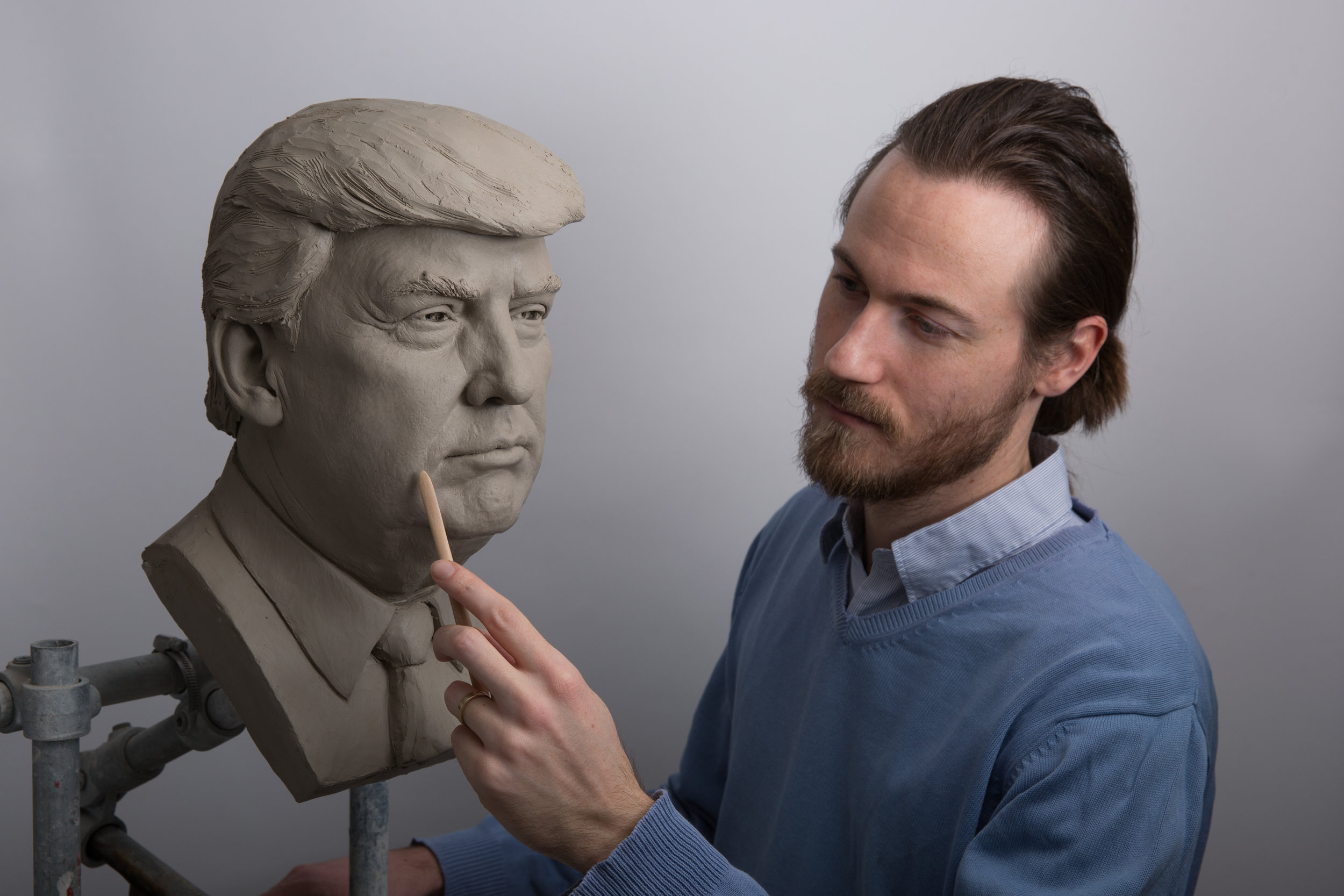
A famous wax sculpture represents the pinnacle of hyper-realism in three-dimensional art, ranging from Edgar Degas’ seminal "The Little Fourteen-Year-Old Dancer" to the global celebrity figures found in Madame Tussauds. These works are characterized by their lifelike texture, meticulous anatomical accuracy, and the complex preservation methods required to maintain their structural integrity over time.
The Evolution of Ceroplasty: From Ritual to Fine Art
The use of wax in sculpture, known as ceroplasty, dates back to antiquity. In ancient Greece and Rome, wax was used to create votive offerings and funerary masks. However, the medium's transition into the "famous" status we recognize today began during the Renaissance and Enlightenment. Unlike marble or bronze, wax allows for a translucent quality that closely mimics human skin.
In the 17th and 18th centuries, wax became a primary medium for anatomical models. Gaetano Giulio Zumbo, an Italian sculptor, created hauntingly detailed "theaters of death" that depicted the horrors of the plague. These were not merely medical tools but were considered high art due to their intricate composition. This period established the technical foundation for what would eventually become the world's most famous wax sculpture industry.
By the late 19th century, the medium had split into two distinct paths: the avant-garde fine art world and the populist "waxwork" museums. Both paths produced icons that remain central to the study of art history and cultural tourism in 2026.
The Little Fourteen-Year-Old Dancer: A Masterpiece of Realism
If one were to name the single most significant famous wax sculpture in the history of fine art, it would be Edgar Degas’ Petite Danseuse de Quatorze Ans (The Little Fourteen-Year-Old Dancer). Originally exhibited at the Sixth Impressionist Exhibition in 1881, the piece was revolutionary and scandalous.
Composition and Materials
Degas did not follow the traditional sculptural norms of his time. Instead of using classical marble, he chose yellow wax. He reinforced the structure with a metal armature and, most controversially, dressed the figure in "real" materials. The sculpture featured:
- A bodice made of real silk and lace.
- A tutu made of muslin and silk.
- A wig of real human hair tied with a satin ribbon.
- Slippers that were actual dance shoes coated in a thin layer of wax.
Historical Controversy
In 1881, critics were appalled. The hyper-realism of the wax, combined with the "low-class" features of the model, Marie van Goethem, led critics to compare the sculpture to a laboratory specimen or a "monkey." However, this visceral reaction solidified its fame. After Degas’ death in 1917, his heirs authorized the casting of 28 bronze copies, which are now found in museums like the Metropolitan Museum of Art and the Tate Modern. Yet, the original wax version remains the definitive example of 19th-century realism.
The Tussaud Legacy: Merging Fame with Craftsmanship
While Degas represented the high-art application of wax, Marie Tussaud (1761–1850) transformed the medium into a global phenomenon. Her work began in France under the tutelage of Dr. Philippe Curtius, where she learned to create lifelike portraits of the aristocracy and, eventually, death masks of revolutionary figures like Marat and Robespierre.
The Success of the London Exhibition
Moving to London in 1802, Marie Tussaud established a permanent exhibition that used wax sculptures to provide the public with a "face" for the news of the day. In an era before photography was widespread, her wax figures were the only way a common person could see what a King, a general, or a notorious criminal looked like.
Today, in 2026, the Madame Tussauds brand remains the largest employer of wax sculptors globally. The "fame" of these sculptures is no longer derived from their rarity, but from their uncanny accuracy. A modern wax figure at Tussauds takes approximately six months to complete and involves hundreds of measurements taken directly from the subject.
The Technical Process: How a Famous Wax Sculpture is Born
Creating a world-class wax sculpture in 2026 is a blend of traditional hand-sculpting and modern digital scanning. Whether it is for a museum or a private collection, the process follows a rigorous technical workflow.
1. The Sitting and Measurement
The process begins with a "sitting." Technicians take over 200 precise measurements and hundreds of 360-degree photographs. In some cases, a high-resolution 3D laser scan is used to capture the exact contours of the subject’s face and body. This data ensures that the final sculpture is anatomically perfect.
2. Clay Sculpting
Using the measurements, a lead sculptor builds a clay model over a metal armature. This stage is where the "soul" of the sculpture is captured. The sculptor must recreate every wrinkle, pore, and muscle tension by hand. This clay head is then used to create a plaster or silicone mold.
3. Wax Casting
The "wax" used in these sculptures is rarely 100% beeswax. Instead, it is a proprietary blend (often including microcrystalline wax) that can withstand higher temperatures and resist cracking. The wax is heated to roughly 74°C (165°F) and poured into the mold. Once cooled, the mold is removed, leaving a hollow wax shell about 1 to 2 centimeters thick.
4. Finishing and "Hair Insertion"
This is the most labor-intensive stage. Each strand of hair—usually ethically sourced human hair—is inserted individually using a specialized forked needle. This process alone can take six to eight weeks. Following the hair, the skin is painted using oil-based paints applied in dozens of translucent layers to mimic the depth of human flesh.
Comparing Wax to Other Sculptural Mediums
When evaluating the prestige and utility of a famous wax sculpture, it is helpful to compare it against more traditional materials like bronze or marble.
| Feature | Wax Sculpture | Bronze Sculpture | Marble Sculpture |
|---|---|---|---|
| Realism Level | Hyper-realistic (translucent) | Stylized/Metallic | Classical/Opaque |
| Durability | Low (sensitive to heat/light) | Extremely High | High (brittle) |
| Maintenance | Frequent cleaning/Restoration | Minimal (Patina care) | Occasional cleaning |
| Primary Use | Realism, Education, Cinema | Public Monuments, Fine Art | Classical Art, Architecture |
| Production Time | 4–6 Months | 6–12 Months | 1–3 Years |
| Internal Support | Metal Armature Required | Hollow or Solid | Self-Supporting |
Preservation: Protecting the Fragile Legacy
The primary drawback of a famous wax sculpture is its inherent fragility. Unlike bronze, which can last millennia outdoors, wax is highly susceptible to environmental factors. In 2026, museum standards for wax preservation are stricter than ever.
Climate Control
Wax begins to soften at temperatures as low as 35°C (95°F). To prevent sagging or "melting," sculptures must be kept in environments where the temperature is strictly maintained between 20°C and 22°C (68°F–72°F). Humidity is also controlled to prevent the organic components (like real hair or fabric clothing) from molding or becoming brittle.
Light Sensitivity
Photodegradation is a significant risk. The oil paints used to tint the wax can fade under UV light. Modern galleries use specialized LED lighting with zero UV output, often triggered by motion sensors so the sculptures are only illuminated when a viewer is present.
Physical Stability
Over decades, gravity can cause a wax sculpture to "slump" if the internal armature is not properly engineered. Restoration experts must periodically inspect the structural integrity of these pieces, particularly historical ones like the Degas original or the early Tussaud figures in the "Chamber of Horrors."
Modern Innovations in Wax Art (2026 Context)
As we look at the status of wax art in 2026, the technology has evolved to solve some of the medium's traditional limitations.
- Synthetic Skin Additives: Modern sculptures now use silicone-wax hybrids that offer the visual translucency of wax with the durability and flexibility of silicone. This makes the figures less prone to cracking.
- Thermal Regulation: Some high-end sculptures now feature internal "cooling armatures" that help the figure maintain a constant internal temperature, allowing them to be displayed in non-traditional environments.
- Digital Preservation: Most famous wax sculptures have been 3D-scanned into high-fidelity digital archives. If a historical piece were to melt or be damaged, a perfect physical replica could be reconstructed using CNC milling or 3D printing.
Frequently Asked Questions
What is the most expensive wax sculpture ever sold?
While most famous wax sculptures are held in museum trusts, the original "Little Fourteen-Year-Old Dancer" by Degas is considered priceless. However, high-quality replicas and secondary works by noted wax artists have fetched hundreds of thousands of dollars at auctions like Christie’s. The value is often tied more to the artist’s name and historical provenance than the material cost of the wax.
How long does a wax sculpture last?
With proper climate control, a wax sculpture can last for centuries. The oldest surviving wax figures in the Madame Tussauds collection date back to the late 1700s. Without climate control, however, a wax sculpture can suffer irreparable damage in a single afternoon if exposed to direct sunlight or high heat.
Can anyone commission a famous-quality wax sculpture?
Yes, private studios specializing in hyper-realism offer commissions for private collectors, museums, and film productions. In 2026, a custom, life-sized wax figure of professional quality typically starts at $45,000 and can exceed $150,000 depending on the complexity of the clothing and hair requirements.
Why are some wax figures kept behind glass while others are not?
This is usually a balance between conservation and visitor experience. Museums like Madame Tussauds allow interaction to drive engagement, accepting that the figures will need frequent "refreshing" and paint touch-ups. Fine art museums, like the National Gallery of Art, keep historical wax works behind glass to prevent the accumulation of oils from human touch and to maintain a micro-climate.
Do wax sculptures use real human eyes?
Most professional wax sculptures use medical-grade prosthetic eyes made of acrylic resin. These are hand-painted to match the iris patterns of the subject. They are more durable than glass and provide a more realistic "depth" when set into the wax eyelids.
Conclusion and Next Actions
The world of famous wax sculptures is a unique intersection of scientific precision and artistic vision. From the historical significance of the French Revolution's death masks to the contemporary allure of celebrity culture, these figures provide a tangible connection to the past and a hyper-realistic reflection of the present.
If you are interested in exploring this medium further, consider the following actions:
- Visit a Fine Art Museum: View the bronze casts of Degas’ dancer at the Metropolitan Museum of Art or the original wax version if it is on special rotation at the National Gallery of Art.
- Research Ceroplasty: Study the anatomical works of Clemente Susini for a deeper understanding of the technical history of wax modeling.
- Check Local Exhibition Guidelines: If visiting a wax museum in 2026, always check their current "Refreshment" schedule, as figures are often moved for maintenance or updated to reflect the subject's current appearance.