The Sphere Experience is a multi-sensory, two-part attraction that combines high-level robotics and AI interaction with a 50-minute immersive film, Postcard from Earth, directed by Darren Aronofsky. In 2026, it remains a flagship Las Vegas attraction, offering a technical spectacle that justifies its premium price through industry-leading 16K resolution, haptic seating, and beamforming audio technology.
Since its grand opening, the Sphere has redefined the concept of an entertainment venue. While many visitors associate the massive glowing orb on the Las Vegas skyline with high-profile residency concerts, the "Sphere Experience" is the primary way for the general public to access the interior of the building without the four-figure price tag of a front-row music ticket. This review examines the components of the experience, the technical specifications that drive it, and whether the investment of time and money holds up in the current 2026 entertainment landscape.
The Two-Part Structure of the Experience
The Sphere Experience is strictly divided into two distinct segments. When you purchase a ticket, you are assigned a "showtime," but it is vital to understand that the first hour is dedicated entirely to the Atrium. Many first-time visitors make the mistake of arriving late, thinking the film starts at the ticketed time, only to miss the interactive portion of the event.
The Atrium: A High-Tech Prelude
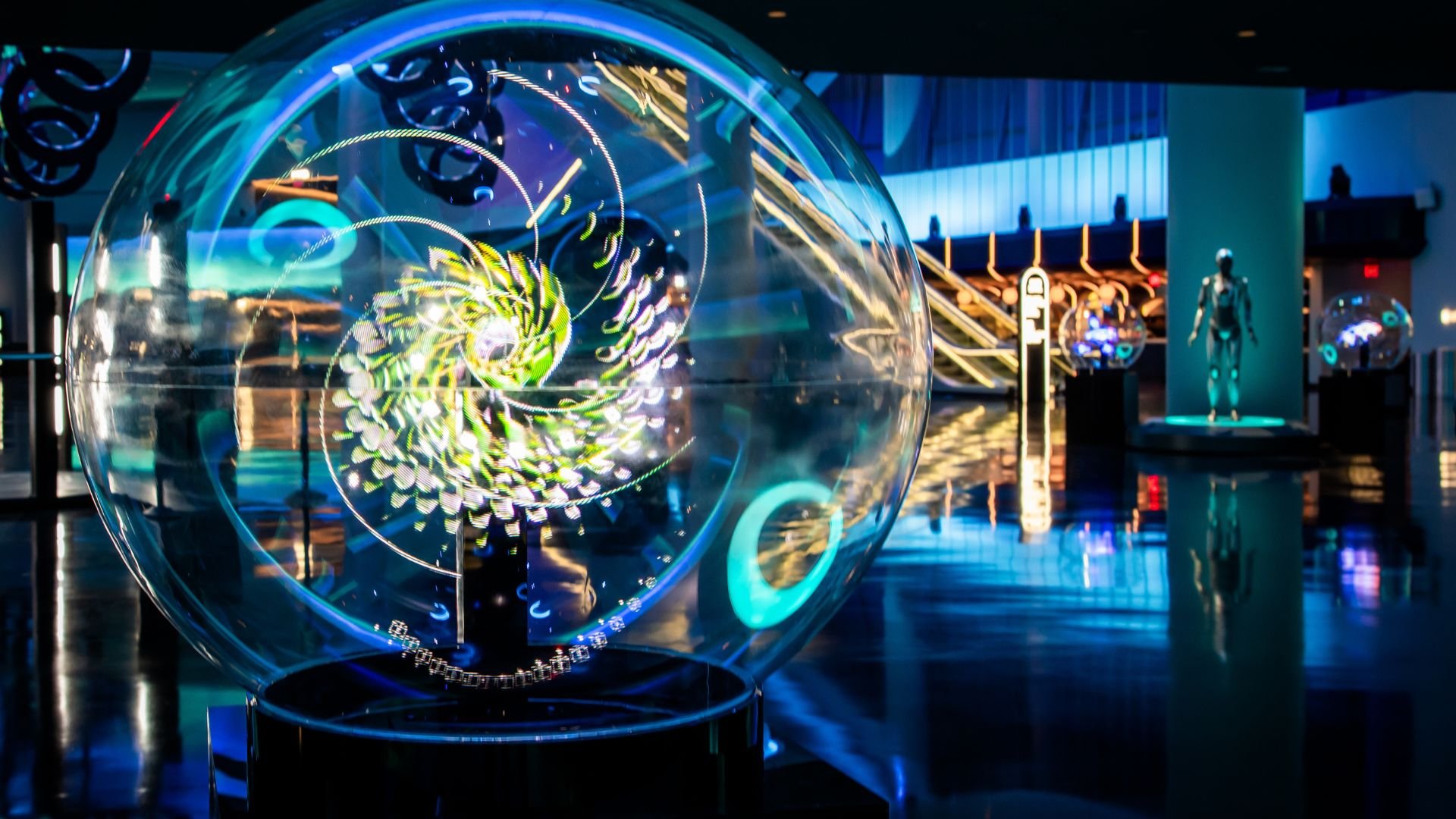
Upon entering the Sphere through the pedestrian bridge from the Venetian or the main street-level entrance, guests are funneled into a massive, multi-level Atrium. This space serves as more than just a lobby; it is a gallery of futuristic technology.
- Aura the Robot: There are five identical "Aura" robots stationed throughout the Atrium. These are highly advanced humanoid AI units capable of tracking individual faces and engaging in real-time conversation. In 2026, the software powering Aura has seen several iterations, making the interactions feel less scripted and more reactive than during the venue’s launch year.
- Beamforming Sound Displays: One of the most impressive technical demonstrations in the Atrium involves Holoplot’s beamforming technology. You can stand in a specific "hotspot" and hear a clear audio stream in one language, while a person standing just two feet away hears a completely different audio stream or language. The sound does not bleed, demonstrating how the Sphere controls acoustics with surgical precision.
- 360-Degree Avatar Captures: Guests can step into a "scanning" booth that uses high-speed cameras to create a digital avatar. While primarily a souvenir-driven feature, it showcases the same volumetric capture technology used in high-end cinematic production.
The Main Feature: "Postcard from Earth"
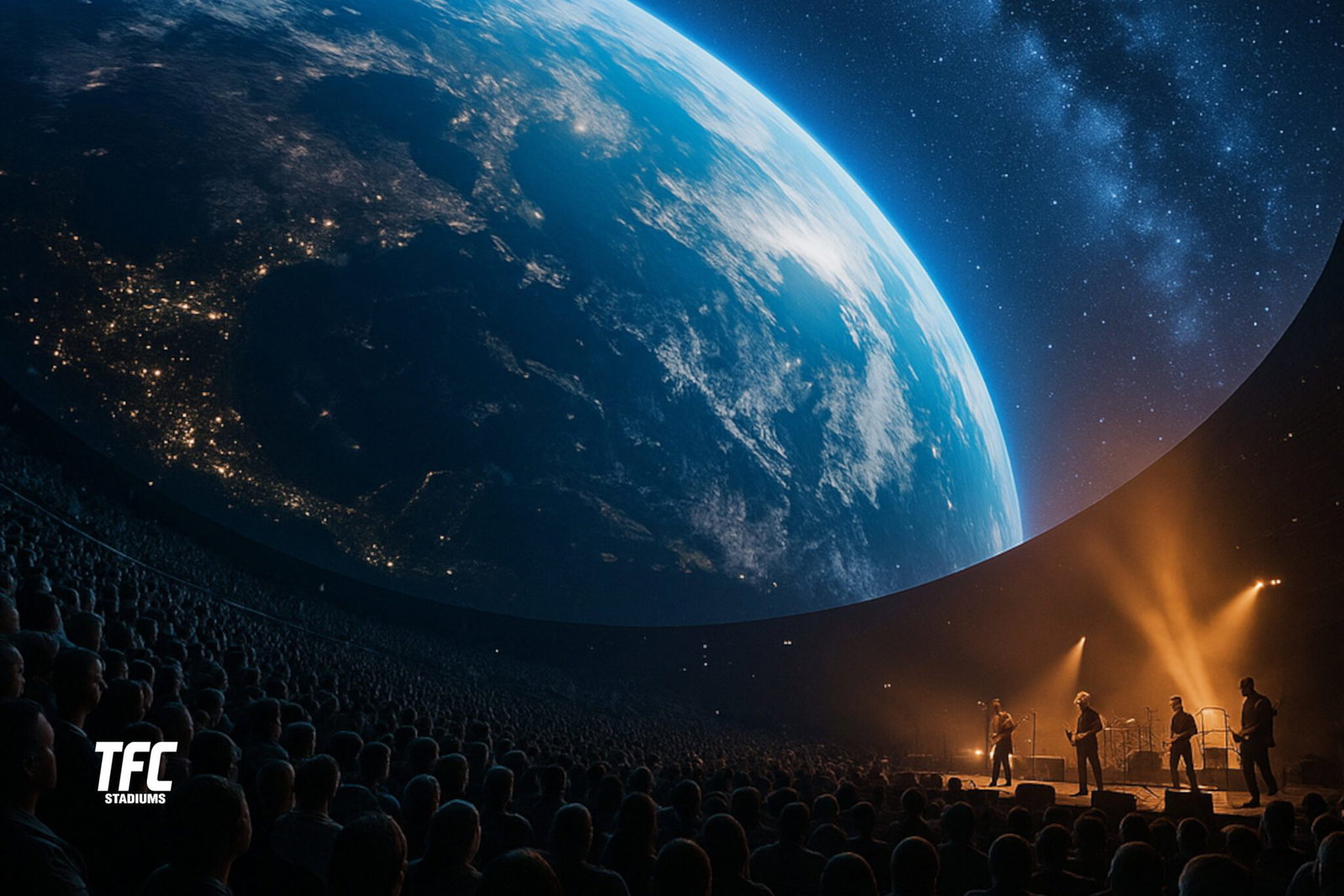
The second half of the experience takes place inside the main bowl. Guests transition from the Atrium to their seats to watch the 50-minute film Postcard from Earth. This is not a standard movie; it is a bespoke production filmed specifically for the Sphere’s 160,000-square-foot internal LED display.
The film serves as both a nature documentary and a science fiction narrative, utilizing the massive scale of the screen to create a sense of immersion that traditional IMAX cannot match. The resolution is so high (16K x 16K) that the human eye cannot distinguish individual pixels, even from the closest seats.
Technical Specifications and 4D Integration
The reason the Sphere Experience remains a "must-see" in 2026 is the sheer density of technology involved in the presentation. It is currently the only venue in the world where these specific systems work in unison at this scale.
Visual Mastery
The interior LED screen is the largest of its kind. It wraps over and behind the audience, filling the entire peripheral vision. The film was shot using the "Big Sky" camera system, a single-lens sensor capable of capturing 18K images at 120 frames per second. This eliminates the "stitching" issues seen in older 360-degree films. When the film displays a wide shot of a mountain range or a deep-sea canyon, the lack of distortion is a significant achievement in optical engineering.
Haptic and Atmospheric Effects
The experience is classified as "4D" because it engages senses beyond sight and sound:
- Infrasound Haptics: The seats are equipped with an infrasound haptic system. Unlike the simple "rumble" of a theater seat, these are programmed to vibrate at specific frequencies that match the on-screen action. If a rocket launches, the vibration mimics the low-frequency roar of engines; if it rains, you feel a subtle, sharp tapping.
- Atmospheric Controls: The Sphere can change its internal temperature almost instantly. During scenes of the Arctic, guests will feel a distinct chill, followed by a warm breeze when the scene shifts to a desert. The venue also uses a scent-dispensing system to pump in the smell of pine forests or orange groves, which is surprisingly effective at grounding the visual experience.
Seating Strategy: Where to Sit for the Best Experience
Unlike a traditional theater, the "best" seat in the Sphere is not necessarily the most expensive one. Because of the way the screen curves, your vantage point drastically changes the quality of the immersion.
| Seating Level | View Quality | Immersion Level | Best For |
|---|---|---|---|
| 100 Level | Good | High | Feeling "inside" the action; closest to the haptics. |
| 200 Level | Excellent | Optimal | The "sweet spot" for peripheral vision and screen height. |
| 300 Level | Excellent | Optimal | Best overall geometric view; minimal neck strain. |
| 400 Level | Good | Moderate | Budget-conscious; very steep incline; slightly detached. |
Pro Tip for 2026: Avoid the back rows of the 100 Level (Rows 25 and higher). The overhang from the 200 Level above can obstruct the top portion of the screen, which is a major drawback for a film designed to be seen vertically. The 200 and 300 levels provide the most unobstructed views of the entire dome.
Cost Analysis and Practical Logistics
In 2026, pricing for the Sphere Experience generally ranges from $100 to $240 per person, depending on the time of day and the seat location.
Is it Worth the Price?
To determine value, one must compare it to other Las Vegas staples. A high-end Cirque du Soleil show or a major concert often costs significantly more. However, those are live performances. The Sphere Experience is a digital one. If you are a fan of technology, cinematography, or environmental science, the cost is justified by the uniqueness of the hardware. If you are looking for a traditional narrative movie, you may find the $150 average ticket price steep for a 50-minute film.
Arrival and Duration
Total time spent is roughly two hours.
- Security and Entry: 15–20 minutes.
- Atrium Exploration: 45–60 minutes.
- The Film: 50 minutes.
The Sphere is located behind the Venetian Resort. While there is a dedicated pedestrian bridge, it is a long walk. If you are using ride-share services, be prepared for a 15-minute wait at the designated drop-off/pick-up zone, as traffic around the Sphere remains congested even years after its opening.
Environmental and Safety Considerations
The Sphere is an intense environment. There are several factors that guests should consider before booking:
- Vertigo and Motion Sickness: The sheer scale of the screen and the way the camera moves can trigger significant motion sickness. Because the screen fills your entire field of vision, your brain may believe you are moving while your body is stationary.
- Photosensitivity: The film and the Atrium displays involve bright, flashing lights and high-contrast visuals.
- Temperature: The venue is kept quite cool to protect the massive amount of computing hardware and LED panels. Even in the middle of a Las Vegas summer, a light jacket is recommended.
- Steepness: The seating rows, particularly in the 300 and 400 levels, are incredibly steep. If you have a fear of heights (acrophobia), the walk down to your seat can be intimidating.
Limitations and Common Complaints
While the Sphere is a technological marvel, it is not without its flaws. In 2026, the most common feedback from visitors centers on the "commercialized" nature of the Atrium. Despite the high ticket price, the Atrium often feels like a crowded tech convention. There are limited places to sit, and the food and beverage prices are among the highest in Las Vegas, with basic sodas and snacks often exceeding $15–$20.
Furthermore, some critics argue that Postcard from Earth has a somewhat heavy-handed environmental message that may not appeal to everyone. However, the visuals are so distracting that the narrative often takes a backseat to the sheer scale of the imagery.
Comparison: The Sphere Experience vs. Live Concerts
Many people ask if they should see a concert at the Sphere or do the "Experience."
- Concerts (Residencies): These are live, high-energy events where the screen is used as a backdrop for the artist. Tickets are significantly more expensive ($400+).
- The Experience: This is a curated demonstration of what the building can do. The "Experience" actually utilizes the 4D features (haptics, scent, wind) much more effectively than the concerts do, as the film is built specifically for those triggers.
If your goal is to see the technology at its absolute limit, the Sphere Experience is actually a better choice than a concert. If your goal is a night of high-energy music, the Experience will feel underwhelming.
Final Verdict and Recommendations
The Sphere Experience remains one of the most unique attractions in the world in 2026. It is a rare example of a "tourist trap" that actually delivers on its technical promises.
Recommended Action:
- Book in Advance: Tickets for the mid-afternoon slots are often cheaper than the evening slots.
- Target the 300 Level: Aim for the center sections (305, 306, or 307) for the most balanced visual experience.
- Arrive Early: Do not skip the Atrium; it contains half the value of your ticket.
- Prepare for the Walk: Wear comfortable shoes, as the Sphere is much larger than it appears from the outside.
The Sphere Experience is less about "watching a movie" and more about "experiencing a new medium." For anyone interested in the future of entertainment technology, it is an essential stop on any Las Vegas itinerary.
Frequently Asked Questions
How long does the Sphere Experience actually last? The entire session lasts approximately two hours. The first hour is spent in the Atrium interacting with robots and AI exhibits, and the second hour is the seated 50-minute film presentation.
Is "Postcard from Earth" the only movie playing? As of 2026, Postcard from Earth remains the primary feature for the Sphere Experience, though the venue occasionally rotates in shorter special features or seasonal content. Always check the official schedule before booking if you have already seen the flagship film.
Can children enjoy the Sphere Experience? Yes, children are typically mesmerized by the scale of the screen and the robots in the Atrium. However, be aware that the loud audio and haptic vibrations may be overwhelming for very young children or those with sensory sensitivities.
Is there a dress code for the Sphere? There is no formal dress code. Most guests dress in "Vegas casual" (jeans, sneakers, t-shirts). As mentioned, the interior is kept quite cool, so many visitors prefer to have a light sweater or jacket.
Are bags allowed inside the Sphere? The Sphere has a strict bag policy. Large bags and backpacks are generally not permitted. Small clutches or clear bags are recommended to speed up the security process. There are no lockers on-site for oversized items.
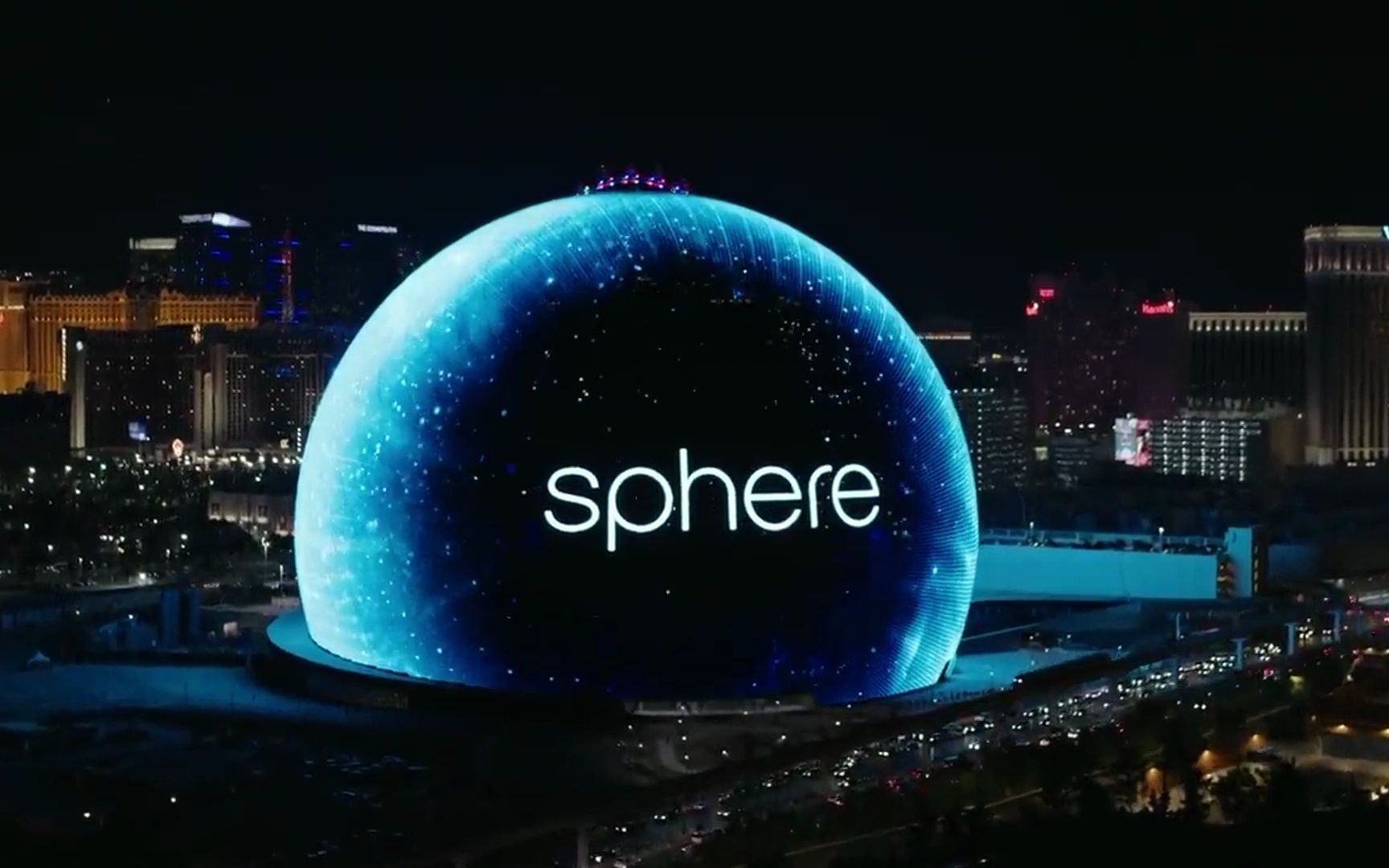
Does the Sphere Experience include the outside show? The "Exosphere" (the outside of the building) is visible to anyone in Las Vegas for free. Your ticket is specifically for the interior Atrium and the internal 16K theater bowl.