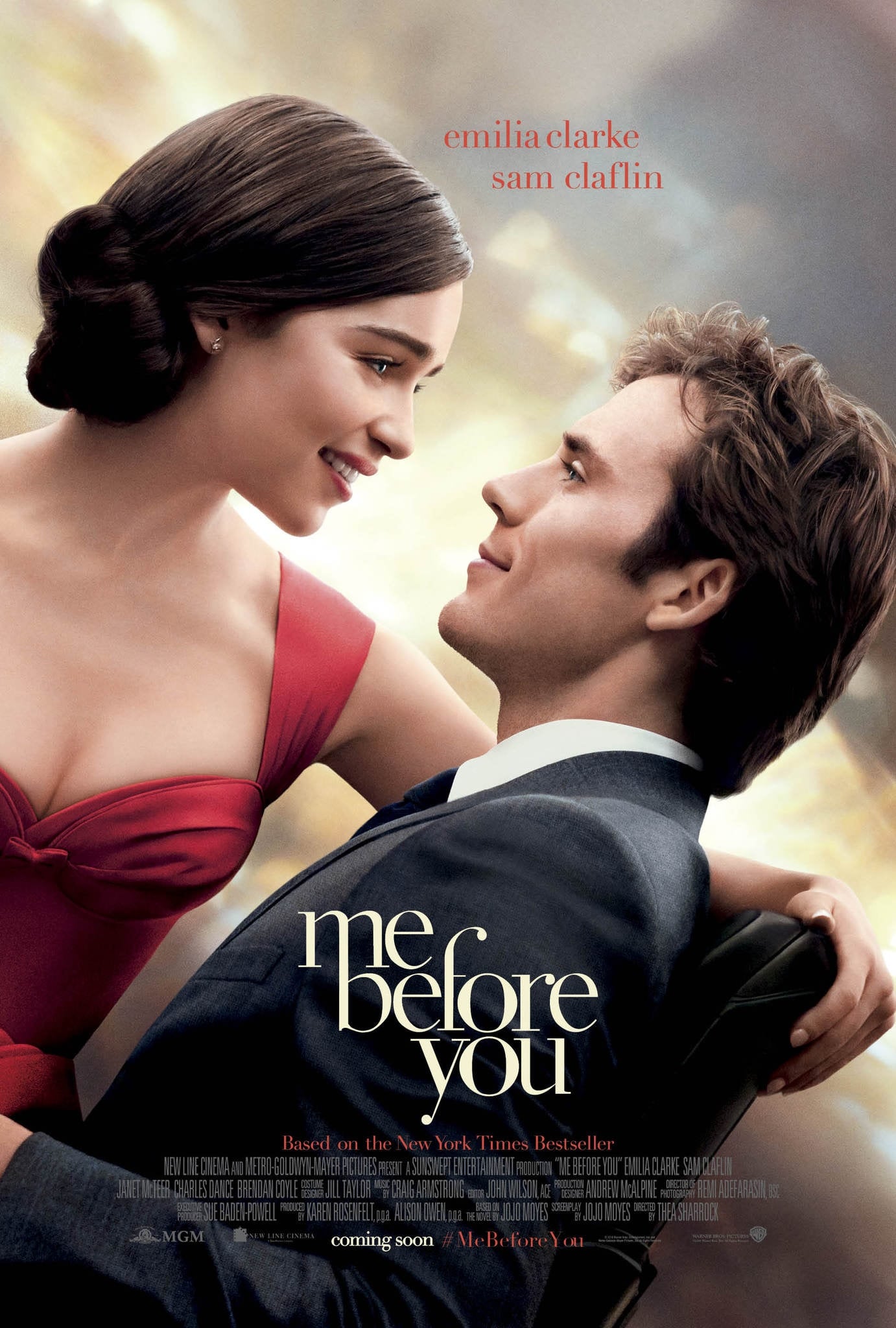
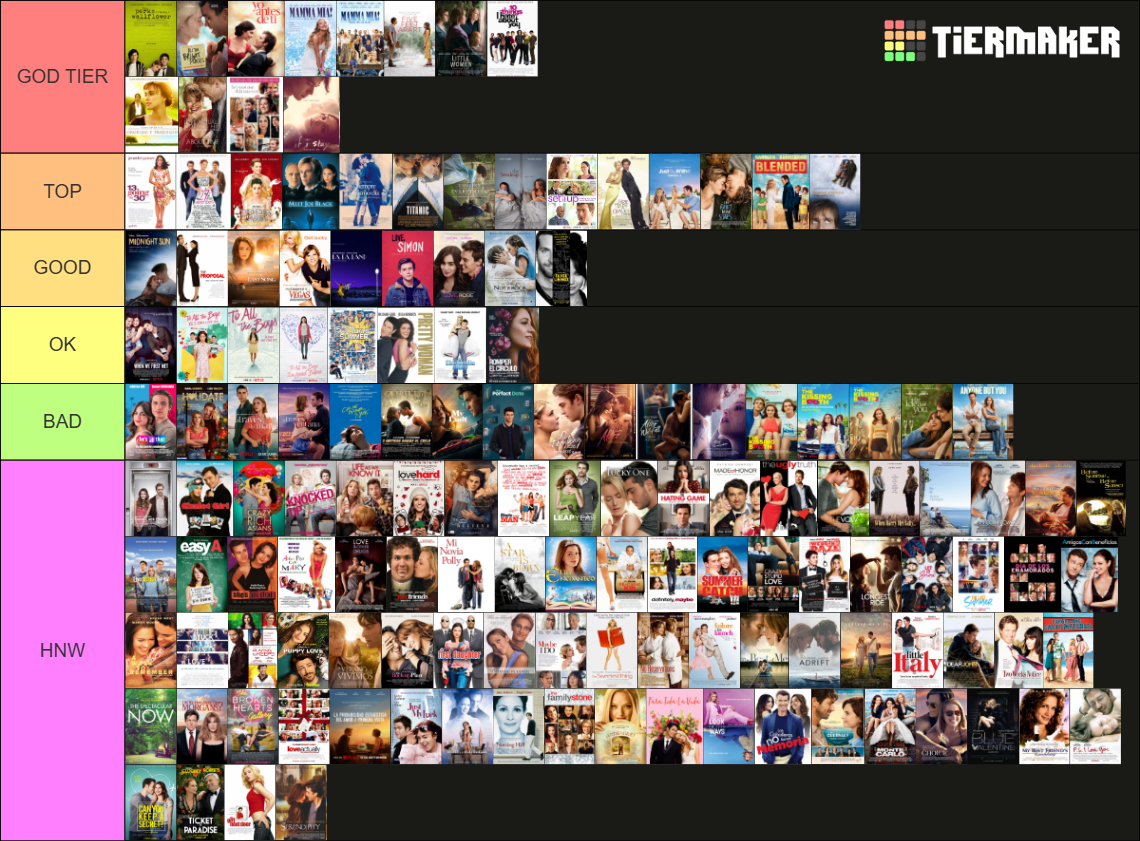
Finding the perfect romantic movie requires balancing emotional resonance, chemistry between leads, and narrative depth. This curated list spans from the Golden Age of cinema to the contemporary landscape of 2026, categorizing films by sub-genre to help viewers select titles that align with their specific moods and cinematic preferences.
The Evolution of Hollywood Romance
The history of romantic cinema in Hollywood is a reflection of changing social norms, technological advancements, and shifting definitions of love. In the early 20th century, romance was often depicted through the lens of the "Screwball Comedy," where fast-talking leads engaged in a battle of wits. As the industry moved into the mid-century, the "Grand Melodrama" took hold, emphasizing sacrifice and societal barriers.
By the 1990s and early 2000s, the "Romantic Comedy" (Rom-Com) became a dominant box-office force, characterized by the "meet-cute" and the inevitable third-act misunderstanding. In the current era of 2026, we see a fusion of these styles, with a significant lean toward realistic portrayals of relationships, diverse storytelling, and a resurgence of the high-concept romantic spectacle. Understanding these eras helps viewers appreciate the stylistic choices—from the soft-focus cinematography of the 1950s to the vibrant, digital clarity of modern releases.
The Golden Age: Foundational Romantic Classics
The "Golden Age" of Hollywood (roughly the 1930s through the 1950s) established the tropes that still define the genre. During this period, the Hays Code (censorship guidelines) forced filmmakers to rely on subtext, witty dialogue, and simmering chemistry rather than overt physical intimacy.
Casablanca (1942)
Widely considered one of the greatest films of all time, Casablanca is the quintessential wartime romance. Set during World War II, it follows Rick Blaine (Humphrey Bogart), a cynical nightclub owner, and Ilsa Lund (Ingrid Bergman), the woman who broke his heart. The film’s technical brilliance lies in its lighting—high-contrast noir shadows that mirror the internal conflict of the characters—and a screenplay that balances political intrigue with a heartbreaking choice between love and virtue.
Roman Holiday (1953)
This film launched Audrey Hepburn into superstardom. Playing a runaway princess who falls for an American reporter (Gregory Peck) in Rome, the movie utilizes its location as a third character. It is a masterclass in the "forbidden love" trope, executed with a lightness of touch that remains refreshing in 2026. The ending is particularly notable for its realism, eschewing a traditional "happily ever after" for a more poignant, lived-in conclusion.
It Happened One Night (1934)
As the first movie to win all five major Academy Awards, this film perfected the "enemies-to-lovers" dynamic. The chemistry between Clark Gable and Claudette Colbert relies heavily on rhythm; the dialogue is fast-paced, and the physical comedy (such as the famous hitchhiking scene) serves to break down the class barriers between the two protagonists.
The Rom-Com Renaissance: 1980s to early 2000s
This era is often called the "Silver Age" of romance, where stars like Julia Roberts, Meg Ryan, and Hugh Grant became synonymous with the genre. The focus shifted toward relatable (if slightly idealized) urban lives and the quest for "The One."
When Harry Met Sally... (1989)
Written by Nora Ephron, this film poses the central question: "Can men and women ever just be friends?" It is celebrated for its structural innovation, using documentary-style interviews with elderly couples to ground the fictional narrative of Harry and Sally. The film’s focus on the passage of time—tracking the characters over 12 years—adds a layer of depth that many of its contemporaries lacked.
Notting Hill (1999)
Representing the peak of the British-American romantic crossover, Notting Hill explores the "famous person falling for an ordinary person" fantasy. The screenplay by Richard Curtis is a technical study in charm, using a strong ensemble of supporting characters to provide comedic relief while the central romance maintains its emotional stakes.
10 Things I Hate About You (1999)
A modernized retelling of Shakespeare's The Taming of the Shrew, this film is a standout in the "Teen Romance" sub-genre. It avoided many of the era's clichés by giving its female lead, Kat Stratford, a distinct intellectual identity and a genuine arc of vulnerability.
Modern Masterpieces and New Directions (2010–2026)
In recent years, Hollywood has moved away from the formulaic "cookie-cutter" rom-com toward more diverse and tonally complex stories. Filmmakers are now more likely to blend romance with other genres like sci-fi, musical, or historical drama.
La La Land (2016)
This film revitalized the Hollywood musical by grounding it in a modern, bittersweet reality. It follows an aspiring actress and a jazz musician as they navigate their careers in Los Angeles. Technically, the film is a marvel of long takes and primary-color palettes, using its visual language to express emotions that the characters cannot put into words.
Past Lives (2023)
A quiet, contemplative film that explores the concept of "In-Yun"—a Korean notion of fate regarding human relationships. It follows two childhood friends who reconnect as adults. The film is a significant entry in the curated list because it prioritizes silence and "the space between words," a departure from the dialogue-heavy classics of the past.
Anyone But You (2023)
A surprise box-office phenomenon that signaled the return of the theatrical R-rated romantic comedy. Based loosely on Much Ado About Nothing, it proved that audiences in the mid-2020s still crave high-chemistry, star-driven spectacles with exotic locations and classic comedic misunderstandings.
Comparison of Key Romantic Sub-Genres
Choosing a movie often depends on the specific emotional "flavor" a viewer is looking for. The following table compares various titles based on their narrative tone and primary appeal.
| Movie Title | Sub-Genre | Primary Theme | Best For |
|---|---|---|---|
| Casablanca | Wartime Drama | Sacrifice vs. Love | Fans of epic, historical stakes |
| When Harry Met Sally | Classic Rom-Com | Long-term friendship | A cozy, intellectual night in |
| The Notebook | Period Melodrama | Eternal devotion | Those looking for a "good cry" |
| About Time | Sci-Fi Romance | Appreciating the present | Fans of heartfelt, family-centric stories |
| Eternal Sunshine... | Indie/Sci-Fi | Memory and heartbreak | Viewers who want something "different" |
| A Star Is Born | Musical Drama | Fame and addiction | Fans of powerful vocal performances |
| Past Lives | Contemporary Indie | Fate and "what if?" | Quiet, reflective viewing |
| Pride & Prejudice | Regency Romance | Class and reputation | Lovers of literature and period detail |
Technical Elements of a Great Romantic Film
What separates a mediocre romantic movie from a "curated" classic? Several technical and narrative elements must align to create a lasting impact.
Chemistry and Casting
Chemistry is often described as intangible, but it is frequently a result of casting "opposites" or actors with complementary rhythmic styles. In Roman Holiday, the contrast between Peck’s stoicism and Hepburn’s gamine energy creates a natural spark. In modern 2026 cinema, casting directors also look for "screen presence parity," ensuring neither lead overshadows the other.
The Power of the Score
Music is the emotional heartbeat of romance. Whether it is the sweeping orchestral themes of the 1940s or the curated "indie-pop" soundtracks of the 2010s, the score guides the audience's emotional response. In La La Land, the recurring "City of Stars" melody acts as a narrative anchor, evolving as the relationship changes.
Cinematography and Lighting
Romance often utilizes "high-key" lighting to create a bright, inviting atmosphere (common in rom-coms) or "low-key" moody lighting to emphasize intimacy and secrecy. Shallow depth of field—where the background is blurred while the leads are in sharp focus—is a classic technique used to isolate the lovers from the rest of the world, making their connection feel like the only thing that matters.
Common Tropes and How They Evolved
To truly appreciate a curated list, one must understand the "building blocks" of the genre.
- The Meet-Cute: The first encounter between the leads. In the 1930s, this was often a literal collision. In 2026, it might involve a digital mishap or a social media interaction.
- The Grand Gesture: A climactic moment where one character proves their love. While older films favored airport chases or boomboxes in the rain, modern films often subvert this, showing that "small gestures" are more sustainable.
- The Third-Act Breakup: Traditionally caused by a misunderstanding, modern scripts now often attribute this to genuine character growth or conflicting career goals, making the eventual resolution feel more earned.
Frequently Asked Questions
What is the best romantic movie for a first date?
For a first date, it is generally recommended to choose a movie with a "Romantic Comedy" lean rather than a heavy drama. When Harry Met Sally... or Notting Hill are excellent choices because they provide plenty of humor to break the ice while still being undeniably romantic. These films avoid overly tragic themes that might dampen the mood.
Why are older romantic movies often filmed in black and white?
While black and white was a technical necessity before the mid-1930s (and common until the 1960s), it also served an artistic purpose. Black and white cinematography excels at capturing textures and shadows, which filmmakers used to create a sense of timelessness and "dream-like" intimacy that color film sometimes struggles to replicate.
Is there a difference between a "Romance" and a "Rom-Com"?
Yes. A "Romance" (such as The Notebook or Atonement) is primarily a drama where the central conflict is the emotional journey of the couple, often involving serious stakes or tragedy. A "Rom-Com" (Romantic Comedy, like The Proposal) prioritizes humor and lighthearted situations, usually guaranteeing a happy ending.
Where can I find these movies in 2026?
Most curated classics are available through major streaming services like Max (formerly HBO), Netflix, and Disney+. However, for the best technical quality—specifically for Golden Age films that have been meticulously restored—look for 4K Ultra HD releases from boutique distributors like The Criterion Collection or dedicated film archives.
Are there any "hidden gems" in the romance genre?
If you have seen the major hits, look for About Time (2013). While it features a time-travel element, it is one of the most grounded and moving explorations of love, family, and the beauty of an ordinary life. Another hidden gem is Before Sunrise (1995), which consists almost entirely of two people walking and talking in Vienna.
Final Recommendations for Your Watchlist
If you are just beginning your journey into Hollywood romance, start with the "Big Three": Casablanca for drama, When Harry Met Sally... for wit, and La La Land for visual splendor. These films represent the pinnacle of their respective eras and provide a comprehensive look at how Hollywood handles the complexities of the human heart.
For a more modern 2026 experience, seek out films that challenge traditional structures. The resurgence of the theatrical rom-com and the rise of "A24-style" intimate dramas mean there is more variety now than ever before. Regardless of the era, the best romantic movies are those that make us feel a little less alone and a little more hopeful about the possibility of connection.