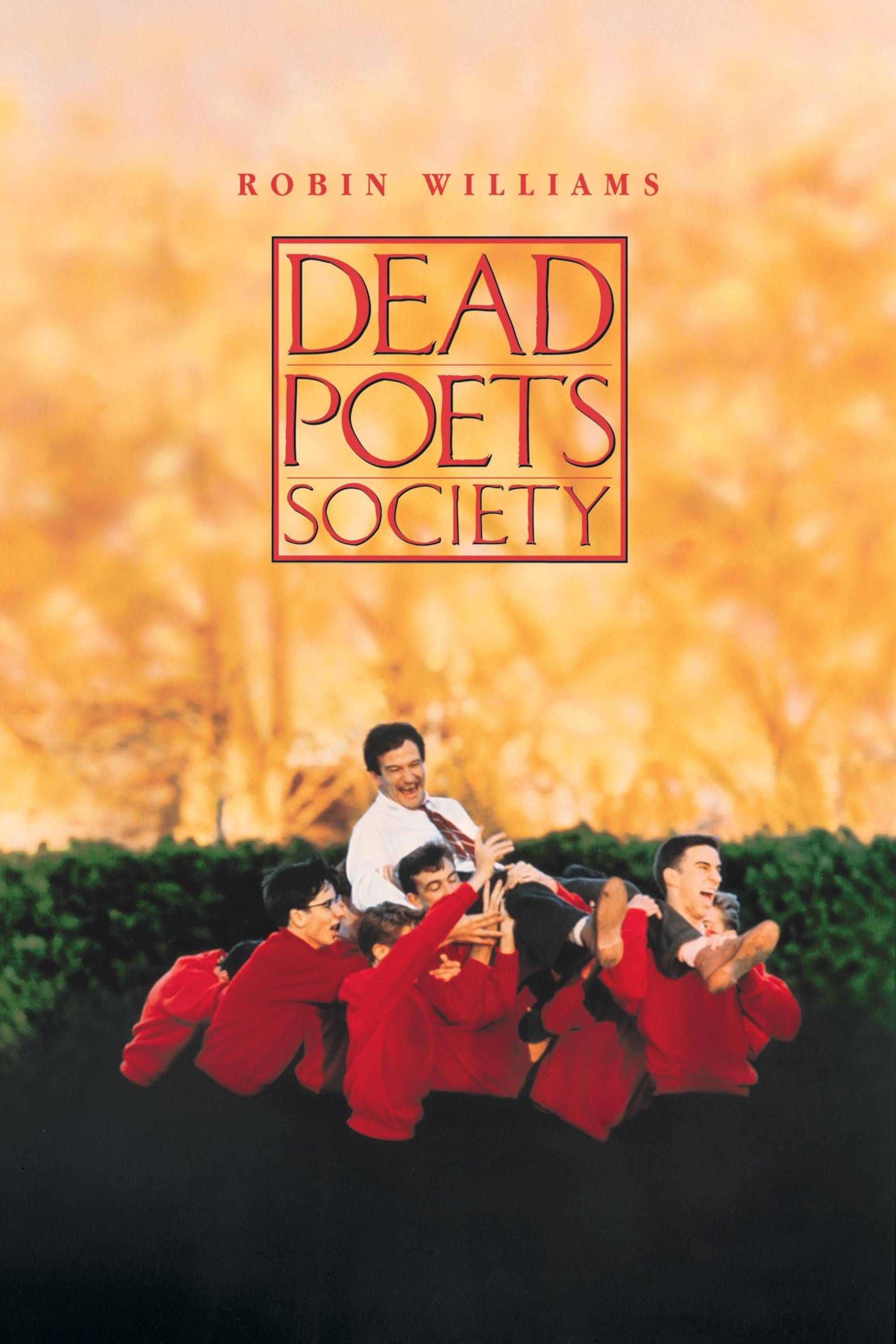
The Dead Poets Society is a profound narrative set in 1959 at the conservative Welton Academy, where unorthodox English teacher John Keating inspires his students to "seize the day" (Carpe Diem) through the power of poetry. His influence leads to the revival of a secret society, ultimately resulting in personal liberation for some and tragic consequences for others.
The Setting: Welton Academy and the Four Pillars
To understand the synopsis of Dead Poets Society, one must first grasp the rigid environment of Welton Academy. Set in the autumn of 1959 in Vermont, Welton is a prestigious, all-boys preparatory school defined by its "Four Pillars": Tradition, Honor, Discipline, and Excellence. For the students, these pillars represent a pre-ordained path toward careers in medicine, law, and engineering, dictated largely by their affluent but overbearing parents.
The atmosphere of the school is one of stifling conformity. The students are expected to absorb facts, follow rules without question, and suppress any individualistic or creative impulses that might distract from their academic success. This backdrop is essential because it provides the resistance against which the characters eventually rebel. The arrival of a new English teacher, John Keating—himself a Welton alumnus—serves as the catalyst for the story's central conflict: the tension between societal expectations and the inner human spirit.
The Catalyst: John Keating’s Unorthodox Pedagogy
The narrative shifts immediately upon the arrival of John Keating. Unlike the other faculty members who rely on rote memorization and strict adherence to textbooks, Keating introduces a Romanticist perspective on literature. In one of the most famous scenes in cinematic and literary history, he instructs his students to tear out the introduction of their poetry textbook, which attempts to quantify the "greatness" of a poem using a mathematical grid.
Keating’s philosophy is rooted in the concept of Carpe Diem—seize the day. He urges his students to make their lives extraordinary and to think for themselves rather than being "passive receptors" of information. He teaches them that poetry, beauty, romance, and love are what we stay alive for. This pedagogical shift is not merely about literature; it is a call to existential awareness. He encourages them to look at the world from different perspectives, famously standing on his desk to demonstrate that the world looks different from a higher vantage point.
The Revival of the Dead Poets Society
Inspired by Keating’s passion, a group of students—led by Neil Perry and the shy, introverted Todd Anderson—discovers Keating’s old yearbook. They learn that he was a member of the "Dead Poets Society," a secret group dedicated to "sucking the marrow out of life." Despite the school’s strict prohibition against unsanctioned clubs, the boys decide to revive the society.
The members include:
- Neil Perry: A charismatic, high-achieving student who feels trapped by his father’s rigid career plans.
- Todd Anderson: A transfer student living in the shadow of his successful older brother, struggling with extreme social anxiety.
- Knox Overstreet: A romantic who falls for a girl named Chris, who is dating a local football star.
- Charlie Dalton: A rebellious and bold student who takes Keating's lessons to a provocative extreme.
- Richard Cameron: A conformist who values his academic standing above all else.
- Steven Meeks and Gerard Pitts: The more academically inclined but loyal members of the group.
The society meets in a secluded cave off-campus, where they read poetry by authors like Henry David Thoreau, Walt Whitman, and Robert Frost. These meetings serve as a sanctuary where the boys can express their true feelings, away from the watchful eyes of the Welton administration.
Character Arcs and Personal Transformations
The heart of the Dead Poets Society synopsis lies in the individual transformations of the students as they attempt to apply Keating’s "Carpe Diem" philosophy to their own lives.
Neil Perry’s Pursuit of Passion
Neil is the emotional anchor of the story. For years, he has succumbed to the demands of his father, Mr. Perry, who has mapped out Neil’s entire future, starting with medical school. Inspired by Keating, Neil discovers a latent passion for acting. He wins the lead role of Puck in a local production of Shakespeare’s A Midsummer Night's Dream. However, he does so without his father’s permission, forging a letter of consent. This decision sets the stage for the film’s tragic climax, as Neil struggles to reconcile his own desires with his filial duty.
Todd Anderson’s Search for a Voice
Todd’s journey is one of the most poignant aspects of the narrative. At the beginning of the story, he is unable to speak in class and is paralyzed by the fear of being judged. Keating recognizes Todd’s untapped potential and pushes him to find his "barbaric yawp." In a pivotal classroom scene, Keating forces Todd to compose a poem on the spot, helping him realize that he possesses a unique and powerful perspective. Todd’s evolution from a silent observer to a person of conviction is the moral backbone of the story.
Knox Overstreet and Charlie Dalton
Knox uses the "Carpe Diem" mantra to pursue Chris Noel, a girl from a neighboring school. His arc represents the romantic and idealistic side of Keating’s teachings. Meanwhile, Charlie Dalton (who renames himself "Nuwanda") represents the more radical, rebellious interpretation of the philosophy. Charlie publishes an unauthorized article in the school newspaper demanding that girls be admitted to Welton, a move that draws the ire of the administration and puts the Dead Poets Society at risk of exposure.
The Conflict Escalates: Tradition vs. Individualism
As the boys become more emboldened, the Welton administration, led by Headmaster Nolan, begins to take notice. Nolan is a staunch defender of the Four Pillars and views Keating’s methods as dangerous. He believes that the purpose of a Welton education is to prepare students for the rigors of the professional world, not to encourage "original thought" at the age of seventeen.
The tension reaches a breaking point when Mr. Perry discovers Neil’s involvement in the play. Despite Neil’s brilliant performance, his father is incensed by his disobedience. He removes Neil from Welton and announces plans to enroll him in a military academy, followed by ten years of medical training. For Neil, the realization that he will never be allowed to live his own life is unbearable.
The Tragic Climax: Neil Perry’s Death
In the most devastating turn of the story, Neil Perry commits suicide using his father’s pistol. This event serves as a grim commentary on the consequences of stifling a young person’s spirit and the weight of impossible expectations. Neil’s death shatters the group and provides Headmaster Nolan with the leverage he needs to destroy Keating’s career.
The school launches an investigation into Neil’s death, looking for a scapegoat. Under pressure from both the school and their parents, most of the students—led by the self-serving Richard Cameron—sign a statement blaming John Keating. They claim that Keating’s "subversive" teachings encouraged Neil’s rebellion and led to his mental breakdown. Charlie Dalton is expelled for refusing to sign, but the others, including a reluctant and heartbroken Todd, are forced to comply to avoid expulsion.
The Aftermath and the Final Stand
John Keating is fired and forbidden from teaching at Welton again. Headmaster Nolan takes over the English class, returning the curriculum to the "Pritchard" method of measuring poetry that Keating had taught the boys to reject.
The story concludes with a final, iconic scene of defiance. As Keating enters the classroom to collect his personal belongings, Todd Anderson stands up on his desk and calls out, "O Captain! My Captain!"—the Whitman poem Keating had taught them. Despite Nolan’s threats of expulsion, one by one, the other members of the Dead Poets Society (and several other students) stand on their desks to pay tribute to the man who changed their lives. This act of "quiet rebellion" signifies that while Keating may be leaving, the seeds of individuality and critical thinking he planted will continue to grow.
Summary Table: Key Character Dynamics
| Character | Primary Conflict | Outcome/Resolution | Thematic Significance |
|---|---|---|---|
| John Keating | Educational Orthodoxy vs. Inspiration | Fired/Scapegoated | The role of the mentor in fostering free thought. |
| Neil Perry | Filial Duty vs. Self-Actualization | Suicide | The tragic cost of suppressed identity. |
| Todd Anderson | Social Anxiety vs. Finding a Voice | Finds his courage; leads the final tribute | The power of poetry to unlock the human spirit. |
| Knox Overstreet | Romantic Rejection vs. Carpe Diem | Successfully woos Chris | The application of passion in personal life. |
| Charlie Dalton | Conformity vs. Radical Rebellion | Expelled | The dangers of taking individualism to an extreme. |
| Richard Cameron | Integrity vs. Self-Preservation | Betrays the group to stay in school | The reality of moral compromise in a rigid system. |
Historical and Literary Context
Written by Tom Schulman and released as a film in 1989, Dead Poets Society became a cultural touchstone. A novelization by N.H. Kleinbaum was released shortly after, providing readers with a closer look at the internal monologues of the characters. By 2026, the story remains a staple in literature and film studies because it addresses universal themes of adolescence, authority, and the existential search for meaning.
The literary references within the story are carefully selected to reinforce its themes. Walt Whitman’s "O Captain! My Captain!" is used to represent the relationship between the leader (Keating) and his followers (the students). Robert Frost’s "The Road Not Taken" is cited to illustrate the importance of choosing one’s own path. Thoreau’s Walden provides the foundational philosophy for the cave meetings: "I wanted to live deep and suck out all the marrow of life."
The Enduring Legacy of "Carpe Diem"
The phrase Carpe Diem has become synonymous with the film, but the narrative offers a nuanced view of the concept. It does not suggest reckless abandonment of responsibility; rather, it encourages an intentionality of living. Keating’s tragedy is not that he taught the boys to seize the day, but that he did so in an environment that was fundamentally hostile to such a philosophy.
In 2026, educators and readers continue to debate Keating's methods. Some argue he was irresponsible for not preparing the boys for the harsh realities of their environment, while others see him as a necessary disruptor of a soul-crushing system. Regardless of the stance, the story remains a powerful reminder of the impact a single teacher can have on the trajectory of a young life.
Frequently Asked Questions
What does "Carpe Diem" mean in the context of the story?
Carpe Diem is a Latin phrase meaning "seize the day." In the context of Dead Poets Society, John Keating uses it to encourage his students to think for themselves, pursue their passions, and recognize the brevity of life. He wants them to make their lives "extraordinary" by not simply following the paths laid out for them by others.
Why did Neil Perry commit suicide?
Neil’s suicide was the result of a profound sense of hopelessness. He felt trapped between his intense passion for acting and his father’s refusal to allow him any agency over his own future. The realization that he would be forced into a life he hated (military school and a medical career) led him to believe that death was the only way to escape his father’s control.
Who is the antagonist in Dead Poets Society?
While Headmaster Nolan is the institutional antagonist, Mr. Perry (Neil’s father) is the personal antagonist. Both represent the "Four Pillars" of Welton: Tradition, Honor, Discipline, and Excellence. They prioritize external success and social standing over individual happiness and creative expression.
What is the significance of the "O Captain! My Captain!" ending?
The ending is a moment of redemption and solidarity. By standing on their desks, the students are using a gesture Keating taught them to show that they have truly understood his lessons. They are choosing to honor their teacher even at the risk of their own academic futures, proving that Keating’s influence was successful despite his firing.
Was John Keating responsible for Neil's death?
Legally and practically, no. However, the school used him as a scapegoat to avoid looking at the systemic issues within their own rigid structure and the toxic expectations placed on students by their parents. Keating provided the "spark," but the "fuel" was the oppressive environment created by the school and Neil's father.
Final Recommendation for Readers
If you are reading Dead Poets Society for the first time or revisiting it in 2026, focus on the contrast between the boys' internal lives and their external obligations. The story is more than a simple "teacher-student" drama; it is a profound examination of the human condition. For a deeper understanding, compare the film’s visual storytelling—directed by Peter Weir—with N.H. Kleinbaum’s novelization, which offers additional context regarding the students' thoughts and the school’s history. Whether you are a student, an educator, or a general reader, the central message remains timeless: words and ideas can change the world.