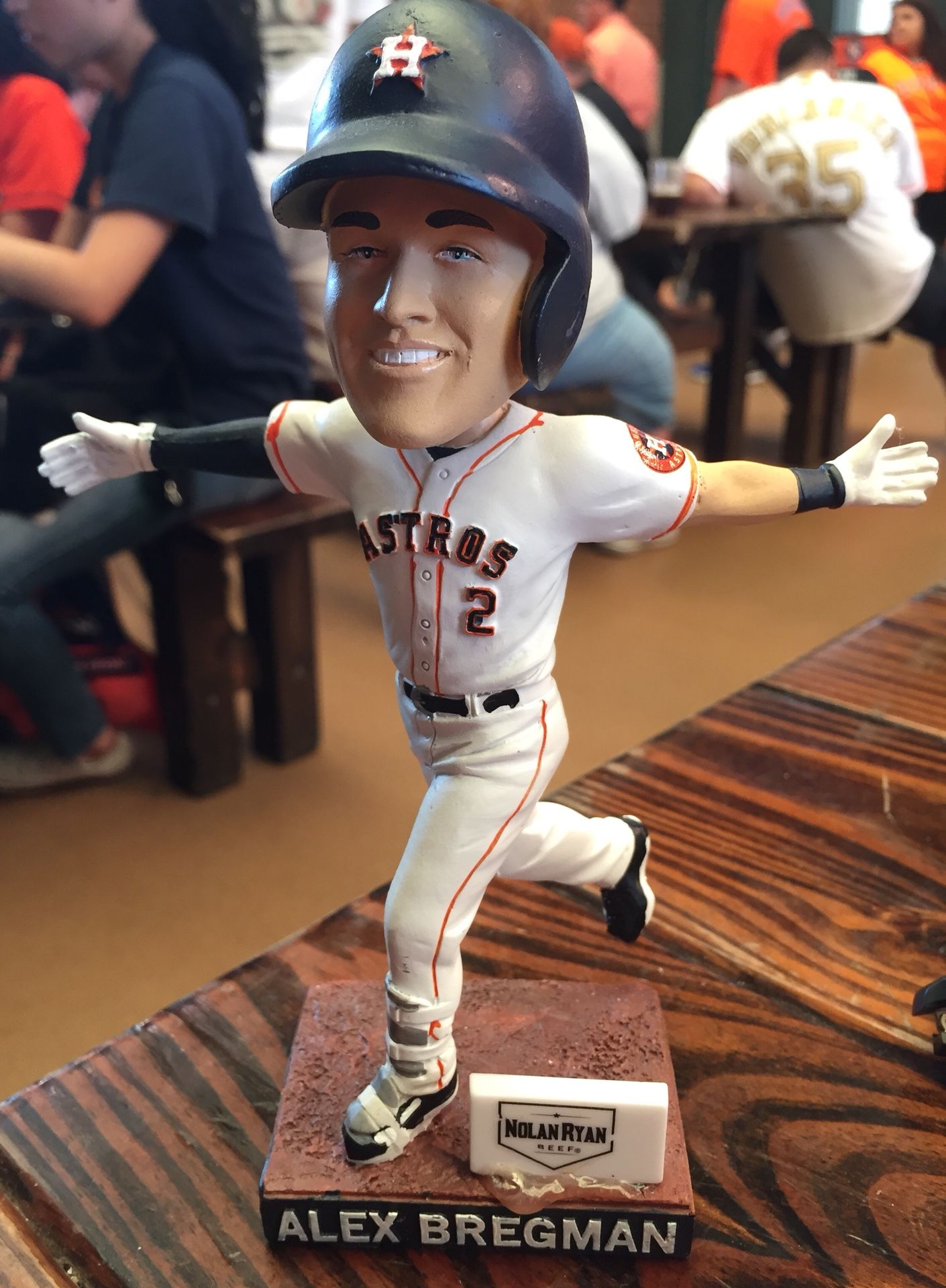
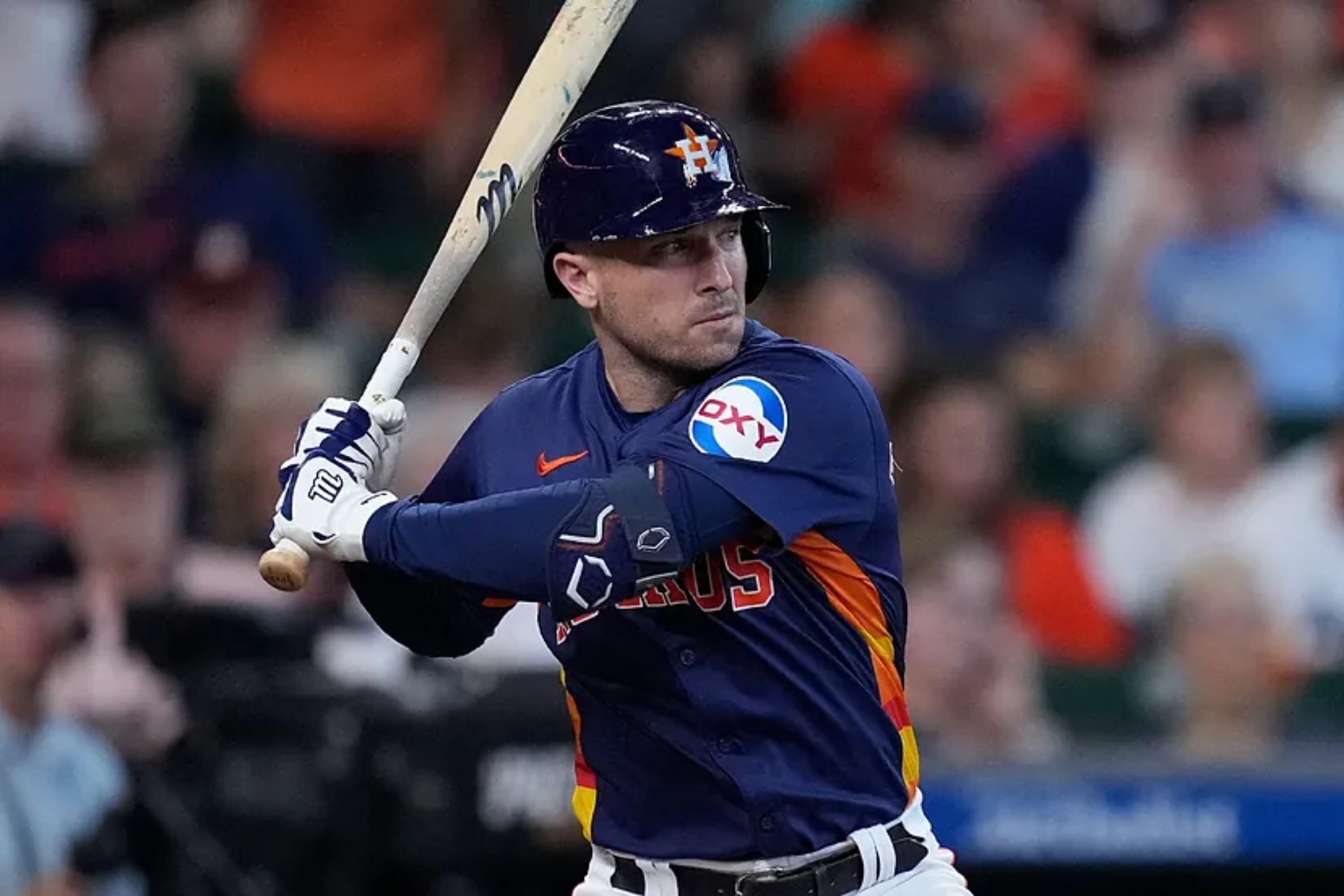
In the 2024-2025 offseason, the Houston Astros made a strategic effort to retain franchise cornerstone Alex Bregman through a combination of a formal qualifying offer and subsequent multi-year negotiations. While the initial qualifying offer was a standard one-year, $21.05 million deal, the primary focus remained on a long-term extension. These negotiations, led by General Manager Dana Brown and agent Scott Boras, centered on balancing Bregman’s elite defensive value and post-season pedigree against the Astros' internal payroll constraints and the high market price for premier third basemen.
The Context of the 2024-2025 Free Agency
As we look back from 2026, the free agency of Alex Bregman stands as one of the most pivotal moments in the modern era of Houston Astros baseball. Entering the 2024-2025 offseason, the Astros faced a precarious situation. Bregman, a two-time World Series champion and the vocal leader of the clubhouse, had reached the end of the five-year, $100 million extension he signed back in 2019.
The environment surrounding the offer was complex. The Astros had recently transitioned their front office leadership to Dana Brown, who expressed a clear desire to keep core homegrown talent in Houston. However, the organization also had to navigate the looming free agency of other stars and a rising payroll that frequently flirted with the Competitive Balance Tax (CBT) thresholds. Bregman was 30 years old at the time he hit the open market, placing him in a prime position to seek a deal that would carry him through the remainder of his peak years.
The "offer" to Bregman was never just a single number; it was a evolving narrative of valuation. For the Astros, Bregman represented more than just a .260 average or 25 home runs; he represented the competitive culture of the "Golden Era" of Houston baseball. For Bregman and his representative, Scott Boras, the goal was to achieve a contract reflective of the elite "hot corner" market established by players like Manny Machado and Rafael Devers.
The Qualifying Offer: The Initial Chess Move
The first formal component of the Astros' offer to Bregman was the Qualifying Offer (QO). In November 2024, the Astros officially extended the one-year QO worth $21.05 million. This is a standard procedure for high-value free agents, ensuring that if the player signs elsewhere, the original team receives draft pick compensation.
Bregman, as expected, declined the qualifying offer. Declining the QO did not indicate a desire to leave Houston; rather, it was a necessary step to pursue a long-term contract. By declining, Bregman signaled that his market value far exceeded a single-year salary, even one as high as $21 million. For the Astros, extending the QO was a "no-brainer" move that protected their interests while they continued to work on a more substantial, multi-year proposal.
The Long-Term Offer Framework
The real substance of the negotiations lay in the multi-year proposals discussed throughout late 2024 and early 2025. According to various reports from that period, the Houston Astros’ offer to Alex Bregman was structured to provide long-term security while maintaining the team's flexibility in the late 2020s.
Duration and Total Value
The Astros historically have been hesitant to offer contracts exceeding six years, a policy often attributed to owner Jim Crane's preference for shorter, high-AAV (Average Annual Value) deals. However, for Bregman, there were indications that the team was willing to push toward a six or seven-year horizon.
Initial reports suggested the Astros were looking at a range of $150 million to $185 million. This was seen as a competitive offer, though it fell short of the $200 million+ benchmarks set by some of Bregman's peers. The offer aimed to keep Bregman in a Houston uniform until his age-37 season, effectively making him an "Astros for life" candidate alongside Jose Altuve.
Structure and Incentives
Unlike some of the backloaded contracts seen in other markets, the Astros' offers typically feature a more balanced distribution of salary. The team emphasized Bregman's leadership and his role in mentoring younger players like Jeremy Peña and the emerging talent in the farm system. There were also discussions regarding award bonuses—specifically for Gold Glove awards and MVP finishes—which have become a staple in Boras-led negotiations.
Market Benchmarks: The "Chapman Factor"
To understand the Astros' offer, one must look at the contract signed by Matt Chapman with the San Francisco Giants in late 2024. Chapman signed a six-year, $151 million extension. Because Chapman and Bregman are similar in age and play the same position, this deal served as the "floor" for Bregman’s negotiations.
Bregman’s camp argued that his offensive ceiling and postseason track record warranted a significant premium over Chapman’s deal. While Chapman is an elite defender, Bregman’s ability to control the strike zone and his high "baseball IQ" were touted as traits that would age more gracefully. This discrepancy in valuation was the primary hurdle the Astros had to clear in their offer.
| Player | Team | Contract Length | Total Value | Average Annual Value (AAV) |
|---|---|---|---|---|
| Alex Bregman | Houston Astros (Offer) | 6-7 Years (Projected) | $156M - $185M | $26M - $28M |
| Matt Chapman | SF Giants | 6 Years | $151M | $25.1M |
| Rafael Devers | Boston Red Sox | 10 Years | $313.5M | $31.3M |
| Austin Riley | Atlanta Braves | 10 Years | $212M | $21.2M |
| Manny Machado | SD Padres | 11 Years | $350M | $31.8M |
The Role of Scott Boras in Negotiations
The presence of Scott Boras as Bregman's agent significantly influenced the timing and nature of the Astros' offer. Boras is known for his "wait-and-see" approach, often taking his premier clients deep into the winter to allow the market to crystallize.
During the 2024-2025 cycle, Boras emphasized Bregman’s recovery from a mid-season elbow injury in 2024, highlighting his incredible performance in the second half of that season. The narrative pushed by the Boras Corporation was that Bregman was not just a third baseman, but a "transformational" winning piece. This forced the Astros to compete not just against their own internal valuation, but against the "ghost" of potential bidders like the New York Mets or the Toronto Blue Jays, who were rumored to have interest.
The Astros' offer had to be strong enough to prevent Bregman from taking a "pillow contract" (a short-term, high-salary deal to re-enter free agency later) or a massive overpay from a desperate rival.
Financial and Tactical Implications for the Astros
Offering a contract worth upwards of $160 million to a 30-year-old player is a significant risk for any mid-market-to-large-market team. For the Astros, the offer to Bregman had several downstream effects:
- Luxury Tax Management: The Astros have been cautious about the "repeater" penalties associated with the CBT. A high AAV for Bregman required the team to be more frugal in other areas, such as the bullpen or the back end of the starting rotation.
- The Kyle Tucker Factor: One of the major talking points during the Bregman negotiations was the looming free agency of outfielder Kyle Tucker. Many analysts argued that the Astros' offer to Bregman was limited by the need to save "dry powder" to retain Tucker, who is younger and arguably has a higher offensive ceiling at this stage of his career.
- Position Flexibility: The Astros also had to consider their internal options. While there was no immediate successor to Bregman at third base, the team had to evaluate whether the $30 million per year required for an elite third baseman could be better spent on multiple players to address pitching depth.
Bregman’s Value: Why the Astros Pushed
Despite the financial risks, the Astros' offer was rooted in undeniable data. Bregman's 2024 season, despite a slow start due to the elbow issue, ended with him being one of the most productive hitters in the American League.
- Defensive Reliability: Bregman remained a Gold Glove-caliber defender at third base. His "Outs Above Average" (OAA) remained in the top tier of the league, providing stability for the Astros' pitching staff.
- Plate Discipline: Bregman’s walk-to-strikeout ratio has consistently been among the best in baseball. In an era of high strikeout rates, his ability to put the ball in play and work deep counts is a rare commodity.
- Postseason Experience: With over 90 games of postseason experience, Bregman’s "clutch" factor was a major selling point. The Astros' organization views the postseason as their standard, and having a player who is unfazed by the bright lights is worth a premium.
The Outcome and Legacy of the Offer
As we evaluate the situation in 2026, the Astros' offer to Bregman is remembered as the moment the franchise had to decide between its past and its future. The negotiations were often described as "respectful but firm." Owner Jim Crane was personally involved in several meetings, signifying the importance of the player to the city of Houston.
The eventual resolution of this offer—whether it resulted in Bregman staying in Houston or moving to a different club—redefined the Astros' infield for the 2025 and 2026 seasons. If he stayed, it solidified the core; if he left, it marked the first major crack in the foundation of the dynasty that began in 2017.
Frequently Asked Questions
What was the specific value of the qualifying offer?
The qualifying offer for the 2024-2025 offseason was set at $21.05 million. This is calculated by taking the average of the top 125 salaries in Major League Baseball. Alex Bregman declined this offer to pursue a multi-year deal.
Did the Astros offer more than 5 years to Bregman?
Historically, the Astros prefer 5-year deals, but for Alex Bregman, reports indicated they were willing to discuss terms in the 6 to 7-year range. This was a concession made to reflect his importance to the franchise and the competitive nature of his free-agent market.
How did the Matt Chapman contract affect Bregman's offer?
Matt Chapman’s $151 million extension with the Giants set a market floor. Since Bregman has a more decorated offensive profile and similar defensive prestige, his camp used the Chapman deal to argue for a total package closer to $180M–$200M.
Who led the negotiations for the Astros?
The negotiations were primarily led by General Manager Dana Brown, with significant oversight from owner Jim Crane. On the other side, Scott Boras represented Alex Bregman, utilizing his trademark data-heavy presentations to maximize the player's value.
Was the offer affected by Bregman's 2024 injury?
Yes, the elbow injury Bregman suffered in 2024 was a point of discussion. However, his strong performance in the second half of the season and his ability to play through discomfort largely mitigated concerns about his long-term health, allowing the Astros to remain aggressive in their offer.
Practical Recommendation for Fans and Analysts
When evaluating sports contract offers like the one made to Alex Bregman, it is essential to look beyond the total dollar amount. The Average Annual Value (AAV) is the most critical number for team building, as it determines the luxury tax hit. For those tracking the Astros' future, the key takeaway from the Bregman negotiations is the team's willingness to adapt its rigid contract structures for "legacy" players.
Going forward, watch how the Astros manage the contracts of other core players. The Bregman offer served as a blueprint for how the organization values internal leadership versus external market trends. Whether you are a fan or a fantasy baseball enthusiast, understanding these financial maneuvers provides a deeper appreciation for the "game behind the game."