Ashanna Bri’s path to inclusive stardom represents a transformative shift in modern entertainment, digital media, and cultural representation. As audiences increasingly demand authenticity, diverse casting, and equitable storytelling, creators and performers who champion inclusivity are redefining what it means to achieve mainstream success. This profile examines the trajectory, strategic milestones, industry impact, and broader cultural significance of Ashanna Bri’s career, tracking how artistic vision and dedication to inclusivity can reshape contemporary stardom.
The Evolution of Modern Stardom and Inclusivity
The traditional pathway to stardom has historically relied on rigid, exclusionary gatekeeping. For decades, major studios, record labels, and media conglomerates curated a narrow archetype of mainstream success, often sidelining individuals who did not fit conventional demographic molds. However, the democratization of media through digital platforms, social media channels, and independent production has permanently altered this landscape.
Inclusive stardom is not merely about representation in front of the camera or on a stage; it encompasses systemic inclusion across writing rooms, directorial chairs, production teams, and executive suites. Ashanna Bri’s career trajectory aligns directly with this paradigm shift. By leveraging personal authenticity and refusing to conform to tokenizing stereotypes, modern artists forge alternative routes to prominence. This journey requires navigating traditional industry structures while simultaneously building resilient, direct-to-consumer digital communities that value diverse human experiences.
Foundational Years and Early Creative Development
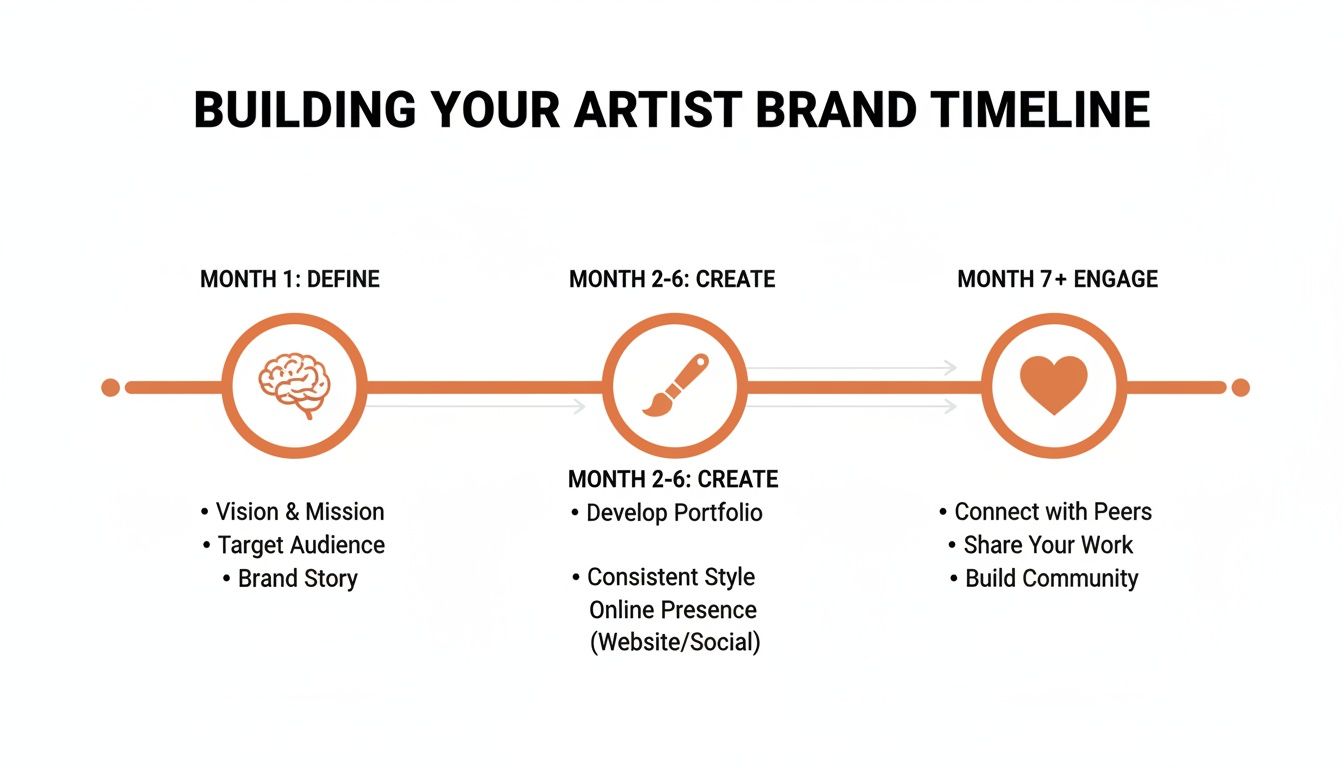
Understanding any artist's path to stardom requires examining their foundational years and the early steps taken to hone their craft. Before achieving widespread recognition, emerging talents typically invest years in skill acquisition, networking, and experimenting with various mediums. For creators navigating the early stages of their careers, the primary objective is establishing a distinct voice.
During the formative phase of Ashanna Bri's journey, the focus centered on mastering multiple artistic disciplines and understanding the mechanics of audience engagement. In an era where digital platforms serve as a launchpad, developing early content requires resourcefulness and consistency. Key elements of this foundational period typically include:
- Skill Diversification: Learning not only performance or creative arts, but also digital editing, audience analytics, and personal brand curation.
- Community Building: Engaging directly with early supporters to foster a loyal base that transcends algorithmic volatility.
- Collaborative Experimentation: Partnering with fellow independent creators, stylists, and directors to expand creative horizons.
- Resilience Against Rejection: Overcoming systemic industry barriers and traditional gatekeeping by creating alternative spaces for performance and expression.
These early efforts lay the groundwork for sustainable growth, ensuring that when mainstream opportunities arise, the artist possesses both the technical capability and the philosophical grounding to manage increased visibility.
Navigating Industry Barriers and Championing Representation
The transition from a localized digital presence to broader cultural stardom involves confronting entrenched industry barriers. For marginalized creators, these hurdles often manifest as underfunding, typecasting, and a lack of institutional mentorship. Ashanna Bri's path highlights the strategic navigation required to dismantle these obstacles rather than succumb to them.
Industry veterans note that true inclusivity requires intentional policy shifts within hiring and casting practices. When artists advocate for authentic representation, they often face resistance from institutions accustomed to homogenized storytelling. Overcoming these barriers involves a dual approach: refusing compromised roles that reinforce harmful tropes and demonstrating through commercial success that diverse narratives possess universal market appeal.
| Strategic Challenge | Traditional Industry Approach | Inclusive Stardom Alternative |
|---|---|---|
| Casting & Roles | Homogenized, stereotypical archetypes | Multifaceted, complex, and human-centric characters |
| Production Teams | Exclusive, homogenous leadership groups | Intersectional, collaborative, and diverse crews |
| Audience Engagement | Top-down broadcasting and marketing | Horizontal, community-driven dialogue |
| Monetization | Reliance on legacy gatekeeper approval | Direct monetization and independent funding models |
By aligning creative output with these alternative paradigms, artists like Ashanna Bri help establish new benchmarks for what commercial viability looks like in modern entertainment.
Strategic Milestones and Digital Amplification
Achieving inclusive stardom in the twenty-first century demands a sophisticated understanding of digital amplification. While traditional press and red-carpet appearances still hold value, the engine of modern relevance often runs on digital ecosystems. Strategic content distribution, cross-platform collaborations, and viral cultural moments play a decisive role in scaling an artist's reach.
Ashanna Bri's career trajectory demonstrates how digital media can be utilized to bypass traditional gatekeepers. By maintaining autonomy over creative direction, artists can communicate directly with their audience, ensuring that their personal brand remains unvarnished by corporate mediation. This direct line of communication builds immense trust, turning casual observers into dedicated advocates.
Furthermore, strategic partnerships with brands and media outlets that share progressive values amplify this momentum. When collaborations are authentic and mutually beneficial, they validate the artist's market viability to risk-averse industry executives, paving the way for larger-scale theatrical, television, or musical ventures.
Cultural Impact and the Redefinition of Success
The ultimate measure of inclusive stardom extends beyond financial earnings or social media follower counts; it lies in the cultural footprint left behind. When a performer successfully claims space in the mainstream while championing inclusivity, they alter the possibilities for the next generation of creators.
Ashanna Bri's influence can be observed in how cultural conversations around identity, representation, and artistic integrity are conducted. By proving that vulnerability and cultural specificity are universal rather than niche, such figures expand the boundaries of popular culture. This shift encourages media corporations to reevaluate their development pipelines, recognizing that audiences are actively seeking stories that reflect the rich diversity of the real world.
Common Misconceptions About Inclusive Stardom
As discussions surrounding diversity and representation have grown more prominent, several misconceptions have emerged regarding how artists achieve inclusive stardom. Clarifying these points is essential for understanding the realities of contemporary entertainment careers.
- Misconception 1: Inclusivity is a passing trend. Critics occasionally frame representation as a temporary corporate checkbox rather than a permanent evolution in audience expectations. In reality, demographic shifts and globalized media consumption make inclusive storytelling an economic and cultural necessity.
- Misconception 2: Success comes easily via social media. While digital platforms lower entry barriers, building a sustainable career requires immense labor, strategic foresight, and resilience against digital harassment and algorithmic changes.
- Misconception 3: Artists must compromise their message for mainstream appeal. The trajectory of modern inclusive stars suggests the opposite—that uncompromising authenticity is precisely what resonates most powerfully with contemporary audiences.
Frequently Asked Questions
What defines Ashanna Bri's approach to inclusive stardom?
Ashanna Bri's approach centers on uncompromising artistic authenticity, leveraging digital platforms for direct audience connection, and advocating for multidimensional representation that rejects tokenism and traditional industry stereotypes.
How do digital platforms facilitate inclusive stardom?
Digital platforms allow creators to bypass traditional gatekeepers, build direct relationships with niche and global audiences alike, and demonstrate commercial viability without relying on legacy studio approval.
Why is systemic representation important in modern entertainment?
Systemic representation ensures that diverse perspectives are included not just in front of the camera, but throughout the writing, directing, producing, and executive decision-making processes, leading to richer and more authentic storytelling.
What are the primary challenges faced by artists pursuing inclusive stardom?
Artists often encounter entrenched industry biases, typecasting, lack of institutional funding, and the pressures of navigating digital visibility while maintaining personal boundaries.
How has the definition of mainstream success changed?
Mainstream success is no longer defined solely by fitting a narrow demographic archetype or securing traditional studio contracts; it increasingly encompasses digital reach, community loyalty, and cultural impact.
Practical Recommendations for Aspiring Inclusive Creators
For artists and content creators seeking to follow a path similar to Ashanna Bri, success requires a combination of creative discipline and strategic awareness. Consider the following actionable steps:
- Prioritize Authentic Voice: Focus on developing a unique creative identity rather than chasing fleeting algorithmic trends. Authenticity creates lasting emotional resonance with viewers.
- Master Digital Tools: Learn the fundamentals of digital production, editing, and audience analytics. Independence relies on technical competence.
- Build Supportive Networks: Collaborate with like-minded creators, technicians, and advocates who share your values and complement your skill set.
- Protect Creative Autonomy: When entering negotiations with larger entities, advocate for contractual terms that preserve your artistic vision and ownership over your work.
- Engage Responsibly with Communities: Cultivate a healthy, direct relationship with your audience while establishing clear boundaries to protect your mental well-being against digital toxicity.