Arielle Konig has become a pivotal figure in 2026’s sustainable luxury movement, bridging the gap between high-end editorial aesthetics and radical environmental responsibility. Her current work focuses on "regenerative interiors," utilizing circular material economies and carbon-sequestering technologies to prove that eco-friendly home design is no longer a compromise but the ultimate standard of modern luxury.
The Evolution of Arielle Konig: From Aesthetic Curator to Sustainability Icon
In 2026, Arielle Konig stands at the intersection of fashion-forward sensibilities and rigorous environmental ethics. Historically recognized for her sharp eye for "quiet luxury" and curated minimalism, Konig has successfully transitioned into a leading voice for sustainable residential development. Her influence now extends beyond mere decoration; she is a vocal advocate for life-cycle assessment (LCA) in interior design—a process that evaluates the environmental impact of a product from raw material extraction to disposal.
The "Arielle Konig aesthetic" in 2026 is defined by what she calls "The Living Room," a double entendre referring to spaces that are both inhabited and biologically active. Her projects frequently feature living walls that act as natural air filtration systems and furniture crafted from bio-fabricated materials. This shift reflects a broader professional evolution where designers are held accountable not just for the visual appeal of a space, but for its chemical composition and carbon footprint.
The Philosophy of "Less, But Better"
Konig’s current methodology is rooted in the "degrowth" movement within design. Rather than encouraging seasonal updates or high-turnover furniture cycles, she promotes the acquisition of heirloom-quality pieces made from renewable sources. This philosophy aligns with the 2026 consumer's desire for authenticity and durability. By prioritizing craftsmanship over mass production, Konig has helped redefine eco-friendly design as an investment in both personal well-being and global health.
The Rise of Eco-Friendly Home Design: A 2026 Perspective
The global landscape of home design has undergone a seismic shift. What was once a niche category characterized by recycled glass countertops and bamboo flooring has evolved into a multi-billion-dollar industry driven by regulatory changes, technological breakthroughs, and a cultural mandate for climate action.
The Regulatory Catalyst
By 2026, building codes in many metropolitan areas have become significantly stricter. The integration of Net Zero requirements for new residential constructions has forced designers and architects to rethink everything from insulation to appliance efficiency. This regulatory environment has made "eco-friendly" the default setting for the industry, rather than an optional upgrade.
The Wellness Connection
One of the primary drivers of this rise is the increasing awareness of Indoor Environmental Quality (IEQ). Consumers in 2026 are highly educated on the dangers of Volatile Organic Compounds (VOCs), phthalates, and formaldehyde—chemicals commonly found in traditional paints, glues, and synthetic fabrics. Eco-friendly design is now synonymous with "healthy design," focusing on non-toxic materials that improve respiratory health and cognitive function.
Core Pillars of Modern Sustainable Interior Design
To understand the rise of this movement, one must examine the specific technical and material innovations that have become standard practice in 2026.
1. Bio-Fabrication and Mycelium Materials
The use of fungi-based materials (mycelium) has moved from experimental labs into mainstream showrooms. Mycelium "leather" for upholstery and mycelium acoustic panels offer superior performance to their synthetic counterparts. These materials are completely biodegradable and require a fraction of the energy to produce compared to plastic-based foams or animal hides.
2. Carbon-Sequestering Concrete and Masonry
Concrete is traditionally one of the most carbon-intensive materials in construction. However, 2026 has seen the widespread adoption of carbon-negative concrete, which injects captured CO2 into the mix during production, permanently mineralizing the gas. This allows for the "industrial chic" aesthetic that Konig often utilizes without the associated environmental guilt.
3. Smart Energy Management Systems (SEMS)
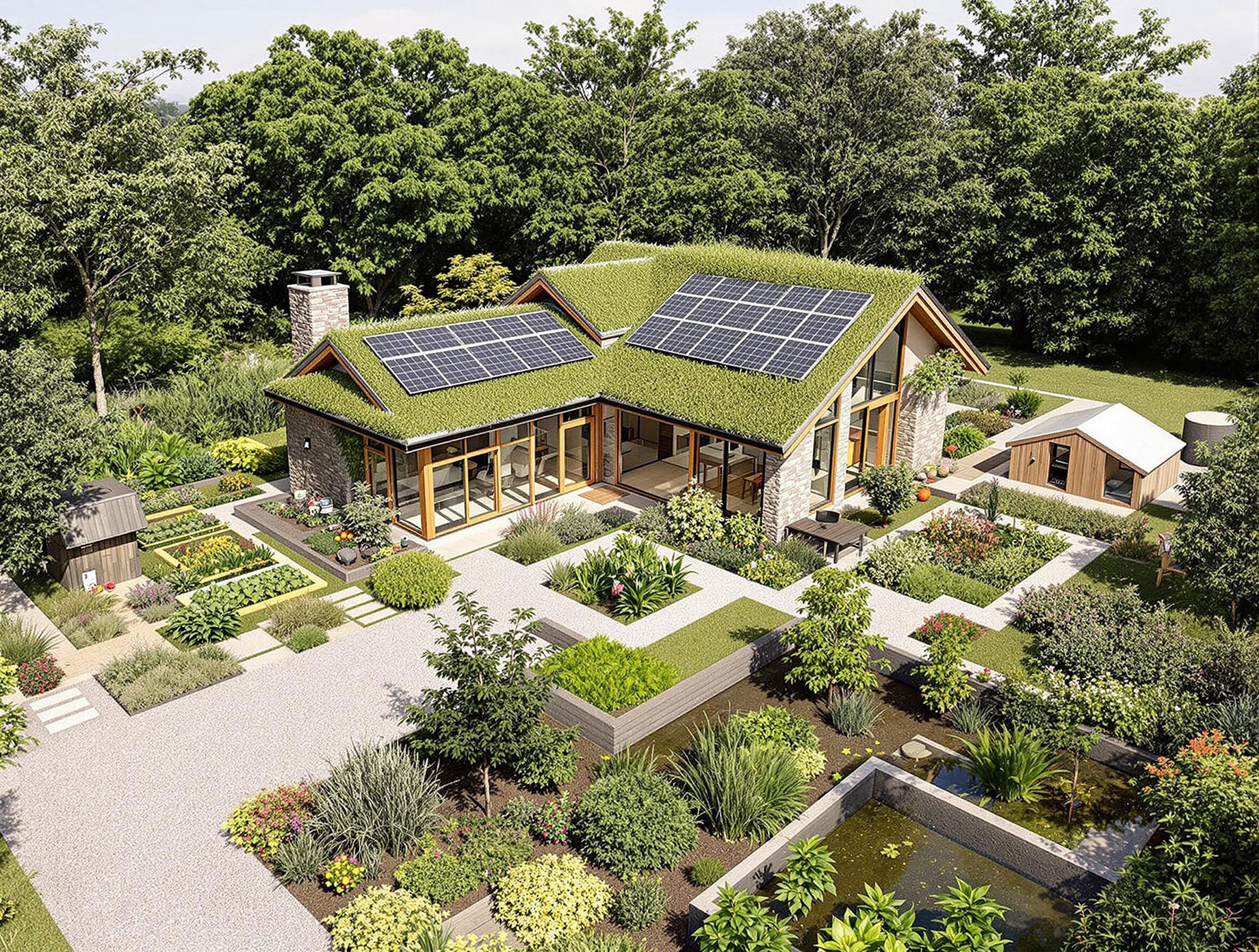
Eco-friendly design is no longer just about the materials; it’s about how the home breathes. Advanced AI-driven SEMS now coordinate a home’s solar intake, battery storage, and appliance usage in real-time. These systems can predict weather patterns to pre-cool or pre-heat a home using renewable energy, drastically reducing reliance on the grid.
4. The Circular Furniture Economy
Subscription-based furniture models and high-end "upcycling" programs have gained massive traction. Brands now offer "buy-back" guarantees, where furniture is returned at the end of its life to be refurbished or disassembled into raw materials for new products. This eliminates the "fast furniture" waste that plagued the early 21st century.
Comparative Analysis: Traditional vs. Regenerative Design (2026 Standards)
The following table illustrates the key differences between traditional luxury design and the regenerative, eco-friendly approach championed by figures like Arielle Konig.
| Feature | Traditional Luxury Design | Regenerative Eco-Design (2026) |
|---|---|---|
| Primary Goal | Visual Opulence & Status | Health, Longevity & Low Impact |
| Material Source | Global supply chains (high mileage) | Local, bio-based, or reclaimed |
| Air Quality | Often high VOCs from finishes | Zero-VOC, natural air filtration |
| Energy Profile | High consumption; fossil-fuel reliant | Net-Zero or Net-Positive; Solar/Battery |
| End of Life | Landfill-bound (non-recyclable) | Cradle-to-Cradle (fully circular) |
| Maintenance | Chemical-heavy cleaning required | Biophilic, self-cleaning or natural patina |
Implementing the Arielle Konig Aesthetic in Your Home
For homeowners looking to align their spaces with these 2026 standards, the transition involves a combination of technical upgrades and stylistic shifts.
Step 1: Conduct a Material Audit
Before purchasing new items, evaluate the toxicity and origin of your current furniture. Replace high-VOC items—such as pressed-wood cabinets or synthetic rugs—with solid wood (FSC-certified) or natural fiber alternatives like wool, jute, and organic linen.
Step 2: Prioritize the Envelope
The "envelope" of the home—the walls, windows, and roof—is the most critical factor in energy efficiency. Upgrading to triple-pane smart glass windows, which can tint automatically based on sun intensity, can reduce HVAC costs by up to 40%. Konig emphasizes that these "invisible" upgrades are the true foundation of a luxury home.
Step 3: Biophilic Integration
Incorporate nature into the floor plan. This goes beyond adding a few potted plants. 2026 design trends focus on biophilic design, which uses natural light patterns, water features, and organic geometries to reduce stress. A central atrium or an indoor herb garden integrated into the kitchen island are signature moves for a modern eco-home.
Step 4: Sourcing Reclaimed and Salvaged Items
The most sustainable product is the one that already exists. Konig frequently utilizes "architectural salvage"—repurposing marble from demolished buildings or using reclaimed timber from old barns for flooring. This adds a sense of history and "soul" to a home that new materials cannot replicate.
The Economic Impact of Eco-Friendly Design
While the initial investment in sustainable materials and technology can be higher, the long-term financial benefits in 2026 are undeniable.
- Property Valuation: Homes with LEED (Leadership in Energy and Environmental Design) or WELL Building Standard certifications command a premium in the 2026 real estate market. Buyers are increasingly wary of "stranded assets"—homes that are expensive to heat or cool and contain toxic materials.
- Operational Costs: With rising energy prices, the ROI (Return on Investment) for solar arrays and high-efficiency heat pumps has shortened to less than five years in many regions.
- Insurance Incentives: Many insurance providers now offer lower premiums for homes built with fire-resistant, eco-friendly materials like hempcrete, acknowledging their superior durability in the face of climate-related risks.
Challenges and Considerations in the Shift to Eco-Luxury
Despite the momentum, the path to a fully sustainable home is not without hurdles.
- Supply Chain Transparency: While many brands claim to be "green," greenwashing remains an issue. Designers like Konig advocate for the use of blockchain technology to track the provenance of materials, ensuring that a "sustainable" wood table didn't contribute to illegal deforestation.
- Technical Complexity: Integrating AI energy systems requires specialized contractors who understand both traditional construction and modern software. Finding qualified labor is one of the primary bottlenecks in the eco-design industry today.
- Aesthetic Discipline: Maintaining a cohesive look while sourcing only from ethical suppliers requires a high degree of curation. It often means waiting longer for custom-made, local pieces rather than opting for immediate gratification.
Frequently Asked Questions
What does "regenerative design" mean in 2026?
Regenerative design goes a step beyond "sustainable." While sustainable design aims to do no harm, regenerative design aims to actively improve the environment. This includes using materials that sequester carbon, systems that purify the air and water, and landscapes that support local biodiversity.
Is eco-friendly home design more expensive than traditional design?
Initially, yes. Premium sustainable materials and smart technologies often have a 10-20% higher upfront cost. However, when factoring in energy savings, health benefits, and increased resale value, the total cost of ownership is typically lower over a 10-year period.
How can I verify if a designer is truly sustainable?
Look for specific certifications rather than vague marketing terms. Key credentials in 2026 include the WELL AP (Accredited Professional), LEED Green Associate, and memberships in organizations like the Sustainable Furnishings Council. Ask for a "Material Passport" for any major furniture purchases to see their origin and recyclability.
Can I make an old home eco-friendly, or do I need to build new?
Retrofitting is highly encouraged. In fact, "the greenest building is the one that already stands." Strategies like adding "blown-in" cellulose insulation, installing heat pump water heaters, and replacing old windows with high-performance inserts can significantly modernize an older home's eco-profile.
What are "Carbon-Negative" materials?
These are materials that absorb more CO2 during their production or growth than they emit. Examples include hemp, timber, and certain types of concrete that use carbon-capture technology. Using these materials allows a home to act as a "carbon sink."
Final Recommendation
To follow in the footsteps of Arielle Konig and the current eco-friendly design movement, start with a focus on longevity and health. Before embarking on a renovation or new build, hire a consultant to perform a blower-door test and a VOC air quality assessment. Prioritize the "unseen" elements—insulation, air filtration, and energy management—before selecting finishes. By investing in a home that respects the environment, you are ultimately investing in a space that better supports your own physical and mental well-being in an increasingly complex world.