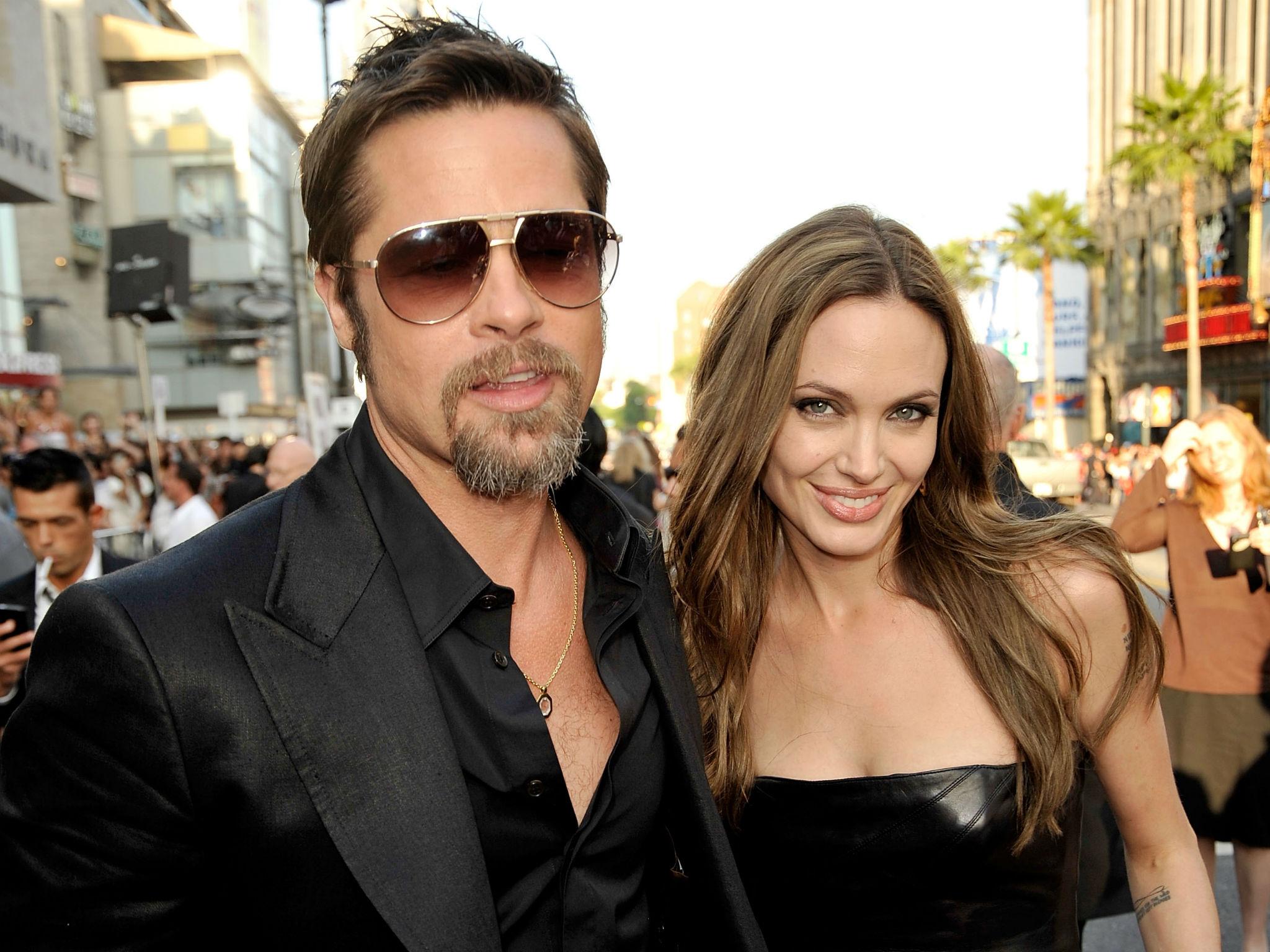
Angelina Jolie and Brad Pitt's public appearances from their years together offer a documented history of red carpet fashion, high-profile premieres, and international photo calls. These images capture major cinematic rollouts, philanthropic outings, and family events, serving as a visual archive of one of Hollywood's most scrutinized celebrity pairings during the 2000s and 2010s.
The Evolution of Red Carpet Style and Joint Appearances
The public appearances of Angelina Jolie and Brad Pitt evolved significantly from their initial emergence as a high-profile pairing in the mid-2000s through their final joint red carpet events. Early in their relationship, their appearances were often tied to blockbuster film promotions, most notably the press tour for Mr. & Smith (2005), which marked a major turning point in the media coverage surrounding them. Photographers and entertainment journalists heavily documented these events, establishing a visual language of tailored elegance and coordinated monochrome palettes that would define their decade on the red carpet.
As their partnership matured, their joint appearances shifted away from standard Hollywood glitz toward a more understated, classical aesthetic. Major international film festivals—particularly the Cannes Film Festival, the Venice Film Festival, and the Toronto International Film Festival—served as primary backdrops for some of their most notable public image milestones. During these events, Jolie frequently favored minimalist, flowing gowns by designers like Versace and Atelier Versace, while Pitt routinely appeared in classic, sharply tailored Tom Ford or Armani tuxedos. This adherence to timeless, classic styling minimized fashion risks and projected a unified, poised front to global entertainment media outlets.
Beyond standard film premieres, their red carpet evolution reflected their growing involvement in global humanitarian initiatives and prestige filmmaking. When attending events related to directorial projects—such as Pitt’s production efforts for The Tree of Life (2011) or Jolie’s directorial debut In the Land of Blood and Honey (2011) and subsequent collaborative project By the Sea (2015)—their photographic posture shifted. The imagery moved from action-star glamour to a more serious, auteur-driven aesthetic, mirroring their professional expansion into production, writing, and directing.
Iconic Cinematic Premieres and Major Press Tours
Cinematic press tours generated the vast majority of official, high-resolution public appearance photographs for the couple. Major studio releases required rigorous international travel schedules, leading to heavily orchestrated photo calls in front of iconic global backdrops. These press events were carefully managed by studio publicity teams to maximize box office return, yet they also became primary cultural artifacts documenting the height of both actors' commercial viability.
The promotion of Mr. & Smith in 2005 yielded some of the earliest and most analyzed joint images. Subsequent major tours included premieres for The Curious Case of Benjamin Button (2008), Inglourious Basterds (2009), Salt (2010), World War Z (2013), and Maleficent (2014). Each tour brought distinct photographic themes:
- Action and Blockbuster Tours: Characterized by large-scale fan events, outdoor stage appearances, and high-energy red carpets where both actors engaged extensively with global press lines.
- Prestige and Festival Runs: Focused on formal evening galas, seated auditorium introductions, and moody, dramatic lighting on festival steps.
- Directorial and Independent Projects: Featured smaller, more intimate press conferences, panel discussions, and targeted trade interviews rather than mass fan spectacles.
These archival images remain widely cataloged by photo agencies such as Getty Images, Reuters, and the Associated Press. They provide a chronological roadmap of major studio marketing strategies and red carpet fashion trends spanning more than a decade of contemporary entertainment history.
Humanitarian Missions and Diplomatic Engagements
In stark contrast to entertainment premieres, the public appearance photographs capturing Jolie and Pitt on humanitarian missions and diplomatic visits projected an entirely different visual and cultural register. Jolie’s longstanding role as a Goodwill Ambassador and later Special Envoy for the United Nations High Commissioner for Refugees (UNHCR) brought significant media attention to displaced populations worldwide. Pitt frequently accompanied her on these field missions, visiting refugee camps, disaster-stricken regions, and post-conflict zones across Africa, Asia, and the Middle East.
Photographs from these engagements intentionally avoided the polished, high-gloss aesthetic of Hollywood red carpets. Captured primarily by documentary photographers or official UN media liaisons, these images typically featured both individuals dressed in practical, weather-appropriate field attire—such as neutral-toned shirts, cargo trousers, and durable footwear—engaging directly with local community leaders, aid workers, and displaced families.
| Event Category | Primary Setting | Typical Attire | Media / Photographic Intent |
|---|---|---|---|
| Film Premieres | Festival palaces, urban cinemas | High fashion (gowns, tuxedos) | Entertainment promotion, glamour, brand alignment |
| Humanitarian Field Visits | Refugee camps, disaster zones | Practical field clothing, casual wear | Awareness generation, advocacy, documentation |
| Family Outings | Airports, public streets, museums | Everyday streetwear, travel wear | Personal documentation, lifestyle and paparazzi coverage |
| Industry Galas | Award shows, benefit dinners | Black-tie, bespoke formal wear | Prestige recognition, philanthropic fundraising |
These humanitarian photographs served a dual purpose within the media landscape. On one hand, they leveraged the couple's immense global celebrity to draw mainstream news coverage toward underreported geopolitical crises and humanitarian emergencies. On the other hand, they added depth to their public personas, bridging the gap between commercial entertainment stardom and serious global advocacy. Analyzing these images reveals a deliberate effort to use their shared public visibility to amplify institutional aid efforts rather than merely promote commercial film assets.
The Paparazzi Dynamic and Everyday Public Life
While red carpet premieres and diplomatic missions represented controlled environments for public appearances, a massive volume of photographic material emerged from everyday life and transit moments. International airports, hotel arrivals, family outings to museums or bookstores, and transit through global transit hubs generated a continuous stream of paparazzi imagery. This segment of the visual record documents a different dimension of high-profile celebrity culture, characterized by long-range telephoto lenses, ambient lighting, and candid moments.
The sheer volume of everyday imagery highlights the logistical challenges of maintaining privacy while managing public visibility. Media outlets across print and digital platforms actively acquired these candid photographs to construct narratives about family life, travel habits, and personal style outside of studio-backed PR campaigns. Over time, legal and ethical standards surrounding paparazzi photography involving public figures and their families evolved, particularly regarding the publication of images featuring minor children. Consequently, the nature of candid public appearance photography shifted significantly during the latter half of their relationship, with tighter restrictions placed on media outlets regarding unauthorized images of family outings.
Archival Preservation and Digital Access
The digital footprint of Angelina Jolie and Brad Pitt's public appearances remains vast, preserved across digital agency databases, entertainment news archives, and social media platforms. For historians of modern media, fashion researchers, and pop culture analysts, these visual records offer valuable data points regarding celebrity brand management, shifting fashion houses, and the evolution of digital photojournalism.
Accessing these images requires navigating commercial photo libraries and historical news repositories, as copyright laws protect professional agency photographs from unrestricted redistribution. Understanding the context behind these images—distinguishing between studio-managed promotional tours, diplomatic missions, and candid paparazzi encounters—is essential for accurately interpreting the visual history of their years in the public eye.
Frequently Asked Questions
Where can I find verified, high-resolution pictures of Angelina and Brad's red carpet appearances?
Verified, high-resolution images are hosted primarily by major international photo agencies such as Getty Images, Reuters, and the Associated Press. These platforms maintain properly licensed, date-stamped archives of major film premieres, award shows, and festival appearances, ensuring accurate identification and historical context.
What distinguished their red carpet appearances from standard celebrity photo calls?
Their joint appearances were frequently characterized by coordinated, classical styling and a deliberate alignment with major international film festivals rather than purely commercial studio junkets. This approach emphasized a blend of European fashion sensibilities and high-profile cinematic prestige.
How did humanitarian photographs differ from their entertainment press appearances?
Humanitarian photographs captured field visits to refugee camps and crisis zones alongside UN personnel. These images featured practical field clothing and focused on advocacy and global awareness rather than commercial entertainment promotion or high-fashion red carpet presentation.
Are candid paparazzi photos of public appearances subject to legal restrictions?
Yes. Over time, regulations and ethical guidelines regarding the photographing and publishing of public figures—particularly regarding minor children during private or semi-private daily activities—have tightened considerably across various jurisdictions, limiting the circulation of certain types of candid imagery.
What role did international film festivals play in their public image?
Venice, Cannes, and Toronto served as major backdrops for establishing their status as a premier cinematic power couple. These festivals provided platforms to showcase prestige independent projects, directorial works, and high-fashion collaborations with luxury design houses.
Conclusion
The public appearance photographs of Angelina Jolie and Brad Pitt document a defining chapter of modern celebrity culture. From international film festivals and humanitarian field missions to everyday transit and press tours, these images reflect the complex intersection of global fame, fashion evolution, and media management. Evaluating this visual archive requires understanding the distinct contexts—promotional, diplomatic, and candid—that shaped how the public experienced their years together.