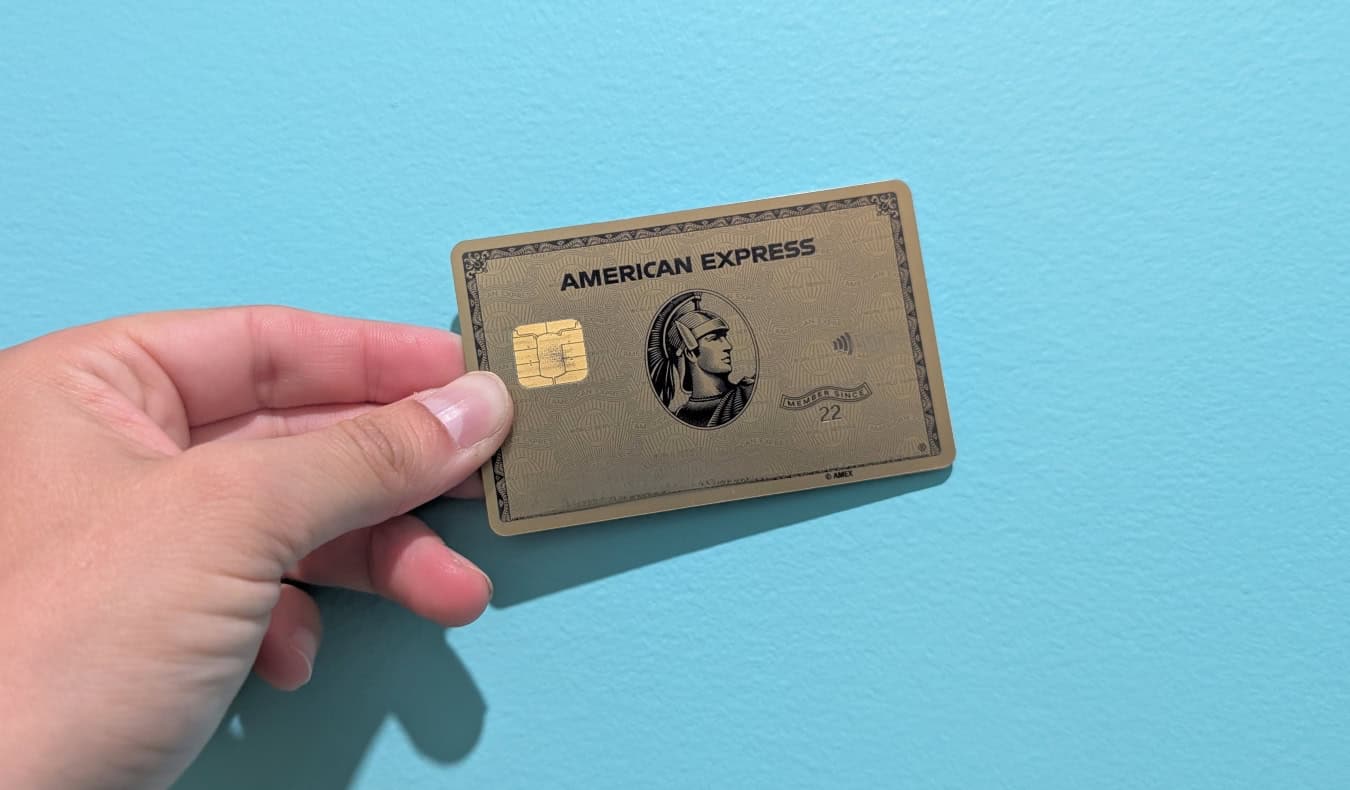
In the current financial landscape of 2026, the American Express® Gold Card remains one of the most popular rewards cards for dining and supermarkets. However, when it comes to balance transfers, the rules are strict: The American Express Gold Card does not allow you to transfer balances from other credit cards onto it. As a premium card focused on rewards and "Pay Over Time" features rather than debt consolidation, it lacks the 0% introductory APR offers typically required for a balance transfer.
While you cannot move debt to an Amex Gold, you can transfer a balance from an Amex Gold to a different card, or utilize specific American Express credit cards that are designed for balance transfers. Understanding these distinctions is vital for managing high-interest debt effectively without sacrificing your rewards strategy.
Understanding the American Express Gold Card Structure
To understand why the American Express Gold Card does not accept balance transfers, one must first look at its fundamental structure. In 2026, the Gold Card continues to function primarily as a card with No Preset Spending Limit (NPSL). This differs significantly from a traditional credit card with a revolving line of credit.
Charge Card Roots and Pay Over Time
Historically, the Gold Card was a "charge card," meaning the balance was due in full every month. While modern versions of the card include the Pay Over Time feature—allowing you to carry a balance on eligible purchases with interest—it still does not function as a destination for external debt. Balance transfers require a defined credit limit to calculate how much debt can be moved. Because the Gold Card’s "limit" is flexible and based on usage, credit record, and financial resources, American Express does not offer the ability to "deposit" external debt onto this specific product.
The Role of Pay Over Time Limits
Even though the Gold Card has no preset spending limit, it does have a Pay Over Time Limit. This is the maximum amount you can carry as a balance from month to month. If you were looking to consolidate debt, this limit might seem like a place to put it, but American Express policy explicitly reserves balance transfer capabilities for their "Credit Card" products (like the Blue Cash or EveryDay series) rather than their "Premier Rewards" cards.
Core Rules for American Express Balance Transfers
If you are looking to move debt within or out of the American Express ecosystem, there are several "universal rules" that apply in 2026. These rules govern how American Express handles debt movement across their entire portfolio.
1. The "No Internal Transfer" Rule
One of the most important rules to remember is that you cannot transfer a balance from one American Express card to another. For example, if you have a balance on an American Express Gold Card, you cannot transfer it to an American Express EveryDay® Credit Card to take advantage of a 0% APR offer. Balance transfers are strictly for moving debt from other financial institutions (such as Chase, Citi, or Capital One) to an eligible American Express card.
2. Time Sensitivity for Introductory Rates
For the American Express cards that do allow balance transfers, the rules usually require that the transfer request be submitted within a specific window—typically 60 days from the date of account opening—to qualify for any introductory 0% APR offer. Requests made after this window may be subject to the standard purchase APR.
3. Balance Transfer Limits
You cannot transfer an unlimited amount of debt. The total amount of the balance transfer, including the balance transfer fee, must typically be less than your assigned credit limit. In many cases, American Express may limit the transfer to a specific percentage of your total limit (e.g., 75% or 95%) or a flat dollar maximum (e.g., $7,500), whichever is lower.
4. No Rewards on Transferred Balances
A common misconception is that you can earn Membership Rewards® points or cash back on a balance transfer. In 2026, as in previous years, balance transfers do not earn rewards. You only earn points or cash back on new, eligible purchases.
How to Transfer a Balance FROM an American Express Gold Card
If your goal is to move a high-interest balance currently sitting on your Amex Gold Card to a card with a lower interest rate, the process is possible, but it must involve a non-Amex card.
Steps to Move Debt to a Different Bank
- Identify a Destination Card: Look for a credit card from a different issuer (like the Wells Fargo Reflect® or the Citi Simplicity®) that offers a 0% introductory APR on balance transfers for 15 to 21 months.
- Verify the Pay Over Time Balance: Ensure you know exactly how much of your Amex Gold balance is eligible for transfer. Only the portion of the balance you have moved to "Pay Over Time" or your statement balance can be effectively paid off by another bank's transfer check.
- Initiate the Request: Provide the new bank with your American Express Gold 15-digit card number and the amount you wish to transfer.
- Continue Minimum Payments: Balance transfers can take 5 to 14 days to process. You must continue making your minimum payments to American Express until the transfer is officially posted to avoid late fees.
American Express Cards That Allow Incoming Transfers
Since the Gold Card is ineligible for incoming transfers, you should look at the American Express "Credit Card" lineup if you specifically want to move debt to Amex. These cards often feature introductory periods that make debt management more affordable.
| Card Name | Incoming Balance Transfer Allowed? | Typical Intro APR Period (2026) | Estimated Balance Transfer Fee |
|---|---|---|---|
| Amex Gold Card | No | N/A | N/A |
| Blue Cash Everyday® | Yes | 15 Months | 3% (Min $5) |
| Amex EveryDay® | Yes | 15 Months | 0% - 3% |
| Blue Cash Preferred® | Yes | 12 Months | 3% |
| Amex Magnet® | Yes | 15 Months | 3% |
Note: Terms and fees are subject to individual creditworthiness and current 2026 promotional offers.
The "Plan It" Alternative for Amex Gold Holders
While the American Express Gold Card doesn't support balance transfers, it does offer a proprietary feature called Plan It®. For many users, this serves as a viable alternative to moving debt.
How Plan It Works
Plan It allows you to select large purchases (usually over $100) and move them into a structured payment plan. Instead of the standard variable APR, you pay a fixed monthly fee.
- No Credit Check: Since you are already a cardholder, utilizing Plan It does not require a new credit inquiry.
- Predictable Payments: You can choose plans ranging from 3 to 24 months, depending on the offer and the amount.
- Rewards Retention: Unlike a balance transfer, you still earn Membership Rewards points on the original purchase before it is moved into a plan.
For someone with a large expense on their Gold Card who was considering a balance transfer, checking for a "$0 Plan It Fee" offer in the Amex app is a strategic first step. American Express frequently targets cardholders with these promotions to encourage the use of the Plan It feature.
Technical Requirements and Eligibility
If you decide to apply for an Amex credit card that does allow balance transfers, you must meet specific criteria in 2026.
Credit Score Demands
To be approved for a card like the Blue Cash Everyday with a 0% intro APR, you generally need a Good to Excellent credit score (typically 670 or higher). American Express will pull your credit report from one or more of the major bureaus (Experian, TransUnion, or Equifax).
The "Once Per Lifetime" Rule
Be aware that American Express generally has a "once per lifetime" rule regarding welcome bonuses. While this doesn't prevent you from getting a balance transfer card, it might prevent you from earning the sign-up bonus (e.g., $200 back) if you have held that specific card version in the past. Always check the "Offer Terms" before applying to see if you are eligible for both the 0% APR and the welcome bonus.
Debt-to-Income Ratio
Amex remains conservative with its lending. If your total debt across all cards is high relative to your income, they may approve the card but provide a credit limit that is too low to accommodate your full balance transfer. In 2026, digital applications often provide an "instant decision" that includes your specific credit limit.
Common Mistakes to Avoid
Managing balance transfer rules requires precision. Errors can lead to unexpected interest charges or damage to your credit score.
- Missing the Deadline: As mentioned, most Amex cards require the transfer to be initiated within the first 60 days. If you wait until month three, you will likely pay the full APR on that transferred amount.
- Assuming the Fee is Waived: While some cards (like the Amex EveryDay) have historically offered $0 balance transfer fees, most Amex cards in 2026 charge between 3% and 5%. Always calculate if the interest saved is greater than the fee paid.
- Neglecting the "No Internal Transfer" Rule: Many cardholders apply for a new Amex card specifically to move debt from an older Amex card. This will always be declined. You must move the debt to a different issuer entirely.
- Over-utilizing the New Card: If you transfer a $5,000 balance to a card with a $6,000 limit, your credit utilization on that card will be 83%. This can cause a temporary dip in your credit score, even if you are paying off the debt.
Frequently Asked Questions
Can I transfer a balance to my American Express Gold Business Card?
No. Similar to the personal Gold Card, the American Express® Business Gold Card is a rewards-focused card that does not support incoming balance transfers. Business owners should look toward the Blue Business Cash™ Card for potential 0% APR periods.
How long does a balance transfer take with American Express?
Typically, a balance transfer to an eligible American Express card takes between 5 and 14 days. However, American Express advises that in some cases, it can take up to six weeks. You should always make at least the minimum payment on your old account until you see the balance reflected as paid off.
Does American Express charge interest on the balance transfer fee?
The balance transfer fee is added to your card balance. If you are within a 0% introductory APR period, the fee itself usually does not accrue interest. However, if you do not pay off the entire balance (including the fee) before the intro period ends, the standard APR will apply to the remaining amount.
Will a balance transfer to Amex hurt my credit score?
Applying for a new card results in a "hard inquiry," which can cause a small, temporary drop in your score. Furthermore, moving a balance can affect your utilization ratio. However, if the transfer helps you pay down debt faster, your score will generally improve significantly in the long term.
Can I transfer a balance from a personal card to a business card?
Yes, American Express generally allows you to transfer a personal balance from another bank to an Amex Business credit card (if that specific business card offers balance transfers). However, you cannot transfer a balance from an Amex personal card to an Amex business card.
Strategic Recommendation
If you are currently holding an American Express Gold Card and are struggling with a high balance, do not look to American Express for a consolidation solution. Instead, the most effective path in 2026 is to open a balance transfer card with a different bank—such as Chase, Citi, or Wells Fargo—and move the Gold Card balance there. This bypasses the "no internal transfer" rule and allows you to take advantage of 0% APR windows that are generally more generous than those found in the Amex ecosystem.
For those who simply want to manage a one-time large purchase on their Gold Card, the Plan It feature is your best tool. It avoids the complexity of opening new accounts while providing a clear, fixed-fee path to debt elimination. Always verify your current "Pay Over Time" limit in the American Express mobile app before attempting to carry any balance on your Gold Card.