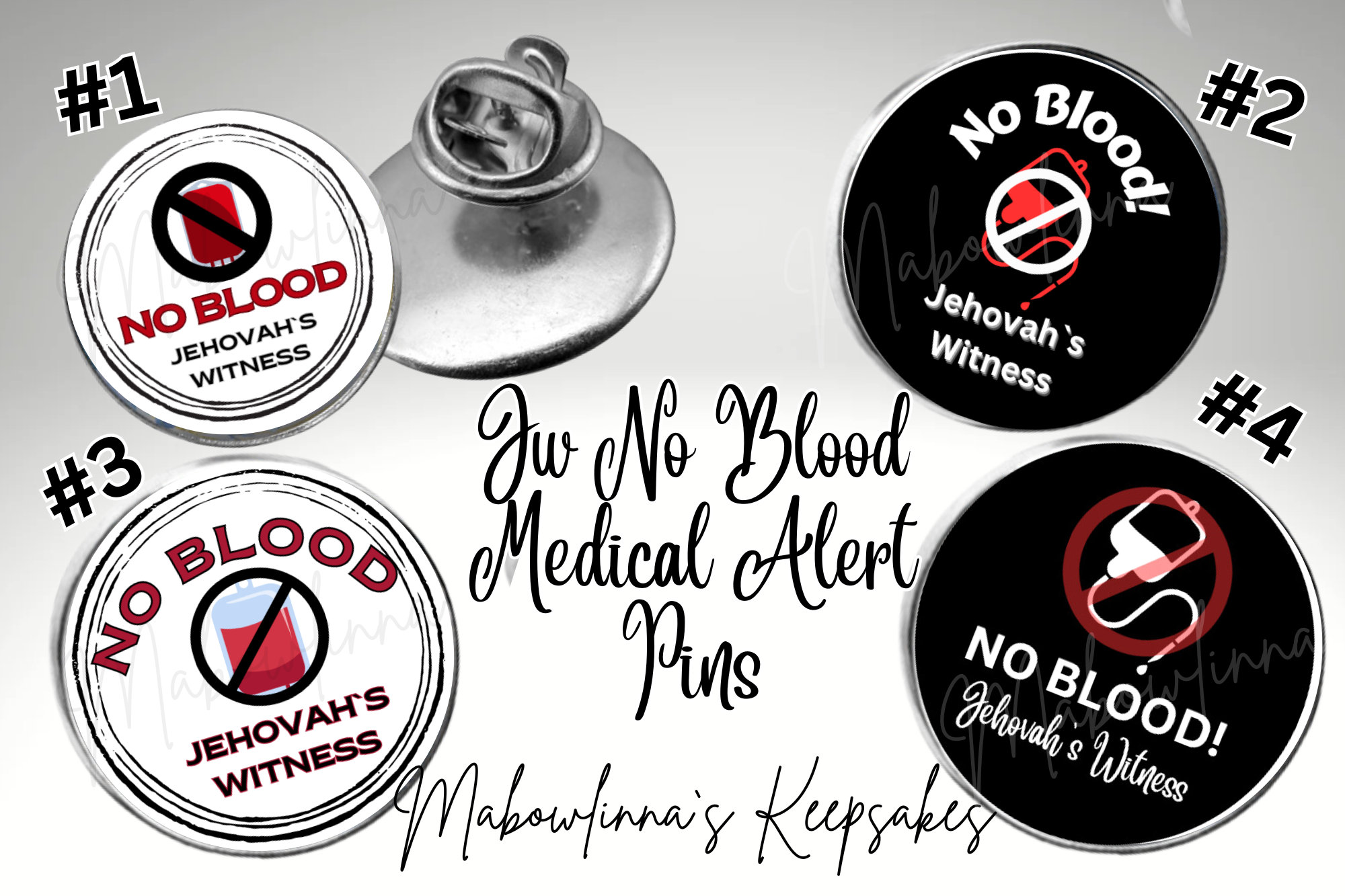
Jehovah’s Witnesses seek high-quality medical care while refusing allogeneic blood transfusions based on religious convictions. In 2026, the medical community utilizes Patient Blood Management (PBM), a multidisciplinary approach that employs pharmacological agents, advanced surgical techniques, and blood-salvaging technology to treat patients effectively without the use of donor blood or its primary components.
The Evolution of Patient Blood Management in 2026
The refusal of blood transfusions by Jehovah’s Witnesses was once viewed by the medical establishment as a significant hurdle to complex surgery. However, decades of clinical experience have shifted this perspective. What began as "bloodless surgery" has evolved into Patient Blood Management (PBM), a global standard of care endorsed by the World Health Organization (WHO). PBM is not merely a "fallback" for those with religious objections; it is an evidence-based clinical model designed to improve patient outcomes by preserving a patient’s own blood and avoiding the risks associated with transfusion, such as transfusion-related acute lung injury (TRALI) and increased infection rates.
As of 2026, the core pillars of PBM—detecting and treating anemia, minimizing blood loss, and optimizing the patient’s physiological tolerance for low hemoglobin—are applied across major trauma centers and elective surgery units worldwide. For Jehovah’s Witnesses, these pillars provide a medical framework that respects their conscience while ensuring surgical safety and efficacy.
Pre-operative Optimization: Strengthening the Patient’s Foundation
The most critical phase of bloodless medical management occurs before the patient ever enters the operating room. Pre-operative optimization aims to maximize the patient’s red cell mass so they can safely tolerate the inevitable blood loss that occurs during surgery.
Management of Anemia and Iron Stores
Anemia is a significant risk factor for surgical complications. In bloodless medicine, physicians aggressively treat iron deficiency using intravenous (IV) iron rather than oral supplements. IV iron (such as ferric carboxymaltose or iron isomaltoside) bypasses the digestive system, allowing for rapid absorption and a faster increase in hemoglobin levels. This is often paired with Erythropoiesis-Stimulating Agents (ESAs), like recombinant human erythropoietin. These medications stimulate the bone marrow to produce red blood cells at an accelerated rate, effectively "pre-loading" the patient’s blood count before the procedure.
Nutritional and Pharmacological Support
Beyond iron, patients are often prescribed a regimen of B-complex vitamins, folate, and Vitamin C to support the synthesis of new blood cells. In 2026, clinical guidelines also emphasize the cessation of antiplatelet and anticoagulant medications well in advance of surgery, provided the cardiovascular risk is manageable, to prevent excessive intra-operative bleeding.
Intra-operative Techniques: Minimizing and Recycling Blood
During surgery, the focus shifts to meticulous "hemostasis"—the stopping of blood flow. Surgeons trained in bloodless techniques use a variety of specialized tools and strategies to ensure that every drop of blood is either preserved or recaptured.
Advanced Surgical Tools
The use of electrocautery, harmonic scalpels, and argon beam coagulators allows surgeons to seal blood vessels as they cut. These thermal and ultrasonic devices minimize the "oozing" associated with traditional scalpels. Furthermore, minimally invasive surgery (laparoscopic or robotic-assisted) is preferred whenever possible, as smaller incisions naturally result in less blood loss than traditional "open" surgeries.
Acute Normovolemic Hemodilution (ANH)
ANH is a technique where, at the start of surgery, a portion of the patient’s blood is diverted into bags while simultaneously being replaced by a non-blood volume expander (like crystalloids or colloids). This thins the patient’s remaining blood. If the patient bleeds during surgery, they lose "diluted" blood, which contains fewer red cells. After the procedure, the diverted whole blood is re-infused into the patient. For many Jehovah’s Witnesses, this is acceptable provided the blood remains in a continuous circuit with their body.
Cell Salvage (Autologous Blood Recovery)
Cell salvage, often called "cell saver" technology, involves the use of a machine that aspirates blood from the surgical site, filters and washes it, and then returns the concentrated red blood cells to the patient in real-time. This technology has become a cornerstone of bloodless heart and trauma surgeries in 2026. Like ANH, many Jehovah’s Witnesses accept this as long as the circuit between the machine and the body is never broken.
Pharmacological Hemostasis
Medications like Tranexamic Acid (TXA) have revolutionized trauma and orthopedic care. TXA is an antifibrinolytic that prevents the breakdown of blood clots, significantly reducing surgical blood loss. In 2026, TXA is standard in joint replacements and obstetric emergencies for patients refusing transfusions. Additionally, topical agents such as fibrin glues, thrombin-soaked sponges, and collagen fleeces are applied directly to bleeding tissues to promote rapid clotting.
Post-operative Management: Conservative Care and Monitoring
After surgery, the goal is to protect the patient's existing red cell mass and support the body’s natural recovery processes.
- Iatrogenic Blood Loss Reduction: In 2026, many hospitals utilize "micro-sampling" for blood tests. Instead of drawing multiple large vials of blood for daily labs, clinicians use pediatric tubes or point-of-care testing devices that require only a few drops. This prevents "hospital-acquired anemia."
- Oxygen Therapy: In cases where hemoglobin levels drop to extremely low levels (often called "extreme anemia"), patients may be kept on supplemental oxygen or, in some facilities, treated with Hyperbaric Oxygen Therapy (HBOT). This increases the amount of oxygen dissolved in the plasma, helping to bridge the gap until the body can produce more red blood cells.
- Synthetic Volume Expanders: To maintain blood pressure and circulation, clinicians use non-blood fluids such as Ringer’s lactate, saline, or modern synthetic colloids. These fluids ensure that the remaining red blood cells can continue to circulate and deliver oxygen to vital organs.
Summary of Bloodless Medical Strategies
The following table summarizes the primary alternatives to blood transfusion and their specific functions within a clinical setting.
| Technique/Agent | Phase of Care | Primary Function | Clinical Benefit |
|---|---|---|---|
| Intravenous Iron | Pre-operative | Rapidly corrects iron deficiency | Boosts hemoglobin levels before surgery |
| Erythropoietin (EPO) | Pre-operative | Stimulates bone marrow | Increases red blood cell production |
| Cell Salvage | Intra-operative | Recycles blood lost during surgery | Returns the patient's own blood in real-time |
| Tranexamic Acid (TXA) | Intra-operative | Prevents clot breakdown | Reduces overall blood loss volume |
| Harmonic Scalpel | Intra-operative | Ultrasonic cutting and sealing | Minimizes bleeding at the incision site |
| Micro-sampling | Post-operative | Limits blood drawn for labs | Prevents further reduction of red cell mass |
| Crystalloids/Colloids | All Phases | Replaces fluid volume | Maintains blood pressure without using plasma |
Blood Fractions and the Issue of Conscience
A common point of confusion for healthcare providers is the distinction between "blood" and "blood fractions." While Jehovah’s Witnesses refuse the four primary components of blood—red cells, white cells, platelets, and plasma—many consider the use of minor fractions derived from these components to be a matter of individual conscience.
These fractions may include:
- Albumin: Used in volume expanders and some surgical sealants.
- Immunoglobulins: Used in vaccines and to treat certain immune disorders.
- Clotting Factors: Such as Cryoprecipitate or Factor VIII/IX concentrates used for hemophilia or severe bleeding.
- Fibrinogen: Used in surgical glues.
In 2026, it is standard practice for clinicians to have a detailed discussion with the patient or their legal representative to determine which, if any, of these fractions are acceptable. This allows for a more tailored and effective treatment plan.
Legal Preparedness and the Hospital Liaison Committee
For Jehovah’s Witnesses, medical treatment is not just a clinical issue but a legal and spiritual one. The Advance Decision to Refuse Treatment (ADRT), often referred to as the "No Blood" card, is a legally binding document in many jurisdictions. It outlines the patient's refusal of blood and identifies their chosen healthcare proxies.
Furthermore, Jehovah’s Witnesses have established Hospital Liaison Committees (HLC). These committees consist of trained volunteers who facilitate communication between the patient and the medical team. They provide clinicians with access to the latest peer-reviewed literature on bloodless medical techniques and can help locate specialists who have experience in performing complex surgeries without blood. In 2026, the partnership between HLCs and hospital "Bloodless Medicine" departments is a vital component of patient-centered care.
Ethical Considerations for Healthcare Providers
The management of Jehovah’s Witness patients often raises ethical questions, particularly in emergency situations. In 2026, the medical ethics consensus emphasizes autonomy and informed consent. A competent adult has the legal and ethical right to refuse any medical treatment, even if that refusal may result in death.
For pediatric cases, the legal landscape is more complex. In many jurisdictions, courts may intervene to authorize life-saving transfusions for minors, even against parental wishes. However, the first priority of the medical team is always to employ every available bloodless alternative first. By utilizing the aggressive PBM strategies outlined above, clinicians can often avoid the need for legal intervention altogether while still achieving a successful outcome for the child.
Frequently Asked Questions
Are bloodless surgeries more dangerous than traditional surgeries?
No. Research has consistently shown that when managed by an experienced team, patients undergoing bloodless surgery often have similar or even better outcomes than those who receive transfusions. This is because bloodless techniques minimize the inflammatory and immunological risks associated with donor blood.
What happens if a Jehovah’s Witness is unconscious and needs a transfusion?
If the patient is carrying a valid Advance Decision (No Blood card) or has a designated Healthcare Power of Attorney, those documents and representatives will dictate the course of care. If no documentation exists and no family can be reached, doctors generally act in the patient’s best interest, which may involve a transfusion depending on local laws and hospital policies.
Can complex procedures like heart transplants be done without blood?
Yes. As of 2026, many specialized centers perform "bloodless" cardiac surgeries, including valve replacements, bypasses, and even organ transplants. These require meticulous planning, the use of cell salvage, and aggressive pre-operative optimization of the patient's blood count.
Is "synthetic blood" available in 2026?
While "synthetic blood" in the form of Hemoglobin-Based Oxygen Carriers (HBOCs) has been in development for years, their use remains limited. Some versions are available under "compassionate use" protocols for life-threatening anemia when no other options exist, but they are not yet a standard replacement for donor blood in routine surgery.
Why do some Jehovah's Witnesses accept "fractions" but not "whole blood"?
The religious understanding is based on the biblical command to "abstain from blood." Many Witnesses view the primary components as the "blood" itself, whereas minor fractions (like proteins or antibodies) are seen as components that have been separated to the point where they no longer represent the life-sustaining fluid in its scriptural sense. This remains an individual decision of conscience.
Practical Recommendations
For patients and families preparing for surgery, the following steps are recommended:
- Early Disclosure: Inform your surgical team as early as possible about your refusal of blood. This allows time for pre-operative optimization (like IV iron).
- Update Legal Documents: Ensure your Advance Decision/DPA card is up to date and reflects your current wishes regarding fractions and procedures like cell salvage.
- Engage the HLC: Contact your local Hospital Liaison Committee for Jehovah’s Witnesses. They can provide resources for your doctors and help find a surgeon experienced in bloodless medicine.
- Ask Questions: Specifically ask your surgeon about their experience with "Patient Blood Management" and which blood-conserving technologies (like TXA or ANH) they plan to use.
Medical professionals should view the treatment of Jehovah’s Witnesses not as a conflict of interest, but as an opportunity to practice the highest level of surgical precision and physiological optimization. The techniques honed through bloodless medicine continue to benefit all patients by reducing the reliance on a finite and sometimes risky donor blood supply.