An alpha team alert cruise ship notification is the standardized maritime emergency code used to signal a serious medical emergency requiring immediate intervention. When "Alpha, Alpha, Alpha" is broadcast over the public address system, it summons a specialized medical response team and a stretcher crew to a specific location on the vessel to provide life-saving care to a passenger or crew member.
Cruising in 2026 remains one of the safest ways to travel, but the isolated nature of a ship at sea necessitates rigorous emergency protocols. Among the various codes used by bridge officers to communicate with crew members without causing undue panic among passengers, the Alpha Team alert is perhaps the most frequently heard. Understanding what happens when this alert is triggered, who responds, and how passengers should behave is essential for maintaining a safe environment on board.
What is an Alpha Team Alert?
The "Alpha" code is the industry-standard designation for a medical emergency. While different cruise lines—such as Royal Caribbean, Carnival, or Norwegian—may have slight variations in their internal terminology, "Code Alpha" or "Alpha Team" is the most widely recognized signal for a medical crisis.
The alert is typically announced three times in rapid succession: "Alpha, Alpha, Alpha," followed by the specific deck and location (e.g., "Alpha, Alpha, Alpha, Deck 5, Starboard Aft"). This repetition ensures that the team hears the message clearly over the ambient noise of a functioning ship. Unlike a general emergency signal (seven short blasts followed by one long blast of the ship's whistle), the Alpha alert is designed to be discrete yet urgent. It avoids the use of words like "heart attack" or "injury" to prevent mass anxiety among vacationers while simultaneously providing the crew with the exact coordinates of the incident.
In the context of 2026 maritime operations, these alerts are often integrated with wearable technology and smart-ship systems. Many modern vessels now utilize localized digital notifications for crew members' mobile devices, but the public address system remains the primary "fail-safe" method to ensure the response team is mobilized instantly, regardless of their current duty or location.
The Composition of a Cruise Ship Alpha Team
When an Alpha Team alert is sounded, it triggers a multi-departmental response. A common misconception is that only the ship's doctor responds. In reality, a Code Alpha mobilizes a "rapid response" structure designed to stabilize and transport a patient in a challenging maritime environment.
The Medical Professionals
The core of the team consists of the ship’s medical staff. By 2026 standards, most major cruise ships carry at least two doctors and three to four registered nurses. These professionals are typically trained in emergency medicine or critical care. Upon hearing the alert, one doctor and at least one nurse will grab a "crash bag"—a portable unit containing a defibrillator (AED), oxygen, cardiac medications, and intubation equipment—and head directly to the scene.
The Stretcher Team
Because cruise ships are complex architectural structures with narrow corridors and heavy fire doors, moving a patient safely requires physical manpower. The "stretcher team" usually consists of crew members from the security department or the deck department. These individuals are trained specifically in patient extrication and manual handling. They are responsible for bringing a specialized maritime stretcher (often a Neil Robertson or a SKED stretcher) to the site and ensuring the patient can be moved through the ship's layout to the medical center.
Bridge and Security Support
The bridge team monitors the response through the ship's internal CCTV system. If the medical emergency is severe enough to require a course change or a high-speed transit to the nearest port, the Captain and the Staff Captain begin making those operational decisions immediately. Security personnel also respond to the scene to "manage the crowd," ensuring that curious onlookers do not block the path of the medical team or the stretcher.
Common Reasons for an Alpha Team Announcement
While "Alpha" signals a medical emergency, the severity can range from stabilized incidents to life-threatening events. The demographics of cruise passengers, which in 2026 continue to include a significant percentage of retirees as well as young families, contribute to a wide variety of medical triggers.
- Cardiac Events: Myocardial infarction (heart attack) and cardiac arrest are the most critical reasons for an Alpha alert. The speed of the response team's arrival with an AED is often the difference between life and death.
- Neurological Emergencies: Strokes or severe seizures require rapid assessment. The medical team on board is equipped to begin stabilization, though definitive care usually requires a shoreside hospital.
- Severe Trauma: Falls are a common occurrence on moving vessels. A passenger losing their balance on a wet deck or stairs can result in fractures or head injuries that necessitate professional immobilization.
- Respiratory Distress: Acute asthma attacks, allergic reactions (anaphylaxis), or complications from pre-existing conditions like COPD can trigger an emergency response.
- Drowning or Near-Drowning: On ships with large water parks and pools, the Alpha Team is the primary responder for any poolside incidents.
Maritime Emergency Codes: A Comparative Overview
To understand where the Alpha Team alert fits within the broader safety framework of a ship, it is helpful to compare it to other common maritime codes.
| Code Name | Meaning | Primary Responders | Impact on Passengers |
|---|---|---|---|
| Alpha | Medical Emergency | Medical Staff, Security, Stretcher Team | Clear the area; do not use elevators. |
| Bravo | Fire or Smoke | Fire Squad, Engineering | Stay clear of fire doors; follow crew instructions. |
| Oscar | Man Overboard | Bridge Team, Rescue Boat Crew | Usually involves a sudden ship maneuver and high-intensity searchlights. |
| Delta | Damage/Leak | Engineering, Damage Control Team | Usually localized; rarely affects passenger areas directly. |
| Charlie | Security Threat | Security Team, Master-at-Arms | May involve a "lockdown" of certain public spaces. |
| Kilo | Personnel to Stations | All Crew | General mobilization for emergency readiness. |
What Happens During a Code Alpha Response?
The sequence of events following an Alpha Team alert is highly choreographed. Every second is accounted for to ensure the patient receives "Golden Hour" care—the period during which prompt medical treatment is most likely to prevent death.
Phase 1: Notification and Dispatch
The incident is usually reported by a crew member or another passenger via the emergency phone number (often 911 or a dedicated 4-digit internal extension). The bridge then verifies the location and makes the "Alpha, Alpha, Alpha" announcement.
Phase 2: On-Scene Stabilization
The medical team arrives within minutes. Their first priority is "ABC"—Airway, Breathing, and Circulation. They will utilize the portable monitors to check vital signs and, if necessary, administer life-saving drugs or electrical shocks via an AED. During this time, the security team will form a perimeter to provide the patient with privacy and room to work.
Phase 3: Extraction and Transport
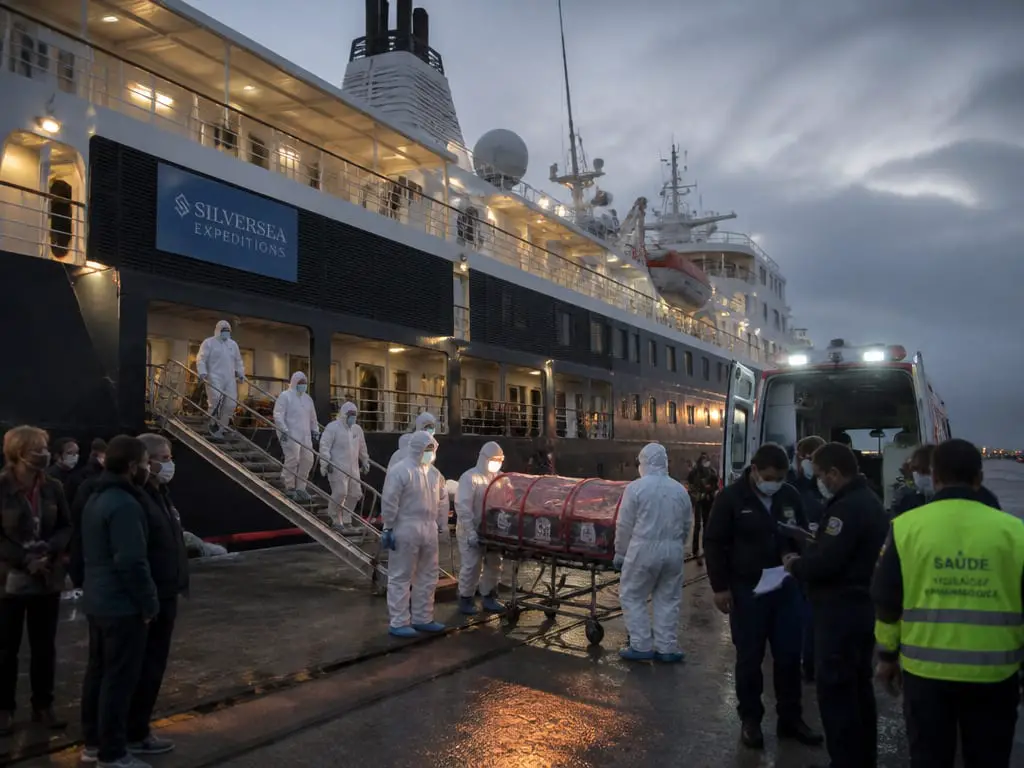
Once the patient is stabilized enough to be moved, the stretcher team takes over. Navigating a stretcher through a cruise ship is difficult. They may use specialized "service elevators" that are off-limits to passengers to reach the medical center quickly.
Phase 4: The Ship’s Medical Center
Modern ships in 2026 are equipped with sophisticated infirmaries. These facilities often include ICU-level beds, ventilators, X-ray machines, and lab equipment for blood analysis. The patient is moved here for ongoing monitoring while the Captain and the Chief Medical Officer (CMO) decide on the next course of action: treating the patient on board until the next port or arranging a medical evacuation (medevac).
Passenger Responsibilities: What to Do (and Not Do)
If you are on a cruise and hear an Alpha Team alert, your actions can directly impact the success of the emergency response. While it is natural to be curious or concerned, the crew requires cooperation to save a life.
- Clear the Area: If the alert is for the room or deck where you are currently located, move away immediately. Do not linger to watch the medical team.
- Avoid the Elevators: One of the most critical rules is to stay out of the elevators near the emergency site. The Alpha Team often uses a "bypass key" to take control of an elevator, and having passengers inside slows down the transport of the patient.
- Do Not Record: In the age of social media, there is a temptation to film the event. This is not only a massive violation of the patient's privacy but can also lead to legal or disciplinary action by the cruise line. Most 2026 cruise contracts include specific clauses regarding the privacy of crew and passengers during medical emergencies.
- Remain Calm: An Alpha alert does not mean the ship is in danger. It is a localized medical event. Continue with your day, but remain observant of crew members who may be running or directing traffic.
Medical Facilities and Capabilities on Modern Cruise Ships
By 2026, the medical infrastructure on cruise ships has reached an unprecedented level of sophistication. While a ship is not a full-scale hospital, it functions as an advanced Urgent Care and Stabilization unit.
Telemedicine and Connectivity
A major development in 2026 is the integration of high-speed satellite internet (such as advanced Starlink constellations) with shoreside medical centers. Shipboard doctors can now share real-time telemetry, ultrasound images, and high-definition video feeds with specialists at major trauma centers in the U.S. or Europe. This "Tele-ICU" capability allows for expert consultation on complex cases that would have previously required an immediate medevac.
Professional Standards
Cruise lines today adhere to the guidelines set by the American College of Emergency Physicians (ACEP) Section for Cruise Ship Medicine. These guidelines mandate specific equipment, medication stocks, and staff certifications (such as ACLS - Advanced Cardiovascular Life Support). This ensures that a passenger experiencing a heart attack on a ship in the middle of the Atlantic receives a similar level of initial care as they would in a suburban emergency room.
Evacuation and Medevac Procedures
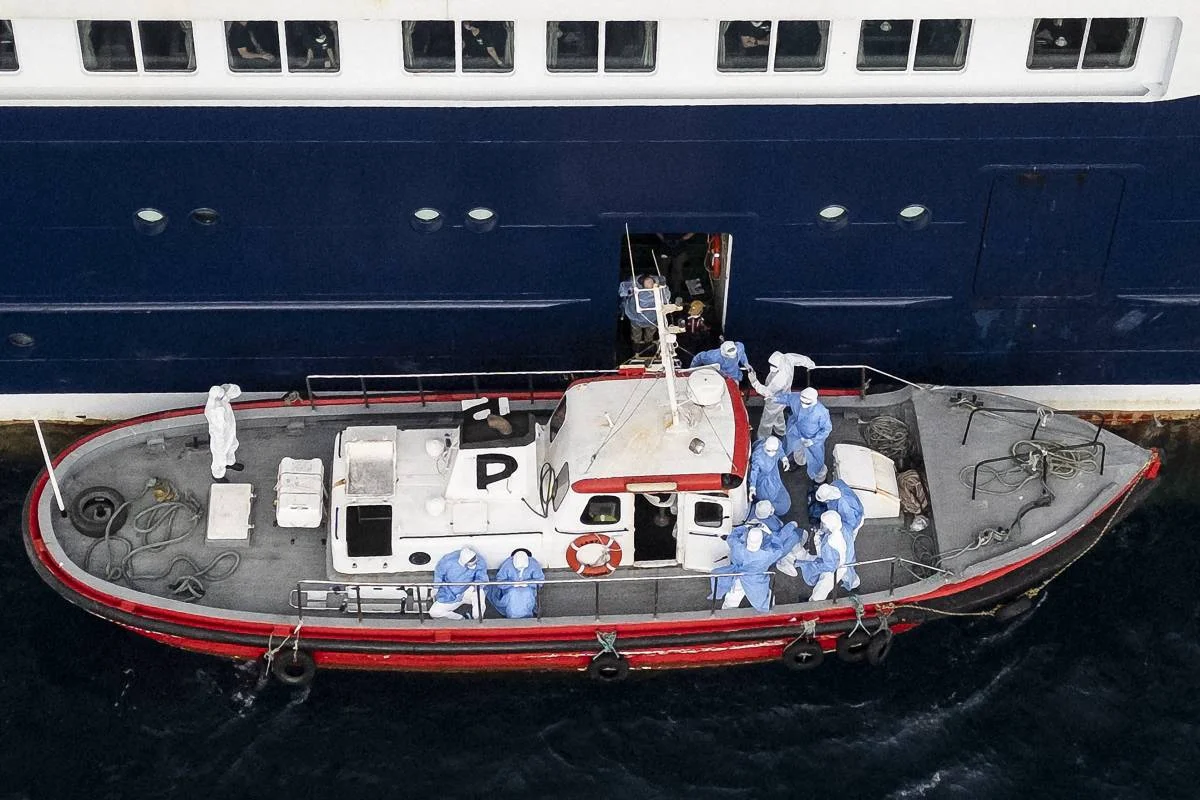
If the Chief Medical Officer determines that the patient’s condition is beyond the ship's capabilities, a medical evacuation is triggered. This is a high-stakes operation that involves coordination between the ship, the Coast Guard (of the nearest nation), and private air ambulance services.
Medevacs are usually performed via helicopter. The ship will often need to change course to get closer to land or to reach a position where the helicopter has the range to fly out, hover, and return. During a hoist operation, the "Alpha Team" remains with the patient until the very moment they are lifted into the aircraft. This process is extremely expensive, often exceeding $50,000 to $100,000, which is why cruise lines in 2026 continue to emphasize the importance of comprehensive travel insurance.
Travel Insurance and Medical Costs at Sea
It is a common misconception that medical care on a cruise ship is included in the fare. On the contrary, shipboard medical services are billed to the passenger's folio.
- Initial Consultation: A visit to the medical center or an in-cabin "Alpha" response can cost several hundred dollars.
- Procedures and Meds: X-rays, lab tests, and intravenous medications are billed at rates similar to private hospitals.
- Insurance Verification: Most standard domestic health insurance plans do not provide "out-of-network" or international coverage for maritime incidents. Passengers are usually required to pay their shipboard bill via credit card before disembarking and then seek reimbursement from their travel insurance provider.
Frequently Asked Questions
Does an "Alpha Team Alert" mean the ship is stopping?Not necessarily. The ship will only stop or divert if the Chief Medical Officer and the Captain determine that the patient needs immediate shoreside hospitalization. In many cases, the team stabilizes the patient in the ship’s medical center, and the vessel continues to its next scheduled port.
Can I visit a friend or family member in the medical center after an Alpha alert?Access to the medical center is strictly controlled. During the initial stabilization phase, visitors are usually kept in a waiting area. Once the patient is stable, the medical staff will allow family members to visit, but this is subject to the patient's condition and the doctor's discretion.
Is there a morgue on cruise ships if the Alpha Team cannot save the patient?Yes. All major cruise ships are required to carry body bags and have a dedicated morgue (usually a refrigerated room in the lower decks). In the unfortunate event of a death at sea, the ship works with local authorities and the passenger’s embassy to coordinate the repatriation of remains.
Why do they say "Alpha, Alpha, Alpha" three times?The three-fold repetition is a standard emergency protocol to ensure that the message is not mistaken for casual conversation or a partial transmission. It cuts through the noise and immediately alerts the crew that this is a "live" emergency requiring a priority response.
Are there Alpha Teams on small river cruises?River cruises have different protocols. Because they are almost always near land, they usually do not have a full "Alpha Team" or an onboard doctor. Instead, they call local emergency services (like 112 in Europe or 911 in the U.S.) to meet the ship at the nearest dock.
Practical Recommendation for Travelers
Before your next cruise, locate the emergency number provided on your in-cabin phone and save it into your mobile device. Additionally, ensure you have comprehensive travel insurance that specifically includes "emergency medical evacuation" coverage. If you witness a medical emergency on board, do not call out for help yourself; find the nearest crew member or use a house phone to report the exact location. This triggers the Alpha Team alert faster than any other method, ensuring that help arrives when it is needed most.