As of 2026, Ally Bank maintains a robust investment-grade credit profile, with major agencies like S&P Global, Moody’s, and Fitch typically assigning ratings in the BBB/Baa3 range. For consumers, Ally also provides free access to FICO® Scores, specifically the FICO® Bankcard Score 8 based on Experian data, to help customers track their personal creditworthiness.
Understanding the Dual Nature of Ally Bank Credit Ratings
When discussing an "Ally Bank credit rating overview," it is essential to distinguish between two distinct but related concepts. The first is the corporate credit rating of Ally Financial Inc. (the parent company) and its primary subsidiary, Ally Bank. These ratings are issued by independent agencies to evaluate the institution's ability to meet its financial obligations. The second is the personal credit score service that Ally provides to its account holders.
For investors and large-scale depositors, corporate ratings serve as a barometer for institutional stability and risk. For the average retail customer, these ratings provide peace of mind that their financial partner is solvent, though it is worth noting that individual deposits remain protected by the Federal Deposit Insurance Corporation (FDIC) up to the legal limit of $250,000 per depositor, per ownership category.
Corporate Credit Ratings: How the Experts View Ally Financial
Ally Financial Inc. has spent the last decade strengthening its balance sheet, transitioning from its origins as GMAC (General Motors Acceptance Corporation) into a leading digital-only powerhouse. In 2026, the consensus among "The Big Three" rating agencies remains focused on Ally’s dominant position in the automotive finance sector and its growing retail deposit base.
S&P Global Ratings
S&P Global typically evaluates Ally Financial and Ally Bank based on its capital adequacy and business position. As of 2026, Ally maintains an investment-grade rating, often hovering around BBB-. This rating indicates that the bank has an adequate capacity to meet financial commitments, though it may be more susceptible to adverse economic conditions than higher-rated "A" or "AA" institutions. S&P often highlights Ally's strong "funding and liquidity" profile, driven by its massive online deposit platform which reduces reliance on volatile wholesale funding markets.
Moody’s Investors Service
Moody’s provides a different lens, often focusing on the specific risks associated with Ally's heavy concentration in auto lending. For 2026, Moody’s continues to assign a Baa3 rating to Ally’s senior unsecured debt. In the Moody’s hierarchy, "Baa" ratings are considered medium-grade and subject to moderate credit risk. They are the lowest tier of "investment grade." Moody’s analysts frequently point to Ally's "disciplined underwriting" and "significant digital scale" as factors that mitigate the inherent cyclicality of the used-car market.
Fitch Ratings
Fitch Ratings generally aligns with its peers, maintaining a BBB- rating for Ally. Fitch’s 2026 outlook emphasizes the bank's "earnings resilience" and "robust capital ratios." Fitch pays close attention to the Common Equity Tier 1 (CET1) ratio, a key regulatory metric that measures a bank's core equity capital against its total risk-weighted assets. Ally’s ability to maintain a CET1 ratio well above regulatory requirements is a primary driver of its stable rating.
The Significance of Investment-Grade Status
Maintaining an investment-grade rating (BBB-/Baa3 or higher) is a critical milestone for a financial institution like Ally. It allows the bank to:
- Lower Borrowing Costs: When Ally needs to issue debt to fund its operations or expand its lending, higher credit ratings result in lower interest rates, which eventually translates to more competitive rates for its customers.
- Attract Institutional Investors: Many pension funds and institutional portfolios are legally restricted from investing in "junk bonds" or speculative-grade debt. Ally’s investment-grade status ensures a steady flow of institutional capital.
- Consumer Confidence: While retail depositors are protected by the FDIC, an investment-grade rating serves as an independent third-party validation of the bank's management and long-term viability.
Ally’s Credit Tools for Customers: The FICO® Score Program
While corporate ratings measure the bank, Ally’s credit tools help customers measure themselves. Ally Bank has long been a proponent of financial transparency, offering a robust "Snapshot" of a customer’s credit health directly within the mobile app and online banking portal.
The Specific Score Provided
It is a common misconception that there is only one "credit score." In reality, there are dozens of versions. Ally provides the FICO® Bankcard Score 8, which is specifically calibrated for the credit card industry. This score is based on data provided by Experian, one of the three major national credit bureaus.
Why FICO® Score 8?
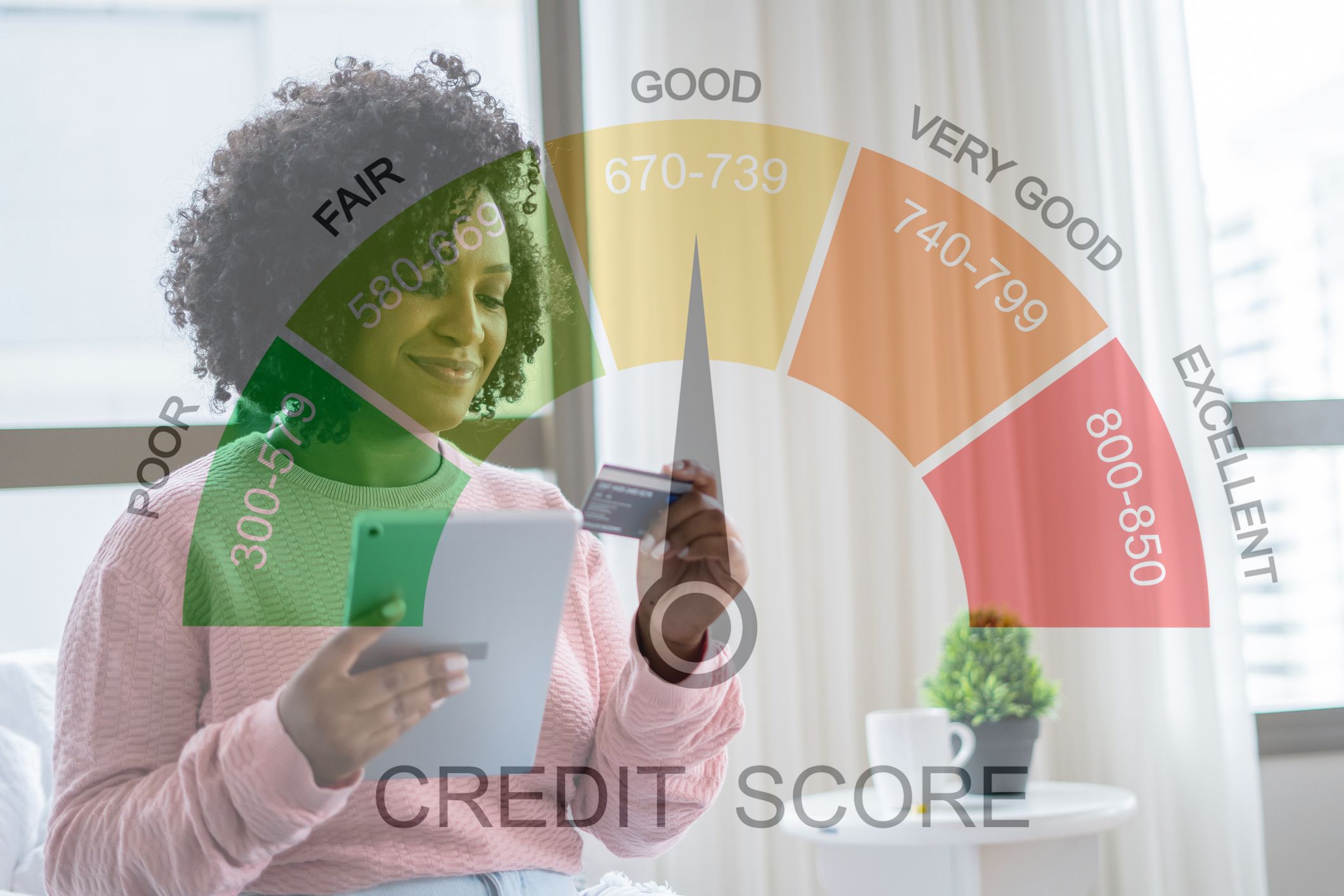
Most lenders in the United States—approximately 90%—use FICO® Scores when making lending decisions. By providing the Bankcard Score 8, Ally gives customers a look at the specific metric many lenders use when evaluating applications for new credit cards or line-of-credit increases.
Access and Frequency
Ally updates this score for its customers on a monthly basis. To access it, users simply log into their dashboard and navigate to the "Credit Score" section. This service is provided at no additional cost and is considered a "soft inquiry," meaning it does not impact the user’s credit score to view it.
Comparative Overview: Ally vs. Industry Peers (2026)
To understand where Ally fits in the broader financial landscape, it is helpful to compare its ratings and credit tools with other major digital and hybrid banks.
| Institution | S&P Corporate Rating | Customer Credit Tool | Credit Bureau Source |
|---|---|---|---|
| Ally Bank | BBB- (Stable) | FICO® Bankcard Score 8 | Experian |
| Capital One | BBB+ (Stable) | CreditWise (VantageScore 3.0) | TransUnion |
| Discover Bank | BBB+ (Stable) | FICO® Score 8 | TransUnion |
| American Express | A- (Stable) | FICO® Score 8 | Experian |
| Marcus by Goldman Sachs | A- (Stable) | No specific tool provided | N/A |
Note: Ratings represent 2026 estimates based on historical trajectories and current financial reporting. Individual ratings are subject to change by the respective agencies.
Deep Dive: Factors Influencing Ally’s Corporate Credit Rating
To truly understand an "overview" of Ally’s rating, one must look under the hood at the specific economic drivers that the rating agencies monitor.
1. Auto Loan Performance
Ally remains one of the largest auto lenders in the United States. Its credit rating is inextricably linked to the health of the automotive market. Agencies monitor the "delinquency rate" (the percentage of borrowers who are late on payments) and "net charge-offs" (debt that the bank believes it will never collect). In 2026, as vehicle prices have stabilized following the volatility of the early 2020s, Ally’s diversified portfolio—ranging from new car loans to used car financing and dealer floorplan lending—provides a balanced risk profile.
2. Deposit Growth and Retention
A bank’s rating is heavily influenced by how it funds itself. "Sticky" retail deposits are the gold standard. Because Ally is an online-only bank, it often offers higher Annual Percentage Yields (APYs) than traditional brick-and-mortar banks. Rating agencies view Ally’s ability to retain these deposits during periods of fluctuating interest rates as a sign of brand loyalty and operational strength.
3. Regulatory Compliance and Capital Buffers
Following the banking stresses of 2023, regulators and rating agencies have placed increased scrutiny on "unrealized losses" in bond portfolios and the adequacy of capital buffers. Ally has historically maintained a transparent and conservative approach to its securities portfolio, which supports its stable investment-grade ratings from S&P and Moody’s.
How to Use Ally’s Credit Tools to Improve Your Personal Rating
Understanding Ally's corporate rating is about safety; using Ally's customer tools is about strategy. If you are an Ally customer, you can leverage their credit overview features to build a stronger financial profile.
Monitoring the "Factors"
Ally doesn't just show you a number; it provides the "Top Factors Affecting Your Score." These usually include:
- Payment History: Whether you have paid your bills on time.
- Credit Utilization: How much of your available credit limit you are using.
- Length of Credit History: The age of your oldest and newest accounts.
- New Credit: How many times you have applied for credit recently.
Setting Up Alerts
In 2026, the Ally mobile app allows for automated alerts. If your FICO® Score drops by a certain number of points or if a new inquiry appears on your Experian report, Ally can notify you immediately. This is a vital tool for fraud detection and maintaining a high credit rating for when you need to apply for a mortgage or auto loan.
Common Misconceptions About Ally’s Credit Ratings
"If Ally’s corporate rating drops, my money is at risk." This is a misconception. For the vast majority of retail customers, the bank's corporate credit rating is secondary to FDIC insurance. Even if a bank’s credit rating were to fall to "junk" status, individual deposits up to $250,000 remain backed by the full faith and credit of the U.S. government.
"The score Ally shows me is the only score that exists." As mentioned, Ally provides the FICO® Bankcard Score 8. If you apply for a mortgage, the lender will likely use a different FICO® version (such as FICO® 2, 4, or 5). While the scores are usually similar, they are not identical.
"Checking my score on Ally will lower it." Ally uses a "soft pull" to retrieve your score. This has zero impact on your credit rating. Only "hard pulls" associated with a formal application for credit affect your score.
Frequently Asked Questions
Which credit bureau does Ally Bank use for corporate ratings?
Ally Bank does not "use" a bureau for its own ratings; rather, independent agencies like S&P Global, Moody's, and Fitch evaluate Ally's financial statements to issue ratings. For customer credit scores, Ally partners with Experian.
Is Ally Bank considered a "safe" bank in 2026?
Yes. With an investment-grade rating from all major agencies and robust FDIC insurance coverage for depositors, Ally Bank is considered a stable and safe financial institution. Its capital ratios consistently meet or exceed the requirements set by the Federal Reserve.
Why is my FICO® score on Ally different from the VantageScore on other apps?
FICO and VantageScore are two different companies using different mathematical models. FICO® is the industry standard for most lending, while VantageScore is commonly used by free credit monitoring sites. Additionally, Ally uses Experian data, while other apps might use TransUnion or Equifax data.
Can I see my full credit report through Ally Bank?
Ally provides your FICO® Score and a summary of the factors influencing it, but it does not typically provide a full, multi-page credit report. To see your full report from all three bureaus, you should visit AnnualCreditReport.com, which is the official site authorized by federal law.
Does Ally Bank offer a tool for businesses to check their credit?
Ally's primary free credit score tool is designed for individual retail consumers. Business entities seeking their credit profile would typically need to consult bureaus like Dun & Bradstreet or Experian Business.
Recommendations for Customers and Investors
If you are evaluating Ally Bank in 2026, your next steps depend on your goals:
- For Depositors: Focus less on the corporate credit rating and more on ensuring your total deposits at Ally do not exceed the $250,000 FDIC limit per ownership category. If you have more than $250,000, consider opening a joint account or using a different ownership structure to maximize coverage.
- For Borrowers: Use the FICO® Score tool in the Ally app to monitor your credit health for at least six months before applying for a major loan. Aim for a score above 740 to secure the most competitive rates.
- For Investors: Monitor the "Rating Outlook" provided by S&P and Moody's. A shift from "Stable" to "Positive" or "Negative" can be an early indicator of shifting financial health before a formal rating change occurs.
- For Credit Builders: If your score is lower than desired, pay close attention to the "Credit Utilization" factor in the Ally dashboard. Lowering your balance relative to your limit is often the fastest way to see a score increase.
By maintaining a transparent overview of both its own financial health and that of its customers, Ally Bank remains a pillar of the digital banking sector in 2026.