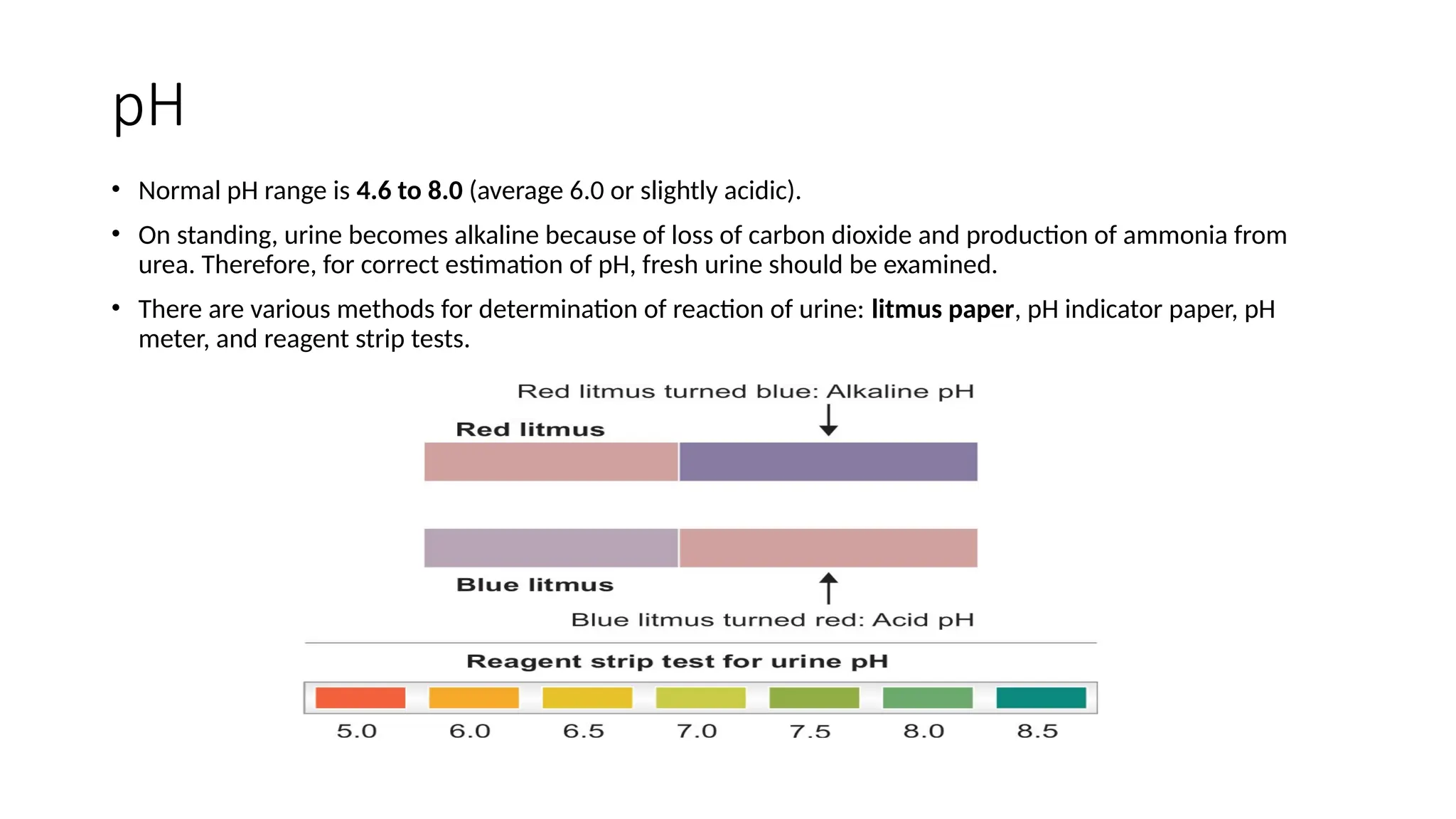
Alkaline urine pH occurs when your urine registers a value higher than 7.0 on the pH scale, typically ranging from 7.5 to 8.5. While often a harmless result of a plant-based diet, persistently alkaline urine can indicate underlying issues such as urinary tract infections, kidney stones, or metabolic disorders like renal tubular acidosis.
The Science of Urinary pH and Acid-Base Balance
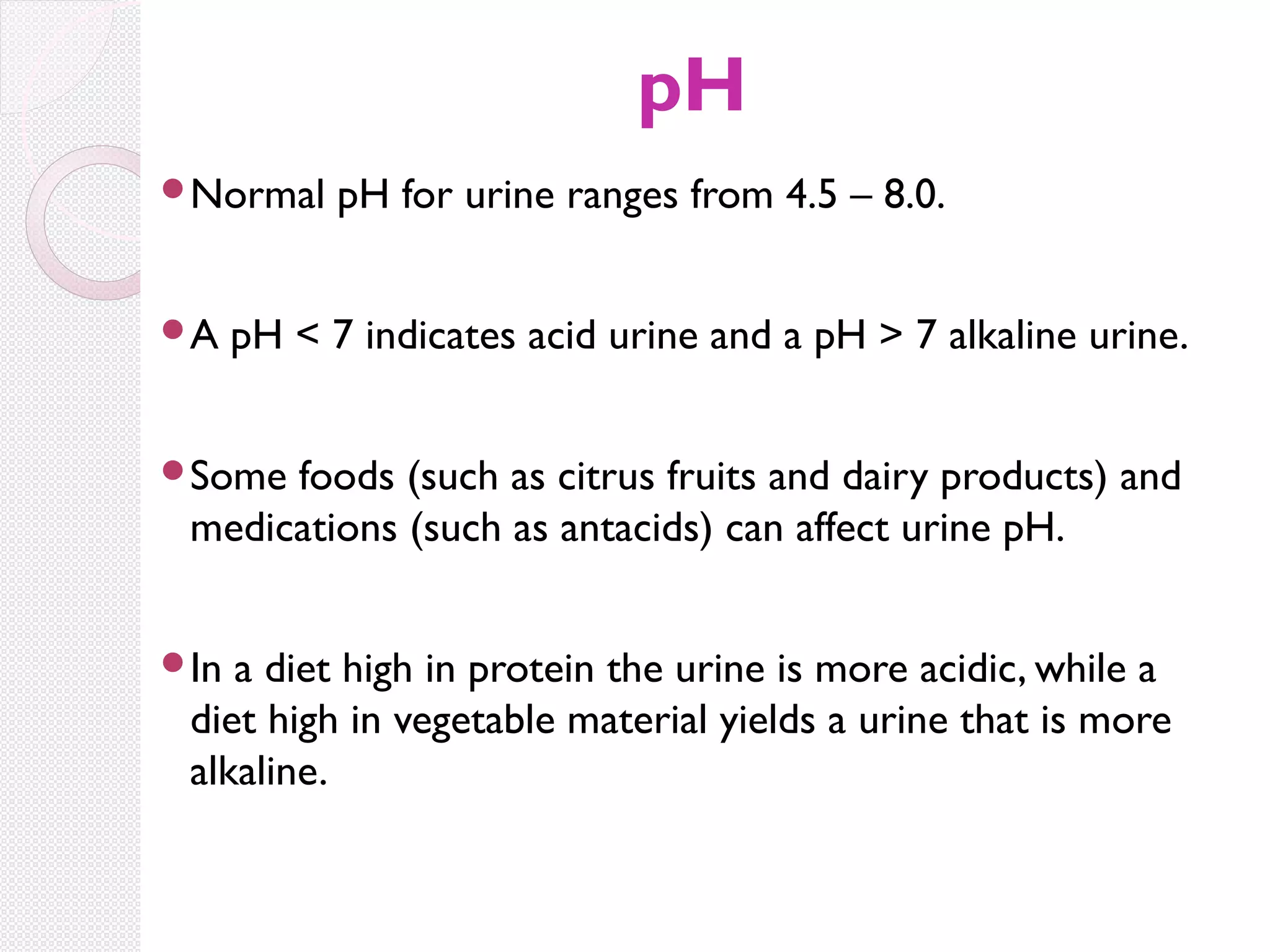
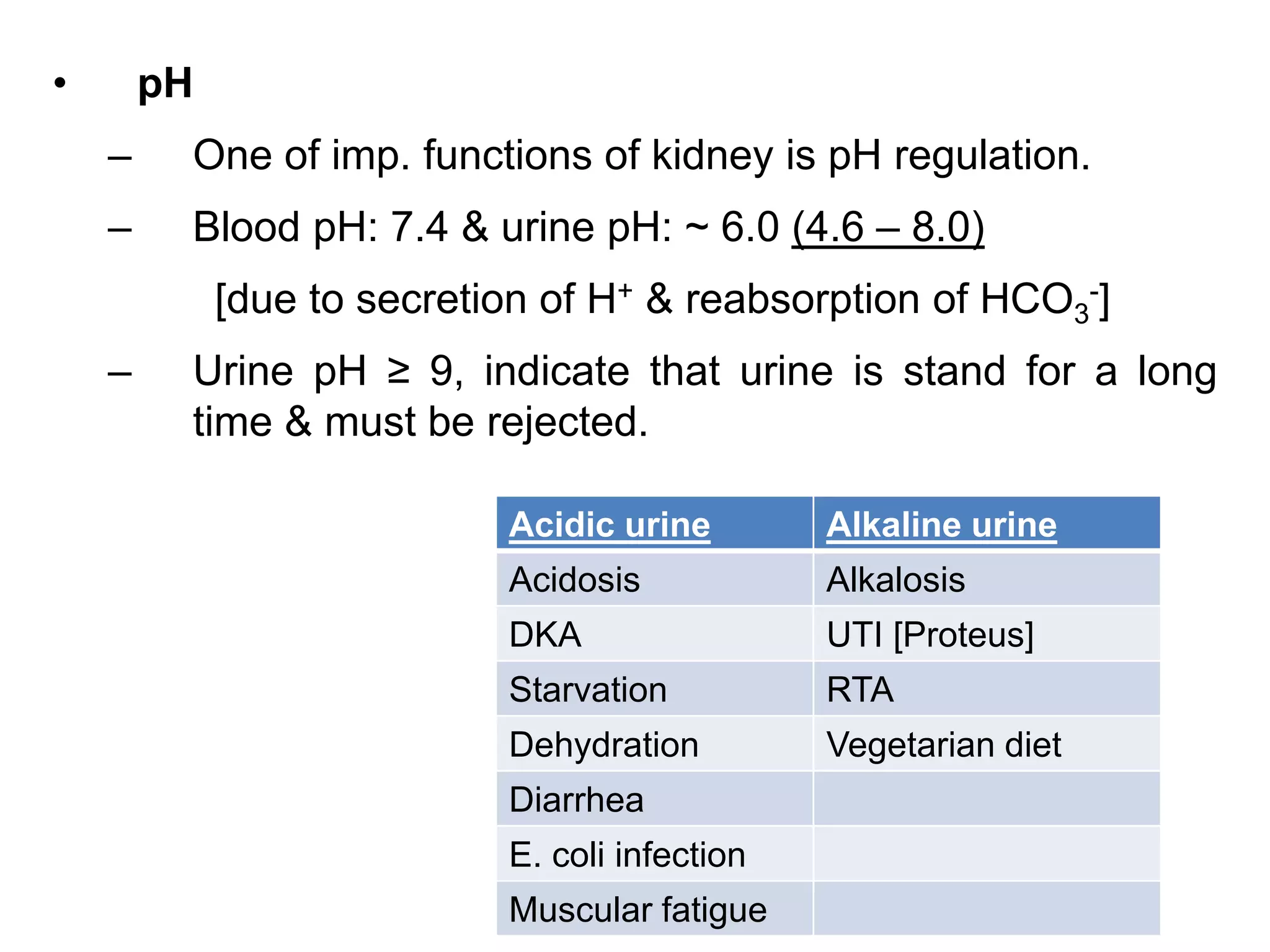
To understand alkaline urine, one must first understand the role of the kidneys in maintaining the body's delicate acid-base homeostasis. The pH scale ranges from 0 to 14, with 7.0 being neutral. Values below 7.0 are acidic, while those above 7.0 are alkaline (or basic). In a healthy individual, the kidneys work tirelessly to filter the blood and maintain a systemic pH of approximately 7.4.
The urine, however, serves as a "waste discharge" for excess acids or bases. Consequently, the normal range for urinary pH is much broader than that of blood, typically fluctuating between 4.5 and 8.0. While the average person maintains a slightly acidic urine pH of around 6.0, various physiological and external factors can push this value into the alkaline range.
In 2026, clinical standards continue to emphasize that a single alkaline reading is rarely a cause for alarm. Instead, medical professionals look for patterns. Persistent alkalinity—where the urine remains consistently above 7.5 across multiple tests—often warrants further investigation to rule out pathological conditions.
Common Causes of Alkaline Urine
The reasons for alkaline urine are diverse, ranging from lifestyle choices to complex physiological dysfunctions. Identifying the root cause is the first step in determining whether the alkalinity is a benign variation or a clinical concern.
Dietary Influence and the "Alkaline Tide"
Diet is the most common driver of urinary pH fluctuations. Foods are classified by the "ash" they leave behind after metabolism.
- Vegetarian and Vegan Diets: Diets rich in fruits, vegetables, and legumes produce an alkaline ash. Citrate and malate found in produce are metabolized into bicarbonate, which the kidneys excrete, raising the urine pH.
- The Post-Prandial Alkaline Tide: Immediately after a large meal, the stomach secretes hydrochloric acid to aid digestion. To balance this, the body releases bicarbonate into the bloodstream, which is eventually filtered by the kidneys. This can cause a temporary spike in urinary pH shortly after eating.
Urinary Tract Infections (UTIs)
Certain bacteria can actively alter the chemistry of your urine. This is perhaps the most clinically significant cause of highly alkaline urine (often pH 8.0 or higher).
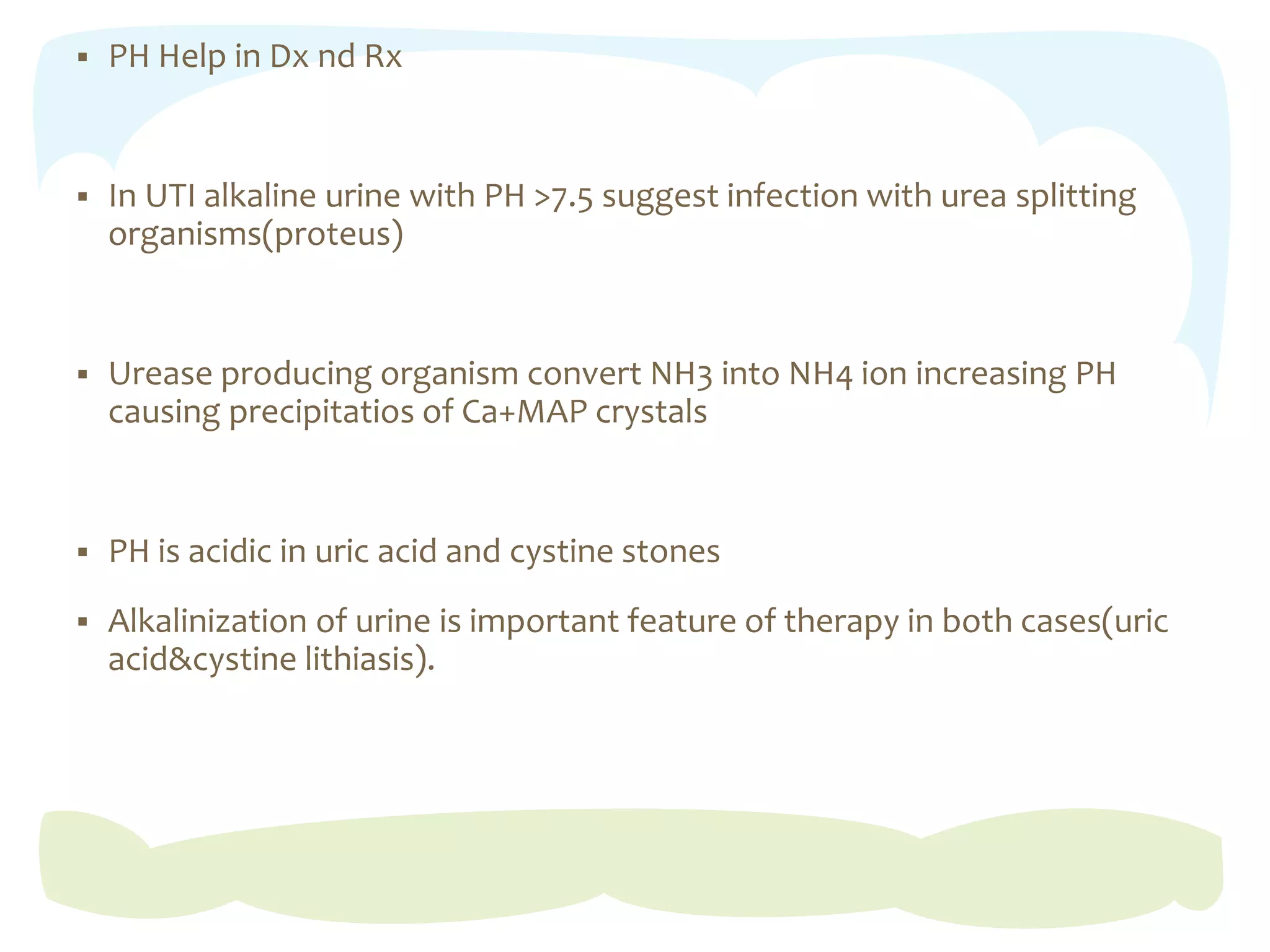
- Urease-Producing Bacteria: Organisms such as Proteus mirabilis, Klebsiella, and Pseudomonas produce an enzyme called urease. This enzyme breaks down urea—a primary component of urine—into ammonia and carbon dioxide.
- Chemical Reaction: Ammonia is highly basic. As it accumulates in the bladder, it neutralizes natural acids and drives the pH upward. This environment is not just a byproduct of the infection; it is a survival mechanism for the bacteria, as it facilitates the formation of protective biofilms and stones.
Medical Conditions: Renal Tubular Acidosis (RTA)
Renal Tubular Acidosis, specifically Type 1 (Distal RTA), is a condition where the kidneys fail to properly secrete hydrogen ions into the urine. Despite the blood being acidic (metabolic acidosis), the urine remains inappropriately alkaline (usually above 5.5 and often in the 7.0–8.0 range). If left untreated, this can lead to bone demineralization and chronic kidney disease.
Medications and Supplements
Several substances can intentionally or unintentionally raise urine pH:
- Acetazolamide: Used for glaucoma and altitude sickness, this medication inhibits carbonic anhydrase, leading to increased bicarbonate excretion.
- Sodium Bicarbonate or Potassium Citrate: Often prescribed to prevent certain types of kidney stones (like uric acid stones), these alkalinizing agents are intended to keep the urine pH elevated.
- Antacids: Excessive use of calcium carbonate or magnesium-based antacids can contribute to systemic alkalinity, which the kidneys then attempt to correct by excreting more base.
Health Implications and Complications
While alkaline urine is not a disease in itself, it creates a chemical environment that favors the development of specific complications, most notably kidney stones and reduced defense against bacteria.
The Formation of "Infection Stones" (Struvite)
One of the most serious risks associated with persistently alkaline urine is the formation of struvite stones, also known as "triple phosphate" stones (magnesium ammonium phosphate). These stones only form when the urine is alkaline and ammonia is present due to a urease-producing infection.
- Growth Rate: Struvite stones can grow rapidly and become quite large, often taking the shape of the kidney's drainage system (staghorn calculi).
- Obstruction: Because they grow so quickly, they can cause significant blockages and permanent kidney damage if not surgically removed and the underlying infection cleared.
Calcium Phosphate Stones
Calcium phosphate is less soluble in alkaline environments. When urine pH consistently exceeds 6.5 or 7.0, calcium and phosphate ions are more likely to bind together and crystallize. This is a common complication in patients with Type 1 RTA.
Impact on Antibiotic Efficacy
The pH of the urine can significantly influence how well certain medications work. For example, some antibiotics used to treat UTIs, such as nitrofurantoin, are much more effective in an acidic environment. Conversely, aminoglycosides may work better when the urine is alkaline. Managing the pH is sometimes a tactical part of treating recalcitrant infections.
Comparing Causes of Alkaline Urine pH
The following table summarizes the primary drivers of high urine pH and their typical clinical presentations as observed in 2026 diagnostic protocols.
| Cause | Typical pH Range | Key Indicators | Potential Risk |
|---|---|---|---|
| Vegetarian Diet | 7.0 – 7.5 | High intake of fruits/greens | Low; generally considered healthy |
| Proteus Infection | 8.0 – 9.0 | Presence of nitrites, leukocytes, and ammonia smell | High; Struvite (staghorn) stones |
| Distal RTA (Type 1) | 6.0 – 7.5 | Acidic blood (low serum HCO3), kidney stones | Medium; Bone loss, chronic kidney disease |
| Potassium Citrate | 6.5 – 7.5 | History of uric acid or oxalate stones | Controlled; Therapeutic use |
| Respiratory Alkalosis | 7.0 – 8.0 | Hyperventilation, low blood CO2 | Low; Usually transient |
Diagnosis and Testing Procedures
In 2026, measuring urine pH is a standard component of a routine urinalysis. However, because pH is highly volatile, the method of collection and timing are critical for accuracy.
Urinalysis Dipstick
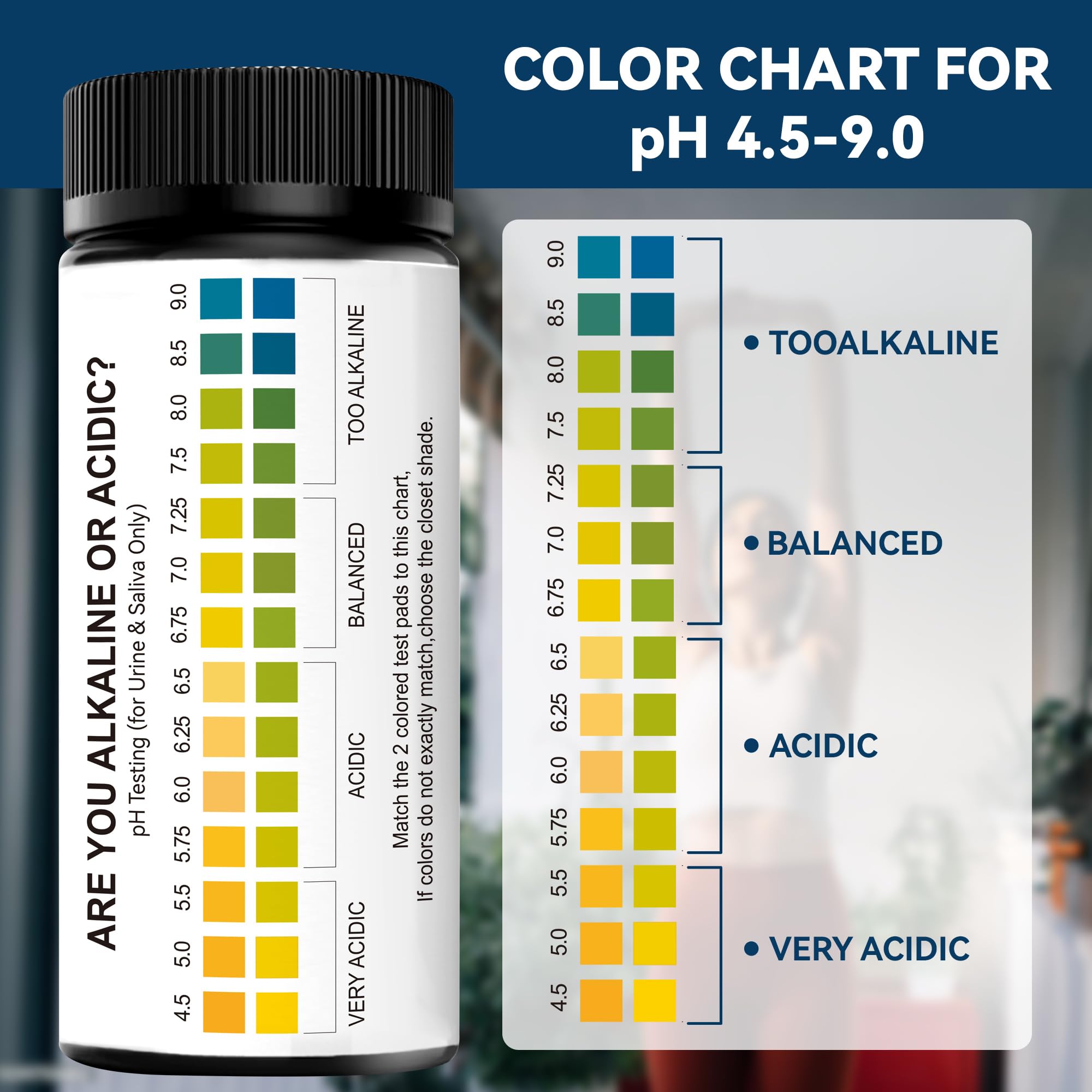
The most common method is the dipstick test, which uses pH-sensitive reagents that change color. While convenient, dipsticks can be inaccurate if the strip is "runny" (chemicals from one pad bleeding into the pH pad) or if the urine has been sitting at room temperature for too long. Bacteria can multiply in a sample at room temperature, producing ammonia and falsely elevating the pH.
24-Hour Urine Collection
For patients with recurrent kidney stones, doctors often order a 24-hour urine collection. This provides an average pH over a full day, neutralizing the "alkaline tide" effects of individual meals. This test also measures levels of calcium, oxalate, citrate, and uric acid, providing a complete "lithogenic profile" (stone-forming risk profile).
When to Seek Medical Advice
An alkaline pH reading should be discussed with a healthcare provider if it is accompanied by:
- Painful or frequent urination (potential UTI).
- Flank or back pain (potential kidney stones).
- Blood in the urine (hematuria).
- A persistent ammonia-like odor to the urine.
- Unexplained fatigue or bone pain (potential metabolic disorder).
Management and Treatment Strategies
Treatment for alkaline urine depends entirely on the underlying cause. It is rarely necessary to treat the pH itself; rather, the focus is on the condition driving the alkalinity.
Addressing Infections
If a urease-producing infection is identified, aggressive antibiotic therapy is required. In 2026, doctors often use culture-specific antibiotics to ensure the exact strain of bacteria is eradicated. If struvite stones are already present, surgery is often necessary because bacteria can "hide" inside the stone, leading to reinfection as soon as the antibiotic course ends.
Dietary Adjustments
If the alkalinity is causing calcium phosphate stones, a doctor might suggest a "low-ash" diet or specifically limiting certain alkaline-forming foods.
- To Lower pH (Acidify): Increasing intake of cranberries, plums, prunes, and high-protein foods (in moderation) can help lower urine pH. Cranberry juice, specifically, contains hippuric acid, which helps maintain a more acidic environment.
- Hydration: Regardless of the pH, increasing water intake is the most effective way to prevent the crystallization of minerals that leads to stones.
Medical Interventions for RTA
Patients with Renal Tubular Acidosis usually require lifelong supplementation with alkali (ironically) to correct the systemic blood acidity. While this doesn't "fix" the urine pH, it prevents the body from leaching calcium from the bones to buffer the blood, thereby reducing the risk of stones and fractures.
Frequently Asked Questions
Does alkaline urine mean I have a UTI?
Not necessarily. While a UTI caused by urease-producing bacteria like Proteus will almost always cause alkaline urine, a high pH can also be caused by a vegetarian diet, certain medications, or simply testing your urine shortly after a meal. A UTI diagnosis requires the presence of other markers like nitrites, leukocytes, or a positive bacterial culture.
Can I lower my urine pH naturally?
Yes. Diet is the most effective natural lever for changing urine pH. Consuming more "acid-forming" foods such as meats, grains, and certain fruits like cranberries can lower pH. However, you should only attempt to significantly alter your urine pH under medical supervision, especially if you have a history of kidney issues.
Is the "Alkaline Diet" beneficial for urine pH?
The "Alkaline Diet" is a popular health trend, but its name is somewhat misleading. While eating more vegetables (which results in alkaline urine) is generally healthy, the goal isn't necessarily to have alkaline urine. In fact, if you are prone to calcium phosphate stones, an alkaline diet might actually be counterproductive.
What is the relationship between alkaline urine and kidney stones?
Alkaline urine promotes the formation of calcium phosphate and struvite stones. Conversely, acidic urine (pH below 5.5) promotes the formation of uric acid and cystine stones. Therefore, the "ideal" urine pH depends on your specific health risks and stone history.
Can stress affect urine pH?
Indirectly, yes. Severe stress can lead to hyperventilation (respiratory alkalosis). When you breathe too fast, you exhale too much carbon dioxide. This reduces the acidity of your blood, and your kidneys respond by excreting bicarbonate, which raises your urine pH.
Final Recommendations
If you have discovered that your urine is alkaline through a home test or a routine doctor's visit, the first step is to look for a pattern. If the alkalinity persists and you are not following a strictly vegetarian diet, it is advisable to request a formal urinalysis and culture.
Monitoring your hydration is the most critical immediate action; aim for clear or pale yellow urine to minimize the risk of mineral crystallization. For those with a history of stones or metabolic issues, work closely with a urologist or nephrologist to determine if your urinary pH requires active management through medication or specific dietary shifts.
Professional Advice Limitation: This article is for informational purposes only and does not constitute medical advice, diagnosis, or treatment. Always seek the advice of a physician or other qualified health provider with any questions regarding a medical condition. The information reflects clinical understandings as of 2026.