Albuterol is generally considered safe and remains the preferred rescue inhaler for expectant mothers in 2026. While potential risks such as maternal tachycardia or rare developmental concerns exist, medical consensus emphasizes that the dangers of uncontrolled asthma—including fetal hypoxia—far outweigh the risks associated with standard albuterol use.
Managing asthma during pregnancy is a delicate balancing act that requires a clear understanding of medication safety profiles. For many expectant mothers, the mention of "medication risks" triggers immediate anxiety. However, when it comes to respiratory health, the priority is maintaining consistent oxygen saturation for both the mother and the developing fetus. Albuterol, a short-acting beta-agonist (SABA), has been a frontline treatment for decades, and its profile during pregnancy is well-documented by major health organizations.
The Role of Albuterol in Pregnancy Respiratory Care
Albuterol functions as a bronchodilator. It works by stimulating beta-2 adrenergic receptors in the smooth muscles of the airway. When these receptors are activated, the muscles relax, allowing the bronchial tubes to widen and air to flow more freely. In the context of pregnancy, this mechanism is vital because the mother’s respiratory system is already under significant physiological stress.
As the uterus expands, it pushes against the diaphragm, reducing the residual capacity of the lungs. Simultaneously, pregnancy hormones like progesterone increase the respiratory drive, often making mothers feel short of breath even without an underlying condition. For those with pre-existing asthma or exercise-induced bronchospasm, these changes can exacerbate symptoms. Albuterol provides the "rescue" relief needed to reverse acute bronchoconstriction quickly, typically within five to fifteen minutes.
Analyzing the Safety Profile: Is Albuterol Dangerous?
The safety of albuterol is categorized under the FDA’s Pregnancy and Lactation Labeling Rule (PLLR), which replaced the older letter-based categories (A, B, C, D, X). The current labeling provides a narrative summary of risks based on human and animal data.
Clinical Evidence and Human Studies
Most large-scale epidemiological studies have not found a consistent, significant link between inhaled albuterol and major congenital malformations. Because albuterol is inhaled, very little of the drug enters the systemic circulation of the mother, and even less reaches the fetus through the placenta.
However, some historical data, such as findings from the National Birth Defects Prevention Study, have suggested a slight increase in specific risks, such as gastroschisis (a hole in the abdominal wall) or certain heart defects, when SABAs are used extensively in the first trimester. It is critical to note that these studies often struggle to separate the effect of the medication from the effect of the underlying "severe asthma" that necessitated the frequent use of the medication. Most experts agree that the absolute risk remains very low.
The "Asthma Rule of Thirds"
Expectant mothers should be aware that pregnancy often changes the course of asthma. Generally:
- One-third of women see their asthma symptoms improve.
- One-third see no change.
- One-third experience a worsening of symptoms, particularly in the late second and early third trimesters.
Because of this unpredictability, having a reliable rescue inhaler like albuterol is considered a non-negotiable safety requirement for asthmatic patients.
Potential Risks and Side Effects for the Mother
While the fetus is the primary concern for many, the mother may experience direct side effects from albuterol. These are generally mild but can be amplified by the physiological changes of pregnancy.
Cardiovascular Stress
Albuterol can cause a temporary increase in heart rate (tachycardia) and palpitations. During pregnancy, a woman’s blood volume increases by nearly 50%, and her baseline heart rate is already elevated. The addition of a bronchodilator can make these sensations more pronounced. While usually harmless, it can be distressing for the mother.
Blood Sugar and Potassium Levels
In high doses (typically much higher than those used in standard inhalers), albuterol can cause a slight drop in blood potassium levels (hypokalemia) or an increase in blood glucose. For mothers with gestational diabetes, medical providers may monitor albuterol use more closely to ensure it does not interfere with blood sugar management.
Nervous System Effects
Expectant mothers may experience "the jitters" or fine tremors, particularly in the hands. This is a result of the medication’s stimulatory effect on the nervous system and the muscles. While uncomfortable, it does not typically pose a threat to the pregnancy.
Risks to Fetal Development and Labor
The primary concern regarding any medication during pregnancy is its impact on the developing baby and the timing of birth.
Tachycardia in the Fetus
Just as albuterol can raise the mother's heart rate, it can occasionally cross the placenta in small amounts and cause a temporary increase in the fetal heart rate. This is usually observed during reactive stress tests or ultrasounds and is generally not considered a cause for alarm unless it is persistent and coupled with other complications.
Interference with Labor (Tocolytic Effect)
Albuterol is chemically related to medications like terbutaline, which are sometimes used to slow down or stop preterm labor. In very high doses, beta-agonists can relax the uterine smooth muscle. There is a theoretical risk that heavy use of albuterol during the onset of labor could interfere with the strength or frequency of contractions. However, at standard inhaled doses, this effect is negligible and is not a reason to withhold the medication if the mother is struggling to breathe.
The Greater Risk: Uncontrolled Asthma
The most vital takeaway for any expectant mother is that uncontrolled asthma is significantly more dangerous than albuterol. When a mother has an asthma attack, her oxygen levels drop. This leads to a decrease in the oxygen available in her blood, which is the only source of oxygen for the fetus.
Chronic or acute hypoxia (low oxygen) in the fetus can lead to:
- Intrauterine Growth Restriction (IUGR): The baby may not grow at the expected rate.
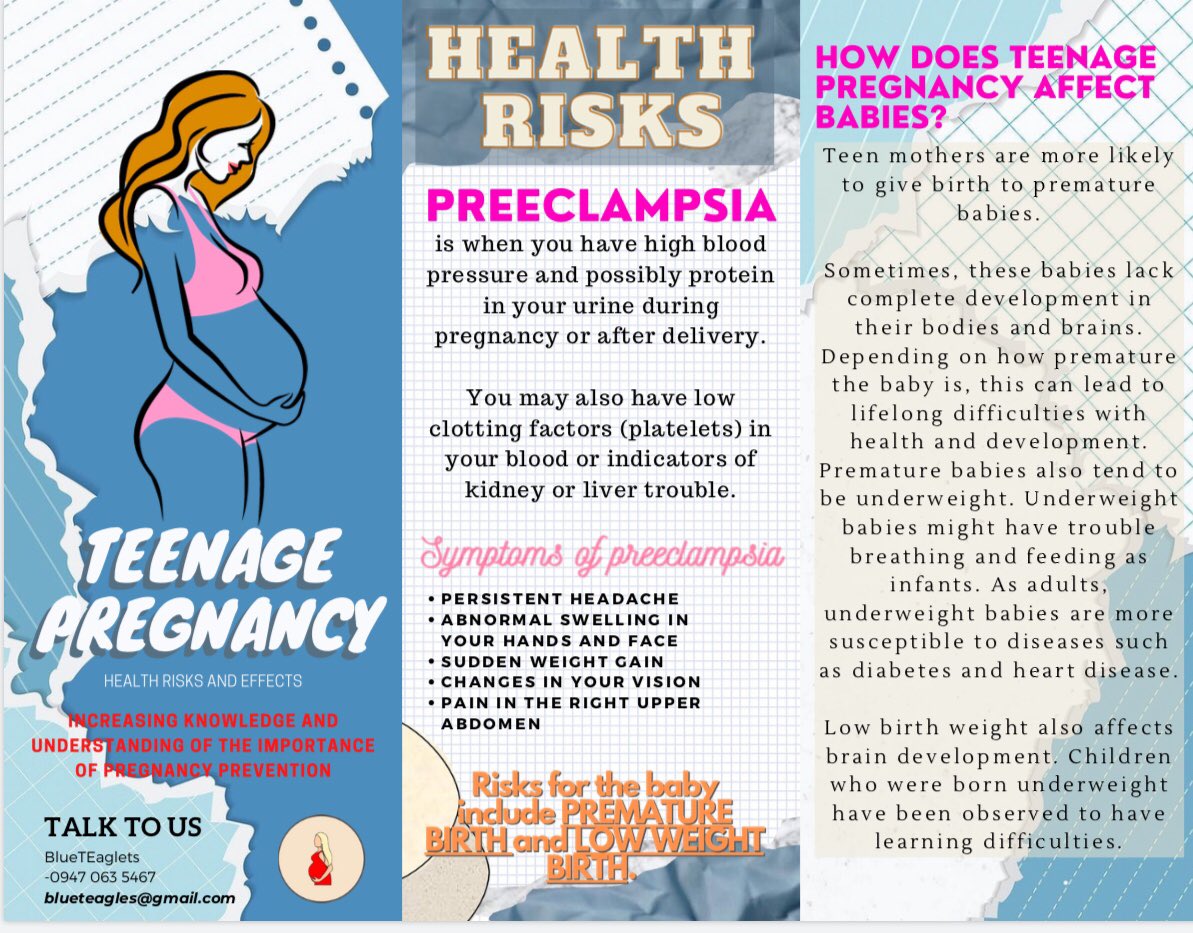
- Pre-eclampsia: A dangerous high blood pressure condition in the mother.
- Preterm Birth: Lack of oxygen can trigger the body to begin labor prematurely.
- Low Birth Weight: Babies born to mothers with poorly controlled asthma are statistically more likely to have lower birth weights.
Medical guidelines from the Global Initiative for Asthma (GINA) emphasize that it is "much safer for pregnant women with asthma to be treated with effective medications than to have asthma symptoms and exacerbations."
Management Strategies and Best Practices
To minimize risks while maximizing respiratory health, expectant mothers should follow a structured management plan.
1. Maintain a Written Asthma Action Plan
Work with an obstetrician and a pulmonologist (or allergist) to create a plan that dictates exactly when to use albuterol and when to seek emergency care. In 2026, many patients use digital health apps that sync with "smart inhalers" to track usage and alert doctors to worsening trends.
2. Prioritize Controller Medications
If you find yourself using your albuterol inhaler more than twice a week (excluding use before exercise), your asthma is not well-controlled. In these cases, doctors usually prescribe an Inhaled Corticosteroid (ICS) like budesonide. Budesonide has an extensive safety record in pregnancy and reduces the need for the "rescue" albuterol by treating the underlying inflammation.
3. Proper Inhaler Technique
Using a spacer device with your albuterol inhaler is highly recommended during pregnancy. A spacer ensures that more of the medication reaches the lungs and less stays in the mouth and throat. This maximizes the efficacy of each puff and minimizes the amount of drug that enters the systemic circulation.
Comparison of Common Asthma Medications in Pregnancy
| Medication Type | Common Names | Pregnancy Safety Context | Primary Function |
|---|---|---|---|
| Short-Acting Beta-Agonist (SABA) | Albuterol (ProAir, Ventolin) | Preferred rescue inhaler; high safety profile. | Rapid relief of acute symptoms. |
| Inhaled Corticosteroid (ICS) | Budesonide (Pulmicort) | Preferred controller; extensive safety data. | Long-term inflammation reduction. |
| Long-Acting Beta-Agonist (LABA) | Salmeterol | Generally safe when used with an ICS. | Long-term bronchodilation. |
| Leukotriene Modifiers | Montelukast (Singulair) | Usually continued if already effective before pregnancy. | Prevents allergic asthma triggers. |
| Oral Corticosteroids | Prednisone | Used only for severe exacerbations; small risk of cleft palate in 1st trimester. | Systemic anti-inflammatory for crises. |
Frequently Asked Questions
Can I use Albuterol in my first trimester?
Yes. While the first trimester is the most sensitive period for organ development, the risk of maternal hypoxia from an asthma attack is a much greater threat to the embryo than the use of inhaled albuterol. Always use the lowest effective dose to manage symptoms.
Does albuterol cause birth defects?
Current medical literature does not support a strong causal link between standard inhaled albuterol use and birth defects. While some studies have noted minor associations, these are often confounded by the severity of the mother's asthma. Most healthy babies are born to mothers who used albuterol as needed throughout pregnancy.
Is it safe to use albuterol while breastfeeding?
Yes. Albuterol is considered compatible with breastfeeding. Very small amounts may be excreted in breast milk, but the levels are so low they are unlikely to affect a nursing infant. It has been used for decades by breastfeeding mothers without significant reported adverse effects on infants.
How many puffs of albuterol are safe per day during pregnancy?
The "safe" number depends on your specific medical history, but generally, needing albuterol more than two days a week is a sign that your asthma is not controlled. If you are having an acute attack, follow your doctor's instructions—usually two puffs every four to six hours. If you need it more frequently than that, seek immediate medical attention.
Are there natural alternatives to albuterol during pregnancy?
While avoiding triggers (like dust, pet dander, or smoke) is essential, there is no "natural" substitute for a bronchodilator during an acute asthma attack. Breathing exercises like the Buteyko method can help with general respiratory wellness, but they cannot replace medication during a flare-up.
Next Steps for Expectant Mothers
If you are pregnant and use albuterol, your next step should be a dual consultation with your primary care provider and your OB-GYN. Ensure they are both aware of your asthma severity and your current medication usage.
Monitor your "Rule of Twos": If you use your rescue inhaler more than two times a week, wake up at night with asthma more than two times a month, or refill your rescue inhaler prescription more than two times a year, your asthma is likely uncontrolled. Discuss moving to a maintenance inhaler (like budesonide) to provide a more stable environment for your developing baby. Always carry your albuterol inhaler with you; the stress of being caught without it during a breathing struggle is a risk you do not need to take.
Disclaimer: This article is for informational purposes only and does not constitute medical advice. Always consult with a qualified healthcare provider regarding medication use during pregnancy.