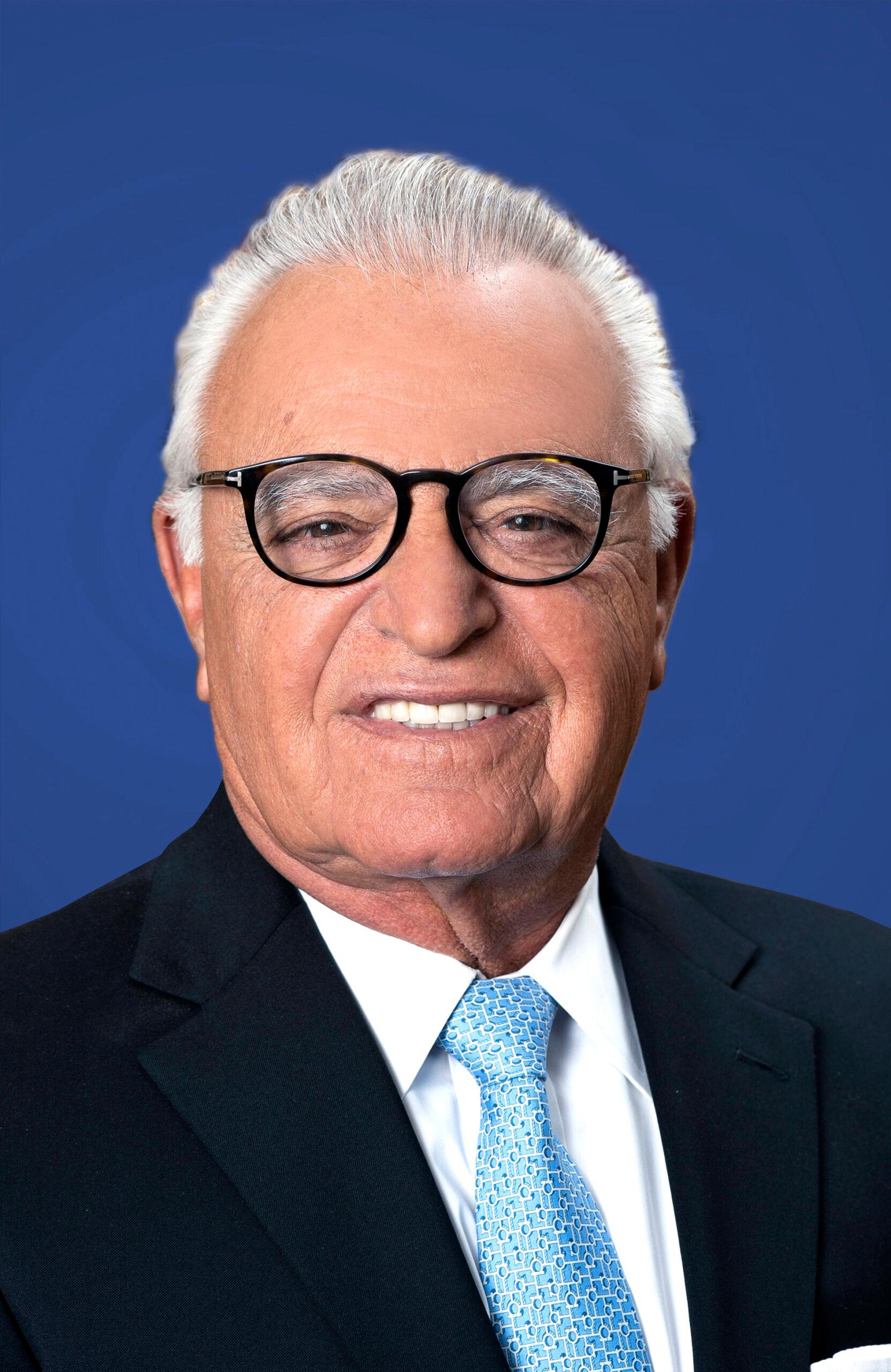
In 2026, the estimated net worth of Albert Gonzalez is effectively negative $171.5 million. While he once amassed millions in illicit cash and luxury assets during the mid-2000s, federal seizures and a massive court-ordered restitution mandate mean that any legal assets he currently possesses are subject to government collection to repay the victims of his cybercrimes.
The Paradox of Albert Gonzalez’s Wealth
To understand the net worth of Albert Gonzalez, one must distinguish between "criminal revenue" and "personal net worth." Between 2005 and 2008, Gonzalez led a cyber-syndicate that was responsible for the largest identity theft case in U.S. history. His operation, which targeted major retailers like TJX Companies and Heartland Payment Systems, resulted in the theft of over 170 million credit card and ATM numbers.
At the height of his criminal career, Gonzalez lived a life of extreme opulence. He reportedly threw a $75,000 birthday party for himself and complained about the physical burden of counting hundreds of thousands of dollars in cash. However, following his arrest in 2008 and subsequent sentencing in 2010, the U.S. government systematically dismantled his financial holdings. Today, his financial status is defined not by what he owns, but by the staggering debt he owes to the corporations and financial institutions he defrauded.
The Rise of "Soupnazi": Building a Shadow Empire
Albert Gonzalez did not begin as a master criminal; he started as a gifted but misguided teenager in Miami. Operating under the handle "Soupnazi," he became a prominent member of the ShadowCrew—an early underground marketplace for stolen data and identity documents.
The ShadowCrew Era
The ShadowCrew website was a precursor to modern darknet markets. It served as a hub for "carders" to trade stolen credit card information, counterfeit passports, and social security numbers. Gonzalez's role in this ecosystem was pivotal. He wasn't just a seller; he was a technical architect. His ability to navigate complex networks made him a valuable asset, and by his early 20s, he was already generating significant illicit income.
The Secret Service Informant Period
In 2003, Gonzalez was arrested by the U.S. Secret Service. Rather than facing immediate prosecution, he became a confidential informant. For several years, he lived a double life: by day, he assisted the government in taking down other hackers (including members of ShadowCrew); by night, he was masterminding "Operation Get Rich or Die Tryin’," a sophisticated hacking campaign that dwarfed his previous efforts. This period is crucial to his net worth narrative because he was receiving a government salary while simultaneously stealing millions of dollars through backdoors he failed to disclose to his handlers.
Quantifying the Theft: How Much Was Taken?
The financial impact of Gonzalez’s activities is often confused with his personal net worth. While the total damage to the global economy from his hacks is estimated to exceed $400 million, his personal take-home pay was a fraction of that, though still substantial for an individual.
Major Retail Breaches
Gonzalez and his crew utilized a technique called "wardriving"—cruising past retail locations with high-powered antennas to intercept data from unencrypted Wi-Fi networks. Once they gained access to a store’s network, they installed "sniffers" to capture data as it moved to the corporate servers.
- TJX Companies (2007): The most famous of his hits. Gonzalez and his team stole 45.7 million credit card numbers. The breach cost TJX an estimated $256 million in remediation, legal fees, and settlement costs.
- Heartland Payment Systems (2008): This was arguably the most sophisticated attack, involving the injection of malware into the company’s data processing center. Over 130 million records were compromised.
- Other Targets: Dave & Buster’s, OfficeMax, Boston Market, and Barnes & Noble were all victims of Gonzalez’s "Operation Get Rich or Die Tryin’."
Revenue vs. Profit
The "business model" involved selling batches of stolen card data to "dumps" vendors in Eastern Europe. These vendors would then sell the data to individuals who would create "cloned" cards for fraudulent purchases. Gonzalez typically received payments in digital currencies like e-gold or Liberty Reserve, which he then laundered into cash and hard assets.
Assets Seized: The Deconstruction of a Fortune
When the Secret Service finally closed in on Gonzalez in May 2008 at the National Hotel in Miami Beach, they didn't just find a hacker; they found a hoard of physical wealth. The subsequent investigation revealed how Gonzalez had attempted to shield his net worth from the law.
| Asset Type | Description | Estimated Value (at time of seizure) |
|---|---|---|
| Cash (Hidden) | Buried in a PVC pipe in his parents' backyard | $1,100,000 |
| Cash (On-hand) | Recovered from hotel rooms and residences | $500,000+ |
| Real Estate | Luxury condominium in Miami, Florida | $2,700,000 |
| Vehicles | BMW 335i and other luxury cars | $100,000+ |
| Jewelry | Rolex watches, Tiffany jewelry, and high-end electronics | $150,000+ |
| Digital Assets | Accounts in e-gold and Liberty Reserve | Undisclosed (Millions) |
The most dramatic moment in the financial investigation was the recovery of over $1.1 million in cash buried in a plastic container in his parents' backyard in Miami. This discovery highlighted the primitive nature of his "banking" system despite his high-tech crimes. All of these assets were forfeited to the U.S. government as part of his plea agreement.
The $171.5 Million Restitution Order
In 2010, Gonzalez was sentenced to two concurrent 20-year terms in federal prison. However, the legal system did not stop at incarceration. Under the Mandatory Victims Restitution Act, the court ordered Gonzalez to pay $171,515,488 in restitution to the companies he targeted.
What Restitution Means for Net Worth
In the United States, a federal restitution order is a lifelong financial shadow. It is not dischargeable through bankruptcy. As of 2026, this debt remains on his record. For an individual like Gonzalez, this means:
- Garnishment: A significant percentage of any legal income he earns—whether from a job, a book deal, or consulting—must be diverted to the government to pay down the balance.
- Asset Seizure: Any significant asset he acquires (homes, vehicles) can be seized by the Department of Justice to satisfy the judgment.
- Credit Impact: Such a massive debt makes it impossible to access traditional credit, loans, or mortgages.
Therefore, even if Gonzalez were to earn a high salary today, his net worth remains deeply in the red. He effectively works for his creditors until the $171.5 million is satisfied, which is statistically impossible for a single individual to achieve in one lifetime.
Life After Prison: Re-entering the Economy in 2026
Albert Gonzalez was released from federal custody in the early 2020s. By 2026, he has navigated the difficult transition from a maximum-security inmate to a citizen under supervised release. His ability to generate a "net worth" in the traditional sense is severely hampered by the terms of his release.
Career Limitations
Convicted cybercriminals of Gonzalez’s caliber often face "computer bans" or strict monitoring of their internet usage as part of their parole or supervised release. This creates a significant barrier to entering the cybersecurity industry—the one field where his skills are most valuable. While some former hackers find lucrative roles as "white hat" consultants, Gonzalez’s history as a double agent for the Secret Service makes him a high-risk hire for many corporations.
The "True Crime" Economy
In 2026, many high-profile former criminals attempt to monetize their stories through documentaries, memoirs, or speaking engagements. However, the "Son of Sam" laws in many jurisdictions, combined with the federal restitution order, ensure that any profits from such ventures go directly to his victims rather than his personal bank account. This prevents him from building a "true crime" fortune.
Comparing Financial Outcomes: Gonzalez vs. Other Hackers
To put Albert Gonzalez’s net worth into perspective, it is useful to compare him to other high-profile figures in the cybercrime world. Most individuals who reach this level of notoriety end up in one of two financial states: extreme debt or permanent exile.
- Kevin Mitnick: After serving his time, Mitnick successfully transitioned into a multimillion-dollar cybersecurity consulting career. However, his crimes were less about financial theft and more about social engineering, meaning he didn't face the same level of crushing restitution.
- Roman Seleznev: Another prolific carder, Seleznev was sentenced to 27 years and ordered to pay $169 million in restitution. Like Gonzalez, his net worth is effectively zero/negative for the remainder of his life.
- Max Butler (Max Vision): The operator of CardersMarket. His financial story mirrors Gonzalez’s—massive theoretical wealth during the crime spree, followed by total asset forfeiture and significant debt post-release.
Technical Methods That Fueled His Illegal Gains
The "worth" of Albert Gonzalez’s criminal enterprise was built on technical innovations that changed how the retail industry views security. Understanding these methods explains how he was able to move such massive amounts of data.
SQL Injection
Gonzalez was a master of SQL injection, a technique where malicious code is inserted into entry fields for execution. This allowed him to "speak" directly to a company's database and command it to dump its contents, including encrypted credit card numbers.
Packet Sniffing
Once inside a network, he used "sniffers"—software designed to capture data packets as they travel across a network. In the TJX case, the sniffer was placed on the internal network, capturing data from the point-of-sale (POS) systems before it could be encrypted for long-term storage.
The "Bulletproof" Infrastructure
To maintain his operation, Gonzalez utilized "bulletproof hosting" services in countries with lax cyber-laws. This ensured that even if one server was discovered, the entire network wouldn't collapse. This infrastructure cost money to maintain, which was one of his primary business expenses.
Financial Breakdown: The Final Tally
| Category | Financial Detail |
|---|---|
| Peak Criminal Income | Estimated $10M - $15M (unverified) |
| Seized Liquid Assets | ~$2.8M (Cash and Condo) |
| Total Restitution Owed | $171,515,488 |
| 2026 Estimated Net Worth | -$171,515,488 (Adjusted for minimal payments) |
Frequently Asked Questions
Does Albert Gonzalez still have hidden money?
While rumors persist that Gonzalez may have hidden cryptocurrency or cash in offshore accounts, there is no evidence to support this. The U.S. Secret Service conducted an exhaustive financial investigation. Given the $1.1 million found buried in his parents' yard, investigators believe most of his liquid wealth was recovered.
How does he make money in 2026?
Like many former federal inmates, he likely relies on standard employment or consulting work. However, any income he earns is subject to the Treasury Offset Program, where the government can take a portion of his wages and tax refunds to pay toward his restitution.
Why is his net worth considered negative?
Net worth is calculated as Assets minus Liabilities. Since Gonzalez’s liabilities (the $171.5 million court judgment) far outweigh any personal assets he could legally own, his net worth is mathematically negative.
Can Albert Gonzalez ever be wealthy again?
Under current U.S. law, it is virtually impossible. As long as the restitution order remains active, any significant wealth he accumulates will be seized to compensate the victims of the Heartland and TJX breaches.
Was Albert Gonzalez the richest hacker ever?
In terms of "cash on hand," he was certainly among the wealthiest during his peak. However, many contemporary ransomware groups (like those behind DarkSide or REvil) have extorted far larger sums in Bitcoin. Unlike Gonzalez, some of these actors remain at large, meaning their net worth remains intact.
Final Perspective: The High Cost of Cybercrime
The story of Albert Gonzalez serves as a cautionary tale about the reality of cybercriminal wealth. While the "Operation Get Rich or Die Tryin’" era provided a temporary life of luxury, the long-term financial outcome has been total insolvency. In 2026, Gonzalez stands as a man who once "owned" millions of identities but now owns nothing of his own. His legacy is not one of financial success, but of a record-breaking debt that serves as a permanent reminder of the scale of his crimes.
For those researching "Albert Gonzalez net worth," the most important takeaway is that in the eyes of the law and the global financial system, he remains one of the most "indebted" individuals in history. His current economic status is a direct reflection of the $400 million in damages he inflicted on the retail and banking sectors.