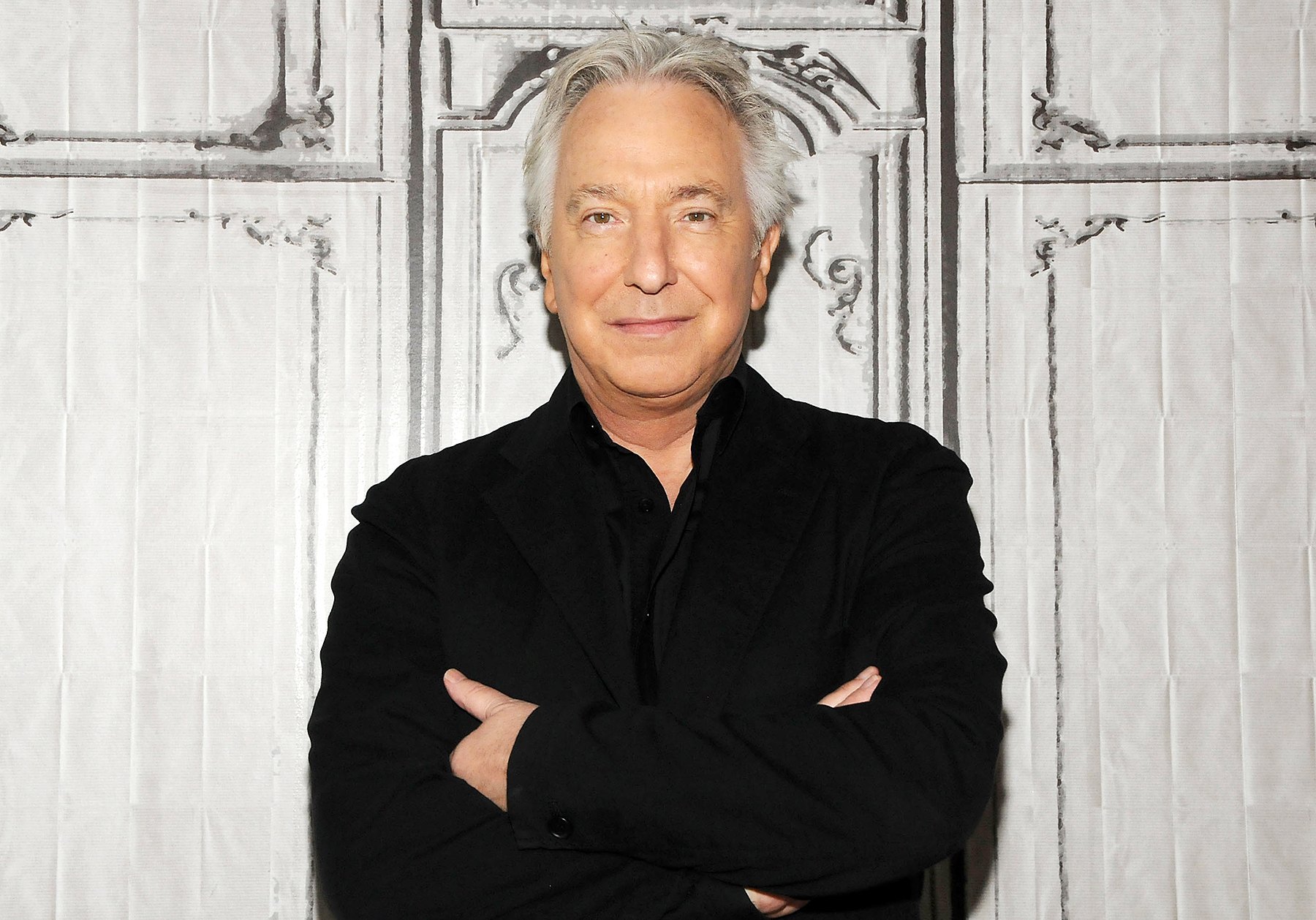
Alan Rickman died on January 14, 2016, at the age of 69 due to pancreatic cancer. His terminal illness was discovered following a minor stroke in August 2015. Rickman chose to keep his diagnosis private, sharing the gravity of his condition only with a small circle of family and close friends before his passing in London.
The Medical Reality: Understanding Pancreatic Cancer
To understand the reason behind Alan Rickman’s passing, one must look at the biological nature of the disease that claimed his life. Pancreatic cancer is often referred to in the medical community as a "silent killer" because it rarely produces symptoms in its early, more treatable stages. By the time a patient is diagnosed, the malignancy has often metastasized or reached an advanced stage that precludes surgical intervention.
The pancreas is a vital organ located behind the stomach, responsible for producing digestive enzymes and hormones like insulin. When cells in the pancreas begin to grow uncontrollably, they form a tumor. Because of the organ's deep location within the abdomen, these tumors are difficult to feel during routine physical examinations. Furthermore, symptoms such as jaundice, weight loss, or abdominal pain are often non-specific and can be mistaken for less severe ailments.
In Rickman's case, the diagnosis was incidental. This is a common occurrence with pancreatic malignancies, where the primary disease is only uncovered while investigating a seemingly unrelated medical event—in his instance, a stroke. By the time the cancer was identified in late 2015, it had reached a terminal stage. The aggressive nature of this specific cancer means that even with the best palliative care, the prognosis for late-stage patients remains exceptionally challenging.
The Timeline of Alan Rickman’s Illness
The sequence of events leading to Alan Rickman's death was remarkably swift, at least from the perspective of the public. While he had been dealing with health issues in the months leading up to January 2016, his professional demeanor and commitment to his craft meant that very few people outside his inner circle suspected he was unwell.
The August 2015 Stroke
The first major sign of a health crisis occurred in August 2015. Rickman suffered what was described as a minor stroke. While a stroke is a significant cardiovascular event involving an interruption of blood flow to the brain, it is not inherently linked to cancer. However, the diagnostic workup following the stroke involved comprehensive scans and blood tests. It was during this period of intensive medical scrutiny that doctors discovered the presence of pancreatic cancer.
The Private Battle (September 2015 – January 2016)
Upon receiving the diagnosis, Rickman decided to maintain his privacy. This decision was consistent with his lifelong approach to his personal affairs. Throughout the autumn of 2015, he continued to engage with his artistic projects to the extent his energy allowed. He was reportedly receiving treatment in London, but the primary focus shifted from curative efforts to managing his comfort and spending time with his wife, Rima Horton, whom he had married in a private ceremony in 2012 after decades of partnership.
Final Days and Passing
By early January 2016, his condition had deteriorated significantly. He passed away in a London hospital on January 14, 2016. The announcement of his death sent shockwaves through the global entertainment industry, as there had been no public indication that he was ill. His family’s brief statement confirmed that he died "surrounded by family and friends."
Insights from "Madly, Deeply: The Alan Rickman Diaries"
Much of what we now know about Rickman’s mindset during his final years comes from his personal diaries, which were published posthumously in 2022. These writings provide a poignant look at his health struggles, dating back even further than the 2015 diagnosis.
Rickman had previously faced a battle with prostate cancer in 2005, around the time he was filming Harry Potter and the Order of the Phoenix. He underwent surgery to remove his prostate in early 2006. His diaries reveal the physical toll of that earlier recovery and his deliberation over whether to continue playing the role of Severus Snape. He ultimately decided to stay, famously writing that the desire to see the story through "won out."
While the 2005 cancer was successfully treated, the diaries from late 2015 reflect a different tone. They describe the exhaustion and the medical appointments that dominated his final months. The publication of these diaries in the years following his death has allowed fans and historians to piece together the courage he displayed while facing a terminal prognosis, further cementing his reputation for stoicism and dedication to his work.
Why Alan Rickman Kept His Diagnosis Private
The decision to keep a terminal illness out of the tabloid press is a choice many public figures make to preserve their dignity and protect their loved ones from intrusive scrutiny. For Alan Rickman, this was not merely about secrecy but about maintaining a sense of normalcy in his final months.
- Professional Integrity: Rickman was known for his incredible work ethic. Had his diagnosis been public, it likely would have overshadowed his final performances and the promotion of his films, such as Eye in the Sky and Alice Through the Looking Glass.
- Protecting Loved Ones: By keeping the news within a small circle, he spared his family the burden of managing public grief while they were dealing with their own private pain.
- Averting Distraction: Those who worked with him often noted that he did not want to be treated with "kid gloves" or pity. He preferred to be judged by his talent and his contributions to the theater and film, rather than his medical status.
This privacy resulted in a collective sense of grief that was particularly intense when the news broke. For many, it felt as though a constant presence in the cinematic world had vanished overnight without warning.
Key Facts Regarding Alan Rickman’s Life and Death
| Category | Detail |
|---|---|
| Full Name | Alan Sidney Patrick Rickman |
| Date of Birth | February 21, 1946 |
| Date of Death | January 14, 2016 |
| Primary Cause of Death | Pancreatic Cancer |
| Initial Health Event | Minor Stroke (August 2015) |
| Place of Death | London, United Kingdom |
| Age at Death | 69 Years Old |
| Spouse | Rima Horton (married 2012) |
| Notable Final Work | Eye in the Sky (2015), Alice Through the Looking Glass (2016) |
The Impact on the Film Industry and Fans
The death of Alan Rickman was a watershed moment for the British film industry. As an actor who moved seamlessly between the Royal Shakespeare Company and Hollywood blockbusters, his range was nearly unparalleled.
The "Snape" Legacy
To a younger generation, Rickman was synonymous with Severus Snape. His portrayal of the complex, brooding Potions Master in the Harry Potter series (2001–2011) was one of the most celebrated performances in modern cinema. J.K. Rowling, the author of the series, shared her profound sadness upon his passing, noting that he was a "magnificent actor and a wonderful man." Fans famously gathered at Platform 9¾ at King's Cross Station in London to leave tributes, often including lilies (a reference to his character's enduring love for Lily Potter).
The Villain and the Hero
Before Snape, Rickman had already carved out a niche as one of cinema’s greatest villains, starting with his breakout role as Hans Gruber in Die Hard (1988). However, he often expressed a desire to move beyond being "the bad guy." His roles in Truly, Madly, Deeply (1990) and as Colonel Brandon in Sense and Sensibility (1995) demonstrated his capacity for deep romanticism and vulnerability.
The loss was felt by his peers as much as his fans. Sir Ian McKellen, Emma Thompson, and Daniel Radcliffe all released moving tributes, highlighting his generosity as a mentor and his sharp, dry wit. Radcliffe, in particular, noted that Rickman was one of the first adults on the Harry Potter set to treat the child actors as peers rather than just children.
Medical Advocacy and Awareness in His Wake
While Rickman himself was private, his death contributed to a global conversation regarding pancreatic cancer awareness. Because the disease is so difficult to detect, health organizations often use the stories of high-profile individuals to educate the public on the importance of early screening and the need for more research funding.
Pancreatic cancer remains one of the least funded of the major cancers relative to its mortality rate. Since 2016, various foundations, such as Pancreatic Cancer UK and the Pancreatic Cancer Action Network (PanCAN), have seen spikes in donations and inquiries following the anniversaries of his passing. The goal of these organizations is to increase the five-year survival rate, which historically has hovered in the low double digits.
Researchers emphasize that if you have a family history of the disease or experience persistent digestive issues that cannot be explained, you should seek medical advice. While the stroke was the catalyst for Rickman's diagnosis, it is a reminder that regular check-ups and paying attention to subtle body changes are the only defenses against such an aggressive illness.
Frequently Asked Questions
Did Alan Rickman die from a stroke?
While Alan Rickman suffered a minor stroke in August 2015, it was not the ultimate cause of his death. The stroke led to the medical tests that uncovered his terminal pancreatic cancer. He passed away from the complications of the cancer five months later.
How long did Alan Rickman know he was sick?
Rickman was aware of his terminal diagnosis for approximately five months. He was diagnosed in August 2015 and died in January 2016. He chose to keep this information restricted to a very small group of confidants.
What was Alan Rickman's last movie role?
His final on-screen appearance was in the thriller Eye in the Sky (2015), where he played Lieutenant General Frank Benson. His final credited film work was providing the voice for Absolem the Caterpillar in Alice Through the Looking Glass, which was released posthumously in May 2016.
At what age did Alan Rickman pass away?
Alan Rickman was 69 years old when he died. He was just weeks away from his 70th birthday, which would have been on February 21, 2016.
Is there a biography that covers his health in detail?
The most authoritative source on his personal thoughts during his illness is Madly, Deeply: The Alan Rickman Diaries, published in 2022. It contains his own handwritten entries and provides a first-hand account of his medical experiences and his reflections on life and acting.
Final Recommendation
For those moved by Alan Rickman's story, the most meaningful next step is to support organizations dedicated to early detection of pancreatic cancer. Increasing funding for research into biomarkers can help doctors catch this "silent" disease before it reaches the terminal stage seen in Rickman's case. Furthermore, revisiting his extensive body of work—from his early theater recordings to his final cinematic roles—serves as a tribute to an artist who continued to create until the very end.
For more information on the symptoms and risks of pancreatic cancer, you can visit the Pancreatic Cancer UK official site or the American Cancer Society.