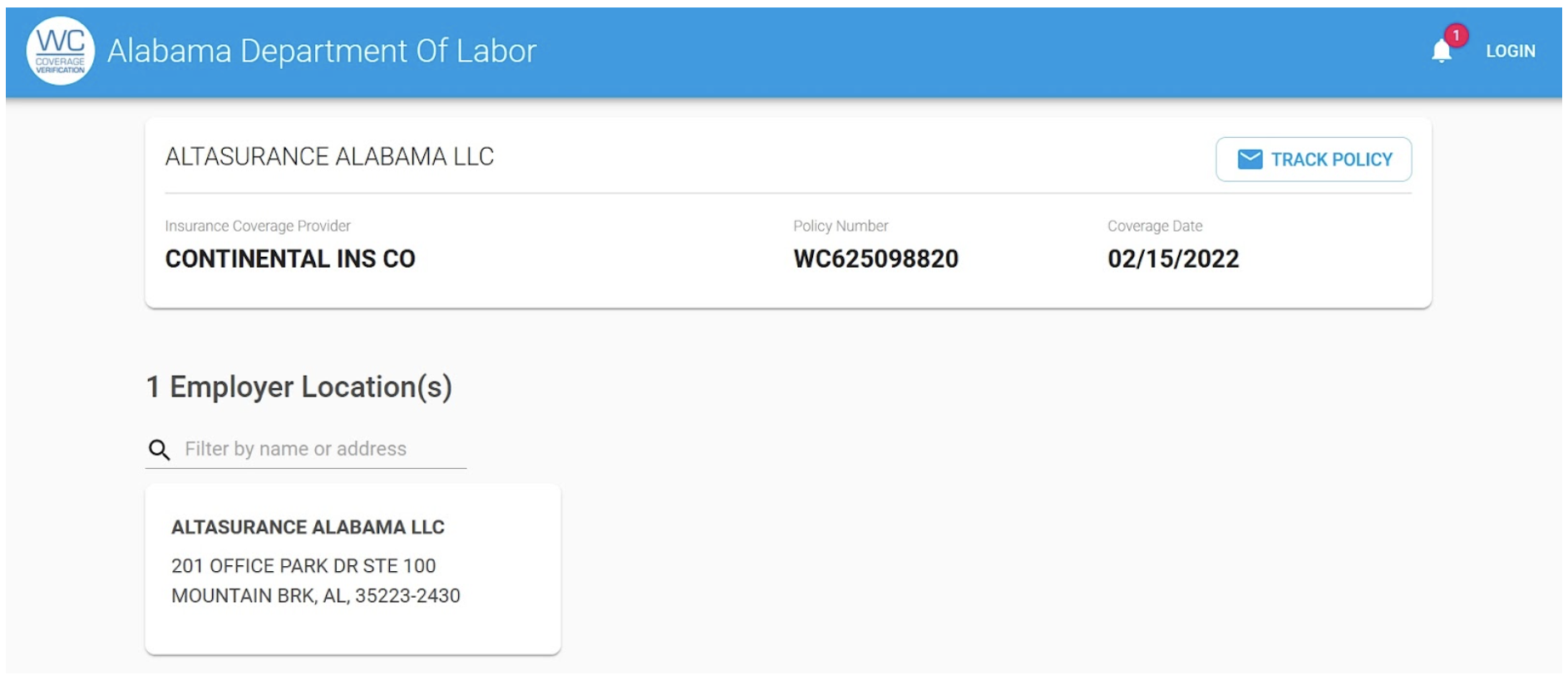
Navigating the Alabama workers compensation insurance plan requires employers to understand mandatory coverage thresholds, state regulations through the Alabama Department of Labor, and alternative risk options such as self-insurance or the assigned risk pool for businesses that cannot secure coverage in the voluntary market.
Introduction to Alabama Workers’ Compensation Laws
Workers' compensation is a vital form of business insurance designed to provide wage replacement and medical benefits to employees injured on the job. In exchange for these guaranteed benefits, employees forfeit the right to sue their employer for negligence in most standard workplace injury scenarios.
Operating a business in Alabama requires strict adherence to state labor laws. The regulatory framework governs who must carry coverage, how claims are handled, and what penalties apply to non-compliant employers. Understanding these parameters protects both the financial stability of the enterprise and the physical well-being of the workforce.
Employer Coverage Requirements and Thresholds
Not every business in Alabama is legally required to purchase a workers’ compensation policy, but the threshold for mandatory coverage is lower than many owners anticipate. Under the Alabama Workers' Compensation Act, any individual, firm, association, or corporation—including the legal representatives of a deceased employer—that regularly employs five or more employees must provide coverage.
Key Details on Employee Counts
- Part-Time and Full-Time: Both part-time and full-time workers count toward the five-employee threshold.
- Corporate Officers: Corporate officers are generally counted as employees unless they formally elect to be excluded from coverage by submitting the appropriate documentation to the state.
- LLC Members and Sole Proprietors: Sole proprietors and partners are not automatically counted as employees, but they can choose to cover themselves. Members of a Limited Liability Company (LLC) are treated similarly to corporate officers and partners depending on how the LLC is structured.
- Exemptions: Certain categories of workers, such as farm laborers, domestic servants in private homes, and casual employees whose employment is not in the usual course of the trade or business, are typically exempt from mandatory coverage requirements.
Understanding the Alabama Workers’ Compensation Insurance Plan (Assigned Risk Pool)
When private insurance carriers decline to write a policy for a business due to high-risk factors, poor loss history, or being a newly established enterprise, the employer must look toward alternative mechanisms. This is where the Alabama Workers’ Compensation Insurance Plan—often referred to as the assigned risk pool—comes into play.
The assigned risk pool acts as a safety net of last resort. It ensures that every legitimate employer who is unable to secure coverage in the voluntary open market can obtain mandatory insurance.
How the Assigned Risk Pool Functions
- Application Process: An employer works with a licensed insurance agent to apply for coverage through the designated plan administrator.
- Assignment: The plan equitably assigns the high-risk employer to a servicing carrier authorized to write policies in Alabama.
- Pricing: Premiums in the assigned risk pool are typically higher than those in the voluntary market because they reflect the elevated statistical risk associated with the pool's participants.
- Depopulation and Migration: Businesses that maintain safe workplaces and reduce claim frequencies over time can eventually transition out of the assigned risk pool and secure voluntary market policies at more competitive rates.
Types of Benefits Provided Under Alabama Plans
When an employee suffers a workplace injury or contracts an occupational disease, the workers' compensation plan provides specific statutory benefits. These benefits are categorized to address immediate medical needs and long-term financial impacts.
- Medical Benefits: Covers all necessary and reasonable medical treatments, hospital services, surgical procedures, prescription drugs, and medical equipment prescribed by an authorized treating physician. There is no time or monetary cap on medical benefits as long as they are directly related to the compensable injury.
- Temporary Total Disability (TTD): Paid when an employee is temporarily and completely unable to work due to the injury. The weekly benefit is typically calculated as two-thirds of the employee’s average weekly wage, subject to state-mandated maximums and minimums.
- Temporary Partial Disability (TPD): Provided when an employee can perform some work, but at a reduced wage or on a restricted schedule while recovering.
- Permanent Partial Disability (PPD): Awarded when an injury results in a permanent impairment or loss of use of a specific body part (scheduled injuries) or the body as a whole (unscheduled injuries).
- Permanent Total Disability (PTD): Granted if the injury leaves the worker permanently and totally incapable of engaging in gainful employment.
- Death Benefits: Provided to surviving dependents if a workplace injury results in the employee's death, covering funeral expenses and a portion of the deceased worker's average weekly wage.
Comparing Coverage Options in Alabama
Employers have several avenues to satisfy their legal obligations under the Alabama workers’ compensation system. Choosing the right path depends on company size, financial strength, and risk profile.
| Coverage Option | Description | Best Suited For |
|---|---|---|
| Voluntary Market Insurance | Standard policies purchased directly from licensed private insurance carriers. | Businesses with clean safety records, stable payrolls, and low loss histories. |
| Assigned Risk Pool | State-mandated pool ensuring coverage for businesses rejected by private insurers. | High-risk industries, new businesses with no loss history, or employers with multiple past claims. |
| Group Self-Insurance | Multiple employers in the same industry pool their resources and liabilities to self-insure. | Trade associations or large groups of similar businesses looking for cost control. |
| Individual Self-Insurance | A single large employer receives state approval to pay claims directly out of corporate assets, backed by securities or bonds. | Very large corporations with robust financial reserves and dedicated risk management teams. |
Penalties for Non-Compliance
Maintaining workers' compensation insurance is not optional for qualifying employers in Alabama. Operating without required coverage carries severe legal and financial repercussions.
- Stop-Work Orders: The Alabama Department of Labor can issue a stop-work order, shutting down business operations immediately until valid coverage is secured.
- Civil Penalties: Employers can face substantial daily financial fines for every day they operate without mandatory insurance coverage.
- Personal Liability: If an uninsured employer has a workplace injury occur, corporate officers, sole proprietors, or partners can be held personally liable for all medical bills, lost wages, and civil lawsuits brought by the injured employee, circumventing the standard liability shield of workers' compensation.
Frequently Asked Questions
Can an employer deduct the cost of workers' compensation insurance from an employee's paycheck?
No. Under Alabama law, workers' compensation insurance is exclusively an employer expense. Employers are strictly prohibited from deducting any portion of the premium or administrative costs from employee wages.
What should an employer do immediately following a workplace injury?
The employer must ensure the injured worker receives prompt medical attention. Following medical stabilization, the employer must document the incident and report the injury to their insurance carrier or claims administrator as soon as possible to initiate the formal claims process and comply with state reporting timelines.
Are independent contractors considered employees under Alabama workers' compensation law?
Classification depends heavily on the degree of control the hiring entity exerts over the worker. Simply labeling someone an "independent contractor via contract" does not exempt them. If state regulators or courts determine the worker functions as an employee, the employer may be held liable for coverage and retroactive penalties.
How are workers' compensation insurance premiums calculated?
Premiums are determined by multiplying the business's payroll (per $100 units) by the classification code rate assigned to the specific type of work performed, and then adjusting the final figure using an Experience Modification Rate (EMR) based on the company's past claim history.
Next Actions for Alabama Employers
Business owners operating in Alabama must verify their employee headcount annually to ensure compliance with the five-employee threshold. If your business requires coverage, consult with a licensed independent insurance agent to compare voluntary market options. Employers struggling to find coverage should review eligibility for the Alabama Workers’ Compensation Insurance Plan to avoid costly state penalties and secure necessary operational protection.