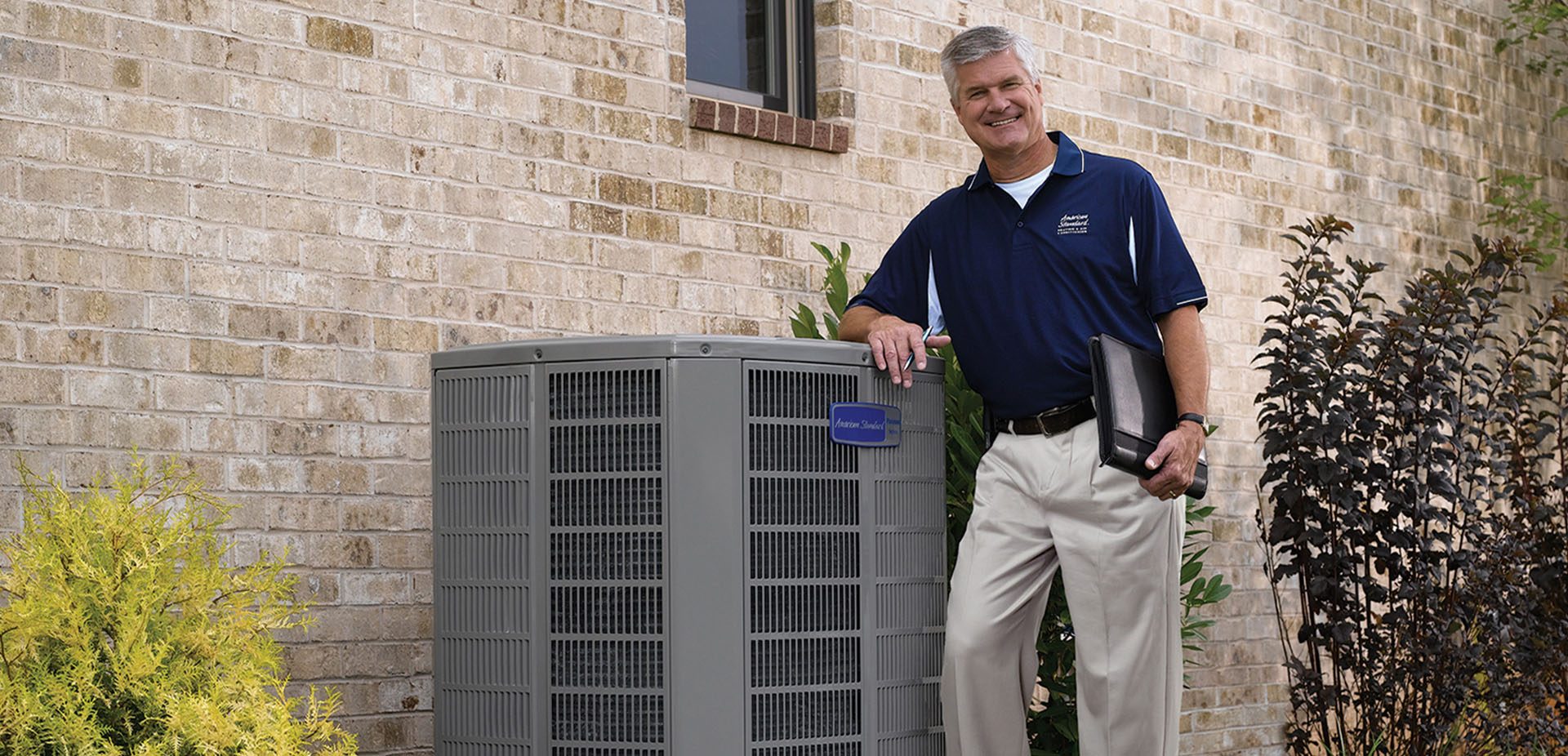
Air conditioning service companies provide specialized technical support for the installation, maintenance, and repair of HVAC (Heating, Ventilation, and Air Conditioning) systems. In 2026, these professionals are essential for maintaining indoor air quality and energy efficiency, ensuring that cooling units comply with modern environmental regulations regarding low-GWP (Global Warming Potential) refrigerants and SEER2 efficiency standards.
The landscape of residential and commercial cooling has undergone significant shifts over the last few years. Homeowners and facility managers no longer look for simple "fix-it" solutions; instead, they require sophisticated partners capable of managing smart, interconnected climate systems. Selecting the right air conditioning service company requires a detailed understanding of their technical capabilities, certification status, and their ability to handle the latest generation of sustainable cooling technology.
Essential Services Offered by Modern AC Companies
Air conditioning service companies typically categorize their offerings into three primary pillars: preventive maintenance, emergency repairs, and full-system installations or retrofits. Understanding these categories helps consumers determine which level of expertise is required for their specific needs.
Preventive Maintenance and Seasonal Tune-Ups
Preventive maintenance is the most critical service for extending the lifespan of an HVAC unit. In 2026, "tune-ups" have evolved beyond simple filter changes. A comprehensive maintenance visit now includes cleaning the evaporator and condenser coils, checking refrigerant levels (specifically ensuring no leaks of newer A2L refrigerants like R-454B), calibrating smart thermostats, and inspecting electrical connections.
Companies often offer annual service agreements. These contracts typically provide two visits per year—one in early spring to prep for the cooling season and one in autumn for heating. These programs are designed to catch minor issues, such as a failing capacitor or a clogged condensate drain line, before they lead to a total system shutdown during a heatwave.
Emergency Repair and Diagnostics
When a system fails, air conditioning service companies deploy diagnostic technicians to identify the root cause. Modern diagnostics involve more than just physical inspection; many technicians now use Bluetooth-enabled manifolds and probes that sync with mobile apps to provide real-time data on system pressures and temperatures.
Common repairs in 2026 involve replacing variable-speed blower motors, repairing leaks in high-pressure lines, or resolving communication errors between the outdoor unit and the indoor air handler. Reputable companies provide "upfront pricing" or "flat-rate" models, ensuring the customer knows the cost of the repair before the work begins, rather than charging an unpredictable hourly rate.
System Replacement and Manual J Calculations
When an old unit becomes too expensive to maintain—usually around the 12- to 15-year mark—service companies transition into the role of consultants. A high-quality company will perform a Manual J Load Calculation, a standard developed by the Air Conditioning Contractors of America (ACCA). This calculation considers the home's square footage, insulation levels, window orientation, and local climate to determine the exact size of the unit needed. Installing an oversized or undersized unit leads to short-cycling, high energy bills, and premature mechanical failure.
Verifying Credentials and Industry Standards
The HVAC industry is highly regulated to ensure safety and environmental protection. When vetting air conditioning service companies, verifying their credentials is the most effective way to separate professional organizations from unlicensed "handyman" operations.
NATE Certification
North American Technician Excellence (NATE) is the leading non-profit certification program for technicians in the HVAC industry. A NATE-certified technician has passed rigorous exams demonstrating their knowledge of real-world working conditions. In 2026, NATE certification remains the "gold standard" for technical proficiency. When a company employs NATE-certified staff, it indicates a commitment to getting the job done correctly the first time, reducing the likelihood of repeat service calls.
EPA Section 608 Certification
Under the Clean Air Act, all technicians who handle refrigerants must be certified by the Environmental Protection Agency (EPA). Specifically, Section 608 Certification is mandatory. This ensures that the technician knows how to safely recover, recycle, and dispose of refrigerants. With the 2026 focus on transitioning away from R-410A to lower-GWP alternatives, EPA certification is more critical than ever to ensure that these new, mildly flammable (A2L) refrigerants are handled according to strict safety protocols.
Licensing and Insurance
Every reputable air conditioning service company must carry two types of financial protection:
- General Liability Insurance: This protects the property owner if the technician accidentally causes damage to the home (e.g., a flooded ceiling from a backed-up condensate line).
- Workers’ Compensation: This protects the homeowner from being held liable if a technician is injured while working on the property.
Furthermore, state or municipal licensing requirements vary, but a valid mechanical contractor’s license is generally a prerequisite for pulling the necessary permits for new installations.
Navigating the 2026 Technology Landscape
The air conditioning industry is currently defined by a massive shift toward sustainability and intelligent automation. A competent service company must be fluent in several key technological areas that were less prevalent even five years ago.
The Shift to A2L Refrigerants
As of 2026, the industry has largely transitioned away from R-410A due to its high global warming potential. The new standards involve A2L refrigerants, such as R-32 and R-454B. While these are highly efficient, they are classified as "mildly flammable." This doesn't mean they are dangerous for homeowners, but it does mean that service companies must use specialized, non-sparking tools and specific recovery equipment. If a company does not mention these safety standards when discussing a new installation, it may be a sign they are not up to date with 2026 regulations.
SEER2 and Energy Efficiency
The Department of Energy (DOE) implemented the SEER2 (Seasonal Energy Efficiency Ratio 2) standards to more accurately reflect real-world operating conditions. In 2026, the minimum efficiency ratings for new installations are higher than they were in the early 2020s. Leading service companies help homeowners navigate these ratings to find the "sweet spot" where the higher upfront cost of a high-efficiency unit is offset by long-term energy savings and potential federal tax credits under modern climate legislation.
Smart HVAC and AI Diagnostics
Many air conditioning service companies now offer "connected" service models. Using Wi-Fi-enabled sensors, the company can monitor a client’s system remotely. If the sensors detect an abnormal temperature rise or a drop in airflow, the company is alerted before the homeowner even notices a problem. This predictive maintenance model is becoming a standard feature for premium service providers in 2026, significantly reducing the downtime associated with "break-fix" scenarios.
Comparing Service Models and Pricing
Not all air conditioning service companies operate under the same business model. Understanding these differences can help you align your budget with your expectations for service quality.
| Feature | Large National Franchises | Local Family-Owned Businesses | Sole Proprietors ("Chuck-in-a-Truck") |
|---|---|---|---|
| Availability | 24/7/365 coverage with large fleets. | Usually standard hours with emergency on-call. | Limited; often one person managing all calls. |
| Pricing | Often higher due to overhead and marketing. | Mid-range; competitive for the local market. | Lowest; minimal overhead costs. |
| Specialization | Generalists; high turnover of technicians. | High; deep knowledge of local housing stock. | Variable; depends on the individual's history. |
| Warranties | Robust, company-backed labor warranties. | Personable; often "handshake" or local reputation. | Rare; difficult to track down for follow-up. |
| Technology | Use of advanced CRM and remote monitoring. | Growing adoption of digital tools. | Mostly manual; paper invoices are common. |
Diagnostic Fees vs. Labor Rates
Most companies charge a "trip charge" or "diagnostic fee" ranging from $85 to $160 in 2026. This fee covers the time and fuel required to get the technician to the door and identify the problem. Once the problem is found, the company should provide a fixed quote for the repair. Avoid companies that charge purely by the hour without an estimate, as this provides no incentive for the technician to work efficiently.
How to Choose the Best Service Provider
Selecting a company should be a data-driven process. Before signing a contract or authorizing a major repair, follow these verification steps:
- Check Online Reviews and Local Ratings: Look for patterns in feedback rather than individual complaints. Do customers consistently mention punctuality and cleanliness? Are there repeated complaints about "upselling" unnecessary parts?
- Request a Detailed Proposal: For installations, a "quote" should be more than a single number on a business card. It should include the model numbers of the indoor and outdoor units, the SEER2 rating, the labor warranty duration, and any electrical or ductwork modifications included in the price.
- Verify Direct Employment: Some companies use subcontractors for installations. It is generally better to work with a company that employs its own technicians, as this ensures better quality control and clearer accountability if something goes wrong.
- Inquire About Parts Availability: In 2026, supply chain issues can still occasionally affect specific proprietary parts. Ask the company if they maintain a local warehouse of common replacement components for the brands they sell (e.g., Trane, Carrier, Lennox, or Daikin).
Troubleshooting Common AC Issues
Before calling an air conditioning service company, homeowners can perform a few basic checks. Many service calls result from simple issues that do not require a technician's expertise, saving the homeowner the cost of a diagnostic fee.
- The Thermostat Settings: It sounds simple, but ensure the thermostat is set to "Cool" and the fan is set to "Auto" or "On." If the screen is blank, the batteries may simply need replacement.
- Air Filters: A heavily soiled air filter restricts airflow, causing the indoor evaporator coil to freeze. If you see ice on the copper lines, turn the system off and replace the filter immediately.
- Circuit Breakers: High-demand periods in 2026 can sometimes trip a breaker. Check your electrical panel to ensure the "AC" or "HVAC" switch hasn't flipped to the "Off" or "Neutral" position.
- Condensate Drain Lines: If your system has a "float switch" on the drain pan, a clog in the pipe will trigger the switch and shut the system down to prevent water damage. Many homeowners can clear these with a wet/dry vacuum.
If these steps do not resolve the issue, it is time to contact a professional. Attempting to repair electrical components or refrigerant circuits without proper training can result in severe injury, system damage, or legal penalties.
Frequently Asked Questions
What is a SEER2 rating, and why does it matter in 2026?
SEER2 stands for Seasonal Energy Efficiency Ratio 2. It measures the cooling output of a system divided by the energy it consumes over an entire season, using updated testing procedures that account for external static pressure. In 2026, a higher SEER2 rating means the unit is more efficient, lowering your monthly utility bills and potentially qualifying you for energy-efficiency rebates from the federal government or local utilities.
How often should I have my air conditioner serviced?
Professional air conditioning service companies recommend a full maintenance check at least once per year. In climates with high humidity or long cooling seasons, bi-annual service—once in the spring and once in the fall—is preferred to ensure the system is clean and the drainage lines are clear of algae and debris.
Why is my AC blowing air but not cooling the house?
This is usually caused by one of three things: a refrigerant leak, a failed compressor, or a dirty outdoor condenser coil that cannot dissipate heat. It can also be caused by a failed "run capacitor," which is the small component that provides the electrical "jolt" needed to start the outdoor fan and compressor.
Can a service company fix an old unit that uses R-22 refrigerant?
While it is technically possible to repair an R-22 system, it is rarely cost-effective in 2026. R-22 has been phased out for years, making the refrigerant extremely expensive and difficult to source. Most air conditioning service companies will recommend a full system replacement to a modern, A2L-compliant unit rather than investing several hundred dollars into an obsolete system.
Are maintenance plans worth the cost?
For most homeowners, yes. Maintenance plans often include "priority service," meaning you get moved to the front of the line during heatwaves when the company is busy. They also usually include a discount on parts and labor for repairs, and the annual tune-up helps maintain the manufacturer’s warranty, which often requires proof of professional maintenance.
Final Recommendation
When searching for air conditioning service companies, prioritize those that emphasize transparency and certification. Avoid any contractor who gives a price estimate over the phone without seeing the system or refuses to provide proof of insurance. In 2026, the best choice is a company that balances traditional mechanical skills with a modern understanding of smart home integration and environmental compliance. Start by requesting a simple maintenance visit to gauge a company’s professionalism before committing to large-scale repairs or replacements.
For more information on energy standards, visit the U.S. Department of Energy (DOE) or check technician credentials via the NATE Certification Verifier.