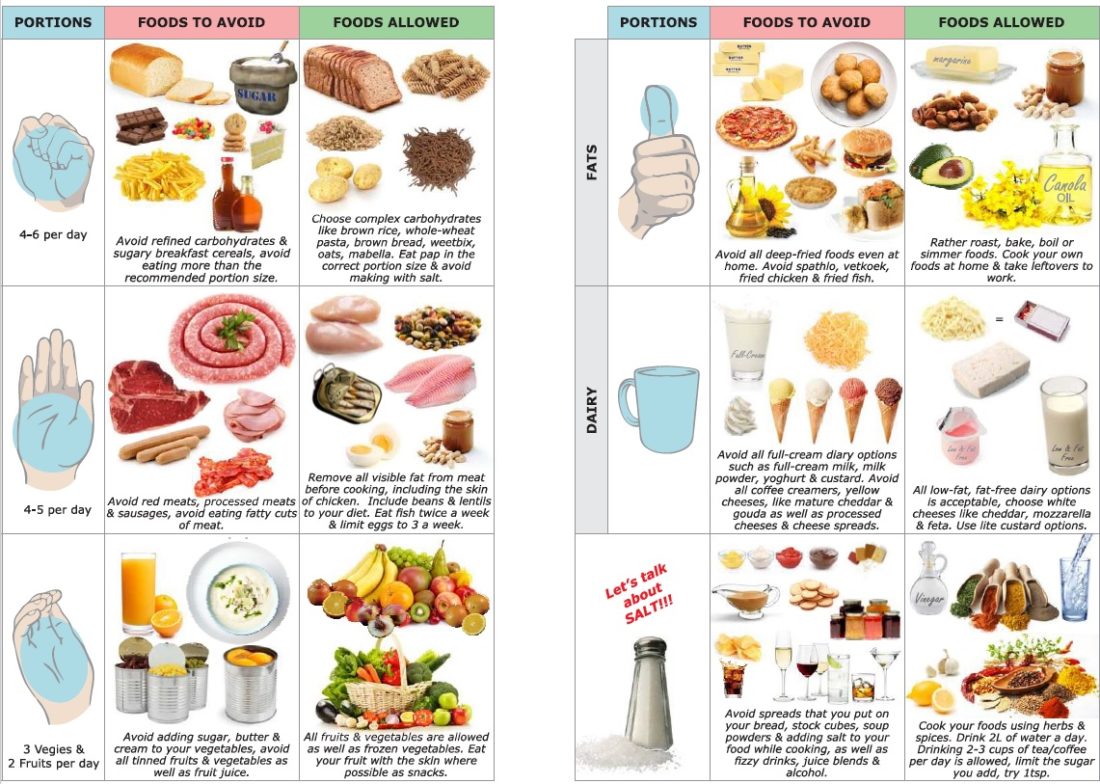
Navigating the recovery period following breast surgery—whether for reconstruction, reduction, or oncological treatment—requires a targeted nutritional approach that supports tissue healing, manages inflammation, and rebuilds strength. Proper macronutrient distribution, adequate hydration, and micronutrient optimization are vital components of clinical postoperative care.
Understanding the Physiological Demands of Post-Surgical Healing
The human body undergoes significant metabolic stress following surgical procedures. Tissue trauma triggers an acute inflammatory phase, followed by a proliferative phase characterized by collagen synthesis, angiogenesis, and cellular regeneration. Meeting these increased physical demands requires careful attention to nutritional intake.
During the immediate postoperative window, resting energy expenditure increases to fuel tissue repair and immune function. Failing to consume adequate calories can lead to a catabolic state, where the body breaks down muscle tissue for energy, thereby compromising wound healing and extending recovery times. Clinical guidance generally emphasizes a balanced intake of macronutrients—proteins, carbohydrates, and healthy fats—tailored to the individual’s baseline metabolic rate, surgical scope, and overall health status.
Furthermore, medical professionals often stress that nutrition should not be viewed as a standalone intervention. It works synergistically with rest, pain management, physical therapy, and adherence to surgical follow-up protocols. Patients must coordinate their dietary strategies with their surgical team or a clinical registered dietitian to ensure safety, particularly when managing surgical drains, prescription medications, or comorbid health conditions.
Core Nutritional Pillars for Tissue Repair and Recovery
Building an effective post-surgical meal plan involves focusing on specific nutritional building blocks that directly influence cellular regeneration and immune resilience.
Protein Intake for Cellular Synthesis
Protein is the primary structural component required for wound healing, immune function, and skin integrity. Amino acids—the building blocks of protein—are essential for collagen production, which provides tensile strength to healing surgical incisions.
- Optimal Requirements: Post-surgical protein needs are often elevated above standard daily recommendations, frequently ranging from 1.2 to 2.0 grams per kilogram of body weight, depending on the extent of the surgery and clinical assessment.
- Quality Sources: Incorporate high biological value proteins that contain all essential amino acids, such as poultry, fish, eggs, dairy, lean meats, tofu, tempeh, and legumes.
- Distribution: Spreading protein intake evenly across all daily meals and snacks optimizes muscle protein synthesis and supports continuous tissue repair throughout the day.
Micronutrients and Wound Healing Co-Factors
While macronutrients supply energy and structural elements, micronutrients act as essential co-factors in enzymatic reactions driving cellular repair.
- Vitamin C: A powerful antioxidant that is crucial for collagen synthesis and immune defense. Citrus fruits, bell peppers, strawberries, and cruciferous vegetables are excellent dietary sources.
- Zinc: Plays a fundamental role in cell division, immune function, and protein synthesis. Deficiency can significantly impair wound closure. Sources include lean beef, pumpkin seeds, lentils, and shellfish.
- Vitamin A: Supports epithelialization and inflammatory response regulation. Found in orange and dark green leafy vegetables like sweet potatoes, carrots, and spinach.
- Iron: Essential for hemoglobin production and oxygen transport to newly forming tissues. Incorporating lean meats, beans, and fortified grains helps prevent postoperative anemia, which can cause fatigue and delay healing.
Managing Inflammation, Digestion, and Hydration
Surgical interventions and subsequent medications—particularly opioid pain relievers—frequently disrupt the gastrointestinal tract, leading to complications such as constipation, bloating, and nausea.
Combating Postoperative Constipation
Opoids slow down gastrointestinal motility, making proactive digestive management essential.
- Dietary Fiber: Gradually increase soluble and insoluble fiber intake through oats, chia seeds, vegetables, and whole fruits. Sudden increases without adequate fluid can worsen discomfort, so fiber should be balanced with steady hydration.
- Hydration: Water is necessary for fiber to pass efficiently through the digestive tract. It also maintains blood volume, supports nutrient transport, and helps flush metabolic waste products. Patients should aim for consistent fluid intake, prioritizing water, herbal teas, and broths.
Anti-Inflammatory Dietary Patterns
While acute inflammation is a necessary part of the initial healing process, chronic or excessive inflammation can impede recovery and increase discomfort. Adopting an anti-inflammatory eating pattern can help modulate this response.
- Omega-3 Fatty Acids: Found in fatty fish (salmon, mackerel, sardines), walnuts, and flaxseeds, omega-3s help balance inflammatory pathways.
- Polyphenols and Antioxidants: Berries, green tea, turmeric, and dark leafy greens contain bioactive compounds that protect cells from oxidative stress during the healing period.
Nutritional Focus Areas by Recovery Phase
| Recovery Phase | Primary Metabolic Goal | Key Nutritional Focus | Common Considerations |
|---|---|---|---|
| Immediate Post-Op (Days 1–7) | Manage nausea, prevent catabolism, support initial clotting and inflammation control. | Clear liquids progressing to soft, nutrient-dense foods; adequate hydration; small, frequent meals. | Managing opioid-induced constipation; prioritizing easily digestible proteins and high-moisture foods. |
| Intermediate Healing (Weeks 2–6) | Accelerate collagen deposition, support tissue remodeling, restore energy stores. | Increased protein targets (1.2–2.0g/kg); Vitamin C, zinc, and iron-rich foods; sustained fiber intake. | Resuming gentle physical activity; monitoring wound healing progress; avoiding excessive processed sugar. |
| Long-Term Restoration (Month 2 and Beyond) | Rebuild sustained strength, support immune health, transition to long-term wellness. | Balanced whole-food nutrition; diverse micronutrient intake; personalized caloric balance. | Aligning nutrition with cleared physical activity levels and long-term survivorship or wellness goals. |
Practical Meal Planning and Preparation Strategies
Preparing for surgery involves more than organizing medical supplies; establishing a reliable nutritional routine ahead of time significantly reduces stress during the recovery window.
Pre-Surgical Preparation
- Stock the Pantry: Fill cupboards and freezers with easy-to-prepare, nutrient-dense items such as frozen vegetables, canned beans, bone broth, pre-cooked grains, and protein sources.
- Batch Cooking: Prepare large portions of nourishing soups, stews, and casseroles in the weeks leading up to surgery, portioning them into single-serve containers for effortless reheating when mobility is limited.
- Hydration Stations: Set up accessible water pitchers or bottles around resting areas to encourage consistent fluid consumption without requiring excessive movement.
Overcoming Post-Surgical Appetite Loss
It is common to experience diminished appetite following anesthesia and surgery. Forcing large meals can cause nausea and frustration.
- Frequent, Small Portions: Consume five to six smaller meals throughout the day rather than three large ones.
- Calorie and Nutrient Density: When appetite is low, choose nutrient-dense options that pack high protein and healthy fats into smaller volumes, such as Greek yogurt with berries, smoothies with protein powder and nut butter, or avocado toast.
- Flavor and Presentation: Opt for foods that smell and look appealing, avoiding heavily spiced or greasy foods that may provoke digestive upset while the digestive system regains full function.
Frequently Asked Questions
Should I take specific supplements after breast surgery?
While targeted supplementation—such as vitamin C, zinc, or multivitamins—can sometimes support healing, patients should consult their surgeon or clinical dietitian before introducing new supplements. Certain compounds, including high-dose Vitamin E, fish oil, and specific herbal extracts, can affect blood clotting and interact with medications.
How can I manage reduced appetite and nausea after anesthesia?
Post-anesthesia nausea is temporary. Start with bland, easily digestible foods like plain crackers, toast, clear broths, and applesauce. Ginger tea can also help settle the stomach. As nausea subsides, gradually reintroduce protein-rich and fiber-rich foods to support recovery.
Is weight gain common during breast surgery recovery?
Temporary fluid retention, decreased physical activity, and changes in metabolic demand can cause minor weight fluctuations during recovery. Restricting calories to counteract this is discouraged, as the body requires adequate energy and nutrients for tissue repair. Focus on nutrient quality rather than caloric restriction.
When should I consult a registered dietitian regarding my recovery diet?
You should consider consulting a clinical registered dietitian if you experience persistent gastrointestinal distress, significant unintended weight loss or gain, severe appetite loss lasting more than a few days, or if you manage complex medical conditions such as diabetes or renal disease that require specialized nutritional oversight.
Next Actions and Clinical Collaboration
Optimizing your nutrition after breast surgery is a proactive step that empowers your body's innate healing mechanisms. To ensure safety and efficacy, review your dietary plans with your surgical team, oncologist, or a clinical registered dietitian. Share any pre-existing dietary restrictions, current medications, or supplement use to develop a personalized, medically sound nutritional strategy tailored to your recovery trajectory.