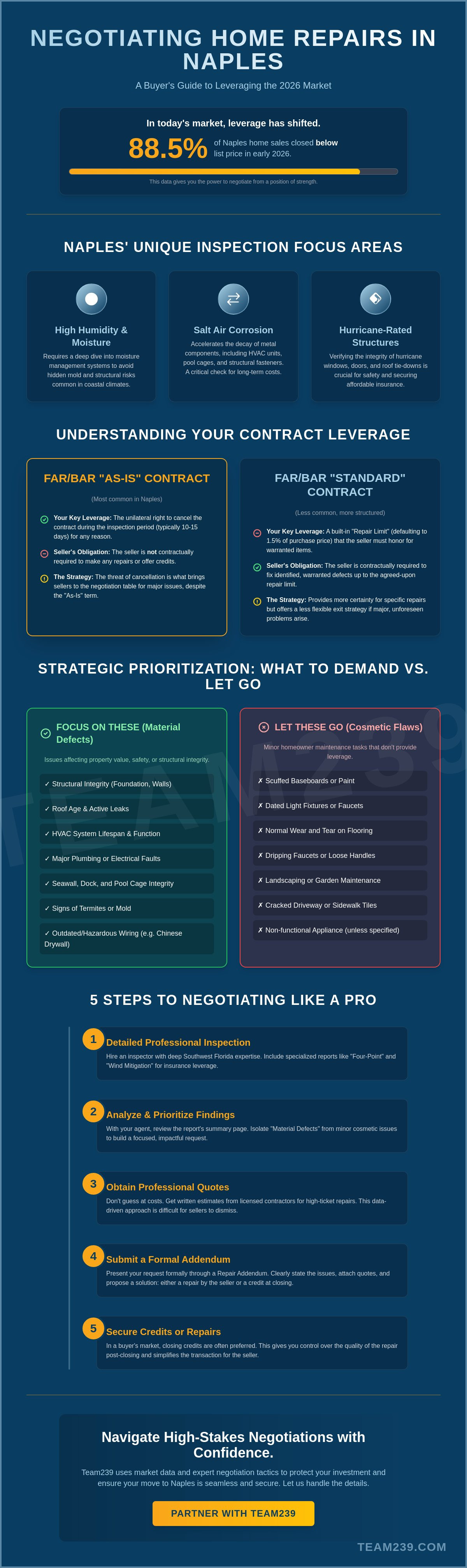
Once home inspection negotiations conclude, both parties sign an inspection addendum, a legally binding document detailing agreed-upon repairs, price reductions, or closing cost credits. Following this, the transaction moves into the final stages of mortgage underwriting and title clearing, while the seller completes any required work before the buyer performs a final walkthrough to verify the property's condition before closing.
The period immediately following an inspection negotiation is often the most intense phase of a real estate transaction. While the "big hurdle" of the inspection is over, several critical administrative, financial, and physical milestones must be met before the keys change hands. In 2026, with the integration of more digital closing tools and stricter lender requirements for property condition, navigating this timeline requires a clear understanding of the "pending" status and the responsibilities of both the buyer and the seller.
1. Formalizing the Inspection Addendum
The most immediate step after reaching a verbal or email agreement on repairs is the drafting and signing of the Inspection Addendum (sometimes called a Repair Addendum). This document serves as a formal amendment to the original purchase agreement. It must be explicit and granular; vague terms like "fix the roof" are replaced with specific requirements such as "replace the damaged asphalt shingles on the northeast corner of the garage using a licensed roofing contractor."
Both parties must sign this document to satisfy the inspection contingency. Once signed, the buyer typically "waives" their right to back out of the contract based on the inspection findings, provided the seller fulfills the listed obligations. If the seller fails to perform the agreed-upon tasks by the specified deadline, they may be in breach of contract, allowing the buyer to potentially terminate the deal or seek damages.
2. Transitioning to Full Loan Underwriting
While the buyer and seller were haggling over repairs, the lender’s underwriting department was likely in a "holding pattern." Once the inspection contingency is cleared, the lender moves the file into full underwriting. The underwriter’s job is to verify every detail of the buyer's financial life and the property’s value to ensure the loan meets the bank’s risk standards.
In 2026, lenders have become increasingly focused on property "resiliency." If the inspection revealed significant structural issues that were negotiated as credits rather than repairs, the underwriter may take a closer look. If the home’s condition falls below certain safety or habitability standards (especially for FHA or VA loans), the lender may refuse to fund the loan until physical repairs are completed, regardless of what was negotiated between the buyer and seller privately.
3. The Appraisal Process and Potential Conflicts
The appraisal usually occurs concurrently with or immediately following the inspection negotiation. While an inspection focuses on the condition of the home, the appraisal focuses on its value. However, these two reports often overlap.
If the appraiser notes "subject to repair" items—such as peeling lead-based paint or a missing handrail—the loan cannot close until those specific items are fixed and re-inspected by the appraiser. This can create a secondary negotiation if these items were not part of the initial inspection addendum. If the appraisal comes in lower than the purchase price (an "appraisal gap"), the buyer and seller may have to return to the negotiating table to adjust the price again, regardless of the previous inspection results.
4. Execution of Repairs and Documentation
For the seller, this is the most labor-intensive phase. If the agreement stipulated physical repairs, the seller is responsible for hiring professionals to complete the work. It is standard practice in modern real estate transactions to require that all work be performed by licensed and bonded contractors.
The buyer should request a "repair package" from the seller at least one week before closing. This package should include:
- Invoices from all contractors.
- Receipts for materials.
- Proof of payment (to ensure no mechanic’s liens are placed on the property).
- Transferable warranties for major work, such as foundation repair or roof replacement.
Buyers should be wary of sellers who offer to perform "DIY" repairs unless explicitly permitted in the addendum. In 2026, many municipal building codes and insurance providers require professional certification for electrical and plumbing updates to maintain coverage.
5. Title Search and Insurance Finalization
While the physical house is being prepared, the "paper house" is being audited. A title company or attorney will conduct a comprehensive title search to ensure the seller has the legal right to transfer the property. They look for outstanding liens, unpaid property taxes, or easements that weren't previously disclosed.
The buyer must also finalize their Homeowners Insurance policy during this window. Following the inspection, an insurance agent may ask for a "Four-Point Inspection" or a "Wind Mitigation Report," particularly if the home is more than 20 years old. If the initial home inspection revealed an aging roof or outdated electrical panels, the buyer might find that their insurance premiums are higher than anticipated, or they may be required to replace certain systems within 30 days of closing to remain covered.
6. The Re-Inspection: A Critical Safeguard
Many buyers make the mistake of assuming the seller followed the addendum to the letter. To prevent post-closing surprises, buyers should schedule a re-inspection. This is a shorter, more targeted visit by the original home inspector to verify that the specific items listed in the addendum were addressed correctly.
A re-inspection typically costs between $150 and $300, but it is an essential investment. It ensures that a "repaired" leak isn't just covered with new drywall and that electrical repairs meet the safety standards promised. If the re-inspection fails, the buyer's agent will issue a formal notice to the seller, often delaying the closing until the work is corrected.
| Feature | Repair Credit (Closing Cost Credit) | Physical Repair by Seller |
|---|---|---|
| Control | Buyer chooses the contractor and timing. | Seller manages the repair process. |
| Speed | Faster; no need to wait for work completion. | Slower; requires scheduling and labor. |
| Lender Impact | Limits apply; credits cannot exceed closing costs. | Appraiser may require completion before funding. |
| Quality Risk | Low; buyer oversees the quality of work. | High; seller may choose the cheapest option. |
| Liability | Buyer assumes all responsibility after closing. | Seller is responsible for work done before closing. |
7. The Final Walkthrough
The final walkthrough usually takes place 24 to 48 hours before the closing appointment. This is not another inspection, but a final check to ensure the property is in the same condition it was in when the contract was signed (minus normal wear and tear).
During the walkthrough, the buyer should:
- Check the repairs: Ensure everything from the addendum is finished.
- Verify inclusions: Make sure the seller hasn't removed appliances, light fixtures, or window treatments that were supposed to stay.
- Test systems: Turn on faucets, flush toilets, and cycle the HVAC system one last time.
- Check for new damage: Ensure no holes were punched in walls during the seller’s move-out process.
If the house is not in the agreed-upon condition, the buyer may refuse to sign the closing documents until a "holdback" of funds is established. This involves placing a portion of the seller’s proceeds into an escrow account to cover the cost of the unfinished items.
8. Reviewing the Closing Disclosure (CD)
At least three business days before closing, the lender must provide the buyer with the Closing Disclosure (CD). This document outlines the final loan terms, projected monthly payments, and exactly how much the buyer will pay in closing costs.
This is the moment to verify that any negotiated price reductions or closing cost credits are accurately reflected in the numbers. For example, if the seller agreed to a $5,000 credit for a faulty HVAC system, that amount should appear as a "Seller Credit" in the "Calculations" section of the CD. According to the Consumer Financial Protection Bureau (CFPB), this three-day window is a mandatory cooling-off period; any significant changes to the loan terms during this time can reset the clock and delay closing.
9. Closing Day: The Final Milestone
Closing day is the culmination of the entire process. In 2026, many jurisdictions allow for "hybrid closings" where the majority of the documents are signed electronically via secure portals, with only the deed and mortgage requiring a wet-ink signature in the presence of a notary.
Once all documents are signed and the lender funds the loan, the title company records the deed with the county. The "negotiation" phase is officially over, and the buyer receives the keys. It is recommended that buyers keep a digital and physical folder containing the inspection report, the signed addendum, and all repair receipts for future reference or for when they eventually sell the home.
Common Obstacles After Negotiation
Even after a successful negotiation, "hidden" issues can emerge that threaten the deal. One common problem is the discovery of title encumbrances that weren't apparent during the inspection. For instance, a seller might have had a new roof installed two years ago but never paid the contractor in full, resulting in a mechanic's lien.
Another issue is the "Hidden Damage" clause. If a seller removes a large area rug and discovers a massive crack in the foundation that was previously hidden, they are legally obligated to disclose it, even if the inspection negotiation is already complete. In 2026, most state disclosure laws are extremely strict regarding newly discovered material defects, often requiring an immediate amendment to the disclosure forms and potentially a new round of negotiations.
FAQs
Can I back out of the deal after the inspection negotiation is finished?
Yes, but it depends on the remaining contingencies in your contract. Once the inspection contingency is waived, you usually cannot back out based on the home's condition without forfeiting your earnest money deposit. However, you can still withdraw if your financing fails, the appraisal comes in low (and you have an appraisal contingency), or if the seller fails to perform the repairs agreed upon in the addendum.
What happens if the seller's repairs are of poor quality?
If the repairs do not meet the standards specified in your addendum (e.g., they weren't done by a licensed professional), you should address this during the re-inspection or final walkthrough. Your agent can negotiate a "credit-in-lieu" of the botched repair or demand that the seller pay for a different contractor to fix it before closing. Do not sign the closing papers until the issue is resolved or funds are held in escrow.
How long does it usually take to close after the inspection?
In the 2026 real estate market, the typical timeframe from the end of inspection negotiations to the closing table is 21 to 30 days. This allows sufficient time for the lender to finish underwriting, the title company to clear the deed, and the seller to complete repairs and move out.
Does the lender see the full home inspection report?
Generally, no. Lenders usually only see the Appraisal Report. However, if you are using an FHA or VA loan, the appraiser is required to check for specific safety issues. If you mention the inspection findings to your lender or if the inspection results lead to a significant change in the purchase price, the lender may request to see the relevant parts of the report. It is usually best to keep the inspection report between the buyer, seller, and their respective agents unless a specific repair is required for loan approval.
What if the seller discovers a new problem after we've already negotiated?
The seller has an ongoing legal obligation to disclose any "material defects" they become aware of until the day of closing. If a water pipe bursts or a tree falls on the house after the inspection negotiation, the seller must notify the buyer. At that point, the parties must negotiate a new agreement to address the fresh damage.
Practical Recommendations
For buyers moving forward from a negotiation, the most critical action is to stay organized. Keep a meticulous log of all communication regarding repairs and ensure your agent is following up with the seller's side every few days. If the seller is supposed to provide receipts by a certain date, hold them to it.
For sellers, the goal is completion and documentation. Do not wait until the last week to hire contractors; in 2026, the demand for skilled trades remains high, and delays in repairs can lead to a "Notice to Perform" from the buyer, which could jeopardize your closing timeline. Ensure all work is permitted if required by your local building department, as unpermitted work found during a title search or final walkthrough can lead to significant legal and financial headaches.
Finally, both parties should maintain a professional relationship. Real estate transactions can be emotional, but once the negotiation is signed, both parties share the same goal: a successful, on-time closing. Use the "pending" period to prepare for the logistics of moving, but keep your eyes on the contractual deadlines to ensure nothing falls through the cracks.