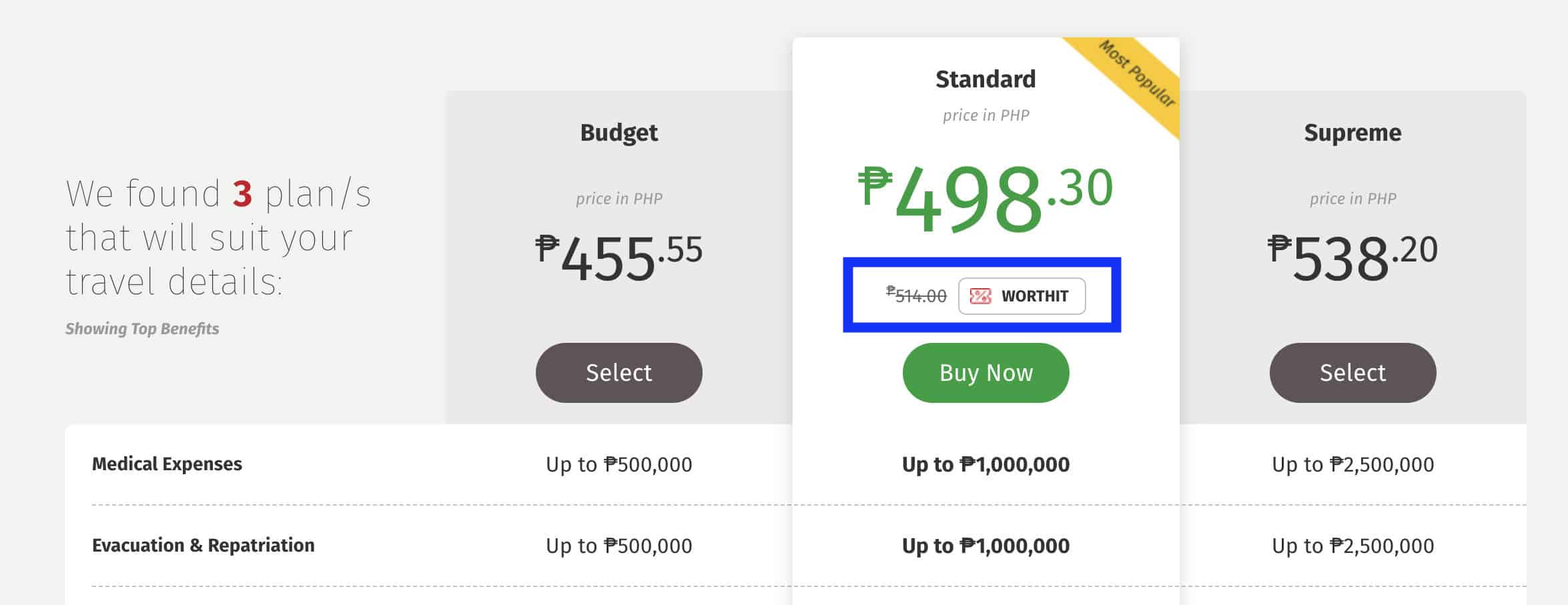
Securing travel insurance as a senior requires balancing comprehensive medical coverage with premium affordability. By focusing on pre-existing condition waivers, choosing annual multi-trip plans over single-trip policies, and utilizing broker comparison tools, seniors can mitigate high costs while ensuring robust financial protection against emergency healthcare expenses and trip cancellations abroad.
Understanding the Senior Travel Insurance Landscape
As travelers age, the actuarial risk for insurance providers increases, primarily due to the higher statistical likelihood of medical emergencies and the potential for complex health needs. Consequently, travel insurance premiums often rise significantly after age 65 and escalate further for those over 75 or 80. However, the market in 2026 remains highly competitive. Insurers differentiate themselves by offering specialized plans that cater to the specific needs of retirees, such as coverage for chronic conditions or high-limit emergency medical evacuation.
The fundamental challenge for senior travelers is not the lack of options, but the complexity of identifying which policy provides sufficient protection without charging for unnecessary add-ons. To find "affordable" insurance, you must shift your perspective from seeking the lowest premium to finding the best value-to-risk ratio. A policy that is inexpensive but excludes coverage for your specific medical history is not an affordable solution; it is a financial liability.
Key Factors Influencing Insurance Costs
Insurance underwriters calculate premiums based on a multivariate analysis of your profile. Recognizing these cost drivers allows you to adjust your travel plans to secure more favorable rates.
Age and Demographic Risk
Age is the primary driver of premium costs. Companies use historical data to predict the frequency and severity of claims within specific age brackets. While you cannot change your age, you can select providers that utilize different age-banding tiers. Some insurers maintain relatively flat pricing between ages 65 and 70, while others may experience a sharp price jump at age 75. Always compare quotes from carriers with different age-based underwriting strategies.
Trip Duration and Destination
The duration of your stay directly correlates with risk; the longer you are away, the higher the probability of an unforeseen event. Furthermore, healthcare costs vary wildly by geography. Travel to countries with high medical inflation—most notably the United States, Canada, and parts of Western Europe—will almost always result in higher premiums than travel to regions with lower out-of-pocket medical costs.
Medical History and Pre-existing Condition Waivers
For most senior travelers, the most critical element of a policy is the Pre-existing Condition Waiver. If you have been treated for a condition in the months leading up to your trip, a standard policy may exclude any claims related to that condition. Purchasing a plan that includes a waiver (usually contingent on buying the insurance within a specific window, such as 14–21 days after your initial trip deposit) is an essential cost factor. While this adds a premium, it prevents catastrophic personal expense in the event of a flare-up.
Evaluating Coverage Options
Not all policies are structured the same way. When shopping in 2026, distinguish between the following categories:
- Single-Trip Policies: Ideal if you take one major international vacation per year. These provide coverage tailored to the specific dates and destination of one itinerary.
- Annual Multi-Trip Plans: If you travel more than twice a year, these plans are often significantly more affordable. They cover all trips taken within a 365-day period, provided no single trip exceeds a specific length (usually 30 or 45 days).
- Top-up or Supplemental Insurance: If you have primary health insurance that provides limited international coverage (rare, but possible), you may only need a "gap" policy to cover emergency evacuation or trip cancellation.
Strategic Approaches to Lowering Premiums
You can influence the cost of your policy by adjusting your coverage parameters without sacrificing essential security.
- Increase Your Deductible: Opting for a higher out-of-pocket deductible can reduce the immediate premium cost of your plan. This is a sound strategy for travelers who have the liquidity to handle a $500 or $1,000 incident but want protection against a $50,000 hospital bill.
- Evaluate "Cancel for Any Reason" (CFAR) Upgrades: CFAR is a powerful add-on that typically increases premium costs by 40–50%. If you are traveling for a flexible reason or are in excellent health, you might consider skipping this. Only opt for CFAR if you have significant non-refundable bookings and a genuine risk that you might need to cancel for non-medical, non-covered reasons.
- Leverage Credit Card Benefits: Review your credit card agreement. Many premium travel cards include built-in travel insurance, including baggage delay and trip cancellation. Use these for your base protection and purchase a secondary, medical-only travel insurance policy to fill the gap.
Comparison Table: Comparing Coverage Strategies
| Feature | Single-Trip Plan | Annual Multi-Trip | Credit Card Coverage |
|---|---|---|---|
| Best For | One-off major trips | Frequent travelers | Basic protections |
| Cost | Mid-range | Lowest (if 2+ trips) | Often "free" with card |
| Medical Focus | High, fully customizable | Consistent across trips | Low (often lacks medical) |
| Pre-existing Waiver | Available | Available | Usually not included |
Note: This table serves as a general guide. Always verify the specific benefit manual for your credit card or the policy disclosure document of any insurer.
Essential Steps for Securing Your Policy
- List Your Requirements: Before viewing quotes, document your destination, the total cost of non-refundable trip expenses, and any prescription medications or chronic conditions.
- Use Aggregator Sites: Utilize reputable comparison engines that allow you to filter by "Pre-existing condition waiver included." This ensures you are comparing apples to apples.
- Check the "Financial Strength" Rating: Use resources like AM Best or S&P Global to verify the insurer's financial stability. A cheap policy from a company that cannot pay out a claim is useless.
- Read the Exclusion List: Pay close attention to what is not covered. Common exclusions include adventure sports, travel to regions with government-issued travel warnings, or incidents involving alcohol.
- Confirm the Claims Process: Look for insurers that offer 24/7 global emergency assistance and direct billing. Direct billing means the insurer pays the hospital directly, preventing you from having to charge thousands of dollars to your personal credit card and wait for reimbursement.
Frequently Asked Questions
Are there age limits for travel insurance? Yes, most insurers have upper age limits, often ranging from 75 to 90. However, many companies specialize in "senior-only" plans that accommodate travelers well into their 90s, though premiums will reflect the increased risk.
Does Medicare cover me while traveling abroad? Generally, no. Original Medicare does not provide coverage for medical care received outside of the United States, with very limited exceptions. It is essential to purchase private travel medical insurance for all international travel.
How soon before my trip should I buy the insurance? To qualify for the "Pre-existing Condition Waiver," you should purchase the insurance within 14–21 days of making your initial trip deposit. Buying earlier also maximizes the length of your "Trip Cancellation" coverage.
What is the difference between primary and secondary insurance? Primary insurance pays your claim first, regardless of other coverage. Secondary insurance only pays after your primary health insurance has been exhausted. For international travel, prioritize primary medical coverage to avoid the administrative nightmare of dealing with your domestic provider.
What should I do if I have a chronic condition? Disclose it fully during the application process. If you omit a chronic condition, the insurer will likely deny any claim related to that condition, even if it is unrelated to the specific incident. Honesty is the only way to ensure the coverage is valid.
Final Recommendation
The most effective way to manage costs without compromising safety is to prioritize Primary Emergency Medical coverage and Medical Evacuation coverage. These are the "must-haves" that prevent financial ruin. If you must cut costs, do so by increasing your deductible or choosing a plan with lower "Trip Delay" or "Baggage" benefits, rather than skimping on the core medical protections. Before finalizing any purchase, ensure the policy provides a clear, written confirmation that your specific medical history is covered under the waiver conditions.