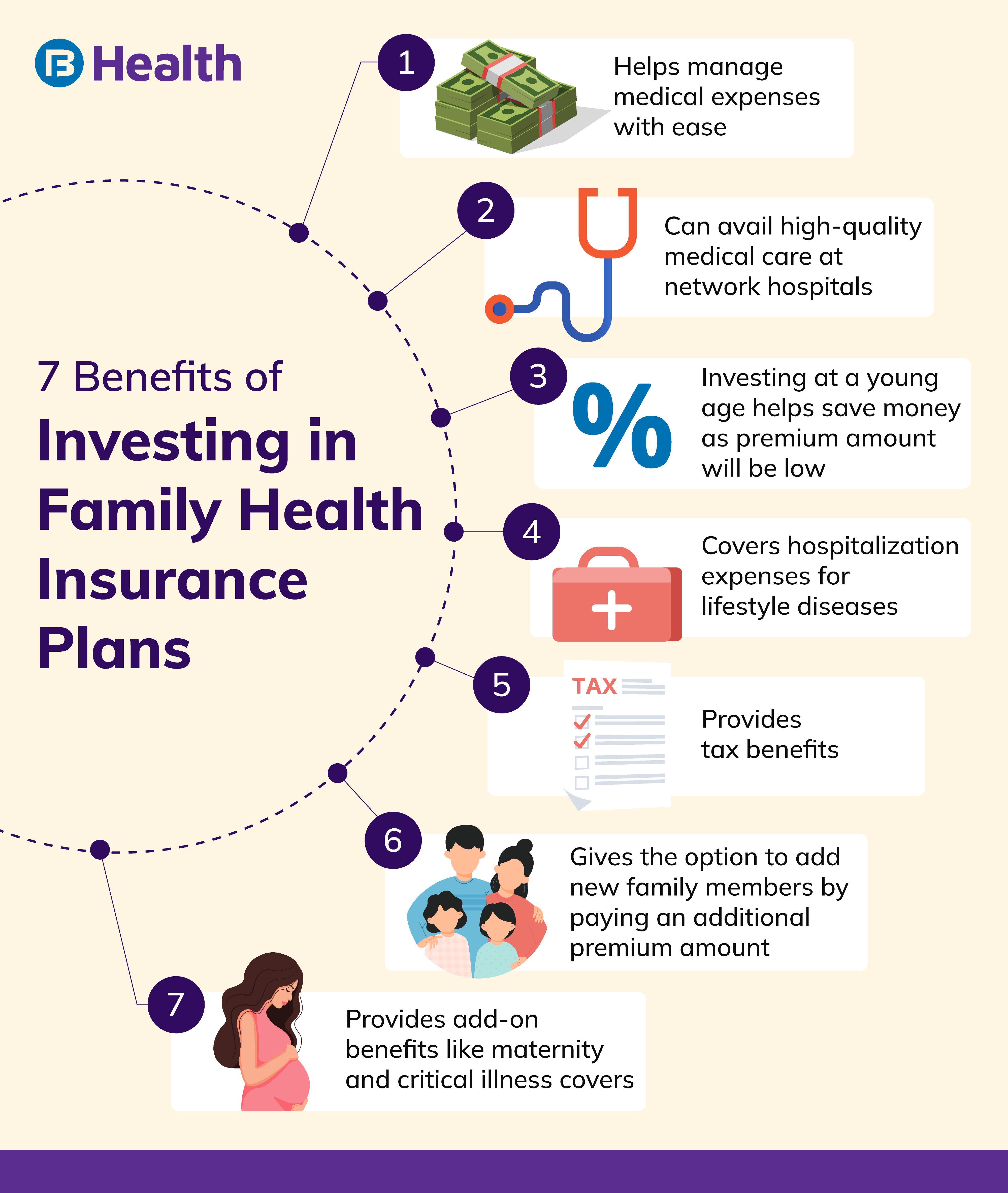
Securing affordable insurance plans for families requires balancing comprehensive healthcare protection with strict household budgeting. Families can navigate this challenge effectively by evaluating marketplace subsidies, understanding various deductible structures, and comparing employer-sponsored options against individual state exchange policies to find a plan that meets both medical needs and financial constraints.
Finding reliable, cost-effective coverage is one of the most critical financial tasks a household can undertake. As medical costs continue to rise, protecting children and adults from unexpected healthcare expenses without overextending monthly finances requires a systematic approach. This guide examines how families can identify, evaluate, and secure affordable insurance plans while maximizing their benefits and minimizing out-of-pocket exposure.
Understanding Family Insurance Needs and Terminology
Before evaluating specific insurance products, it is essential to understand the core terminology that dictates how much a family will pay for care. Health insurance involves a delicate interplay of monthly expenses and unpredictable medical events. Understanding these terms prevents costly surprises when visiting a physician or filling prescriptions.
- Premium: The fixed monthly amount paid to the insurance provider to keep the policy active, regardless of whether medical services are used.
- Deductible: The specific amount of money a family must pay out of pocket for medical care before the insurance company begins contributing to costs.
- Copayment (Copay): A fixed, flat fee paid at the time of receiving a specific medical service or picking up a prescription.
- Coinsurance: The percentage of medical costs a family pays after meeting the deductible, with the insurer paying the remaining percentage.
- Out-of-Pocket Maximum: The absolute financial cap a family will pay for covered services in a single plan year. Once reached, the insurer covers 100 percent of allowed costs.
Families typically require a broader scope of coverage than individuals. Pediatric dental, routine vision care, immunizations, and regular pediatric checkups are non-negotiable requirements for households with children. Therefore, an "affordable" plan is not merely the one with the lowest monthly premium; it is the policy that offers the lowest total cost of care based on the family's anticipated medical utilization for the year.
Exploring Marketplace Options and Subsidies
The Health Insurance Marketplace, established under the Affordable Care Act (ACA), serves as a primary hub for families seeking cost-effective health coverage. Plans sold through official government exchanges must adhere to federal consumer protections, which include covering essential health benefits and prohibiting coverage denials or higher rates due to pre-existing conditions.
Premium Tax Credits and Cost-Sharing Reductions
Affordability in the marketplace is largely driven by financial assistance programs. Depending on a household's modified adjusted gross income (MAGI) and family size, many households qualify for significant financial relief:
- Advanced Premium Tax Credits (APTC): These credits directly lower the monthly premium. Families can choose to apply the credit immediately each month or claim it later when filing federal income taxes.
- Cost-Sharing Reductions (CSR): Available to households with incomes between 100% and 250% of the federal poverty level who enroll in a Silver-tier plan. These reductions lower deductibles, copays, and coinsurance directly at the doctor's office or pharmacy.
To access these savings, families must apply through official state or federal portals during the designated Open Enrollment Period, or qualify for a Special Enrollment Period (SEP) triggered by qualifying life events such as the birth of a child, marriage, or loss of job-based coverage.
Employer-Sponsored Health Insurance
For many households, the most accessible and financially viable route to coverage is through an employer-sponsored health plan. Employers often subsidize a substantial portion of the monthly premium for dependent coverage, making group health insurance significantly less expensive than individual market alternatives.
When reviewing employer-sponsored plans, employees should examine the employer's contribution toward dependent coverage. While employers are legally mandated to offer affordable coverage for the employee under ACA guidelines, the same affordability rules do not always automatically apply to family or spouse coverage—a phenomenon commonly known as the "family glitch."
Families should evaluate whether adding a spouse and children to an employer plan is more cost-effective than purchasing a separate policy for them on the public marketplace, where subsidies might apply.
Comparing Plan Tiers: HMOs, PPOs, and EPOs
Insurance network structures directly influence both accessibility and cost. When shopping for affordable family insurance, understanding network limitations is vital to ensure preferred pediatricians and family physicians are covered.
| Plan Type | Network Restrictions | Referral Required? | Out-of-Network Coverage | Typical Cost Profile |
|---|---|---|---|---|
| HMO (Health Maintenance Organization) | Strict; must use in-network providers. | Yes, to see specialists. | None (except emergencies). | Lowest premiums and out-of-pocket costs. |
| PPO (Preferred Provider Organization) | Broad; out-of-network care allowed. | No. | Yes, at a higher cost. | Higher premiums; flexible access. |
| EPO (Exclusive Provider Organization) | Moderate; must use in-network providers. | No. | None (except emergencies). | Moderate premiums; no specialist referrals needed. |
Choosing the right structure depends on medical habits. If a family has chronic medical conditions requiring specialized care, a PPO might save money despite higher premiums by avoiding out-of-network penalties. Conversely, healthy families who primarily utilize routine checkups and preventative care often save the most money by selecting an HMO or EPO.
Leveraging Health Savings Accounts (HSAs)
For families comfortable with higher deductibles, pairing a High-Deductible Health Plan (HDHP) with a Health Savings Account (HSA) offers a powerful mechanism for managing medical expenses efficiently.
An HSA functions as a tax-advantaged savings account specifically designated for medical costs. Contributions are made with pre-tax dollars, earnings grow tax-free, and withdrawals are entirely tax-free when used for qualified medical expenses, such as deductibles, prescriptions, dental care, and vision needs. Unlike Flexible Spending Accounts (FSAs), HSA funds roll over indefinitely from year to year, allowing families to build a medical safety net for future healthcare needs.
However, families must weigh the tax advantages against the risk of paying higher out-of-pocket expenses before the high deductible is met. This option works best for households with predictable health expenses and sufficient cash flow to cover minor medical events prior to meeting the deductible threshold.
Supplemental and Specialized Coverage
Beyond standard health insurance, families frequently evaluate supplemental policies to cover gaps in primary insurance. While these policies add to the monthly budget, they can prevent catastrophic financial loss under specific circumstances.
- Dental and Vision Insurance: Many standard health plans do not include comprehensive dental and vision care for adults, and pediatric coverage may be minimal. Standalone family dental and vision plans ensure routine cleanings, braces, and corrective lenses remain affordable.
- Critical Illness and Accident Insurance: These indemnity plans pay a lump-sum cash benefit if a family member suffers a covered accident or critical diagnosis. The funds can be used flexibly to cover non-medical bills, travel expenses for specialized treatment, or lost wages.
Common Mistakes to Avoid When Choosing Family Insurance
Navigating insurance options can be overwhelming, leading to common errors that increase household financial strain. Avoiding these pitfalls ensures better protection and value:
- Chasing the Lowest Monthly Premium: Selecting a plan based solely on a low monthly premium often backfires if the deductible and out-of-pocket maximums are prohibitively high, leading to delayed necessary care.
- Ignoring Network Directories: Assuming a preferred pediatrician or local hospital is in-network without verifying directly through the insurer's active directory can result in unexpected, uncovered out-of-network bills.
- Failing to Re-Evaluate Annually: Medical needs change, and insurance providers adjust their networks, drug formularies, and premium rates every year. Automatically renewing a plan without reviewing alternatives can lead to missed savings.
- Overlooking Preventive Care Benefits: Under federal regulations, most plans must cover designated preventive services—such as routine vaccinations, well-child visits, and standard screenings—at no additional cost, even before meeting the deductible. Utilizing these prevents out-of-pocket spending.
Actionable Steps to Secure Family Coverage
Securing the right policy requires a methodical process. Families should follow these practical steps during open enrollment or when a qualifying life event occurs:
- Audit Past Medical Expenses: Review medical bills and pharmacy receipts from the previous year to estimate upcoming healthcare utilization accurately.
- Inventory Preferred Providers: Compile a list of all family physicians, pediatricians, specialists, and preferred pharmacies, then verify their network status with prospective insurance plans.
- Compare Total Potential Cost: Calculate the maximum financial exposure for each candidate plan by adding the annual premium to the out-of-pocket maximum.
- Check Subsidy Eligibility: Input household income and family size into official state or federal marketplace calculators to determine eligibility for financial assistance.
- Finalize Enrollment: Complete the application and submit required verification documents promptly before deadlines close.
Frequently Asked Questions
Can I insure my children on a separate plan from the parents?
Yes. Children can be enrolled in standalone child-only health plans through the marketplace, or they may qualify for public programs like the Children's Health Insurance Program (CHIP) or Medicaid, which offer low-cost or free comprehensive coverage based on household income.
What happens if I miss the Open Enrollment Period?
Missing the standard Open Enrollment Period generally means waiting until the next annual cycle, unless your family experiences a qualifying life event—such as marriage, the birth or adoption of a child, moving to a new ZIP code, or losing existing health coverage—which triggers a 60-day Special Enrollment Period.
Are pediatric dental and vision benefits required on all family plans?
Under the Affordable Care Act, pediatric dental and vision care are classified as essential health benefits and must be included or made available for purchase on all individual and small-group health insurance marketplace plans. However, adult dental and vision coverage are typically sold separately.
How do I know if my doctor is in-network?
Never rely solely on a doctor's office stating they "accept" an insurance brand. Always cross-reference the specific provider's name and office location directly on the insurance carrier’s official, up-to-date online provider directory, or call the insurer's customer service line to confirm participation.
Is an HDHP always cheaper than a traditional PPO?
Not necessarily. While High-Deductible Health Plans feature lower monthly premiums, a family that frequently visits doctors, requires regular prescriptions, or experiences unexpected medical emergencies may easily spend more out of pocket meeting the high deductible than they would save on premiums with a traditional plan.
Finding affordable insurance plans for families demands a careful balance of monthly budget constraints and comprehensive medical protection. By assessing household healthcare utilization, utilizing marketplace subsidies or employer options, and reviewing network details, families can secure reliable coverage that protects both their health and financial stability.