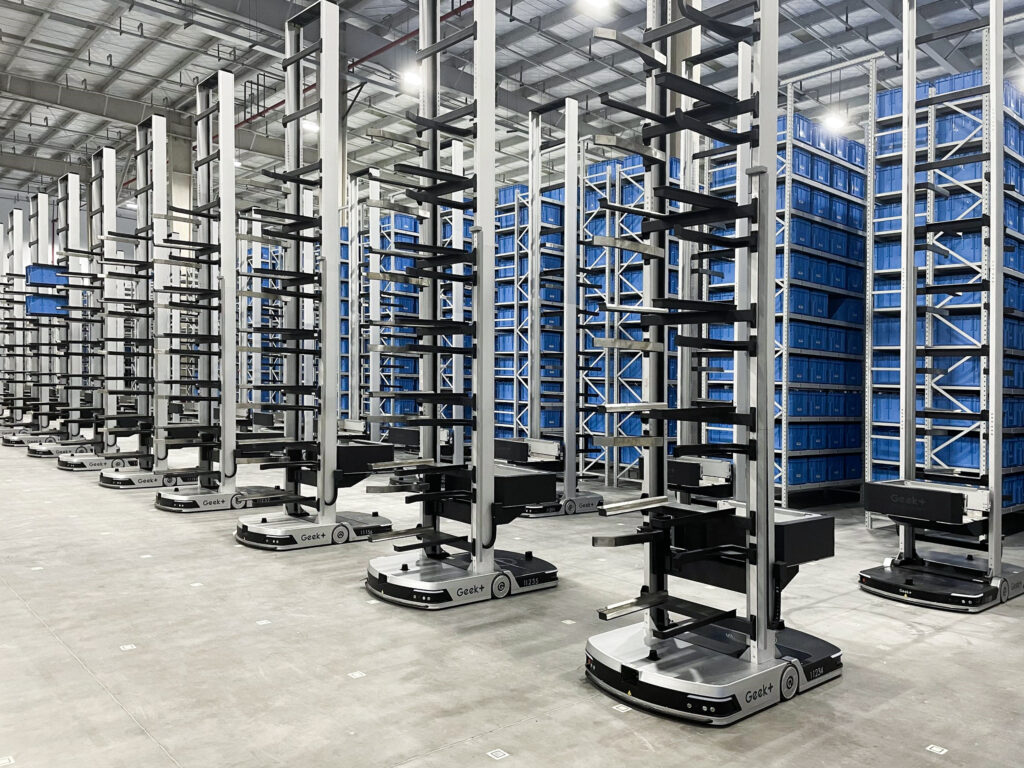
Advanced warehouse solutions integrate modern automation, software intelligence, and robotics to transform traditional storage facilities into high-speed, data-driven fulfillment centers. By combining Warehouse Management Systems (WMS), automated storage and retrieval systems (AS/RS), autonomous mobile robots (AMRs), and advanced analytics, organizations can significantly reduce labor bottlenecks, maximize vertical space utilization, and drastically improve order accuracy.
Understanding the Evolution of Modern Warehouse Operations
The landscape of supply chain management has shifted dramatically over the past decade. Traditional warehouses relied heavily on manual data entry, paper-based pick lists, and static shelving units that wasted valuable vertical space. As consumer expectations shifted toward rapid, next-day or same-day fulfillment, these legacy systems quickly reached their operational limits. Modern facilities must process higher volumes of SKUs, handle variable return rates, and operate within tight labor markets.
Advanced warehouse solutions address these challenges by replacing manual friction points with intelligent automation and software orchestration. This transformation goes beyond simply purchasing a single piece of equipment. It requires a holistic re-engineering of workflows, inventory slotting strategies, and data flows. When implemented correctly, these solutions create a synchronized ecosystem where hardware and software communicate in real-time to optimize every movement of inventory from receiving dock to final shipping lane.
At the core of this operational shift is the transition from reactive management to predictive orchestration. Instead of supervisors manually adjusting staffing levels based on guesswork, advanced platforms use historical data, current order queues, and machine learning algorithms to forecast labor requirements, anticipate equipment maintenance needs, and dynamically route inventory through the facility.
Core Pillars of Advanced Warehouse Infrastructure
Building a high-performing fulfillment center requires a balanced investment across three fundamental pillars: software intelligence, material handling automation, and data infrastructure.
Software Intelligence and Orchestration
Software serves as the central nervous system of any advanced warehouse. Without robust software, even the most sophisticated robotics fleet will operate inefficiently.
- Warehouse Management Systems (WMS): The foundational layer that tracks inventory visibility, manages receiving and putaway logic, and directs basic picking routines.
- Warehouse Execution Systems (WES): Acting as a bridge between high-level enterprise resource planning (ERP) systems and physical automation, WES manages real-time task balancing, workload distribution, and equipment coordination.
- Warehouse Control Systems (WCS): Low-level software that directs the mechanical components of automation, such as conveyor belts, sorters, and automated cranes.
Automation and Hardware Technologies
Hardware automation physicalizes the efficiency gains dictated by software intelligence. Selecting the right hardware depends on inventory profiles, throughput requirements, and available facility square footage.
- Autonomous Mobile Robots (AMRs): Unlike traditional automated guided vehicles (AGVs) that rely on magnetic floor strips or fixed wires, AMRs use onboard sensors, cameras, and LiDAR to navigate dynamically around obstacles and human workers.
- Automated Storage and Retrieval Systems (AS/RS): High-density systems that use computer-controlled cranes or shuttles to store and retrieve pallets or totes from high-bay racking.
- Goods-to-Person (G2P) Workstations: Systems that bring inventory directly to stationary operators, eliminating the travel time associated with traditional walk-and-pick methods.
Data Infrastructure and IoT Integration
Advanced facilities generate massive volumes of telemetry data. Integrating Internet of Things (IoT) sensors into conveyors, motors, and robotic arms enables predictive maintenance. Instead of waiting for a critical motor to fail during peak shipping season, IoT platforms monitor vibration, temperature, and electrical draw to signal maintenance teams before a breakdown occurs.
| Technology Category | Primary Function | Ideal Operational Environment | Key Benefit |
|---|---|---|---|
| Autonomous Mobile Robots (AMRs) | Flexible horizontal transport and pick assistance | Facilities with dynamic SKU profiles and variable labor pools | Scalability and rapid deployment without facility redesign |
| AS/RS Crane Systems | High-bay vertical pallet storage | High-volume distribution centers with uniform pallet sizes | Maximum vertical space utilization |
| Goods-to-Person (G2P) Shuttles | High-speed carton/tote retrieval | E-commerce fulfillment with high SKU counts | Dramatic increase in pick rates and ergonomic safety |
| Pick-to-Light / Voice Picking | Error reduction for manual picking tasks | Fast-moving inventory requiring high accuracy | Near-100% picking accuracy without heavy robotics investment |
Strategic Implementation Roadmap
Deploying advanced warehouse solutions requires a disciplined, multi-phase project management approach. Rushing into hardware purchases without a clear operational blueprint often leads to integration failures and underutilized capital assets.
Phase 1: Operational Audit and Data Profiling
Before evaluating vendors or touring trade shows, engineering teams must conduct a thorough audit of current operational data. This involves analyzing SKU velocity curves (ABC analysis), order profile dimensions, seasonal volume spikes, and physical facility constraints such as clear height, floor flatness, and electrical power capacity.
- Analyze SKU Velocity: Categorize inventory by turnover rate to determine which items require high-accessibility storage and which can be placed in deep reserve storage.
- Evaluate Order Profiles: Determine whether orders consist primarily of single-item shipments, multi-item e-commerce parcels, or full-pallet B2B shipments.
- Assess Facility Constraints: Measure clear ceiling heights, verify floor load ratings, and audit Wi-Fi coverage across the entire warehouse footprint.
Phase 2: Software Selection and System Integration
Choosing the software architecture should precede hardware selection. A modular WMS/WES platform ensures that future hardware additions from different manufacturers can integrate seamlessly into the ecosystem. APIs (Application Programming Interfaces) and standardized communication protocols must be established early to prevent data silos.
Phase 3: Pilot Testing and Phased Rollout
Rather than attempting a "big bang" implementation across the entire facility during peak operational periods, organizations should deploy advanced solutions in a controlled zone or during off-peak shifts. A phased rollout allows staff to adapt to new workflows, gives engineering teams time to tune algorithms, and minimizes the risk of catastrophic fulfillment disruptions.
Overcoming Common Operational Challenges
While advanced warehouse solutions offer transformative benefits, organizations frequently encounter specific obstacles during adoption. Anticipating these hurdles ensures smoother project lifecycles.
Change Management and Workforce Integration
The introduction of robotics and automated workflows often generates anxiety among existing warehouse personnel. Successful implementations prioritize transparent communication and comprehensive training programs. Rather than replacing human workers, advanced solutions are typically positioned to eliminate tedious, physically demanding walking tasks, allowing staff to transition into higher-value roles such as exception handling, quality control, and system monitoring.
Handling SKU Proliferation and Return Reverse Logistics
E-commerce growth has driven exponential increases in SKU counts and product returns. Advanced systems must be configured to handle reverse logistics efficiently—inspecting, grading, and re-slotting returned items back into active inventory with minimal manual intervention. Dynamic slotting algorithms help manage SKU proliferation by automatically repositioning fast-moving items closer to packing stations based on weekly sales trends.
Evaluating Return on Investment (ROI) and Cost Considerations
Investing in advanced warehouse solutions requires significant upfront capital expenditure (CapEx) or ongoing operational expenditure (OpEx) through Robotics-as-a-Service (RaaS) subscription models. To justify these investments, financial controllers evaluate several key performance indicators:
- Labor Cost Reduction: Decreasing reliance on temporary staffing and lowering cost-per-order fulfilled.
- Space Optimization: Delaying the need to lease or construct a larger facility by maximizing existing vertical cubic capacity.
- Throughput Velocity: Increasing order lines fulfilled per hour without expanding the physical footprint.
- Accuracy Improvement: Minimizing costly chargebacks and shipping errors through automated validation technologies like barcode scanners and dimensional weigh-meters.
Organizations must balance upfront software licensing, hardware procurement, network infrastructure upgrades, and ongoing maintenance contracts against projected labor savings and revenue growth capacity.
Frequently Asked Questions
What is the difference between a WMS and a WES in an advanced warehouse?
A Warehouse Management Systems (WMS) focuses on inventory tracking, high-level receiving, shipping documentation, and overall inventory visibility. A Warehouse Execution Systems (WES) operates in real-time, coordinating the physical flow of work between automated equipment and human workers to balance bottlenecks and optimize task interleaving.
How do Autonomous Mobile Robots (AMRs) differ from traditional AGVs?
Traditional Automated Guided Vehicles (AGVs) follow fixed, pre-mapped physical paths using magnetic tape, wires, or reflective floor markers. Autonomous Mobile Robots (AMRs) use onboard sensors, cameras, and onboard processors to map their environment in real-time, allowing them to dynamically route around obstacles and human workers without fixed infrastructure.
What is Robotics-as-a-Service (RaaS) and how does it impact implementation costs?
Robotics-as-a-Service (RaaS) is a subscription-based business model that allows organizations to deploy automation hardware and software with lower upfront capital expenditure (CapEx). Instead of purchasing equipment outright, companies pay an operational fee (OpEx) based on usage, units processed, or fixed monthly leasing terms, which often includes maintenance and software updates.
What facility requirements are necessary before installing high-bay AS/RS systems?
High-bay Automated Storage and Retrieval Systems require strict adherence to structural engineering standards. Facilities must feature certified floor slab thickness and flatness tolerances, adequate electrical power capacity to run high-speed motors and cranes, robust facility Wi-Fi coverage, and sufficient clear height clearance beneath overhead sprinklers and lighting fixtures.
How can smaller warehouses benefit from advanced warehouse solutions without massive budgets?
Smaller facilities can implement scalable, modular solutions such as pick-to-light systems, cloud-based WMS platforms, or flexible AMR fleets acquired via RaaS models. These technologies offer incremental efficiency gains without requiring millions of dollars in fixed infrastructure modifications.
Next Actions for Implementation
To begin your organization's journey toward advanced warehouse optimization, start by conducting an internal data audit of your current throughput bottlenecks, SKU velocity profiles, and labor constraints. Engage cross-functional stakeholders from operations, IT, and finance to define clear performance objectives, and consult with independent systems integrators to map out a phased technological roadmap tailored to your specific facility footprint.