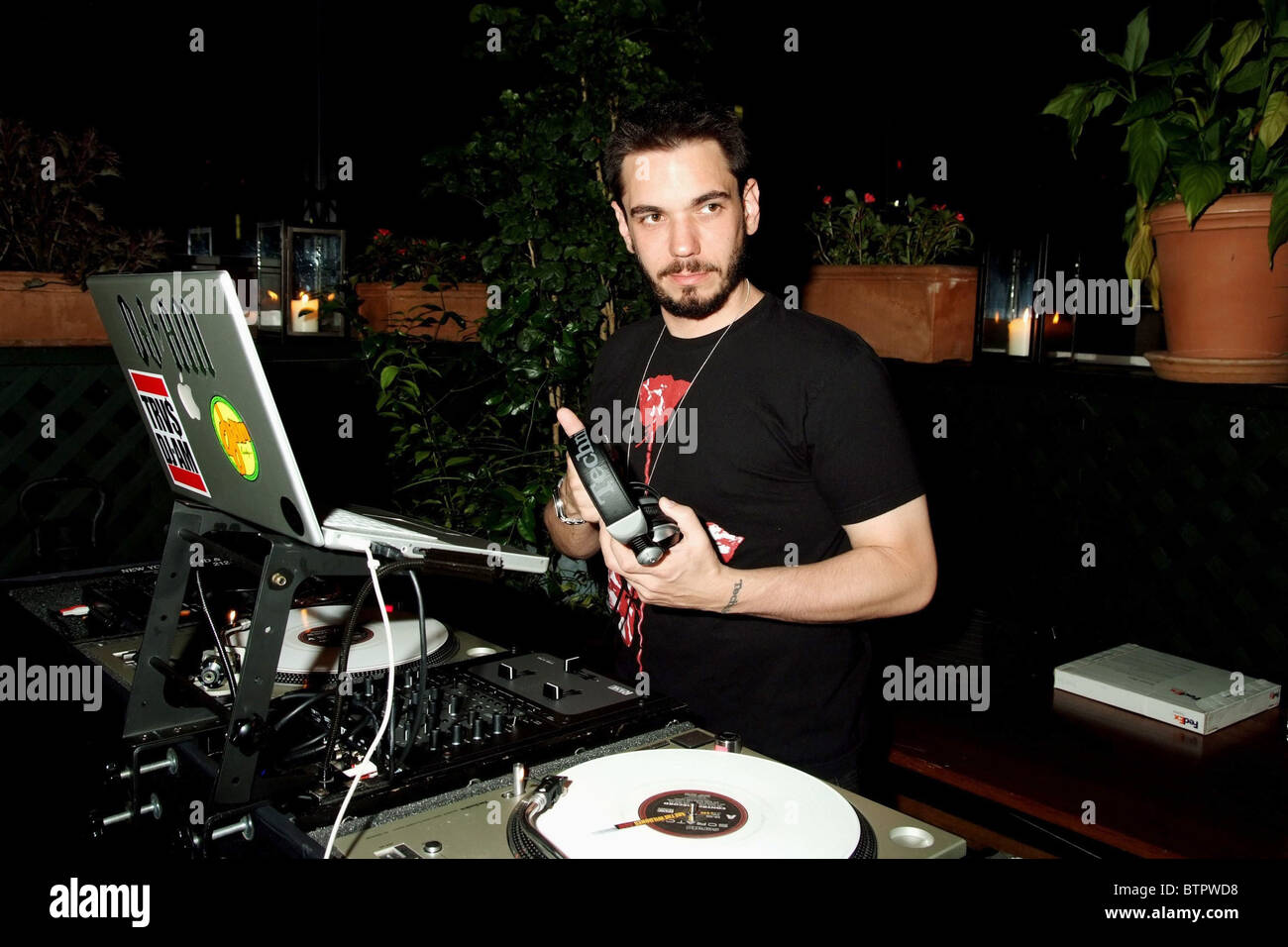
Adam Goldstein, known professionally as DJ AM, was an influential American DJ, producer, and turntablist who fundamentally transformed club culture, corporate nightlife, and modern performance DJing during the 2000s. By pioneering the "open-format" style—seamlessly blending hip-hop, rock, pop, electro, and indie—he transformed DJs from background party facilitators into headlining main-stage artists.
Early Life and the Roots of a Turntablism Pioneer
Adam Michael Goldstein was born on August 27, 1973, in Philadelphia, Pennsylvania. His childhood was marked by severe personal hardship, including an abusive relationship with his father, who suffered from severe addiction and spent time in prison. To cope with his home life, Goldstein found solace in music, particularly the rising hip-hop scene of the late 1980s and early 1990s.
After moving to Los Angeles with his mother, Goldstein developed a deep fascination with turntablism after watching Grandmaster Flash perform live. Intrigued by how scratch DJs could manipulate vinyl records to produce entirely new musical rhythms, he purchased his first set of Technics 1200 turntables as a teenager.
During his early career in the L.A. music scene, Goldstein performed under various handles before adopting the stage name DJ AM (incorporating his initials). Throughout the mid-to-late 1990s, he refined his scratching techniques while working with local hip-hop groups, including Phaze 5. His technical dexterity caught the attention of rap-rock band Crazy Town, which he joined as a turntablist in 1999. DJ AM contributed to the band’s debut album, The Gift of Game, featuring the Billboard Hot 100 number-one single "Butterfly."
Despite commercial success with Crazy Town, Goldstein struggled with severe personal challenges, including clinical obesity—reaching nearly 300 pounds—and a profound addiction to crack cocaine and alcohol. Following a failed suicide attempt in 1997 when his gun jammed, Goldstein entered drug treatment and achieved long-term sobriety. He subsequently underwent gastric bypass surgery, losing over 80 pounds and transforming his health, focus, and artistic trajectory.
The Open-Format Revolution: Redefining the DJ Set
Before DJ AM redefined nightlife music programming, mainstream club DJs generally stuck to rigid, single-genre playlists. House rooms played house music, hip-hop venues played urban tracks, and alternative clubs played rock. DJ AM broke these barriers by popularizing open-format DJing, a performance style characterized by rapid, unpredictable genre shifts connected through precise turntablism techniques.
- Traditional Club DJing (Pre-2000s):
- [Genre A]
- [Genre A]
- [Genre A]
- [Genre A] (Single-genre emphasis)
- DJ AM Open-Format Style:
- [80s Pop]
- (Scratch Transition)
- [90s Hip-Hop]
- (Wordplay Cut)
- [Classic Rock]
- (Tone Play)
- [Electro/Dance]
DJ AM’s signature sets were masterclasses in musical literacy and technical execution. His live performances relied on several key DJ techniques executed at high speed:
- Tone Play: Matching the musical pitch of the final note of one track to the starting note of a completely different genre (e.g., pitch-shifting an AC/DC guitar riff to match a Jay-Z vocal phrase).
- Wordplay Transitions: Echoing a spoken lyric at the end of a track to introduce a song with identical or contrasting lyrics.
- Dynamic Beat juggling and Scratching: Applying classic 1980s turntablism—such as flare scratches, crabs, and transformer cuts—over contemporary pop and rock tracks, bringing underground hip-hop skill into commercial club environments.
- Genre-Bending Key Matching: Utilizing early digital vinyl systems like Serato Scratch Live to mix tracks at wildly different original tempos without losing pitch integrity.
DJ AM did not merely play records; he re-contextualized popular music. A typical 90-minute set could effortlessly transition from Michael Jackson to Nirvana, then into A Tribe Called Quest, followed by Oasis, Daft Punk, and Motown classics. This versatility allowed him to perform at exclusive celebrity parties, mainstream mega-clubs, and intimate hip-hop venues alike.
By demonstrating that broad genre diversity could keep multi-generational crowds on dance floors longer, DJ AM created the blueprint used by modern festival DJs, radio mixers, and global residency performers.
TRV$DJAM and the High-Profile Las Vegas Residencies
During the mid-2000s, DJ AM's popularity exploded alongside the growth of mega-nightclub culture in Las Vegas, Hollywood, and New York City. He was instrumental in establishing the lucrative Las Vegas residency model for DJs, which had previously been reserved for legacy pop icons and singers.
In 2003, DJ AM accepted a high-profile residency at Rain Nightclub inside the Palms Casino Resort in Las Vegas. His weekly sets drew packed crowds and earned him unprecedented fees for a solo DJ, reportedly reaching up to $25,000 to $50,000 per night. He later signed major deals with venues such as Pure at Caesars Palace, LAX at Luxor (which he co-founded alongside celebrity partners), and XS at Wynn Las Vegas.
- [ DJ AM (Turntables / Serato / Scratching) ]
- Live Synchronization & Key Matching
- [ Travis Barker (Live Drums / Percussion) ]
- [ TRV$DJAM: Live Mashup / Hybrid Performance ]
In 2008, Goldstein partnered with Blink-182 drummer Travis Barker to form the live duo TRV$DJAM. The project bridged the gap between live instrumentation and DJ performance:
- Format: DJ AM scratched, mixed, and cued live vinyl samples and track stems using Serato, while Barker played live, high-energy drum patterns over the tracks without a click track.
- Cultural Impact: TRV$DJAM performed high-tempo hybrid covers of songs by artists ranging from The Police to Rage Against the Machine and Biggie Smalls.
- Legacy: The duo proved that electronic DJ performances could match the raw energy of a live arena rock concert, directly influencing future drum-and-DJ duos and electronic live bands.
Critical Milestones in DJ AM’s Life and Career
| Year | Event / Milestone | Cultural & Industry Impact |
|---|---|---|
| 1999 | Joined rap-rock group Crazy Town | Brought turntablism to mainstream radio via the hit single "Butterfly." |
| 2003 | Secured Residency at Rain Nightclub (Palms, Las Vegas) | Catalyzed the modern Las Vegas high-paid DJ residency business model. |
| 2005 | Co-Founded Deckstar Management | Established a dedicated management infrastructure tailored specifically to professional DJs. |
| 2007 | Co-opened LAX Nightclub at Luxor | Merged celebrity nightlife ownership with resident DJ curation. |
| 2008 | Formed TRV$DJAM with Travis Barker | Pioneered live drum-and-DJ mashup performances in modern concert venues. |
| Sept 2008 | Survived Learjet 60 Plane Crash in Columbia, SC | Sustained third-degree burns; highlighted aviation safety risks associated with tire failures. |
| Aug 2009 | Tragic Passing at age 36 | Spurred national conversations on addiction recovery, mental health, and DJ artist preservation. |
| 2015 | Release of documentary As I AM: The Life and Times of DJ AM | Documented his musical innovations, battle with addiction, and enduring artistic legacy. |
The 2008 Plane Crash and Its Psychological Toll
On the night of September 19, 2008, following a TRV$DJAM performance in Columbia, South Carolina, Goldstein and Travis Barker boarded a private Learjet 60 alongside two close friends—Chris Baker and Charles Still—and two crew members. During takeoff, the aircraft suffered catastrophic tire blowouts, overran the runway, crashed through a boundary fence, crossed a nearby highway, and burst into flames.
Both pilots and passengers Chris Baker and Charles Still died in the crash. Goldstein and Barker managed to escape the burning wreckage, sustaining severe burns and trauma.
- Physical Recovery: Goldstein suffered third-degree burns over 30 percent of his body, requiring extensive skin graft surgeries and weeks in a specialized burn center.
- Psychological Impact: Beyond physical pain, Goldstein experienced severe post-traumatic stress disorder (PTSD) and survivor's guilt.
- Return to Work: Despite his injuries, Goldstein returned to the turntables within months, performing alongside Barker at New Year’s Eve events and continuing his residency obligations.
To manage severe pain, insomnia, and intense anxiety following the crash, Goldstein was prescribed various medications, including anti-anxiety treatments and pain relievers. This medical regimen placed intense strain on his ongoing recovery from substance dependency.
Sneaker Culture Pioneer and Philanthropic Legacy
Beyond his musical contributions, Adam Goldstein was a central figure in early modern sneaker culture. Long before sneaker collecting became a multibillion-dollar global industry, DJ AM was recognized as one of the world's most dedicated "sneakerheads."
- [ DJ AM Sneaker Archive ]
- [ Rare Dunks / SB Collection ] (Over 4,000 rare pairs)
- [ Air Jordan Vintage Archive ] (1985 Originals & Player Exclusives)
- [ Posthumous Ebay Charity Auctions ]
- [ MusiCares Addiction Recovery Fund ]
The Collection
- Scale: His personal archive exceeded 4,000 pairs of rare footwear, housed in custom-built, climate-controlled rooms in his home.
- Highlights: The collection contained rare Nike Dunk SBs, original 1985 Air Jordan 1s, hyper-exclusive sample pairs, and custom-designed Nike Air Force 1s bearing his personal logo.
- Cultural Footprint: Nike honored DJ AM in 2009 by collaborating on a limited-edition Nike Dunk High "DJ AM", featuring turntable-inspired heel perforations and custom tongue tags.
Philanthropy and Recovery Support
Throughout his sober years, Goldstein devoted significant time and money to addiction recovery organizations. He routinely mentored young musicians struggling with drug dependency, funded treatment admissions for those who could not afford private care, and worked closely with MusiCares MAP Fund, an organization that provides musicians access to addiction recovery resources.
Following his death, portions of his historic sneaker collection were auctioned on eBay, raising hundreds of thousands of dollars to support the DJ AM Memorial Fund, benefiting MusiCares and youth addiction programs.
Death, Posthumous Tributes, and Lasting Influence
On August 28, 2009, Adam Goldstein was found dead in his New York City apartment at the age of 36. The New York City Medical Examiner ruled the cause of death as an accidental drug overdose resulting from acute intoxication from a lethal combination of prescription medications and cocaine.
His sudden passing shocked the global music community, prompting tributes from top figures in hip-hop, rock, and electronic music.
The Evolution of the DJ Industry
DJ AM helped build the infrastructure of the modern professional DJ ecosystem:
- Deckstar Artist Management: Co-founded by Goldstein alongside manager Paul Cullen and partners, Deckstar was one of the first major management agencies dedicated exclusively to protecting DJ business interests, securing venue residencies, and managing IP rights.
- Serato Scratch Live Adoption: DJ AM was an early champion of digital vinyl software (DVS). He proved to traditionalists that a DJ could embrace digital organization without sacrificing authentic vinyl scratching techniques.
- Elevating Commercial Value: By demanding high performance fees and top-tier venue billing, he paved the way for modern electronic dance music (EDM) DJs to earn million-dollar contracts and main-stage festival slots worldwide.
His life and career were chronicled in the critically acclaimed 2015 documentary As I AM: The Life and Times of DJ AM, directed by Kevin Kerslake, which explored both his unmatched artistic gifts and his courageous battle with addiction.
Frequently Asked Questions
What does the "AM" in DJ AM stand for?
The "AM" stands for his real initials: Adam Michael (Adam Michael Goldstein). It was a simple stage name he adopted early in his L.A. DJing career.
How did DJ AM change the style of club DJing?
DJ AM popularized open-format DJing. Instead of playing a single genre for an entire night, he combined hip-hop, classic rock, 80s pop, indie, and electronic tracks into a single performance. He used fast scratch transitions, tone play, and tempo matching to keep diverse crowds engaged.
What was TRV$DJAM?
TRV$DJAM was a collaborative live performance project formed in 2008 by DJ AM and Blink-182 drummer Travis Barker. The duo combined live rock drumming with live DJ scratching, Serato cueing, and track remixes, creating a high-energy hybrid concert experience.
What caused DJ AM's death in 2009?
DJ AM died on August 28, 2009, from an accidental drug overdose involving acute toxicity from a combination of cocaine and prescription drugs (including pain relievers and anti-anxiety medications prescribed following his recovery from a catastrophic 2008 plane crash).
Was DJ AM a real sneaker collector?
Yes. DJ AM was recognized as one of the world's premier sneaker collectors, possessing an archive of over 4,000 pairs of rare Nikes, Dunks, and Air Jordans. Nike posthumously released a dedicated Dunk High model in his honor, and proceeds from auctions of his collection benefited addiction recovery charities.
Essential Takeaways for Modern DJs and Music Enthusiasts
For contemporary performing artists, music producers, and fans studying DJ culture, Adam Goldstein's career offers key practical lessons:
- Master Technical Fundamentals: DJ AM’s open-format sets succeeded because his core turntablism skills—scratching, timing, beat matching, and key awareness—were flawless. Technology like digital vinyl systems should enhance technique, not replace it.
- Break Genre Barriers: Audiences respond to energy and selection over rigid genre labels. Experimenting with unexpected transitions between contrasting genres can set a performer apart in crowded music markets.
- Prioritize Health and Support Networks: Navigating high-stress entertainment environments requires maintaining strong mental health and recovery support systems. Organizations such as MusiCares provide confidential assistance and mental health resources for working music professionals.