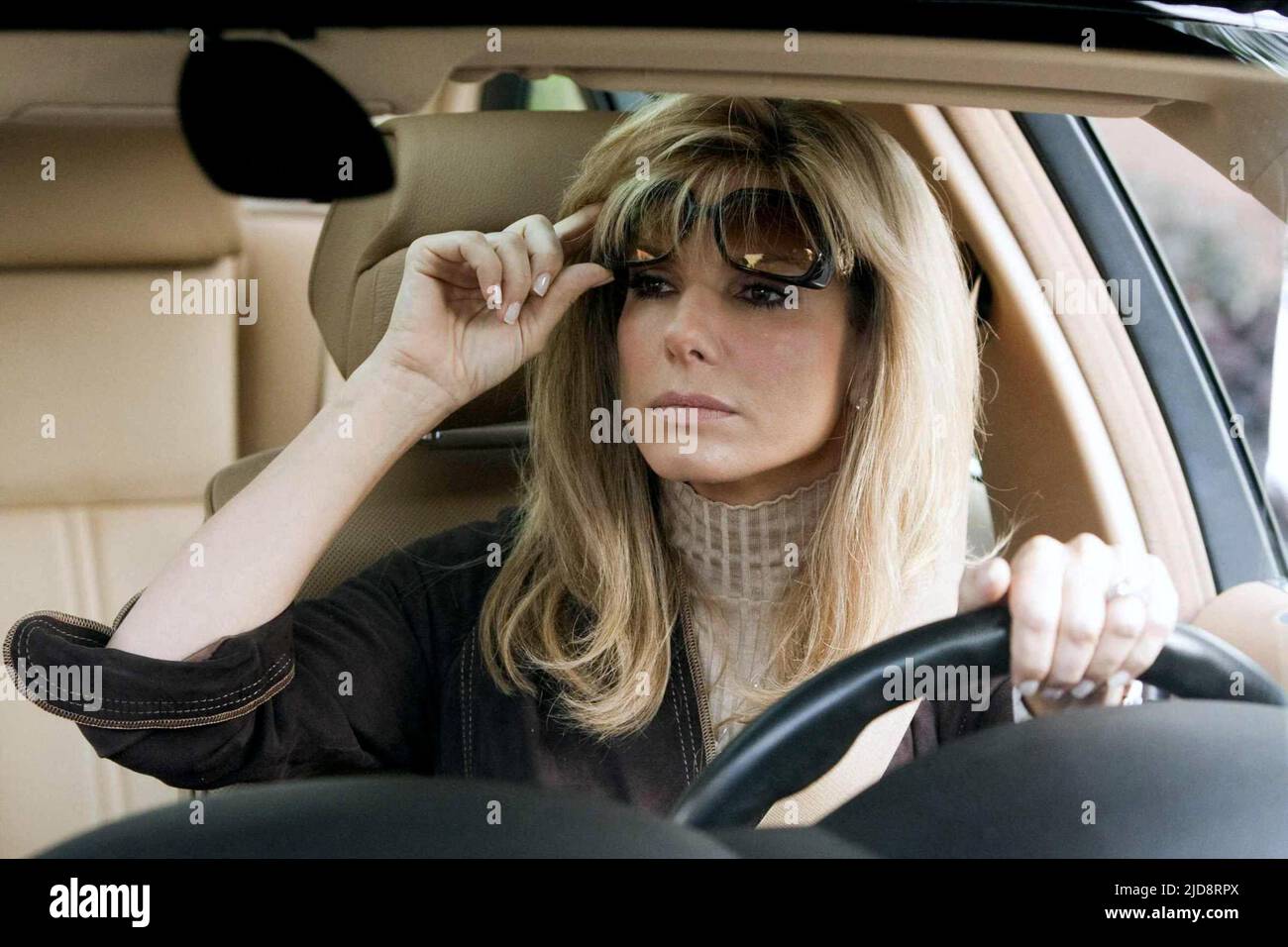
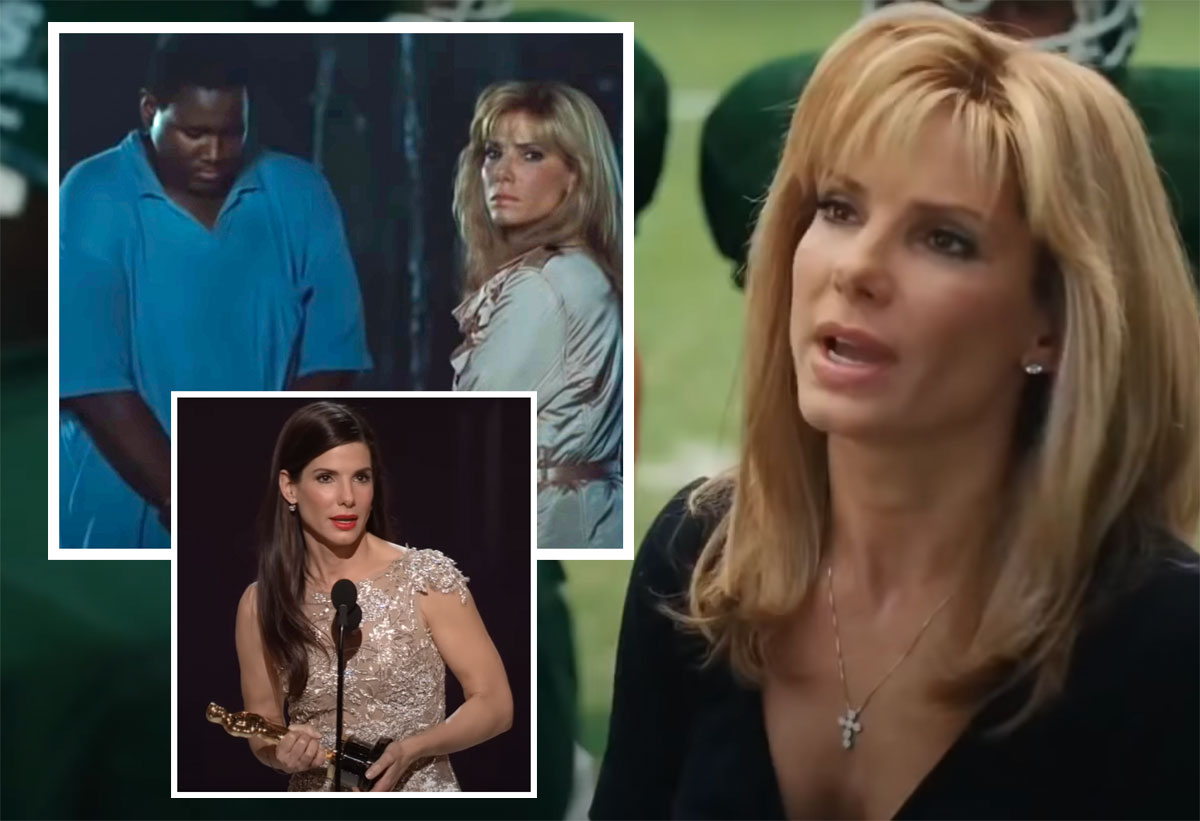
Sandra Bullock plays Leigh Anne Tuohy in the 2009 biographical sports drama The Blind Side, a performance that earned her the Academy Award for Best Actress. The film, directed by John Lee Hancock, chronicles the journey of Michael Oher, a homeless teenager who is taken in by the wealthy Tuohy family and eventually rises to become an NFL offensive lineman. Bullock’s portrayal of the assertive, compassionate matriarch was the centerpiece of the film’s critical and commercial success, marking a significant milestone in her career.
Understanding the Role of Leigh Anne Tuohy
When audiences inquire about the "actor from The Blind Side," they are almost universally referring to Sandra Bullock. Her role as Leigh Anne Tuohy—a Memphis-based interior designer who encounters Oher on a rainy night—demanded a transformation in both dialect and demeanor. The character is portrayed as a strong-willed force of nature, decisive and protective, who navigates the complexities of social class and racial dynamics in the American South.
Bullock’s performance is notable for its blend of suburban grit and genuine altruism. Unlike traditional, softer maternal archetypes, her version of Tuohy is uncompromisingly pragmatic. She forces the school’s coaching staff to recognize Oher’s potential and manages the skepticism of her social circle with acerbic wit. This complexity is what allowed the performance to resonate so strongly with both Academy voters and the general public, effectively shifting Bullock’s career trajectory toward more challenging dramatic territory.
Cinematic Context and Production Background
The Blind Side was adapted from Michael Lewis’s 2006 book, The Blind Side: Evolution of a Game. While the film focuses heavily on the emotional narrative of the Tuohy family, it also delves into the technical evolution of the NFL’s "blind side" protection, specifically the increased value of the left tackle position.
The production of the film required significant logistical coordination, as it was filmed primarily in Atlanta, Georgia, to replicate the Memphis setting. Sandra Bullock was cast early in the pre-production phase, but she famously hesitated before accepting the role. She initially felt that she could not accurately capture the essence of a woman who was so assertive and deeply rooted in a culture distinct from her own. It was only after meeting the real-life Leigh Anne Tuohy that Bullock felt comfortable enough to commit to the project.
Comparison of Key Roles in the Cast
To better understand the production, it is helpful to look at how Bullock’s performance anchored the ensemble cast. The film relied on the chemistry between the primary leads to establish the believability of the family dynamic.
| Actor | Character | Role Significance |
|---|---|---|
| Sandra Bullock | Leigh Anne Tuohy | The catalyst for Michael's growth and family integration. |
| Quinton Aaron | Michael Oher | The focus of the biographical narrative and sports arc. |
| Tim McGraw | Sean Tuohy | Provides the necessary support and business stability for the family. |
| Kathy Bates | Miss Sue | The eccentric tutor whose efforts are essential to Oher’s eligibility. |
| Jae Head | S.J. Tuohy | The younger brother who serves as the film’s comic relief and moral heart. |
The interplay between these characters serves to ground the high-stakes sports narrative. While Bullock is the primary focus of critical analysis, the structure of the film is a collective effort to demonstrate how various support systems—both professional and familial—were required for Oher to succeed.
The Impact of the Performance on Bullock’s Career
Before 2009, Sandra Bullock was primarily known for her work in romantic comedies and action thrillers such as Miss Congeniality and Speed. While successful, these roles often relied on a certain level of levity. The Blind Side required her to inhabit a character who was arguably more polarizing and more intense than her previous roles.
The acclaim surrounding this performance resulted in:
- The Academy Award for Best Actress: This win validated her transition into prestige drama.
- Global Box Office Dominance: The film grossed over $300 million worldwide, making it one of the highest-grossing sports films in history.
- Genre Diversification: Following this win, Bullock took on more nuanced roles in films like Gravity and Extremely Loud & Incredibly Close.
Critical Reception and Cultural Controversy
It is impossible to discuss the film without addressing the conversation surrounding it. Critics at the time praised Bullock’s ability to anchor a sentimental script, but in subsequent years, the film has faced scrutiny regarding the "white savior" narrative. Many critics have argued that the story centers the internal growth of the Tuohy family over the personal agency of Michael Oher himself.
Bullock has largely maintained that her goal was to tell a story about compassion and the capacity for change. From a technical standpoint, the film’s success as a narrative structure is often studied in film schools as an example of how to balance high-concept biography with standard Hollywood sentimentality. The film remains a primary reference point for how celebrity actors can steer the public perception of biographical events.
How to Evaluate Similar Biographical Performances
For those interested in the craft of acting within biographical films, evaluating a role like this requires looking past the surface-level charisma of the actor. When analyzing how Sandra Bullock approached Leigh Anne Tuohy, one should look at the following elements:
- Dialect and Mannerisms: The actor must adopt the cadence of the specific geographic region. In this case, the Memphis accent was crucial to building authenticity.
- Physicality: The character’s stature, how she moves through a room, and her interactions with others (such as her firm posture when dealing with the athletic department) are key indicators of her social and economic confidence.
- Reactionary Acting: Much of the heavy lifting in this film was done during scenes where Bullock was observing Oher. Her subtle facial expressions and silent reactions convey the character’s internal arc more effectively than dialogue.
Frequently Asked Questions
Did Sandra Bullock actually know the real Leigh Anne Tuohy before the movie? No, she did not. Bullock intentionally avoided meeting the real-life Tuohy until she had already signed on to the project, as she wanted to build her own interpretation of the character without being overly influenced by an imitation of the real person’s specific mannerisms.
Was The Blind Side based on a true story? Yes, the film is based on a biographical account by Michael Lewis. However, like many Hollywood adaptations, it condensed certain events and stylized characters to fit the standard three-act dramatic structure. Certain interactions between the family and Oher have been subject to public debate, particularly regarding the formal legal status of their guardianship.
How much time did Sandra Bullock spend preparing for this role? Preparation involved several months of research into the lifestyle of the Tuohy family, including spending time in Memphis to absorb the local culture. She focused heavily on the specific dialect of the region, which is a signature element of the film’s verisimilitude.
Did Sandra Bullock win any other awards for this role? Yes, in addition to the Academy Award, she won the Golden Globe for Best Actress in a Motion Picture – Drama and the Screen Actors Guild Award for Outstanding Performance by a Female Actor in a Leading Role, among several other industry honors.
Where can I watch The Blind Side in 2026? The film’s distribution is subject to regional licensing agreements. As of 2026, it is frequently available on major subscription-based streaming platforms or as a digital rental through standard storefronts. You should check your local digital service provider to verify current availability in your jurisdiction.
Recommendation for Further Study
If you are interested in the intersection of biographical filmmaking and the star system, you should look into the source material: Michael Lewis’s book, The Blind Side: Evolution of a Game. Comparing the text to the film provides a clear picture of what elements were prioritized by the screenwriters to ensure the story functioned as a cohesive piece of cinema. Additionally, exploring behind-the-scenes interviews from the 2009-2010 awards season will provide deeper insight into Bullock's specific preparation methods and her view on the controversy that followed the film's release.